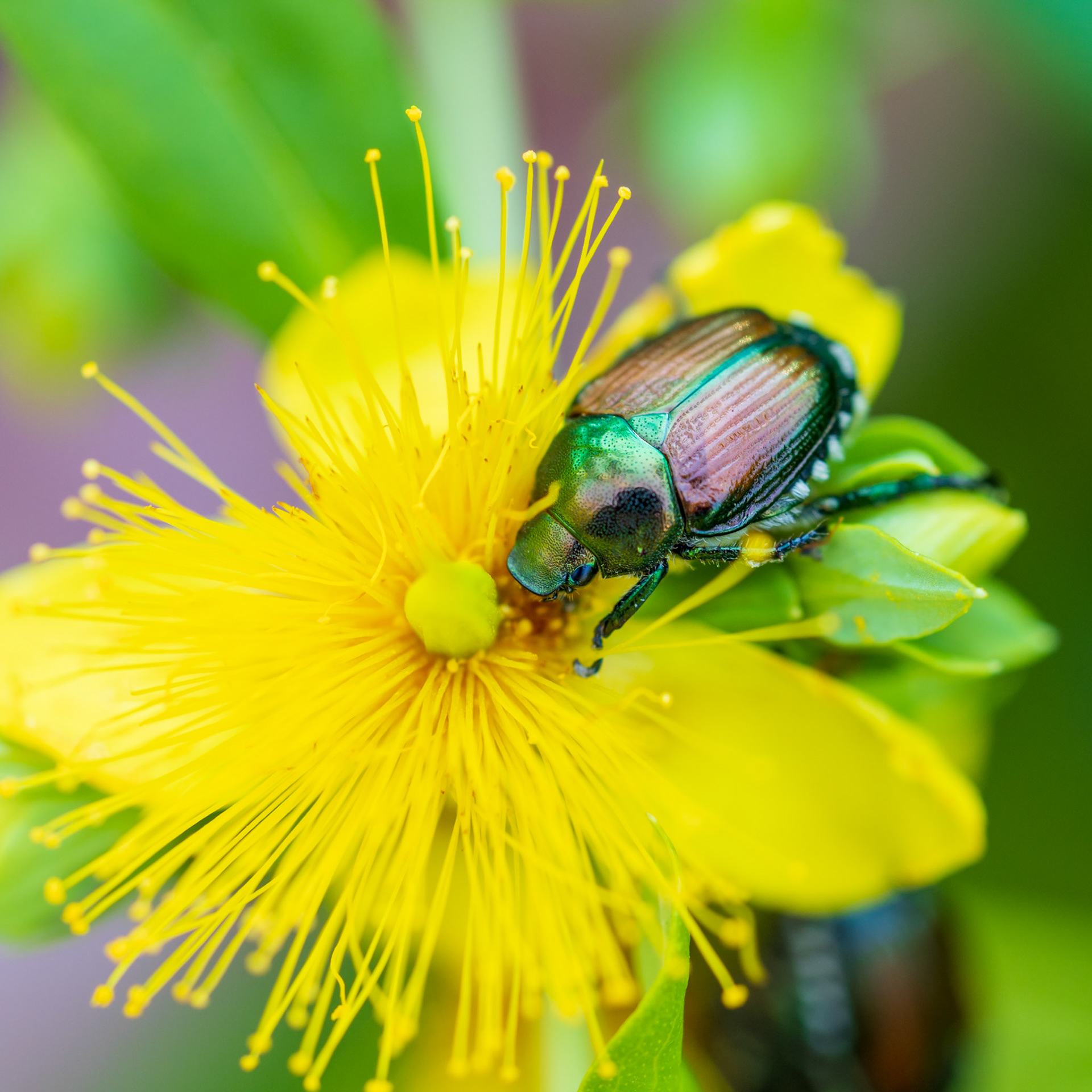
Coleoptera — Beetles
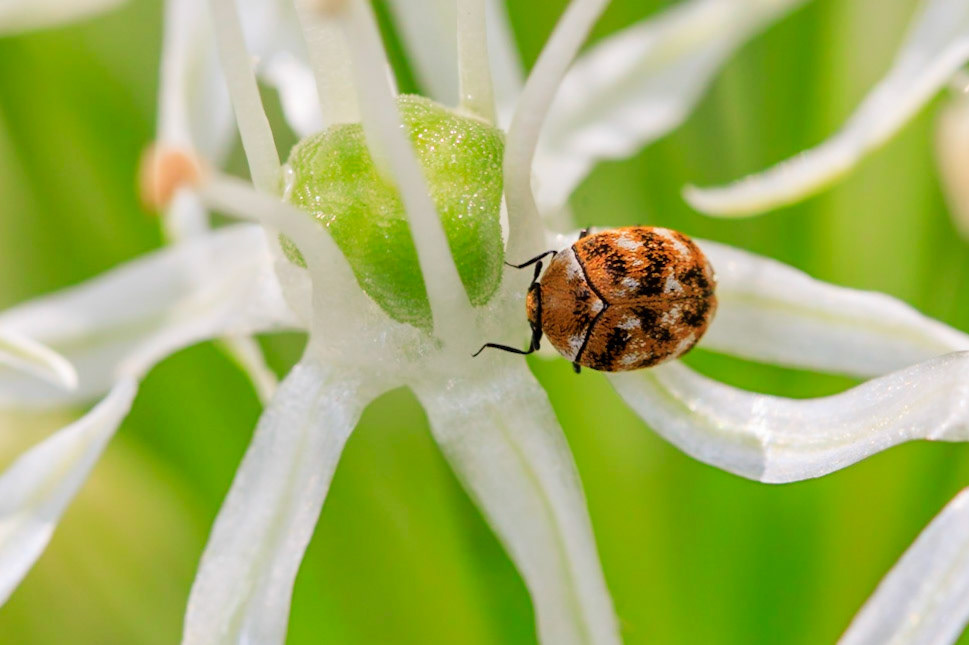
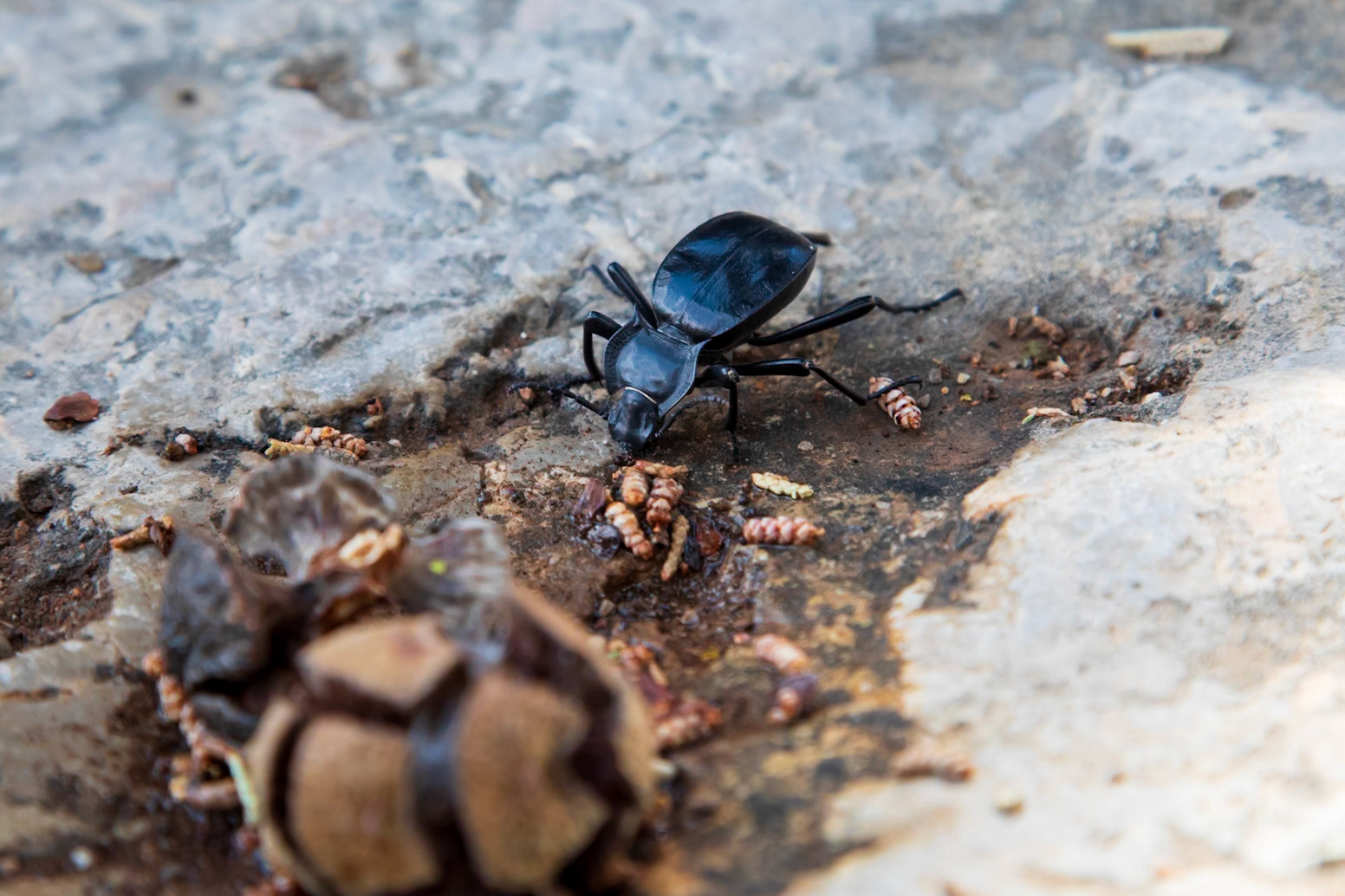
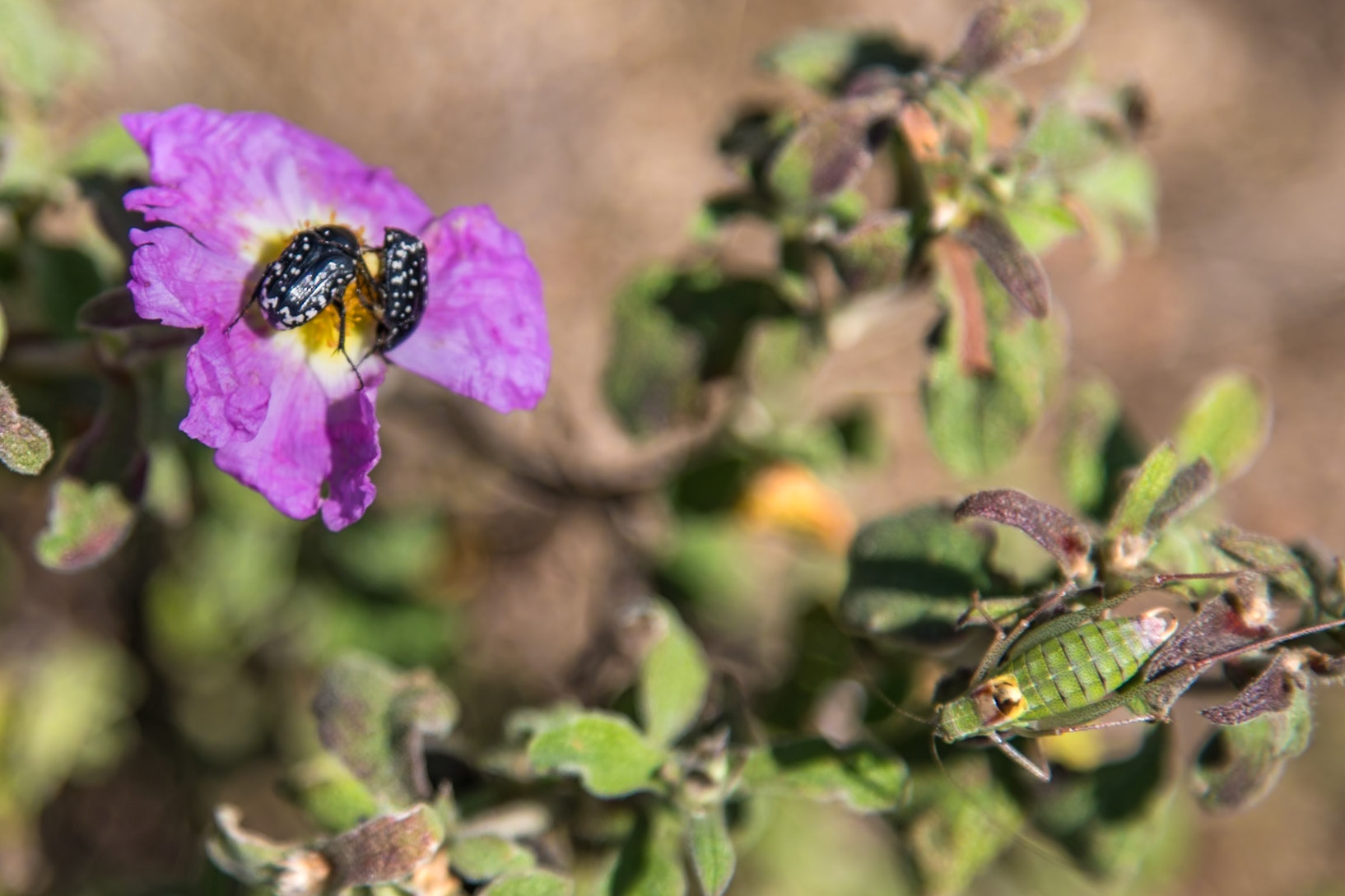
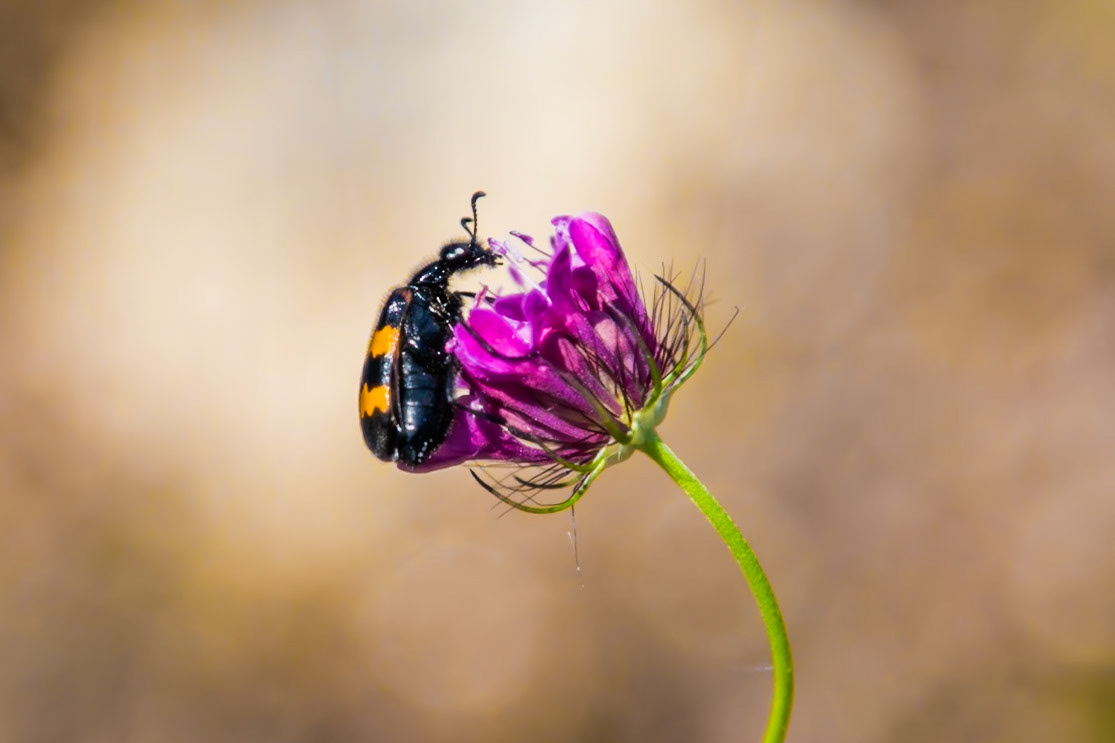
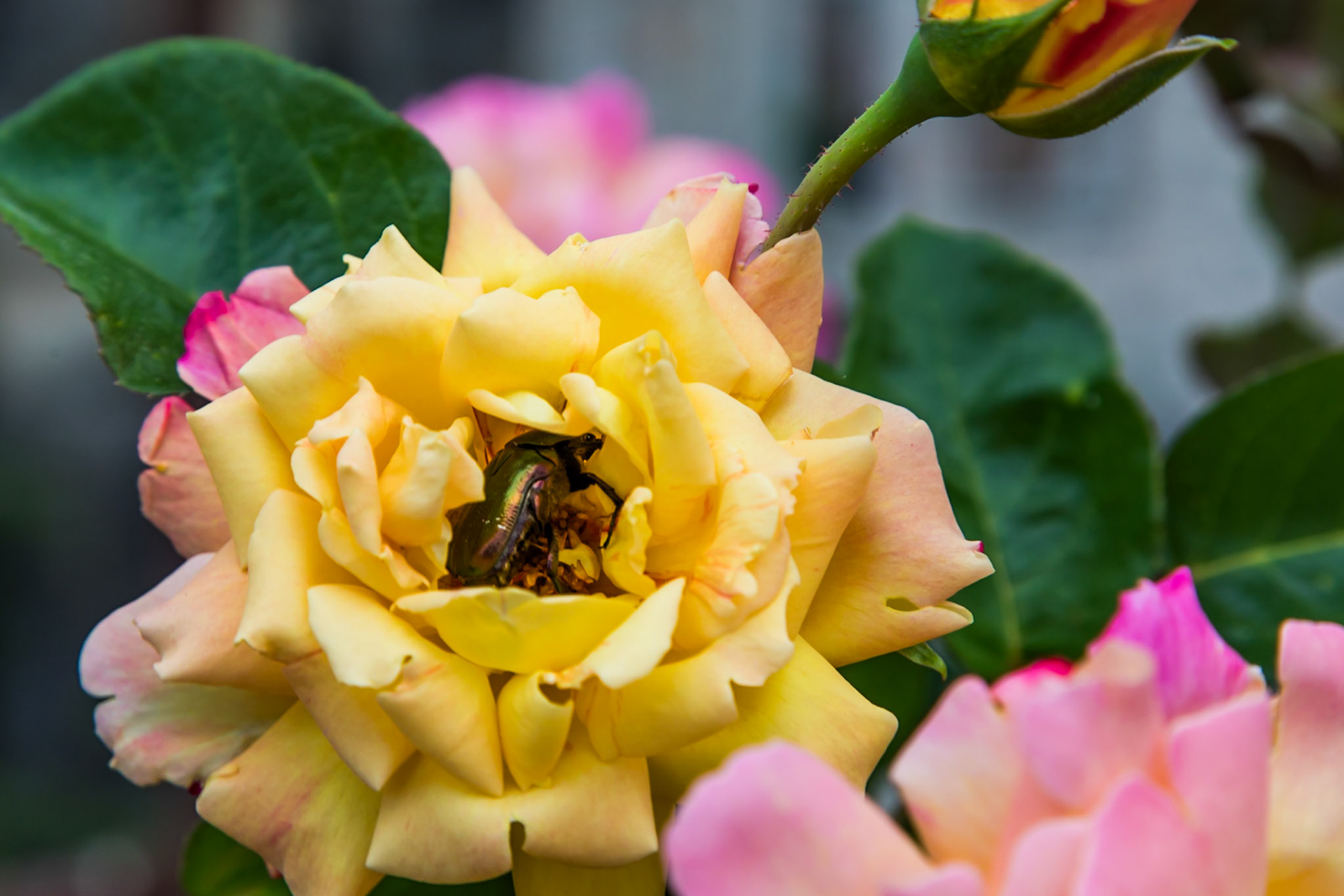
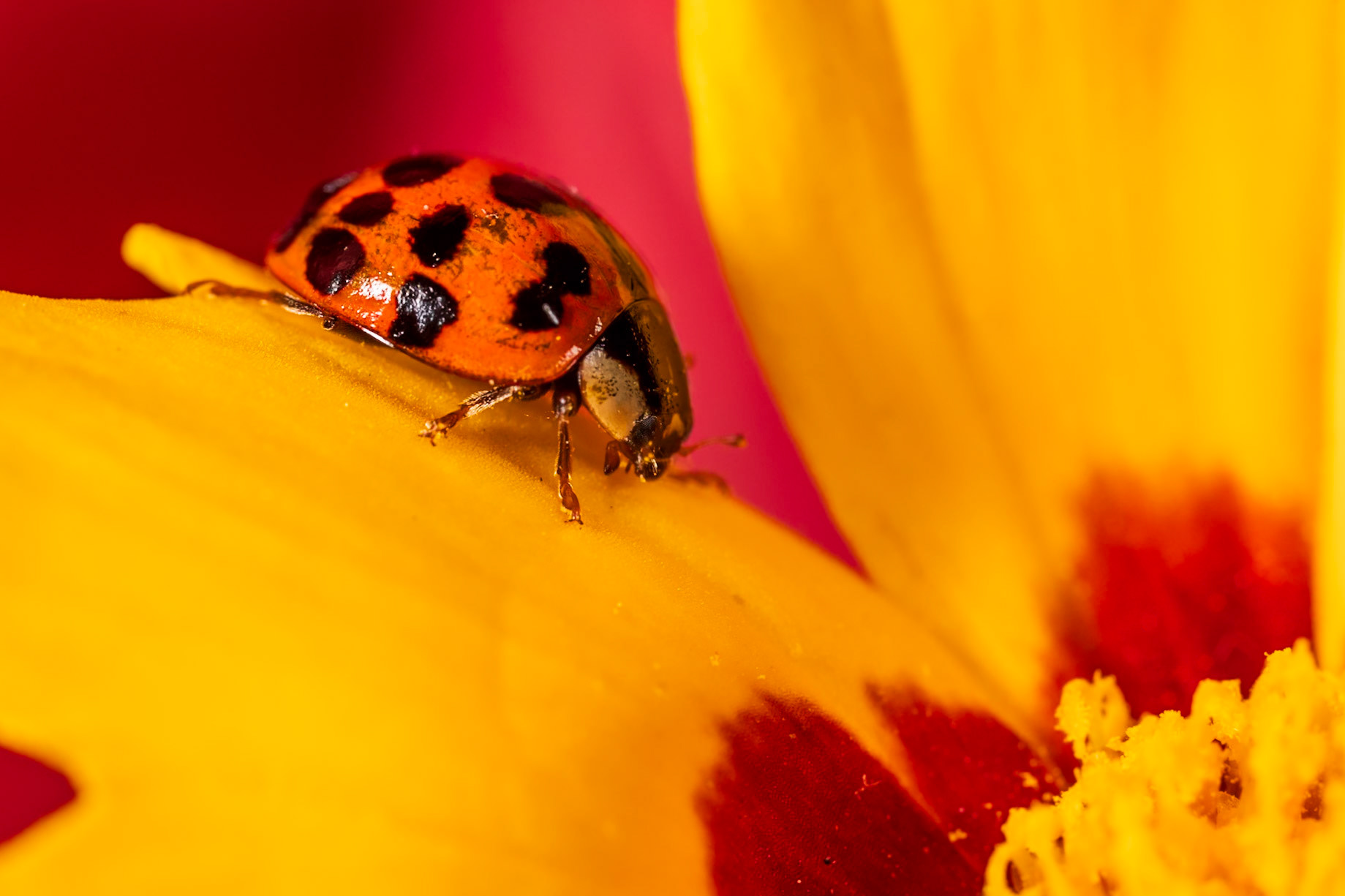
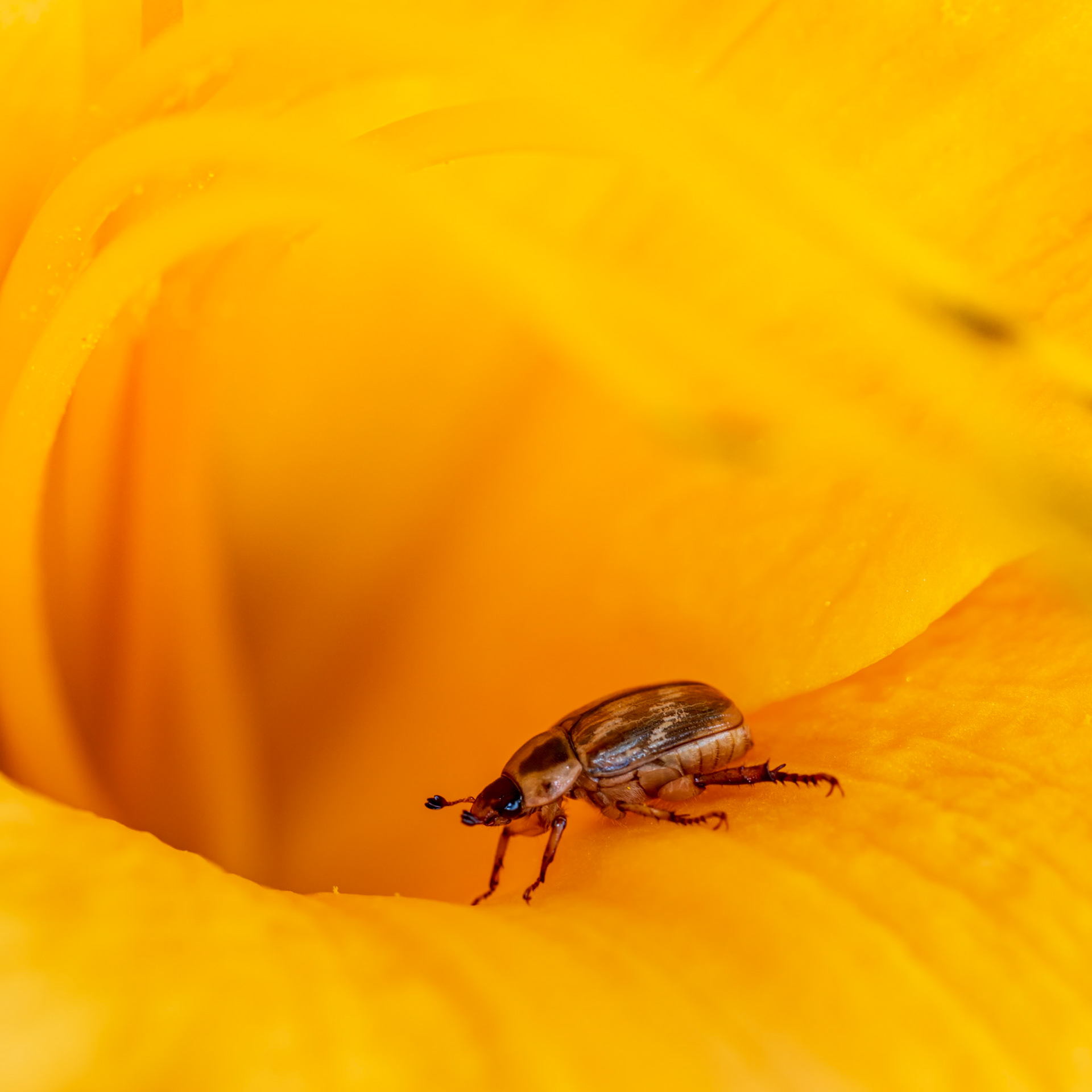
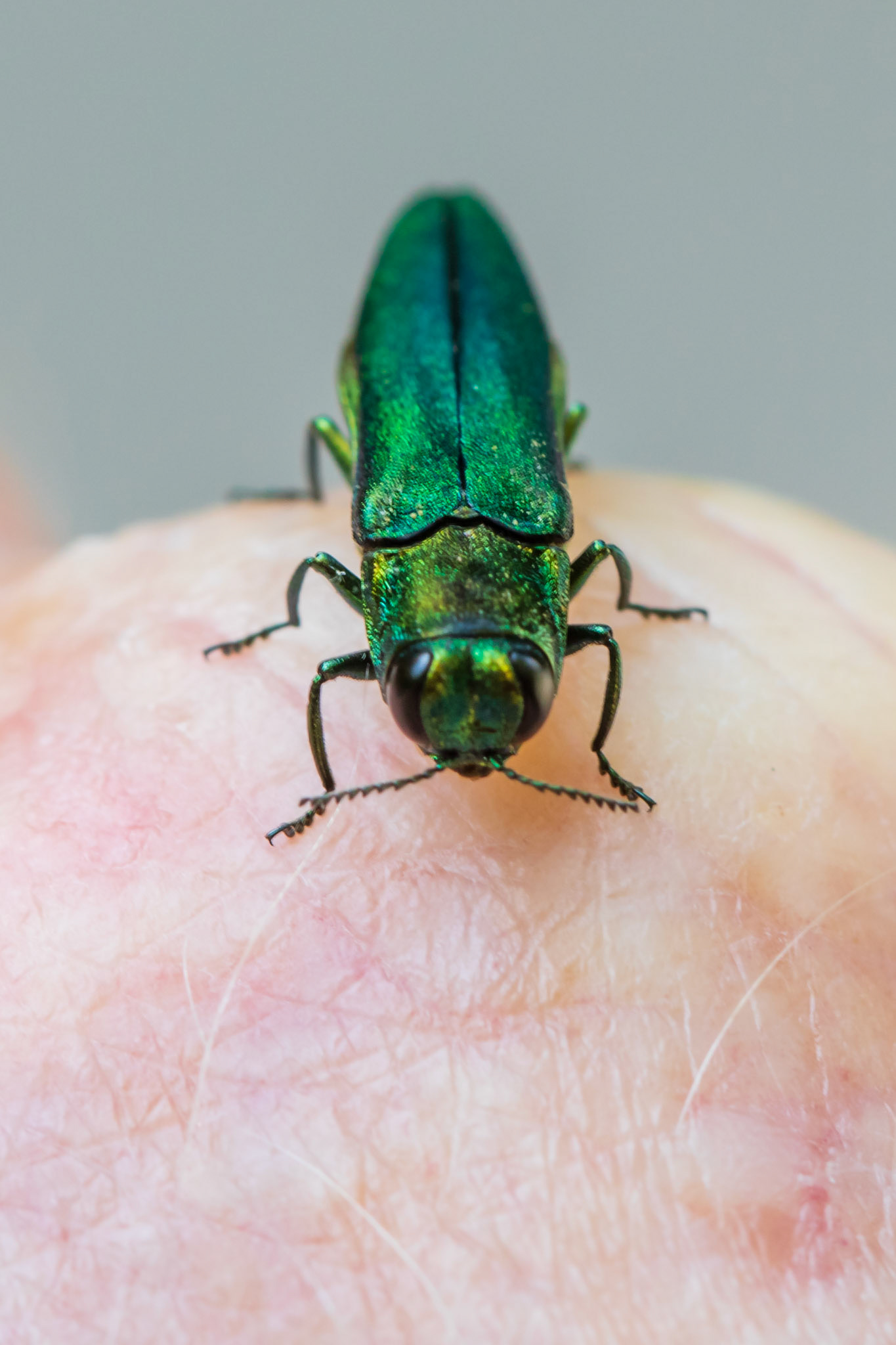
Largest order of insects, with hardened forewings (elytra) protecting the flying wings. Includes ladybugs, weevils, scarabs, fireflies. Extremely diverse in habitat and diet.




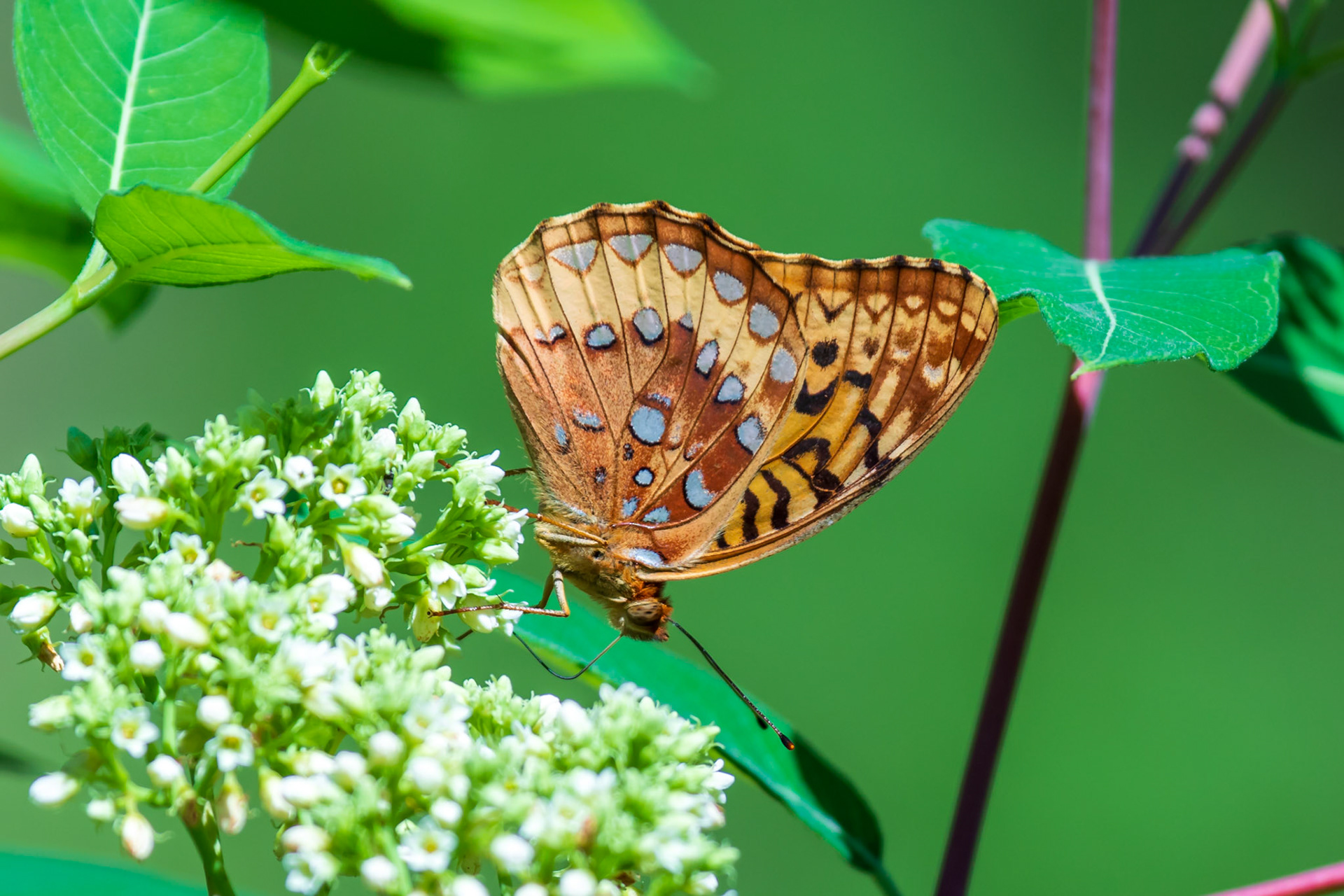
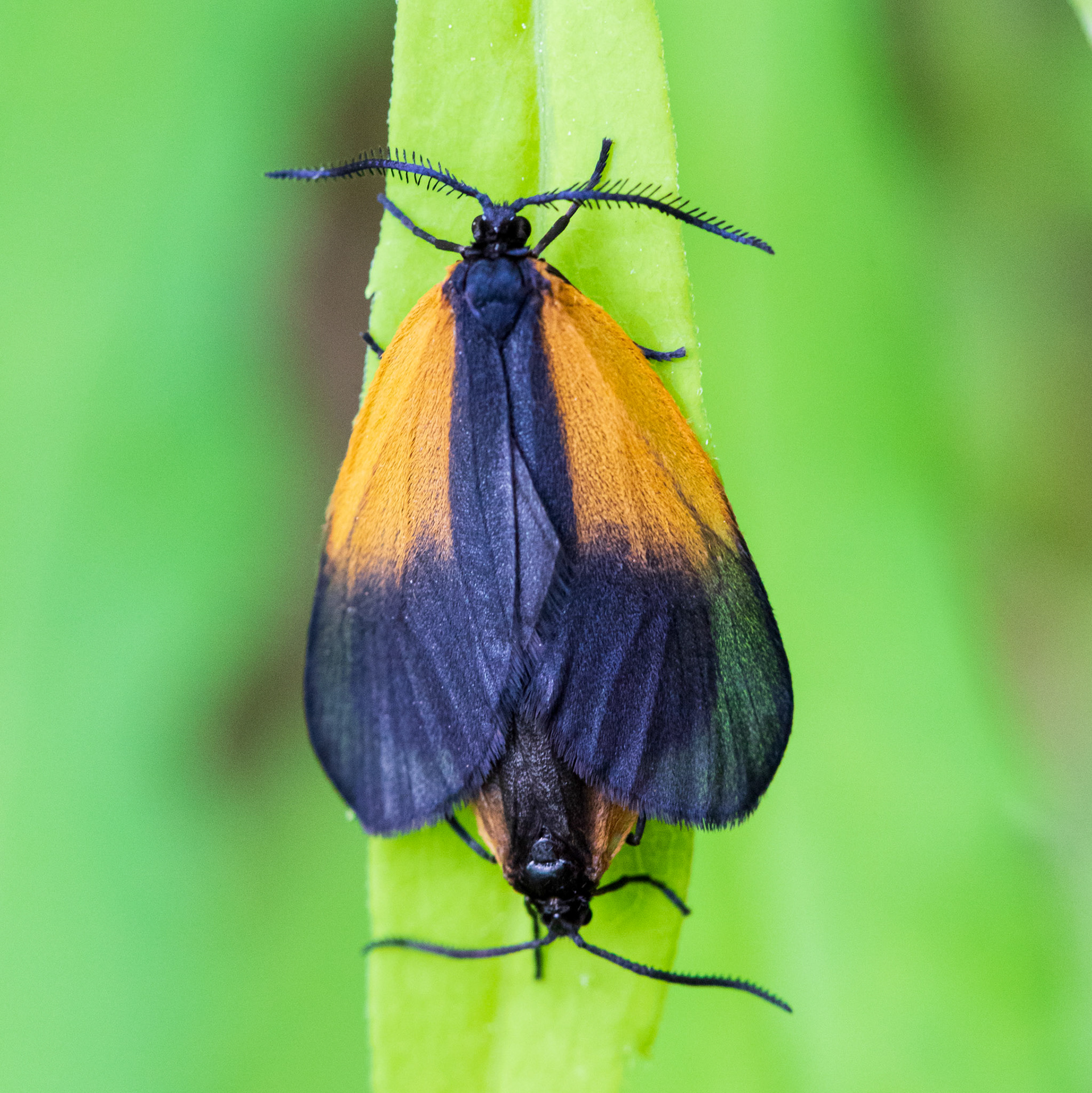
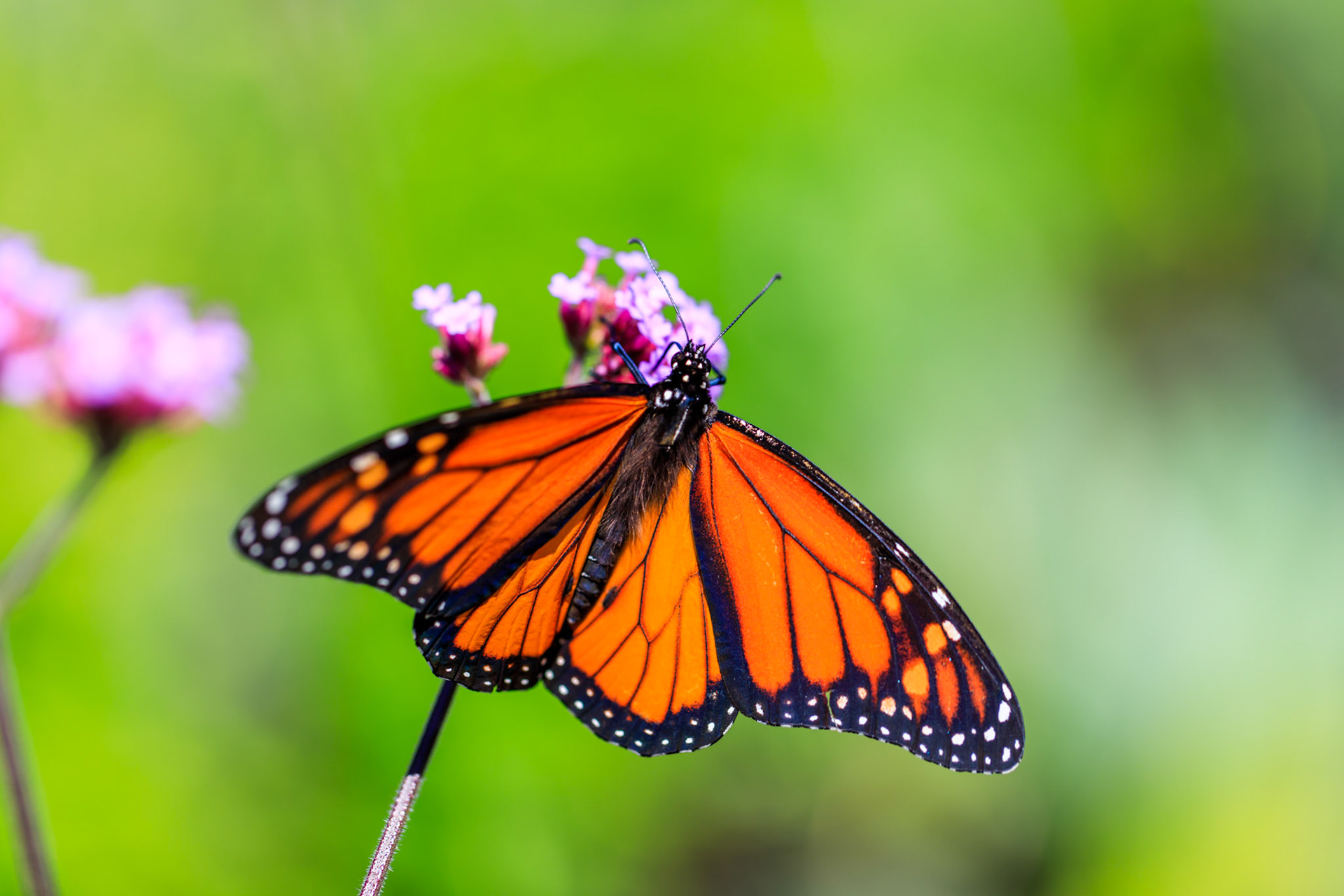
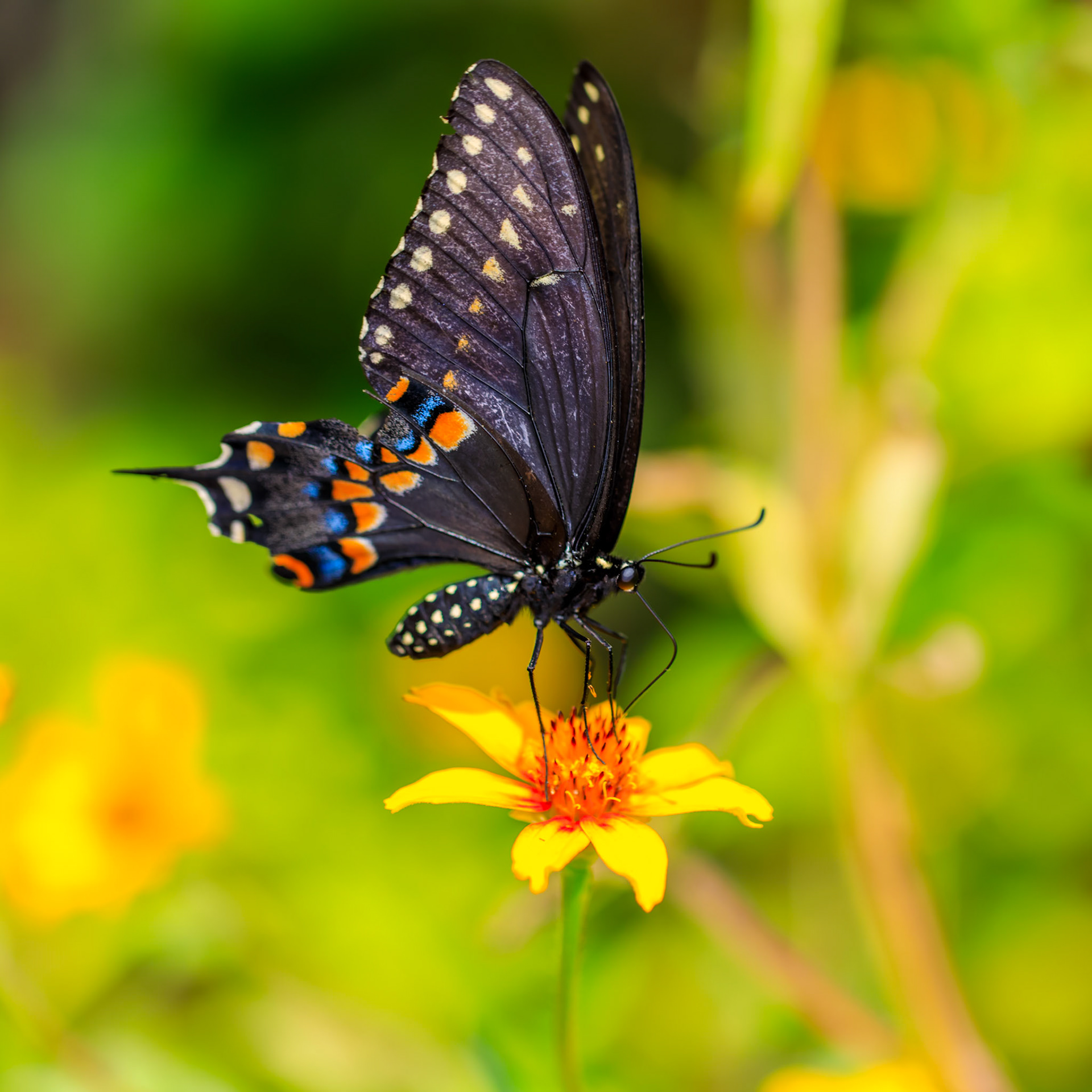
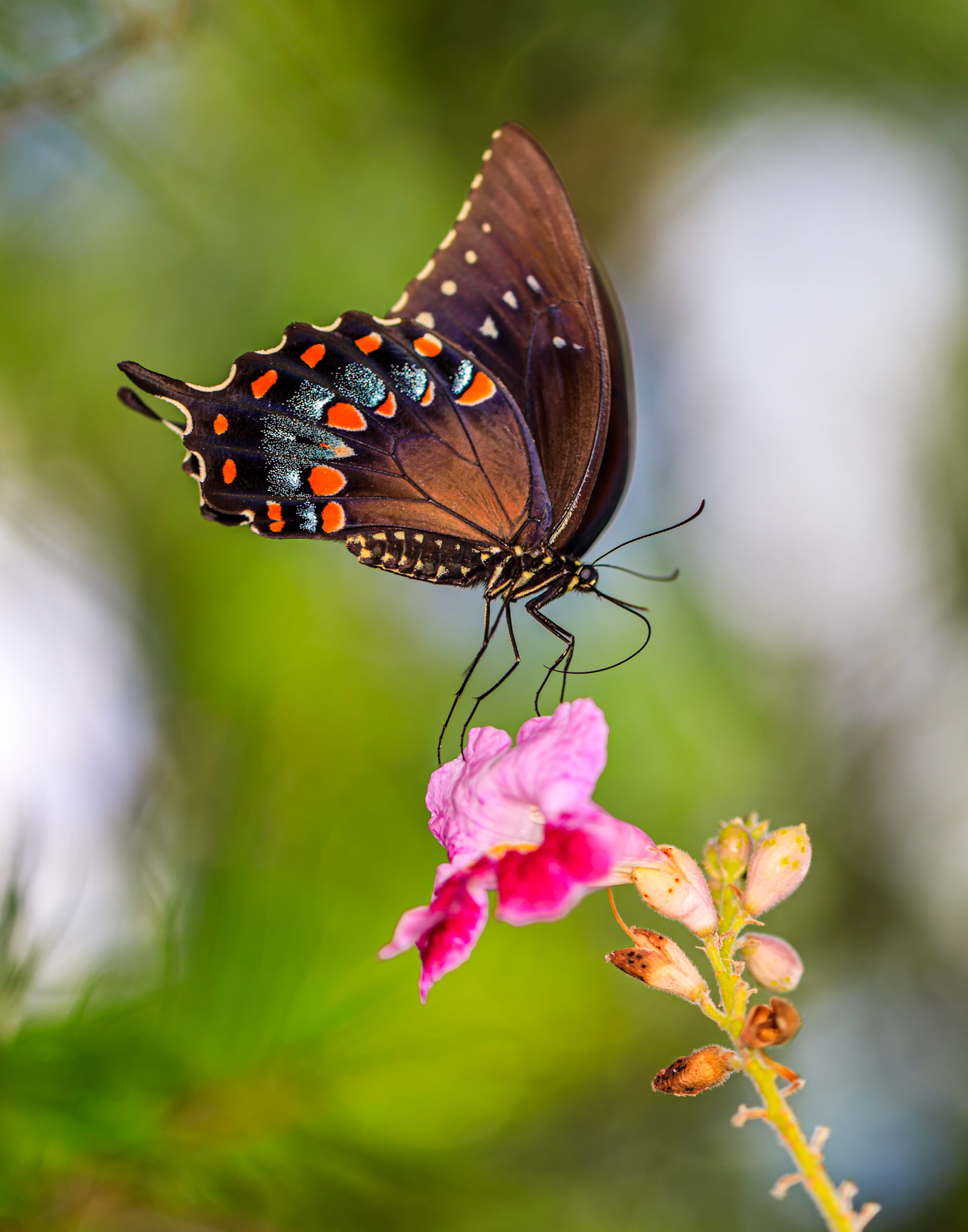
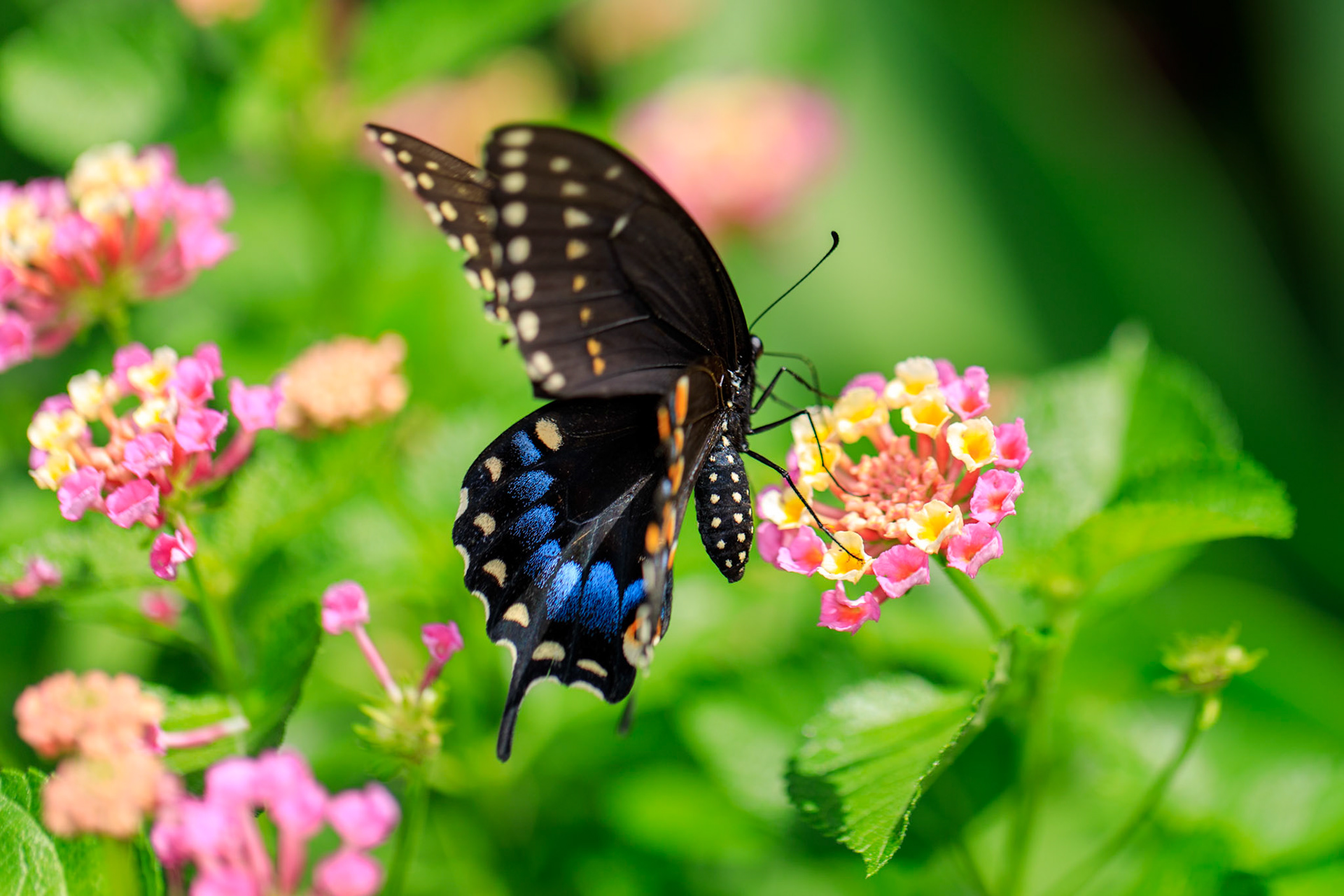
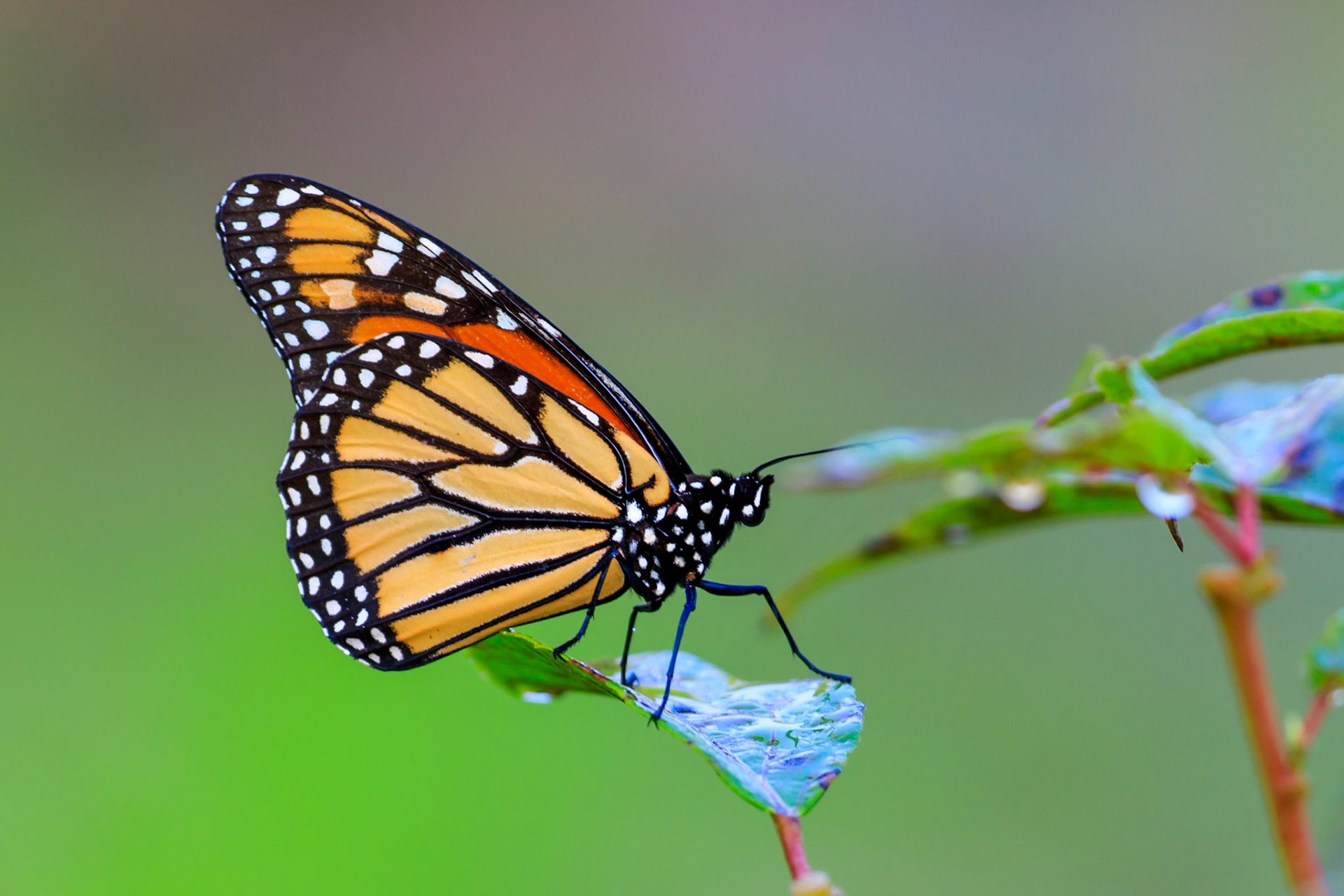
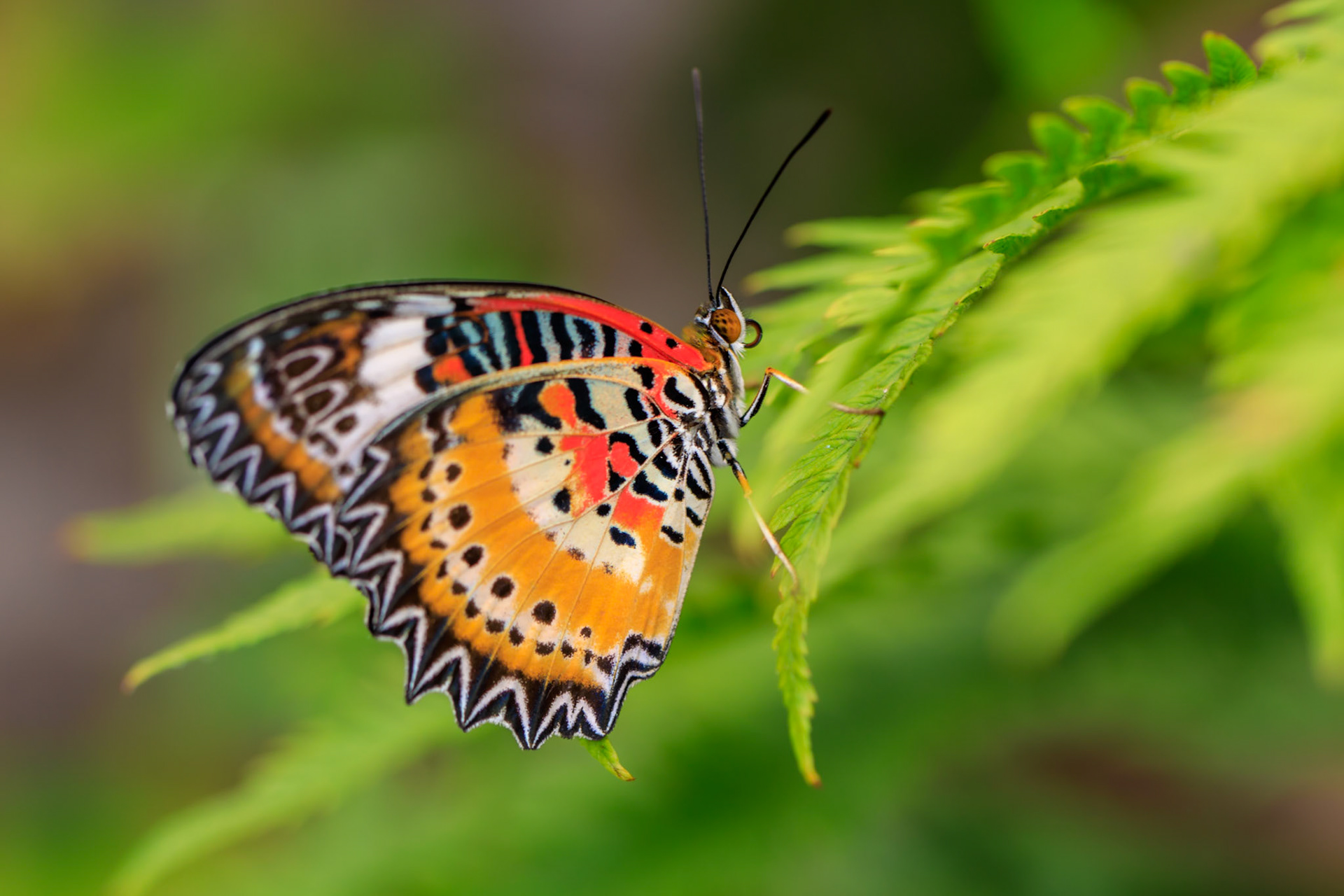
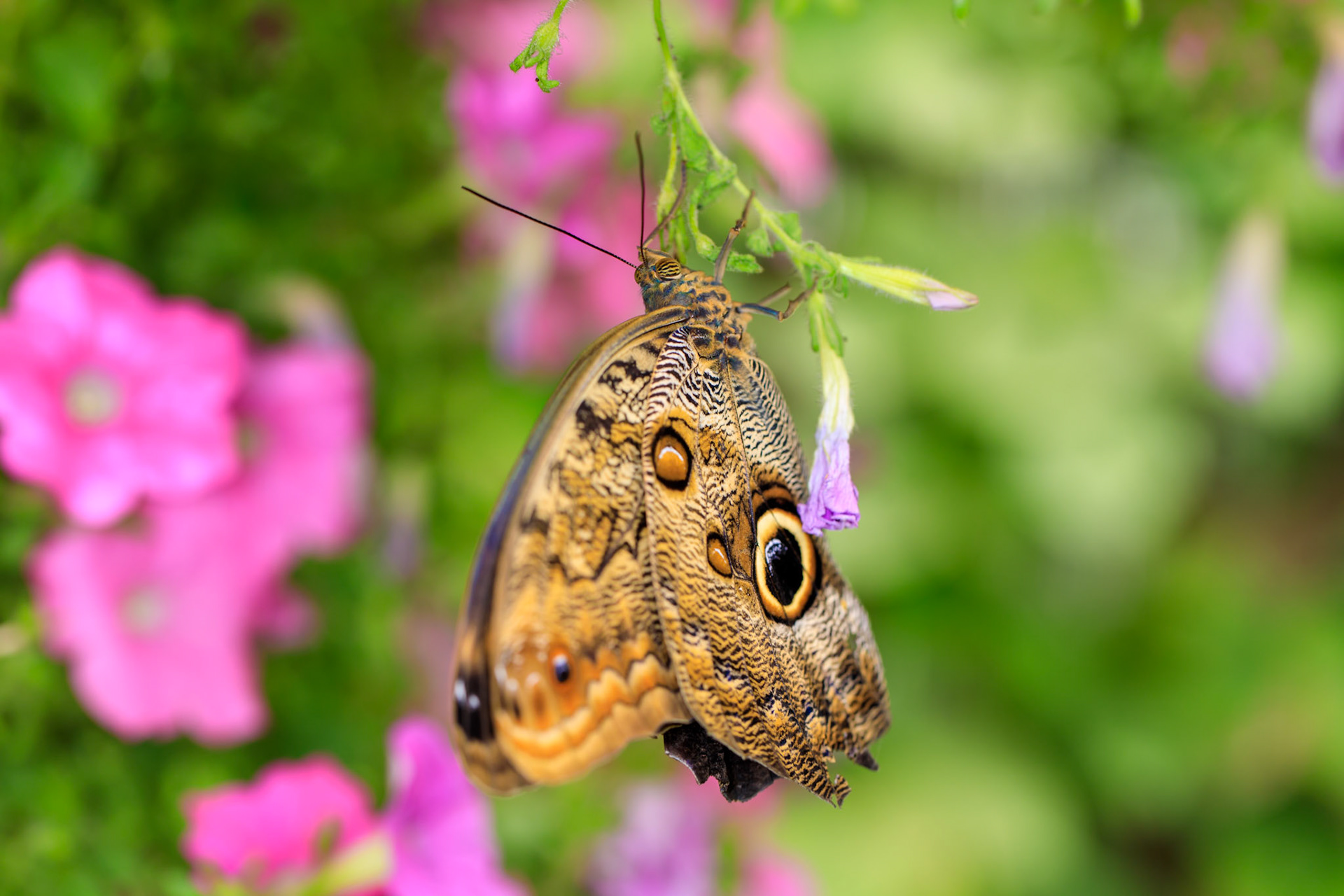
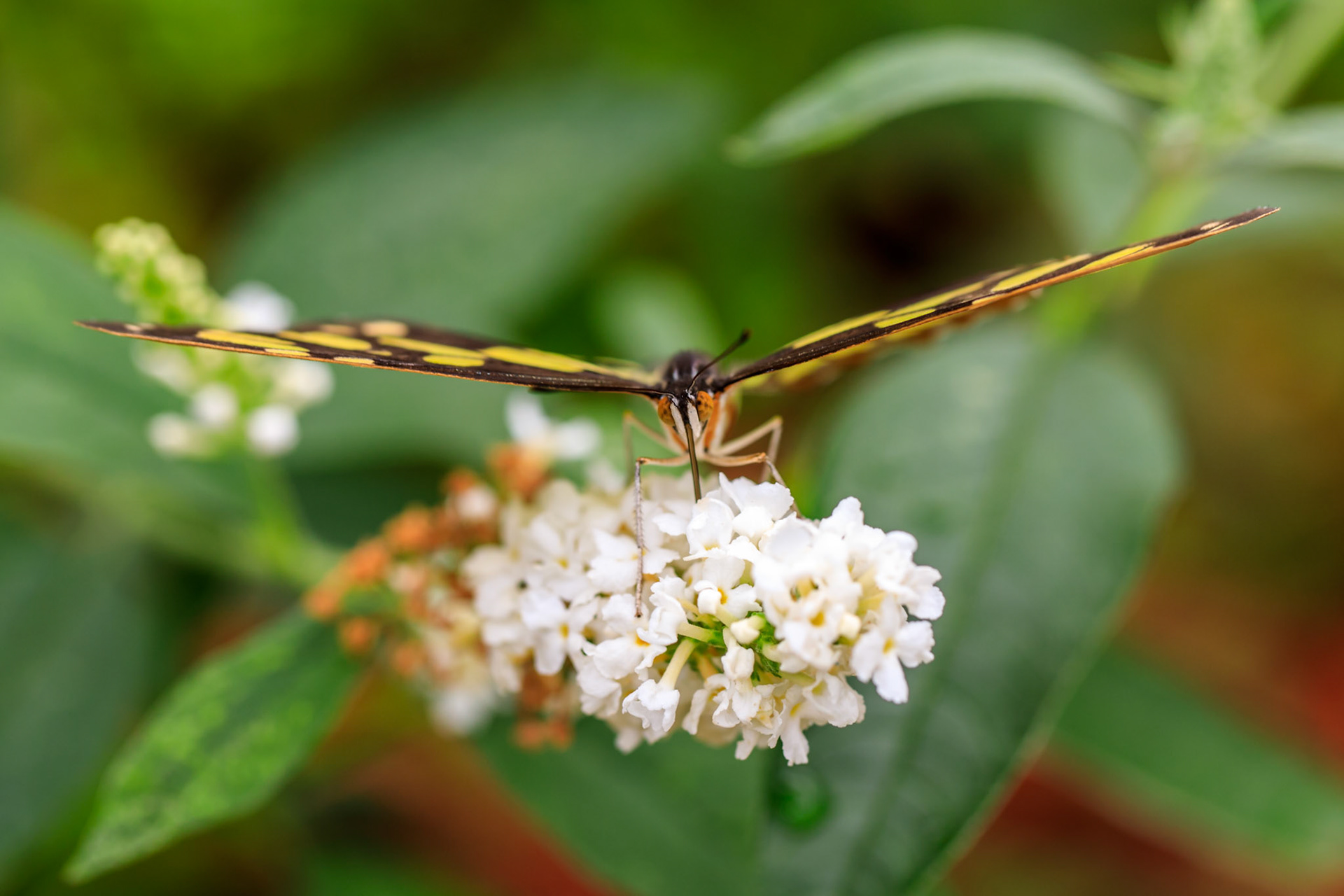
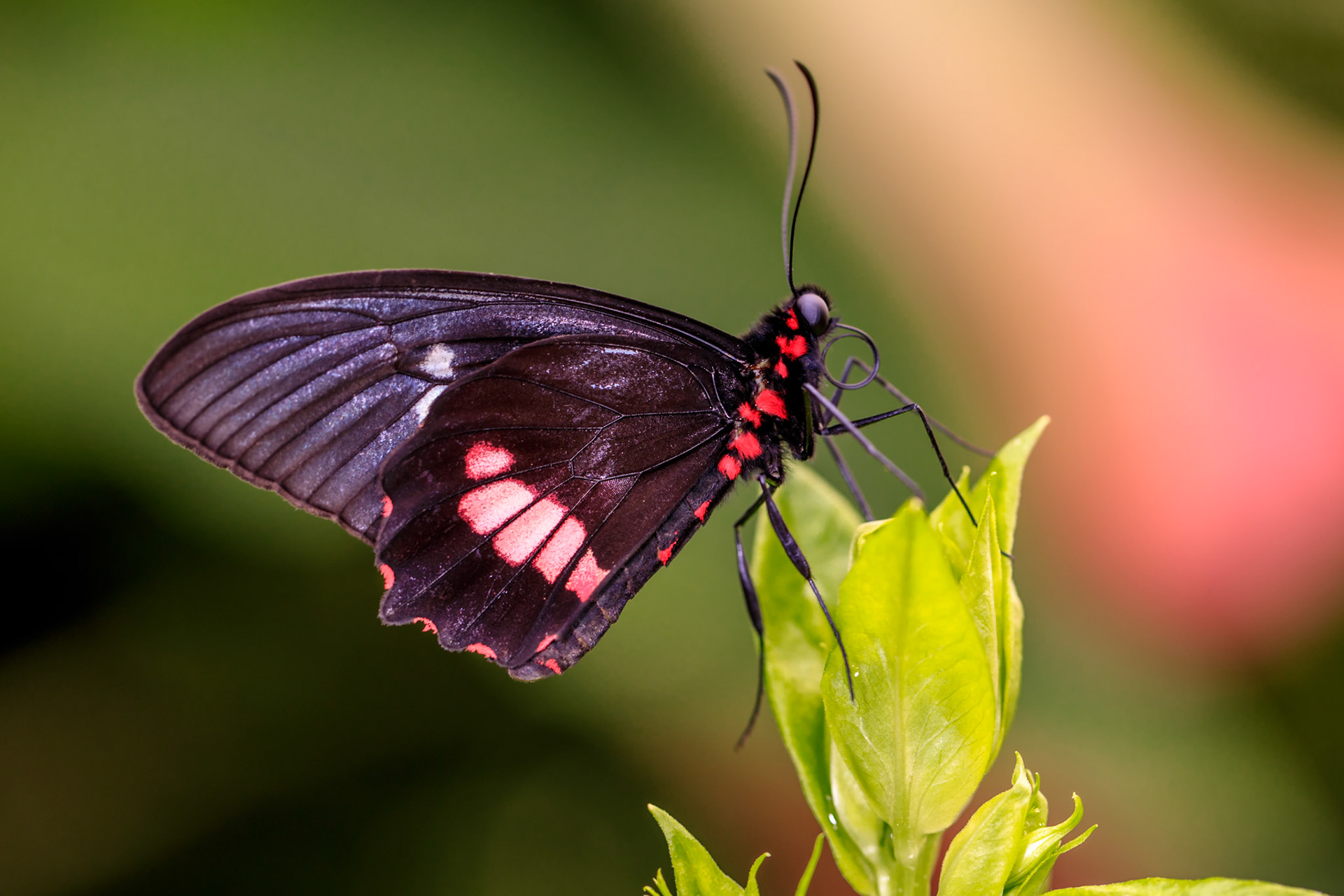
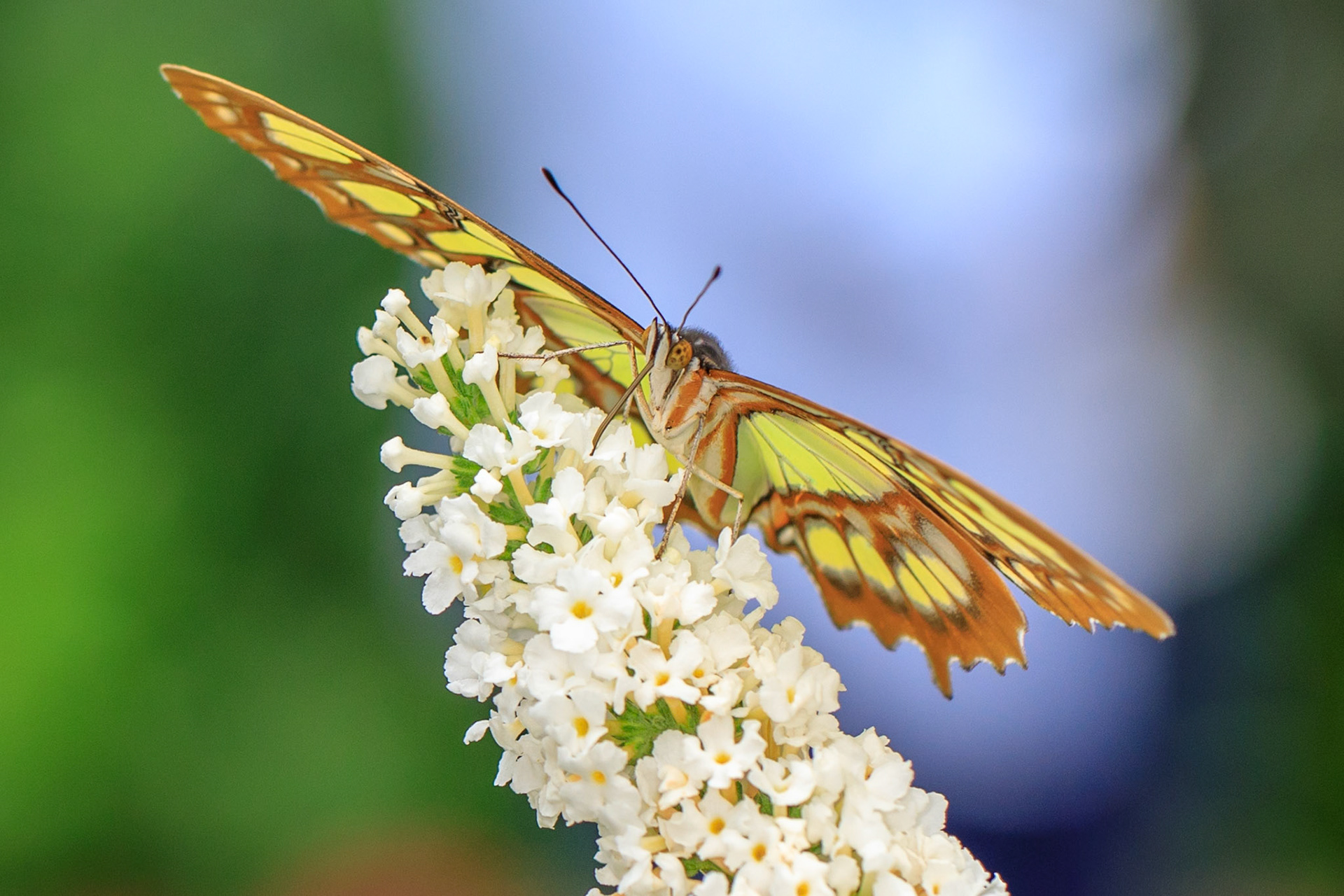
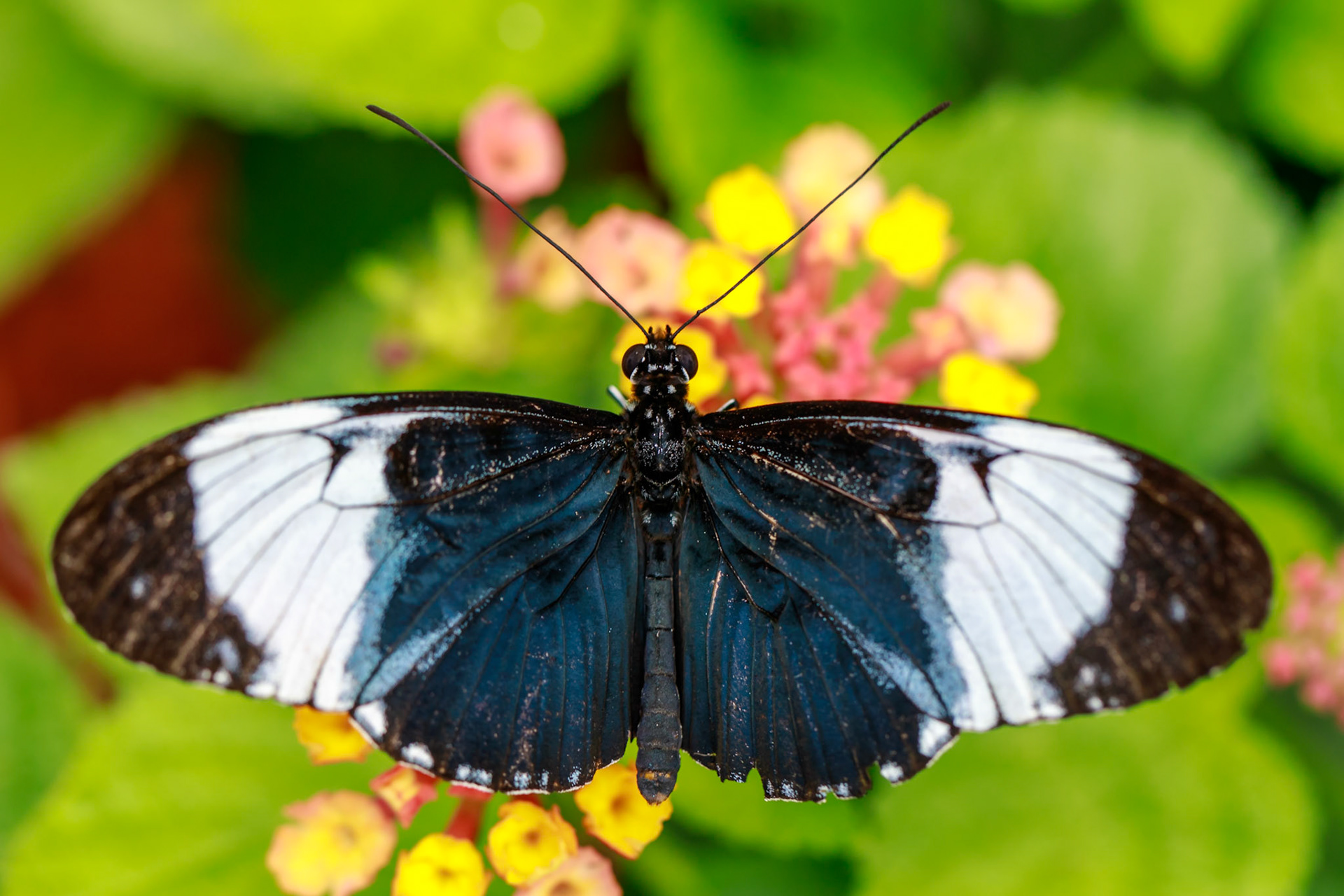
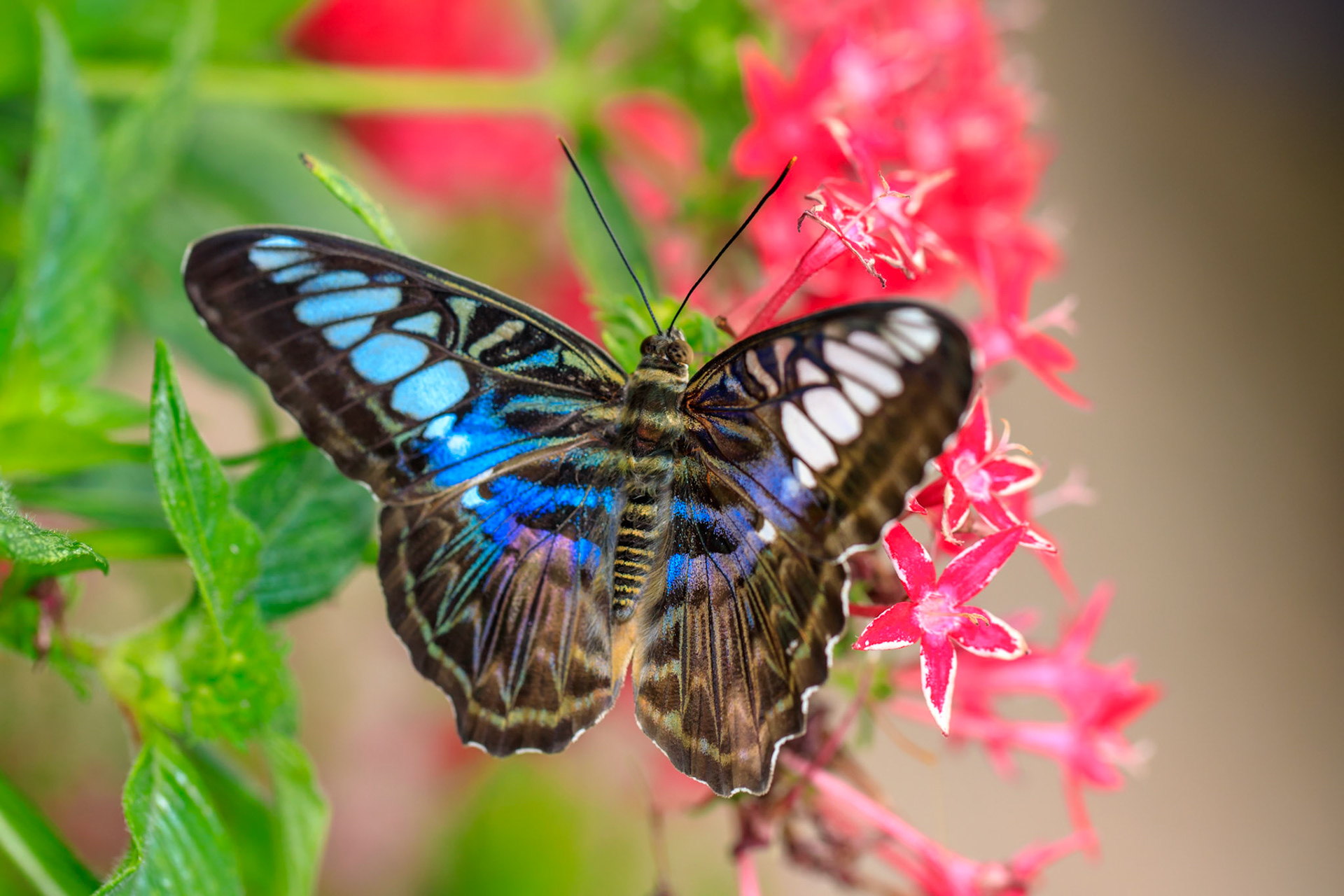
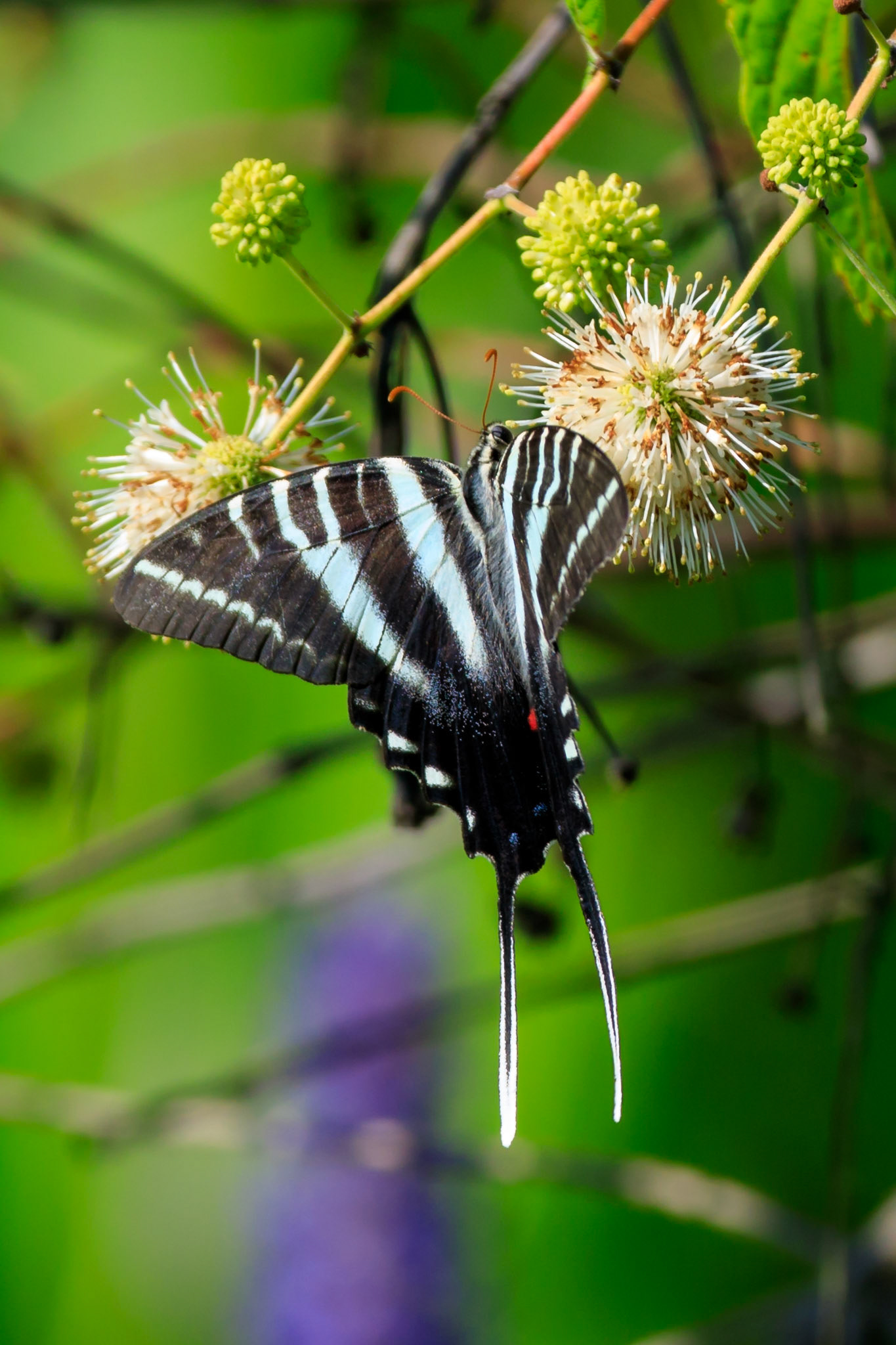
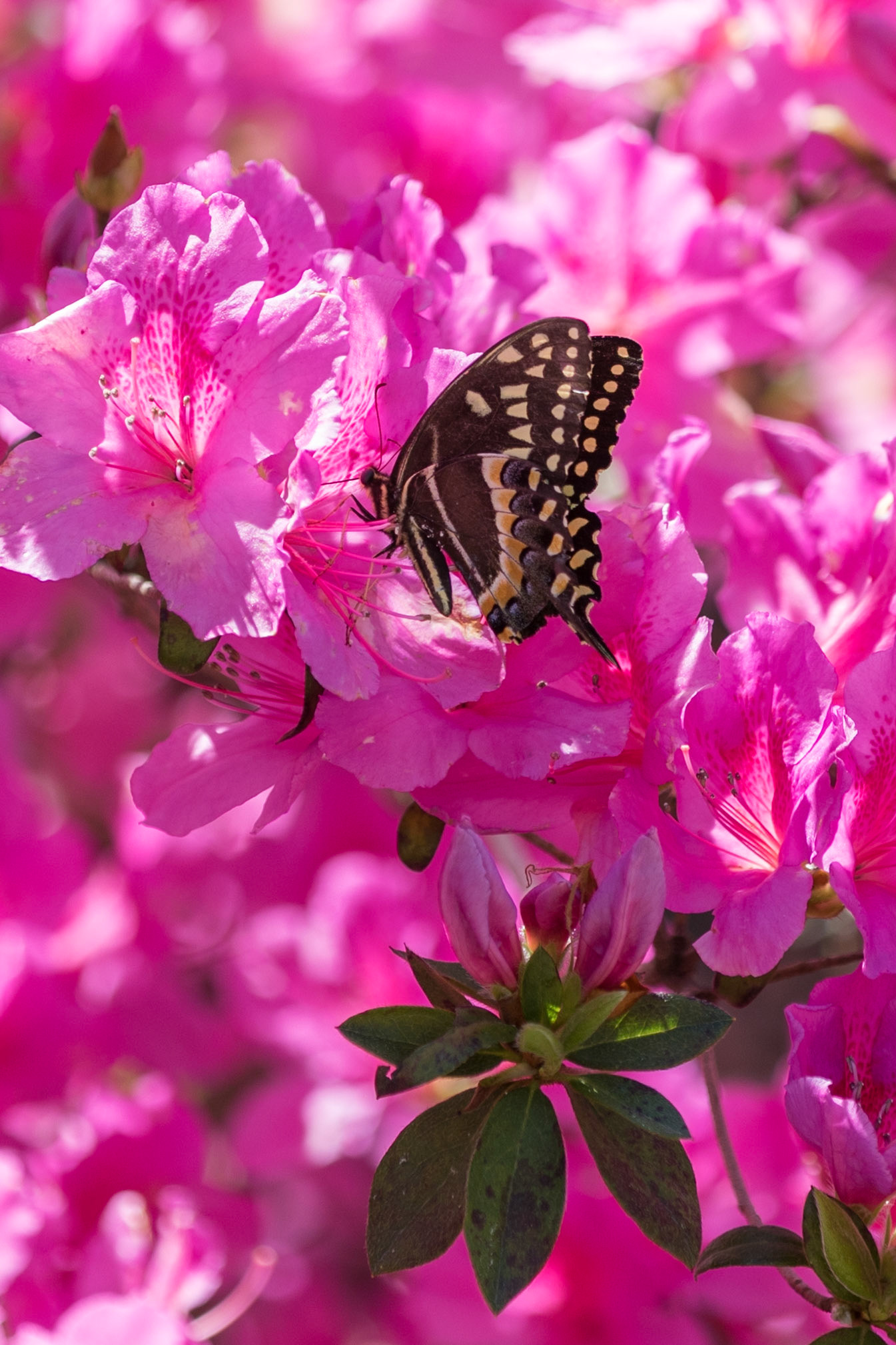
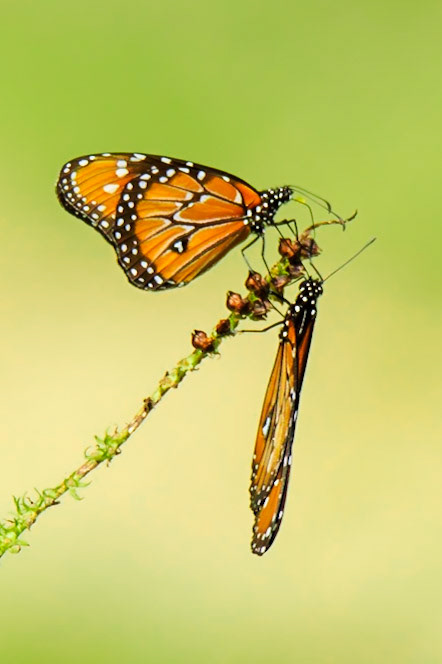
Lepidoptera — Butterflies & Moths
Characterized by scaled wings and complete metamorphosis. Caterpillars are major herbivores; adults are key pollinators.





Diptera — True Flies
Have one pair of wings and halteres for balance. Includes houseflies, mosquitoes, gnats. Important as pollinators, decomposers, and disease vectors.
Hymenoptera — Ants, Bees, Wasps, Sawflies
Highly diverse; many species are social. Includes honeybees, hornets, fire ants. Crucial pollinators and predators.
Hemiptera — True Bugs
Defined by piercing–sucking mouthparts. Includes cicadas, aphids, stink bugs, leafhoppers. Many feed on plant sap; some are predators.
Orthoptera — Grasshoppers, Crickets, Katydids
Known for jumping hind legs and sound production (stridulation). Mostly herbivorous; some species form locust swarms.
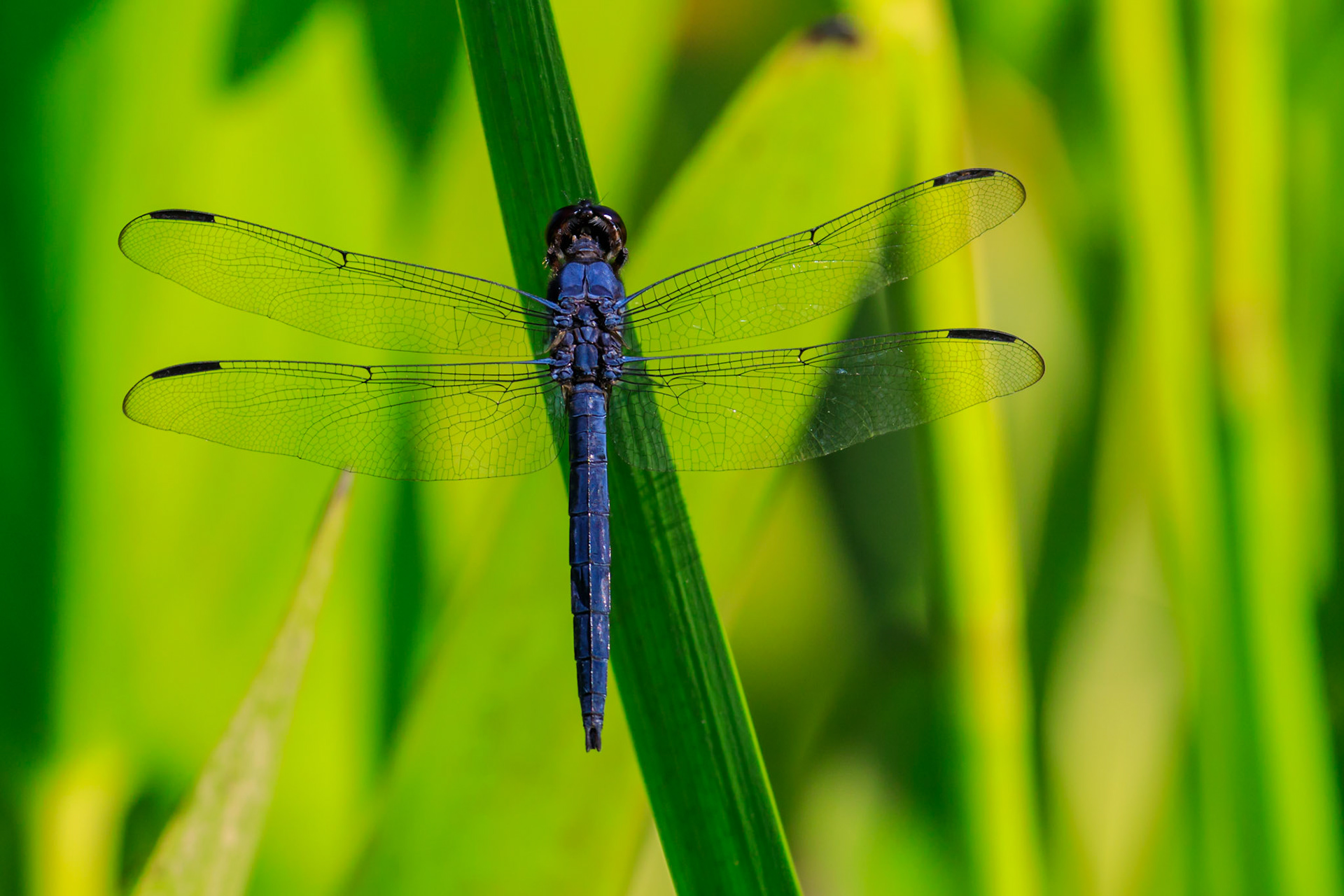
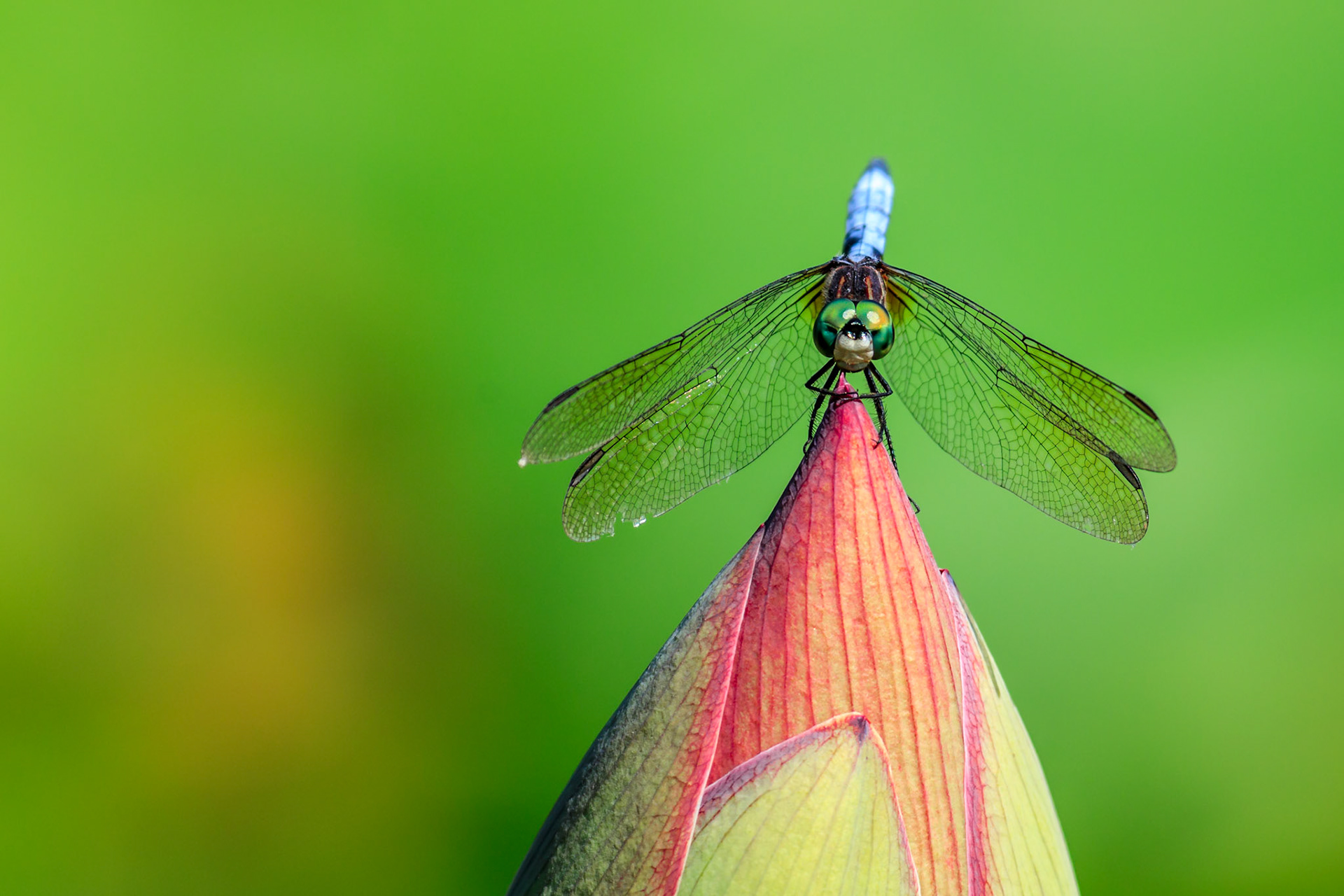
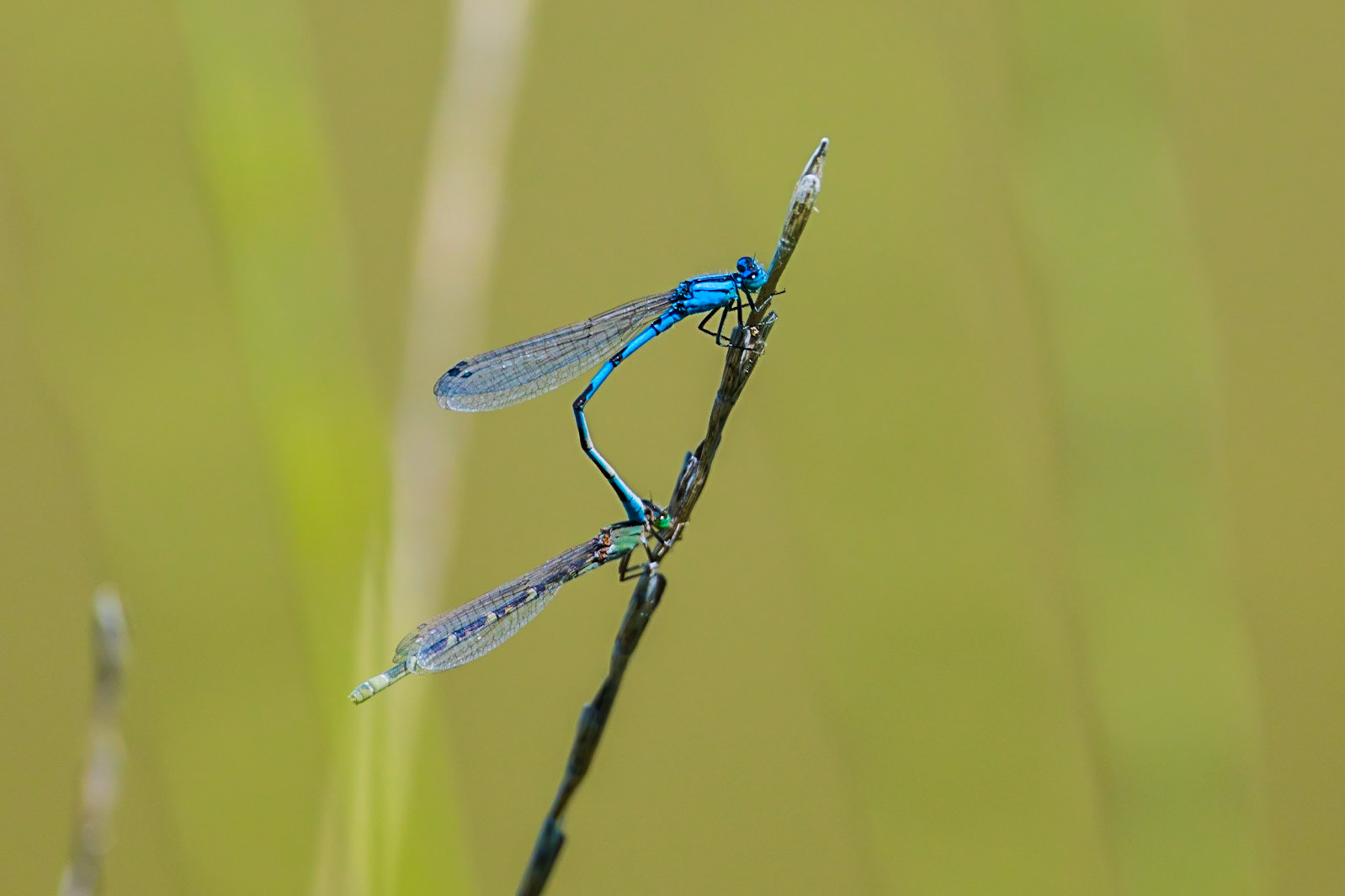
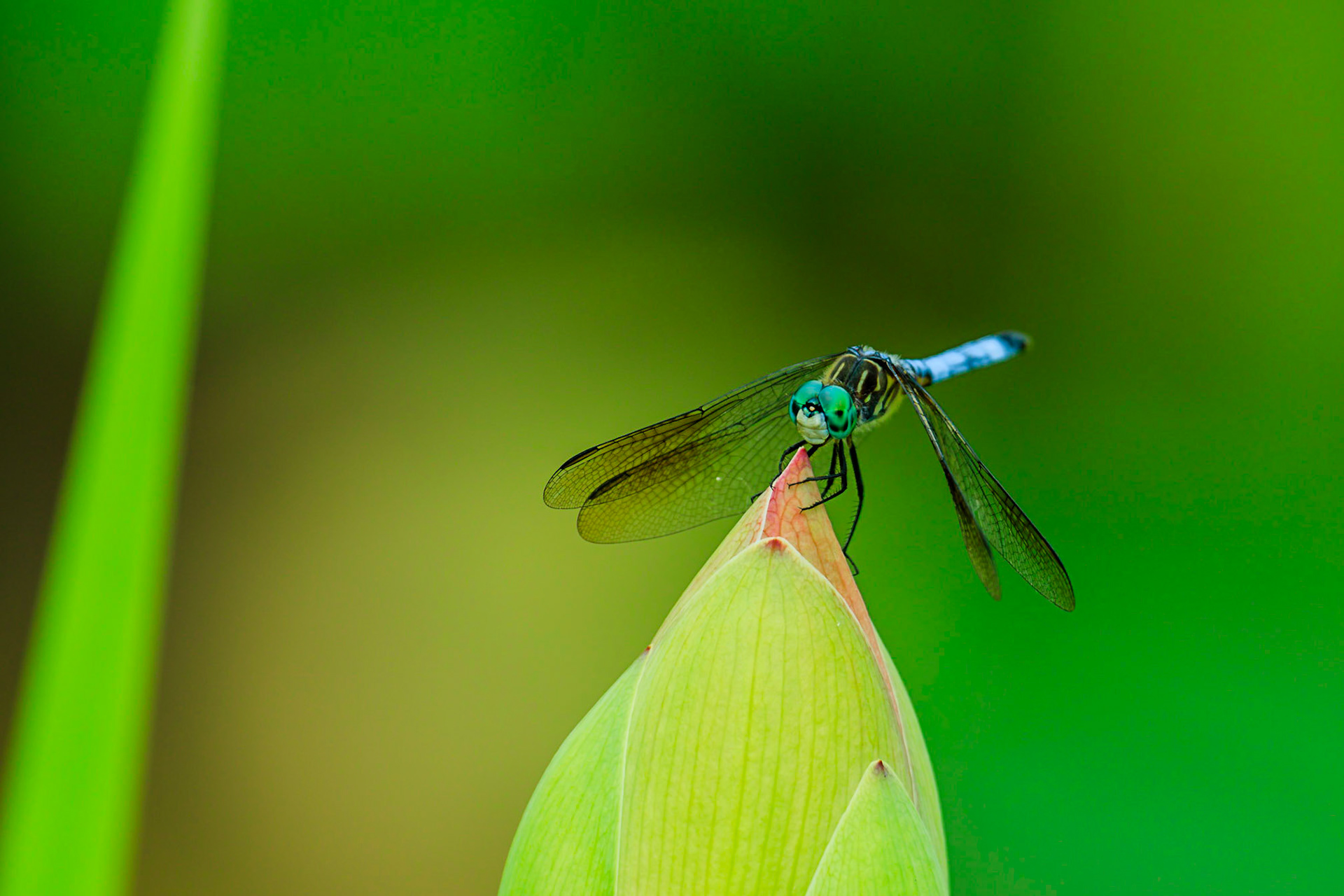
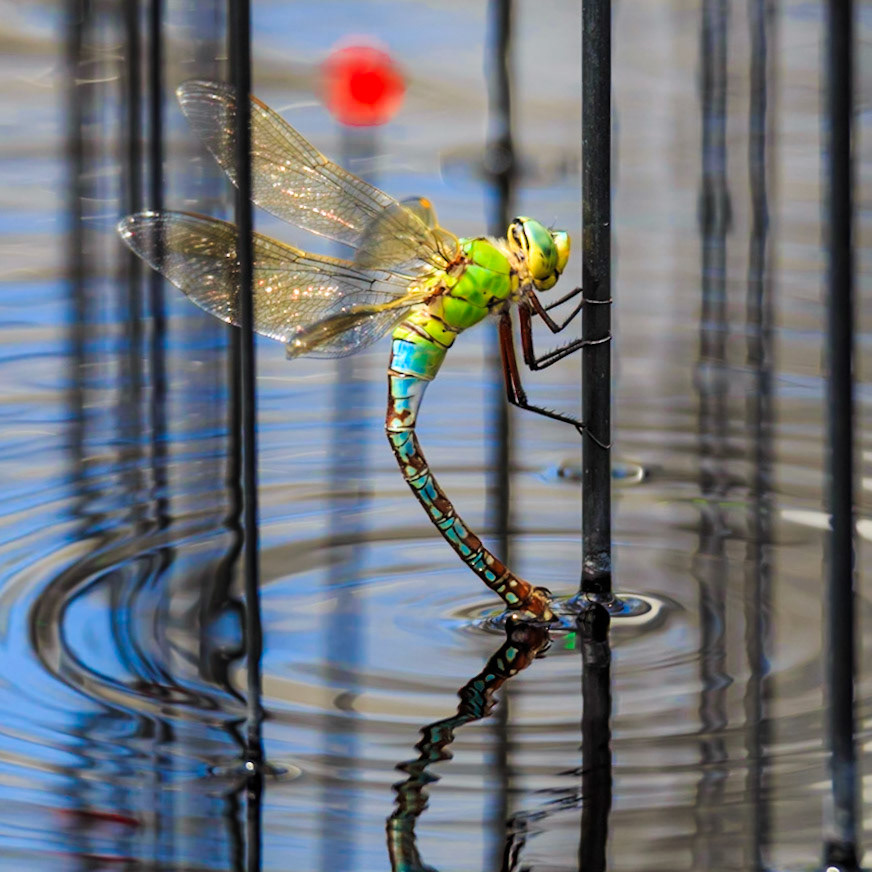
Odonata — Dragonflies & Damselflies
Ancient order with two pairs of long, net-veined wings. Predatory both as aquatic nymphs and flying adults.


Blattodea — Cockroaches & Termites
Termites are now included within Blattodea. Cockroaches are omnivorous scavengers; termites are social and feed on cellulose.
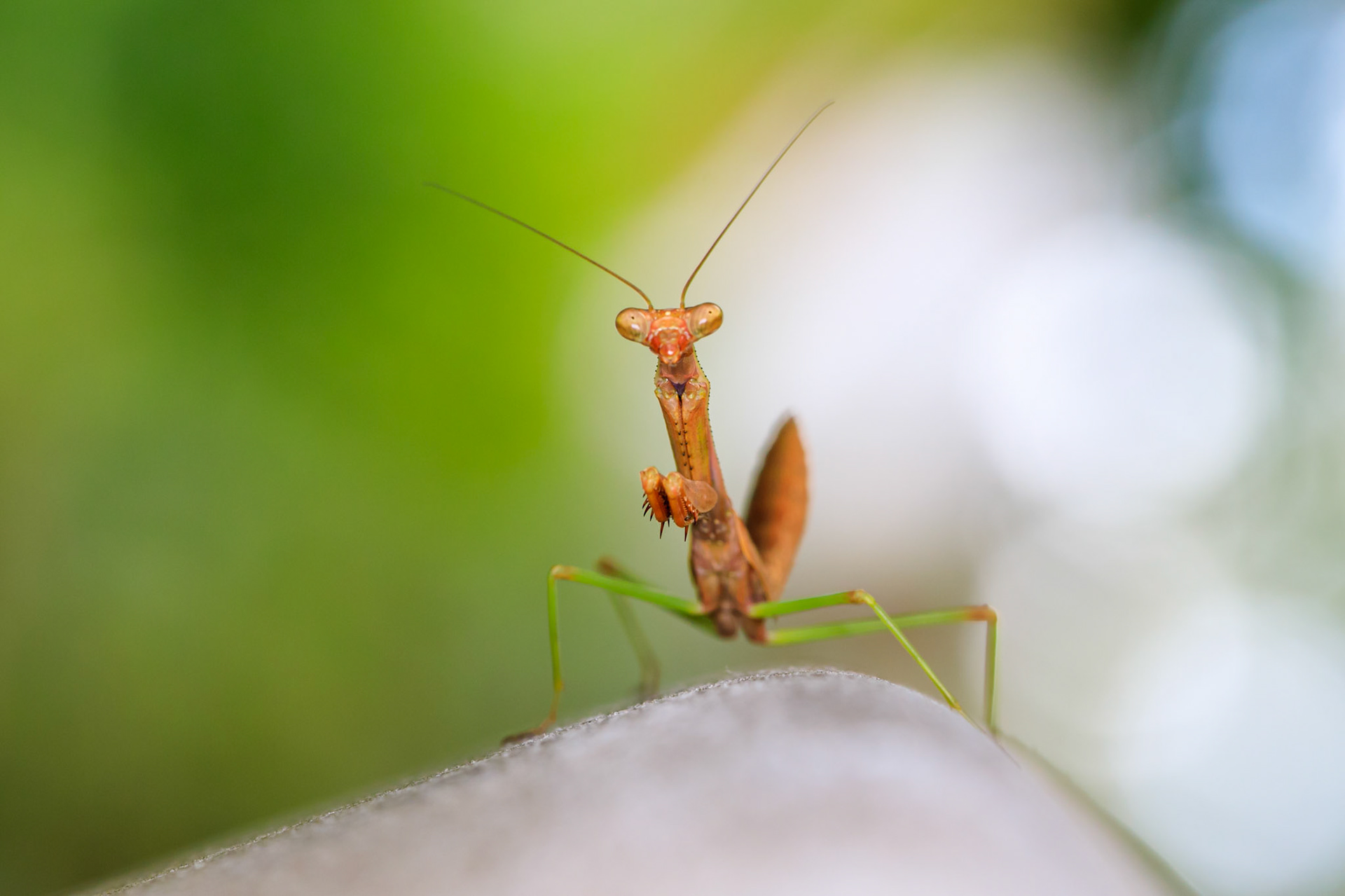
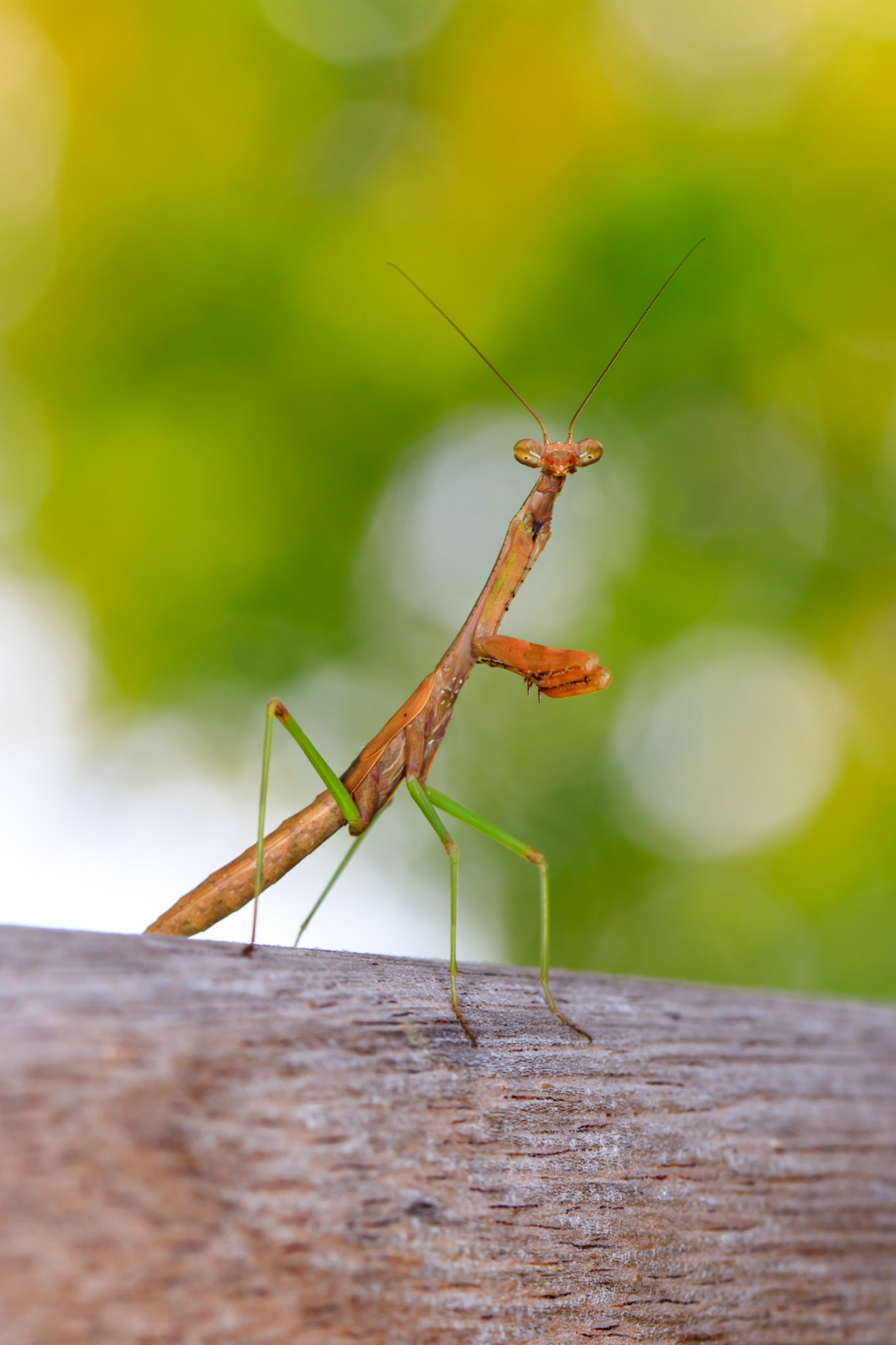
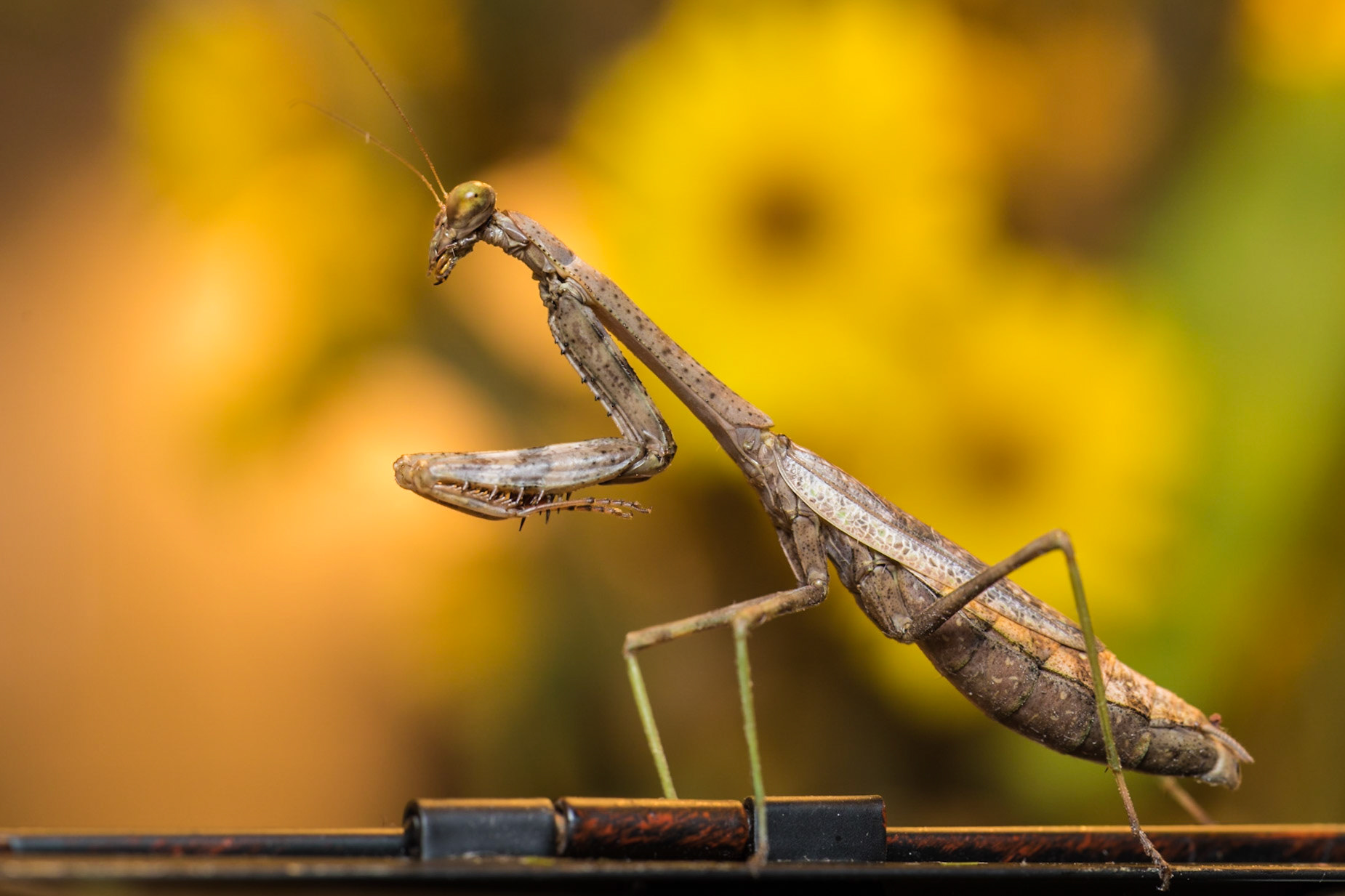
Mantodea — Praying Mantises
Predatory insects with raptorial forelegs. Excellent camouflage and ambush hunting behavior.
Phasmatodea — Stick & Leaf Insects
Masters of camouflage, mimicking twigs or leaves. Mostly herbivorous; many species are nocturnal.
Neuroptera — Lacewings, Antlions
Soft-bodied insects with net-veined wings. Larvae are voracious predators (e.g., aphid lions).
Ephemeroptera — Mayflies
Primitive winged insects with short adult lifespans. Aquatic nymphs are important indicators of water quality.
Zygentoma — Silverfish & Firebrats
Wingless, primitive insects with elongated bodies and three tail filaments. Prefer moist environments and feed on starchy materials.