Our first trip to Asia
Japan was our 34th country together and our inaugural trip to Asia — our 5th continent. Our itinerary had us starting in Tokyo and traveling to Hiroshima, Onomichi, Omishima Island, Kyoto, Nara, Osaka, Koyasan, and then back to Tokyo over 17 days.
Highlights were:
- Japanese food and the chance to try a bunch of new dishes.
- Attending a Sumo tournament.
- Riding the Shimanami Kaido route from island to island as we made our way from Onomichi to Imabari. This was Kara’s first overnight bikepacking experience!
- Staying with monks at the Souji-in Temple in Koyasan, where we got to eat traditional shojin ryori (Buddhist vegetarian cuisine) and experience our first onsen hot spring bathing.
- Exploring cities on LUUP rideshare electric-assist bikes. In total, we rented them 24 times and rode 64 miles around Tokyo, Hiroshima, Kyoto, and Osaka.
- Exploring the beautiful castles, temples, shrines, and gardens.
- Visiting museums: the Hiroshima Peace Memorial Museum, the Osaka Aquarium, and the teamLab Planets exhibits in Tokyo.
- A hike up Mt. Misen and the easier hike up through the thousands of gates on Mt. Inari.
- Japan’s incredible public transportation. We got to experience our first bullet train rides (Shinkansen) and really liked the trains, metros, and buses.
- The adorable school children. Seeing 6-year-olds walking to school and taking the trains entirely without parents is so wild to see.
Tokyo - 5 Days
We had a 14 hour non-stop flight from Washington (IAD) to Tokyo (HND) and started our trip with 4 nights in Tokyo so we could acclimate to the time change and the culture. We also spent our last night in Tokyo before flying home. We didn't have a lot of plans for Tokyo other than we were going to catch a Sumo Tournament and visit the Team Labs Planets exhibit.
Imperial Palace — This was only a few blocks from our hotel and a great place to start our Tokyo sight seeing. We only saw the palace from outside the grounds, which is understandable since the Emperor of Japan lives there. They have some gardens that you can view for free, but our favorite part was the 5k running loop around the perimeter. We ran it two mornings in a row and really appreciated being able to run in a major city without stoplights, traffic, or intersections.
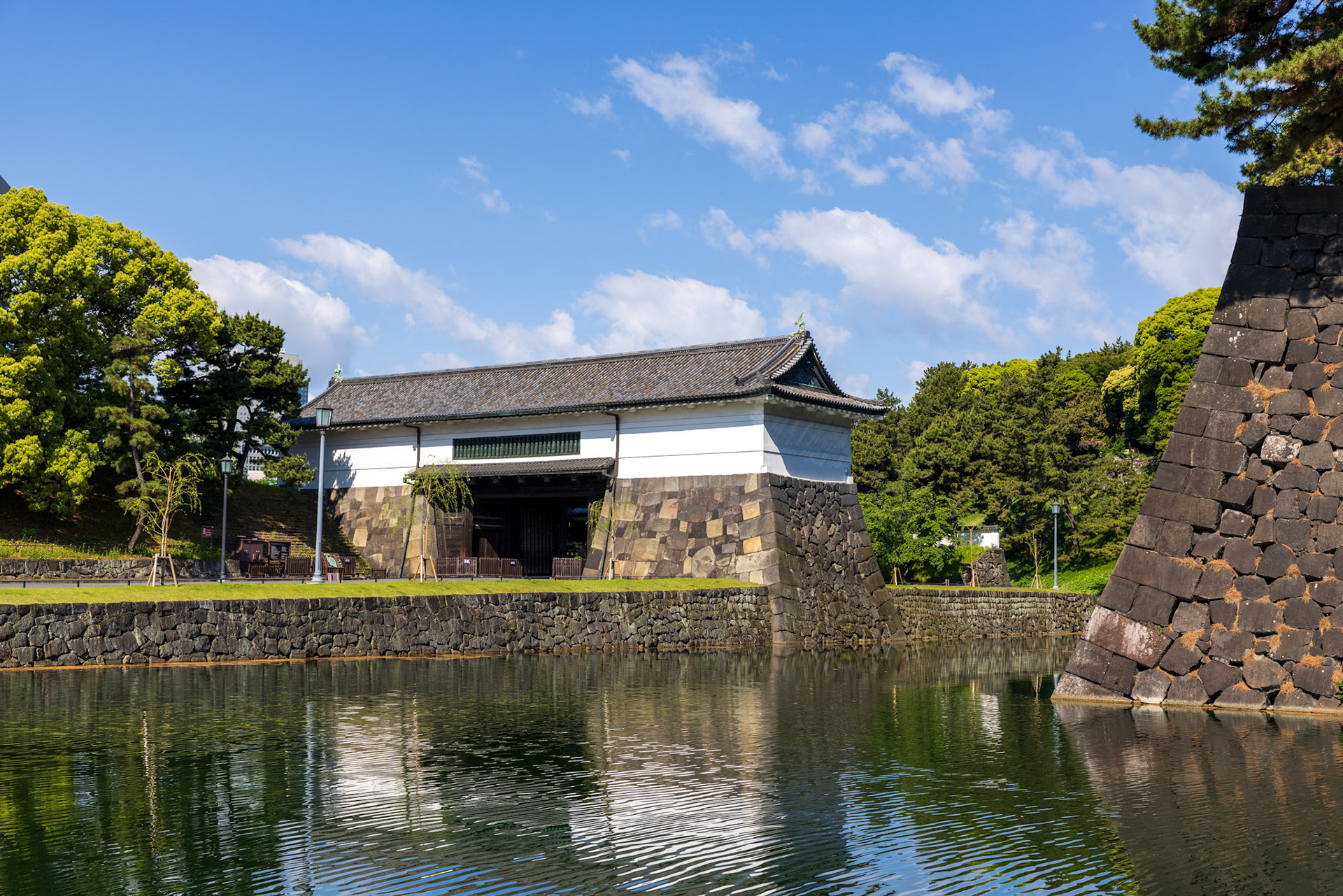
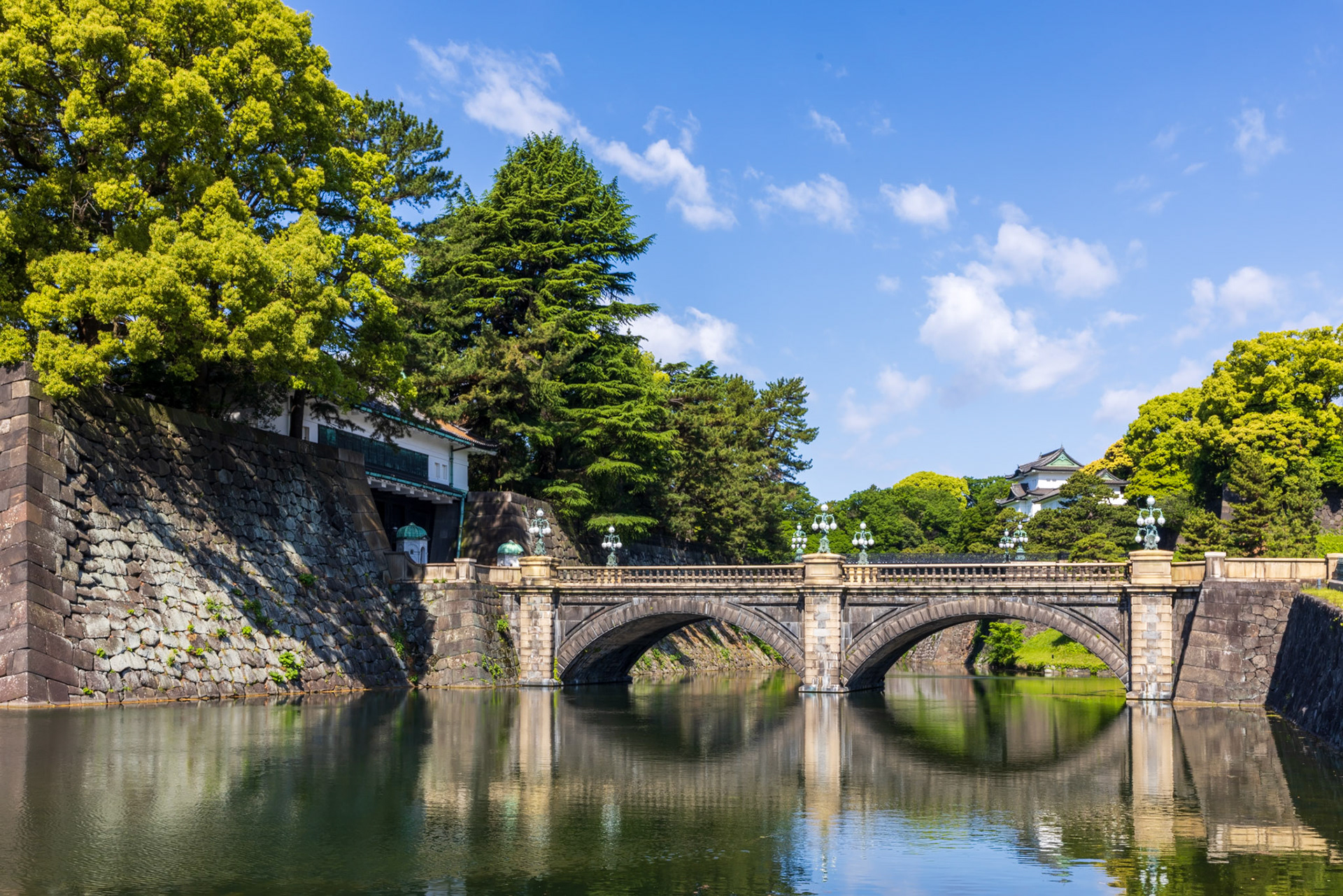
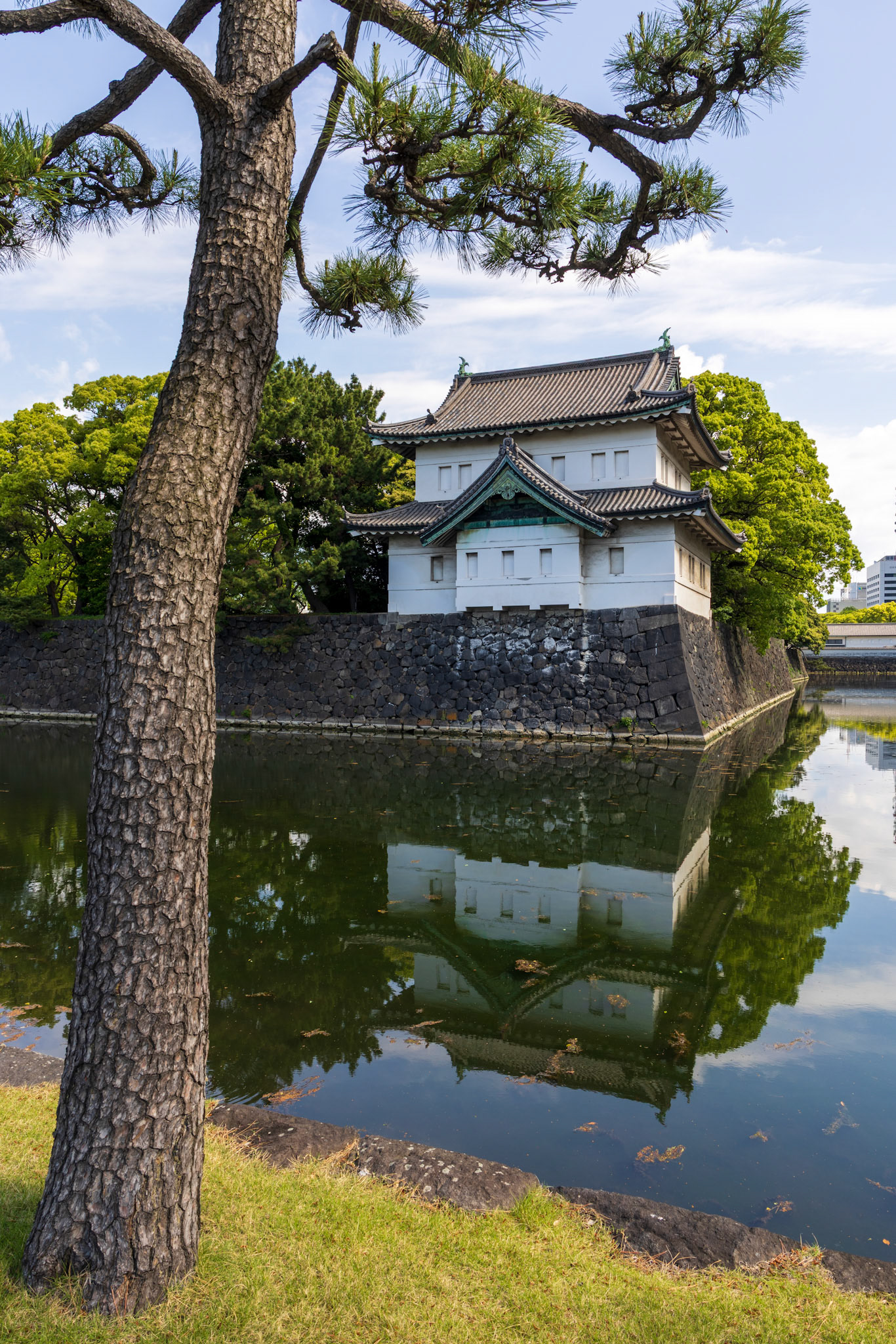

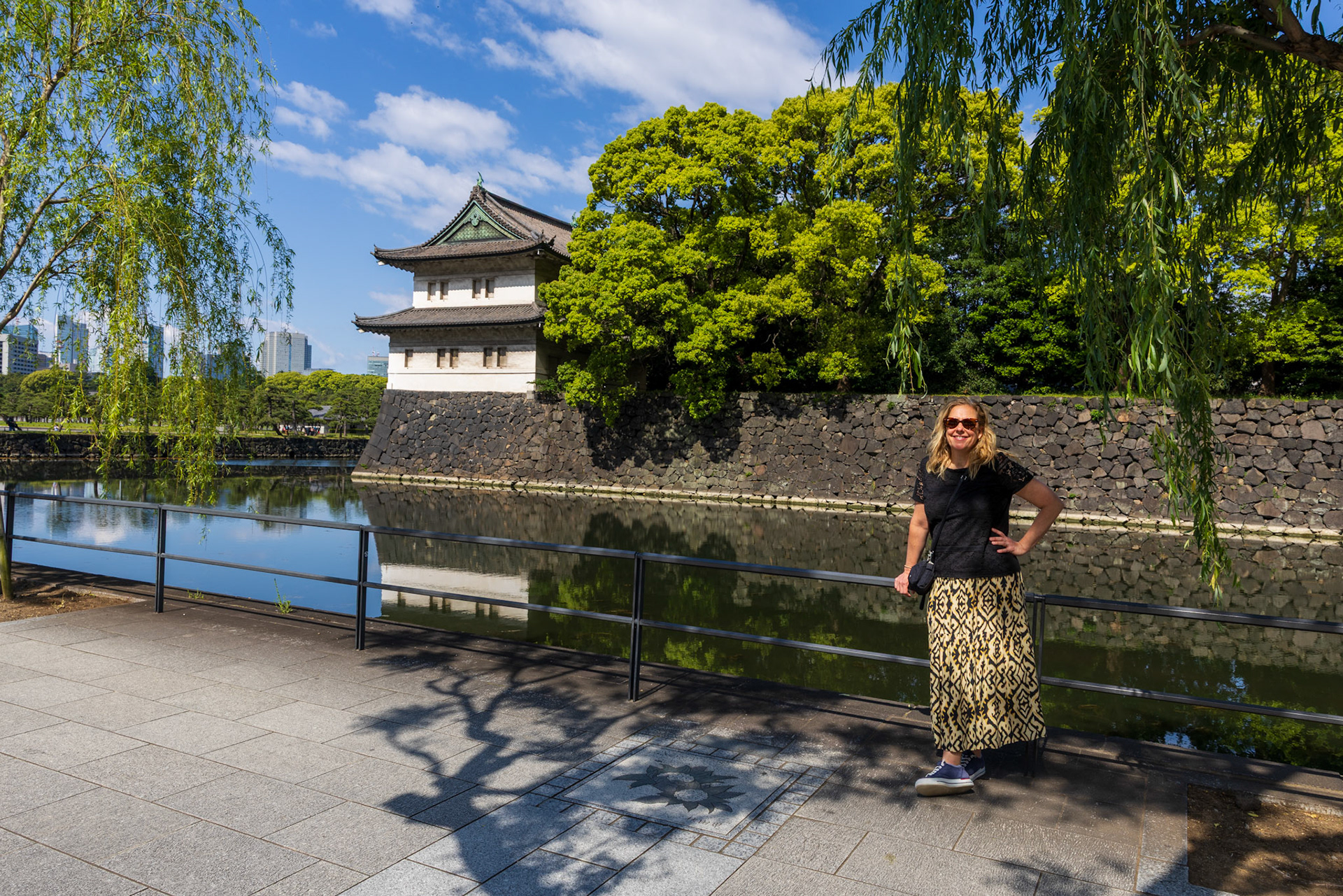


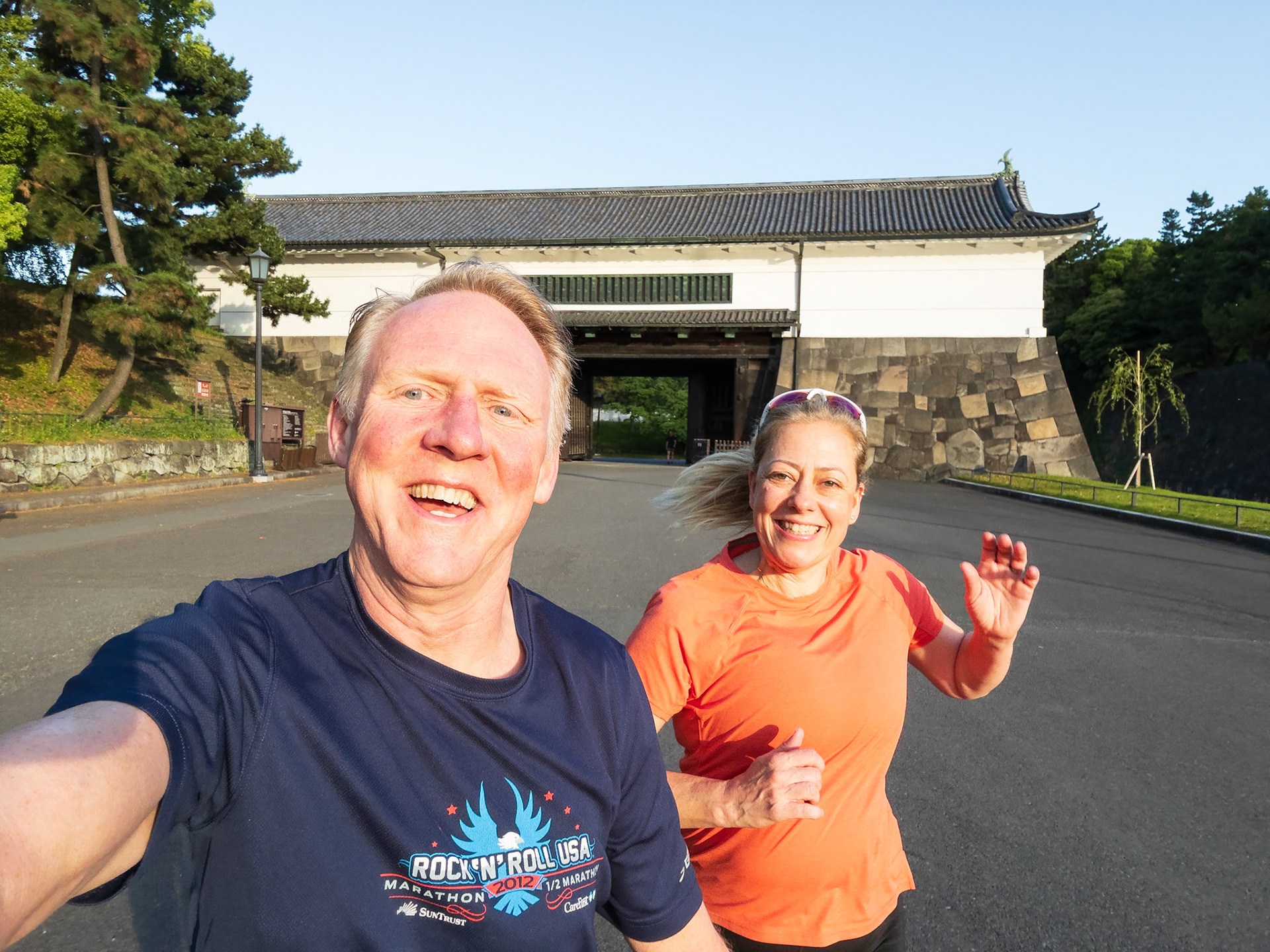
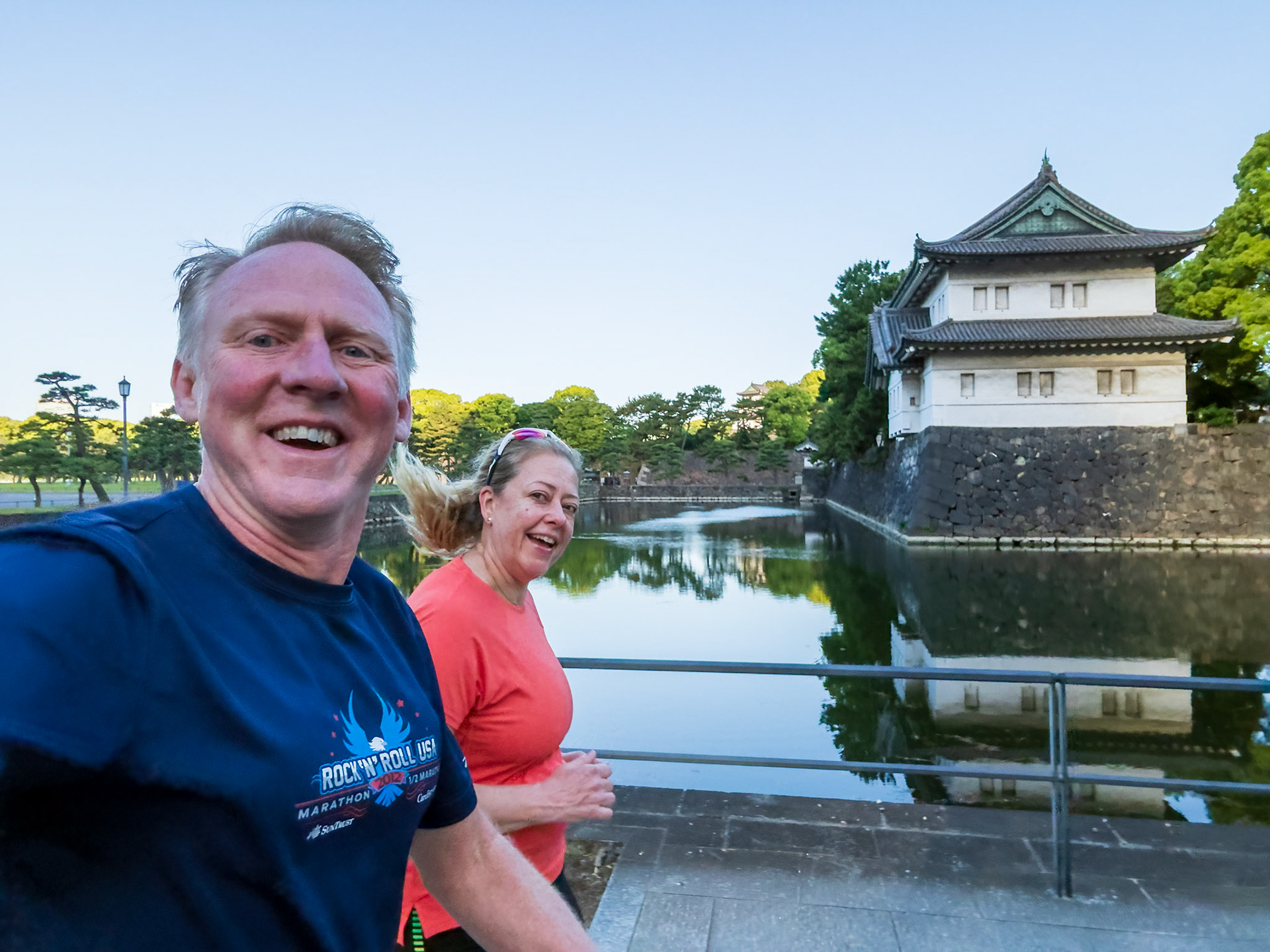
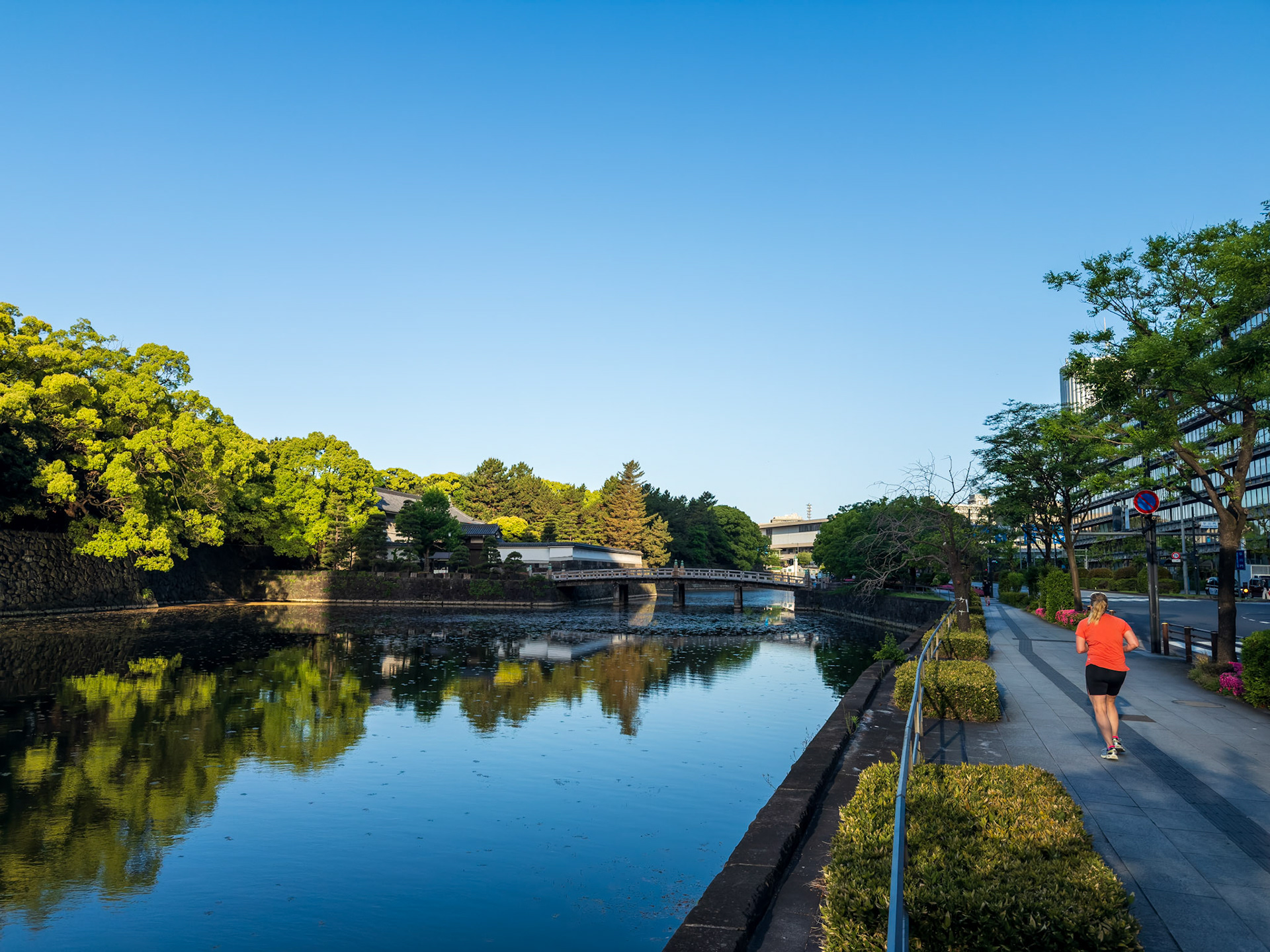
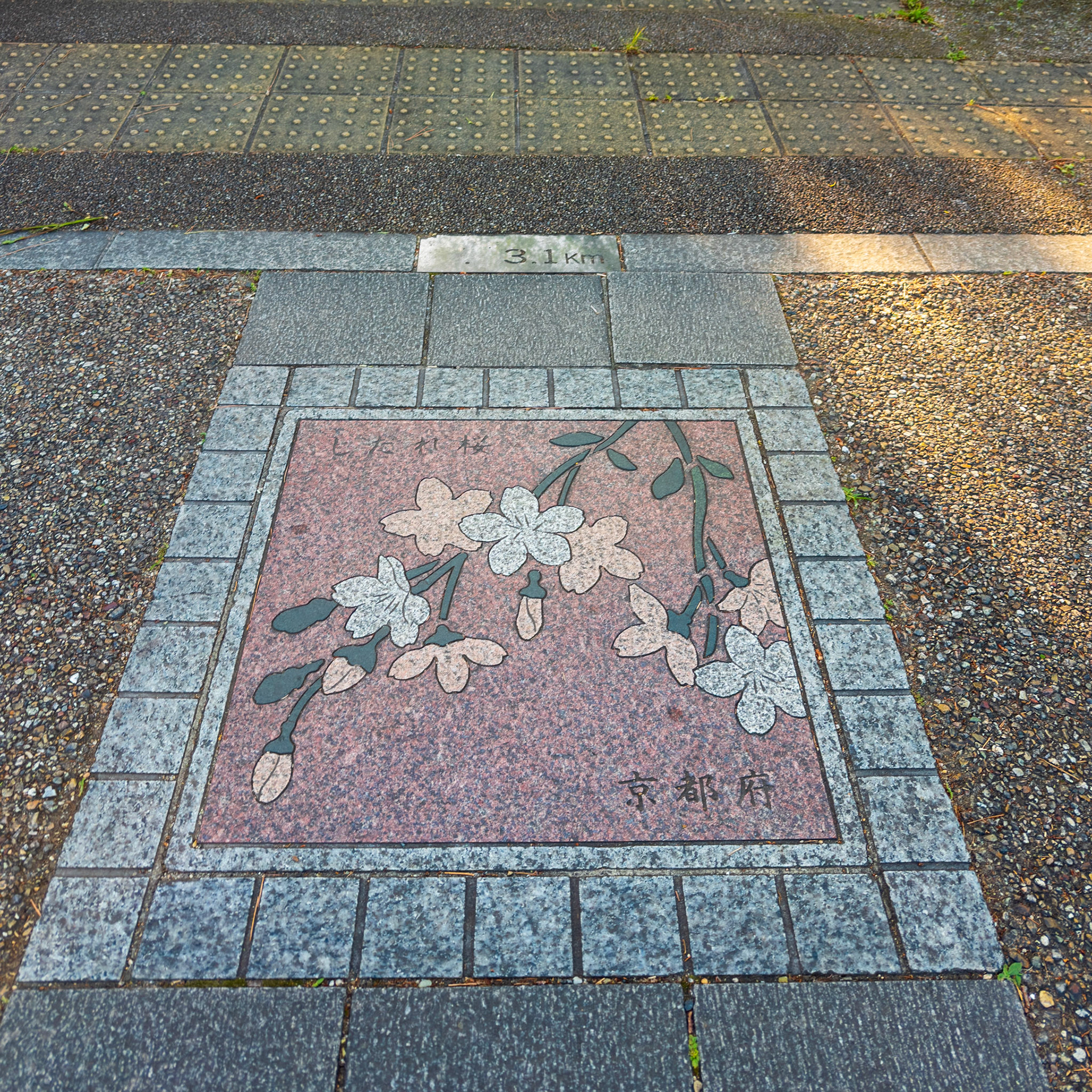
The running loop had unique markers each .1K
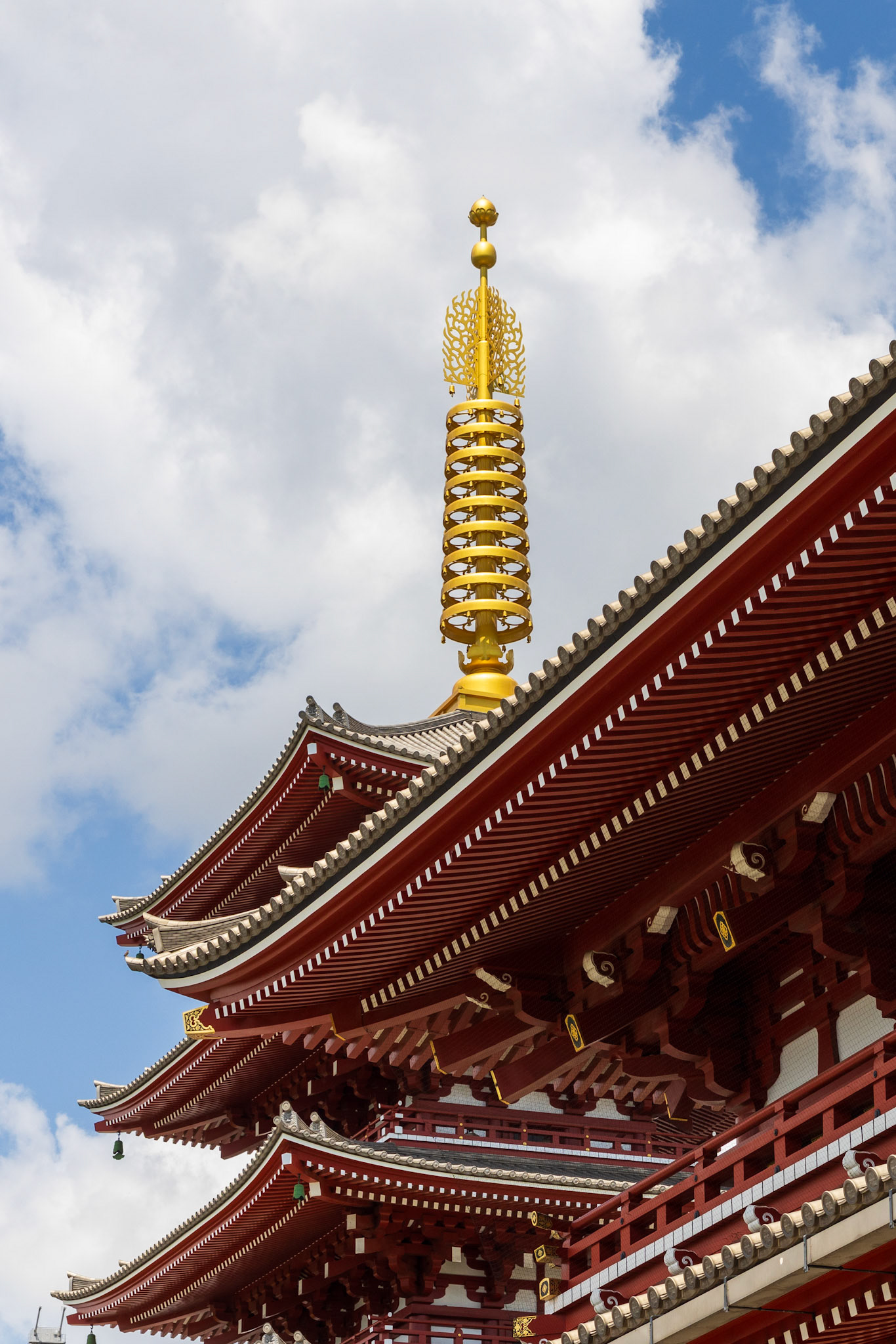
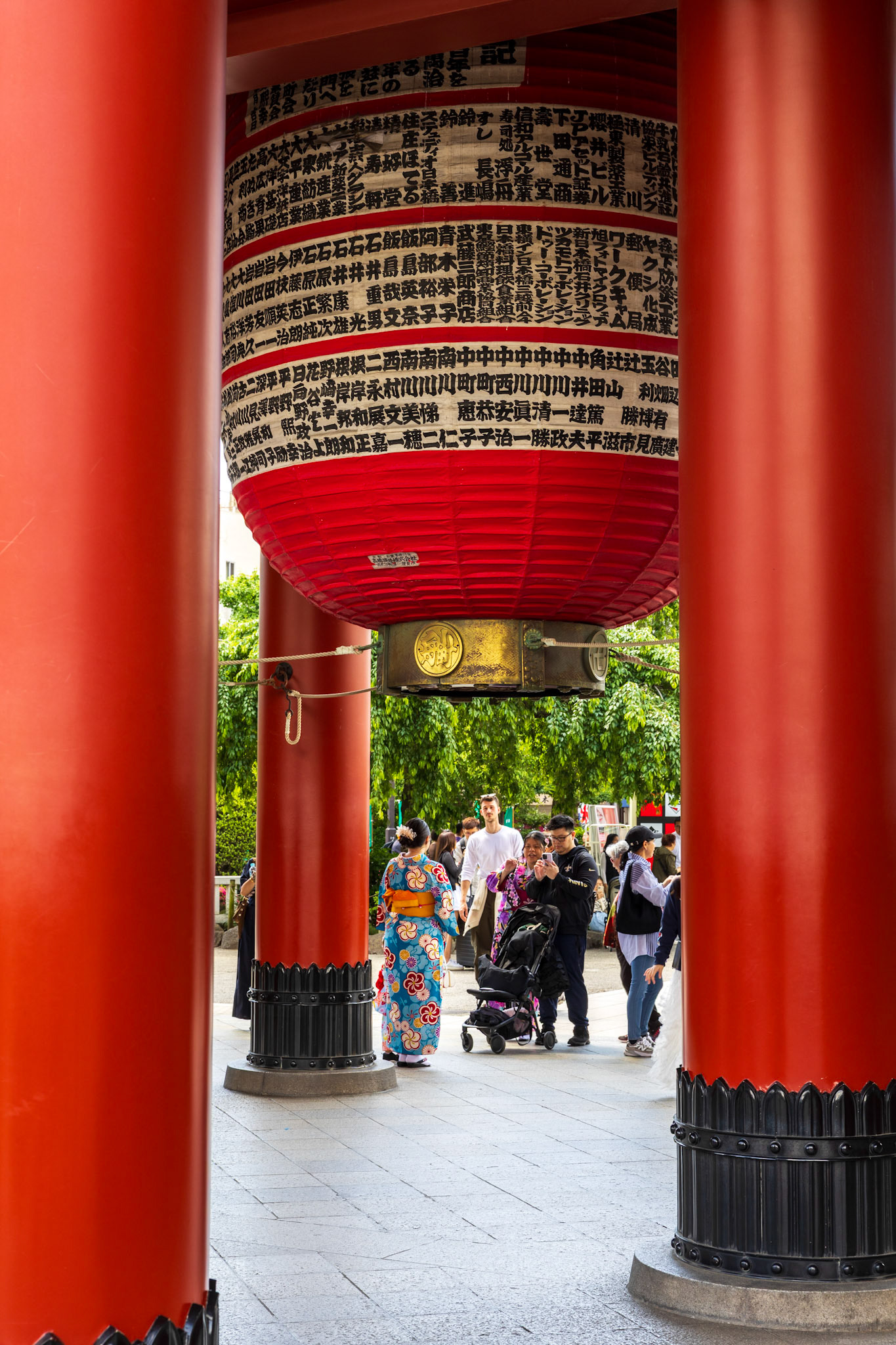
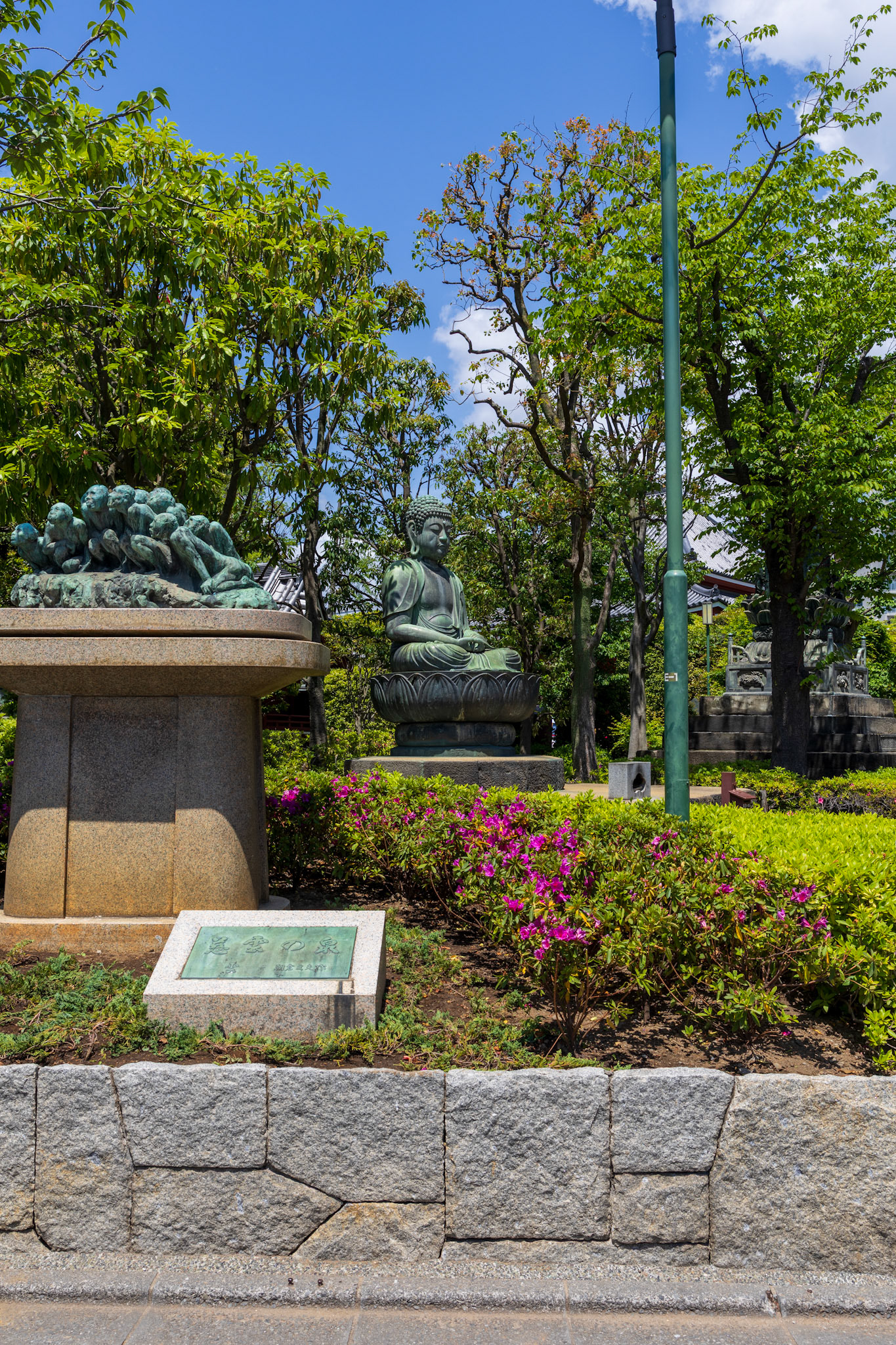
Senso-Ji Temple - Before the Sumo Tournament we rode over and checked out this notable Temple not too far from the Sumo Arena.
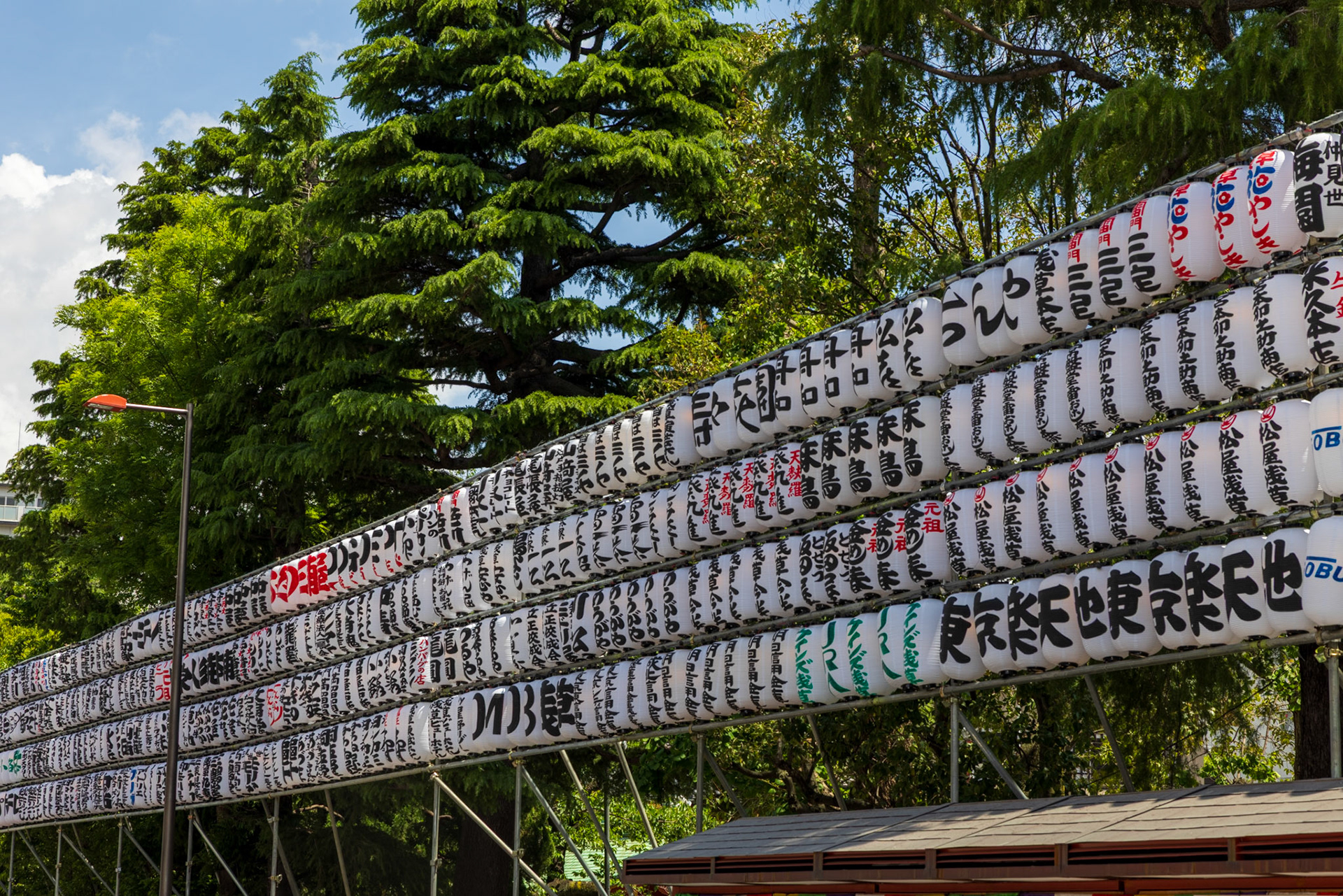
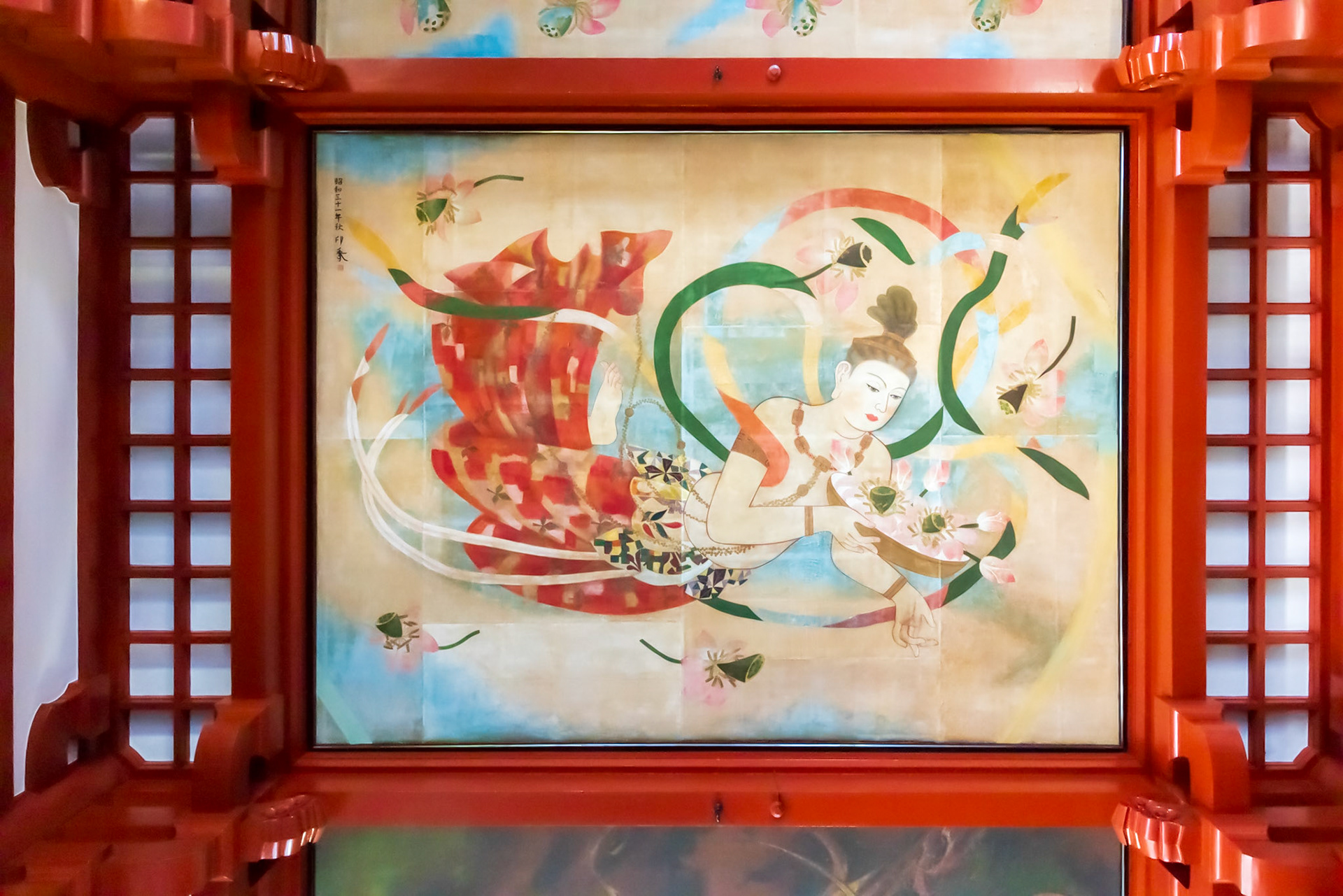

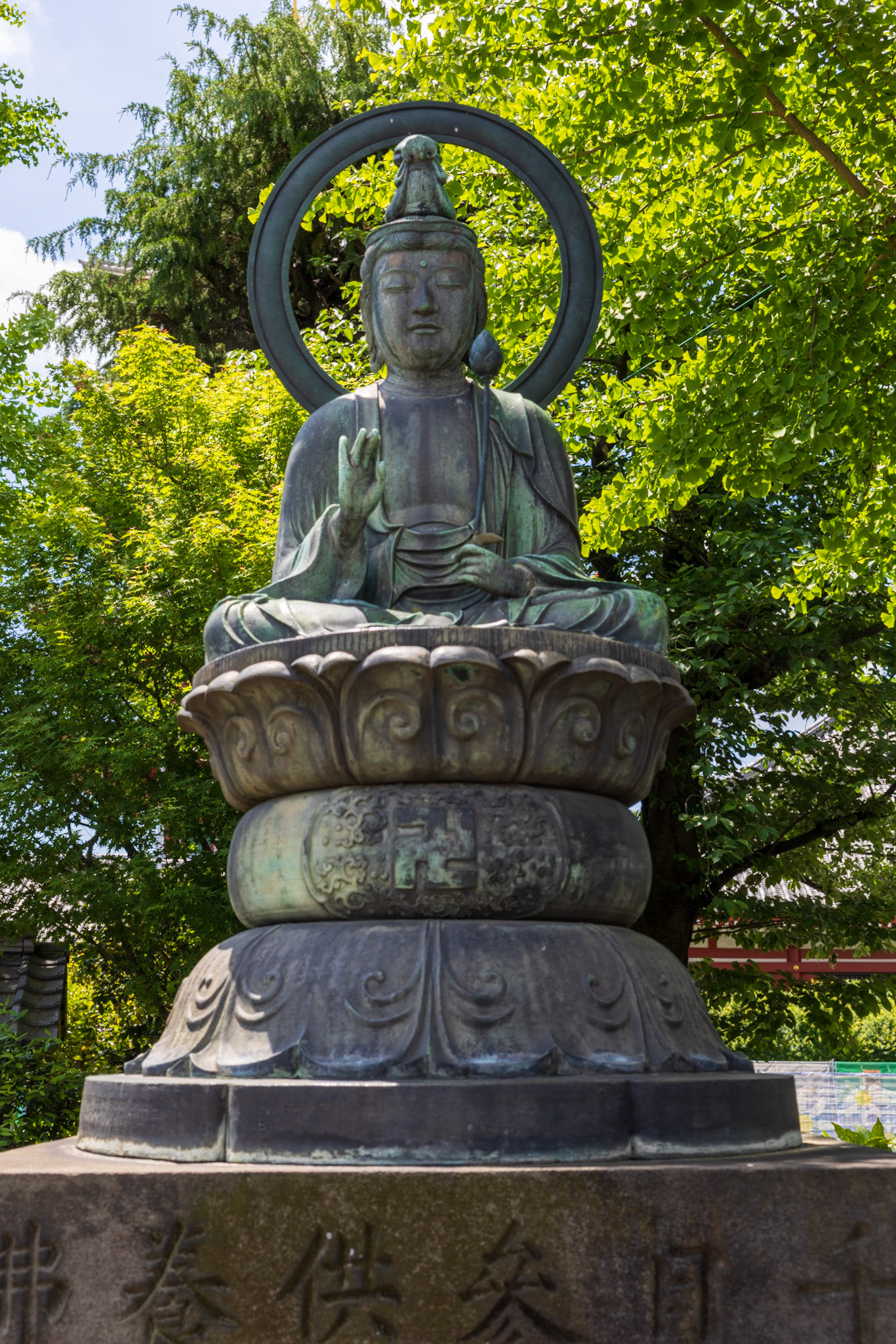
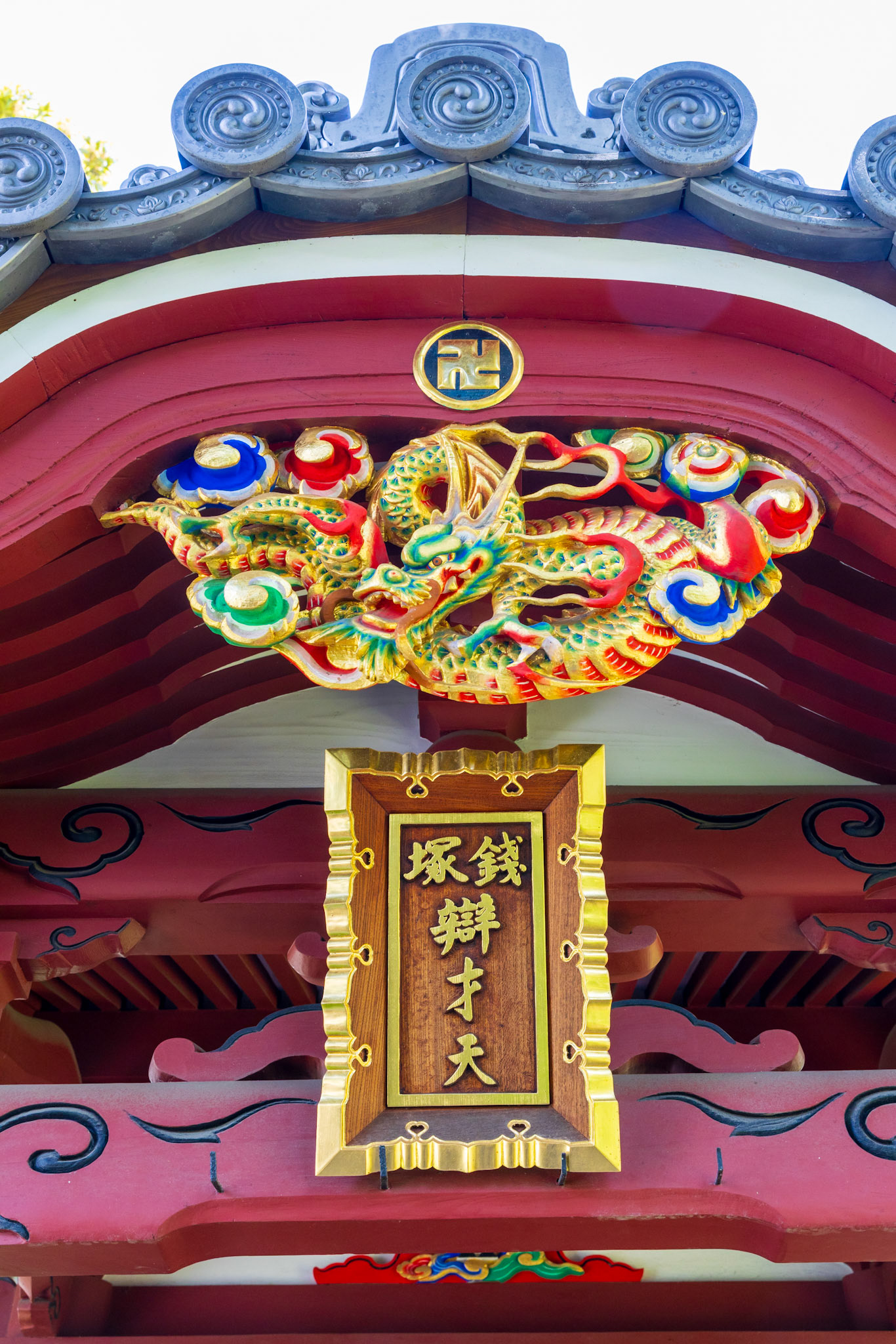


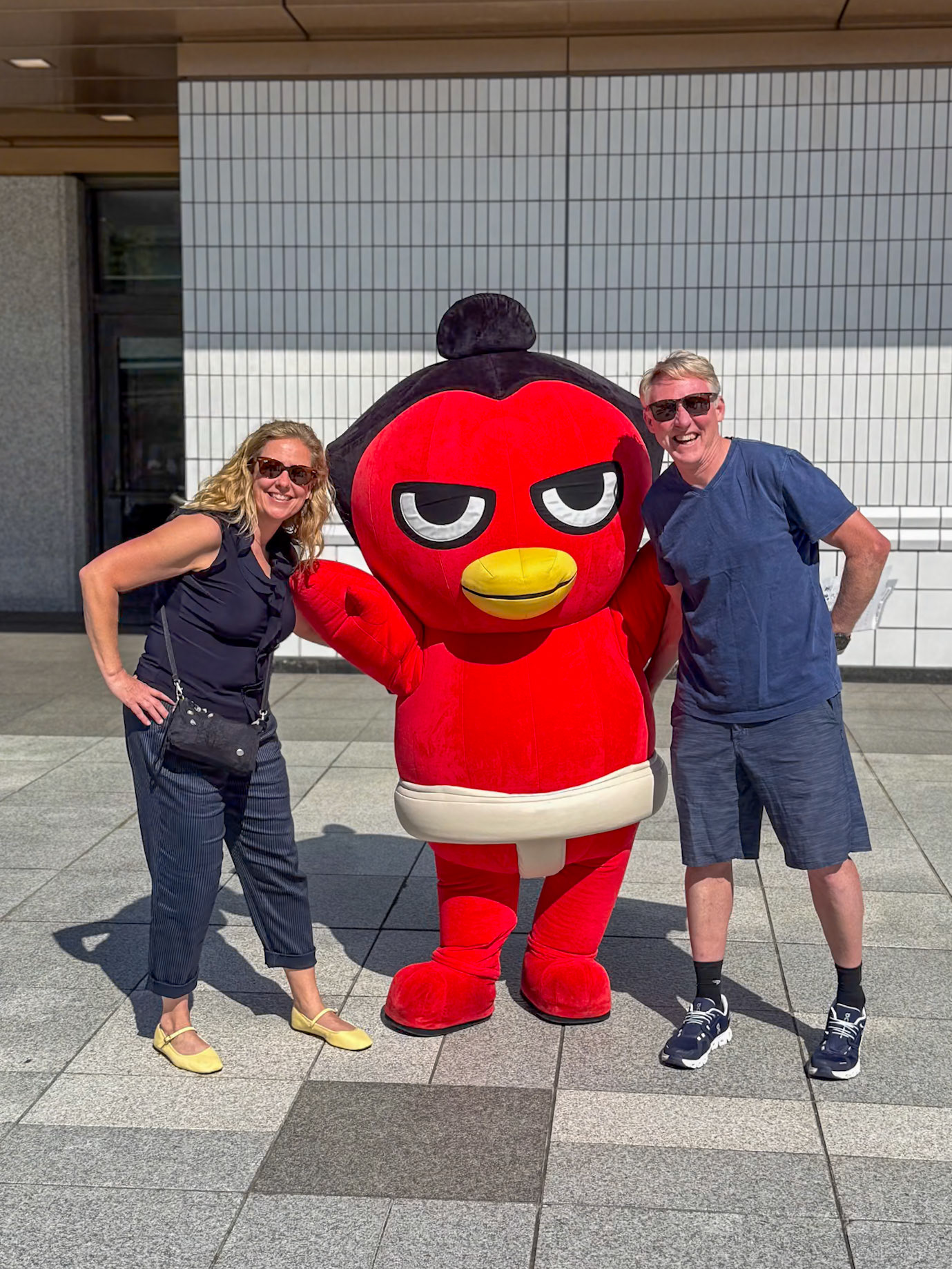
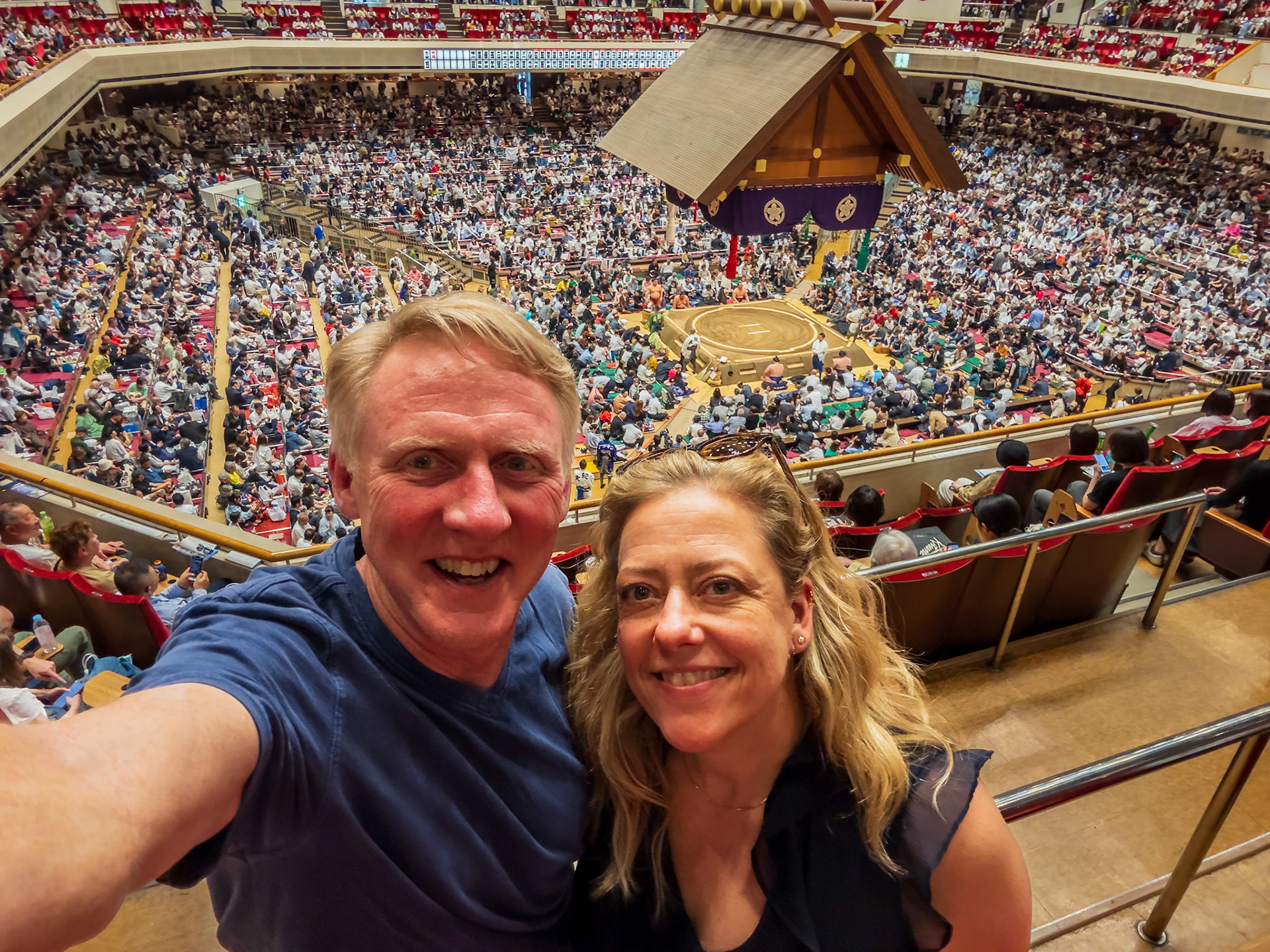
Tokyo Sumo Tournament — We didn't really have an idea of what to expect other than big men wrestling. Fortunately, my friend Bill is a fan of sumo wrestling and provided us with a list of wrestlers to cheer for. Because official Grand Sumo Tournaments are only held in Tokyo for six weeks out of the year, we felt lucky to catch this while we were visiting.
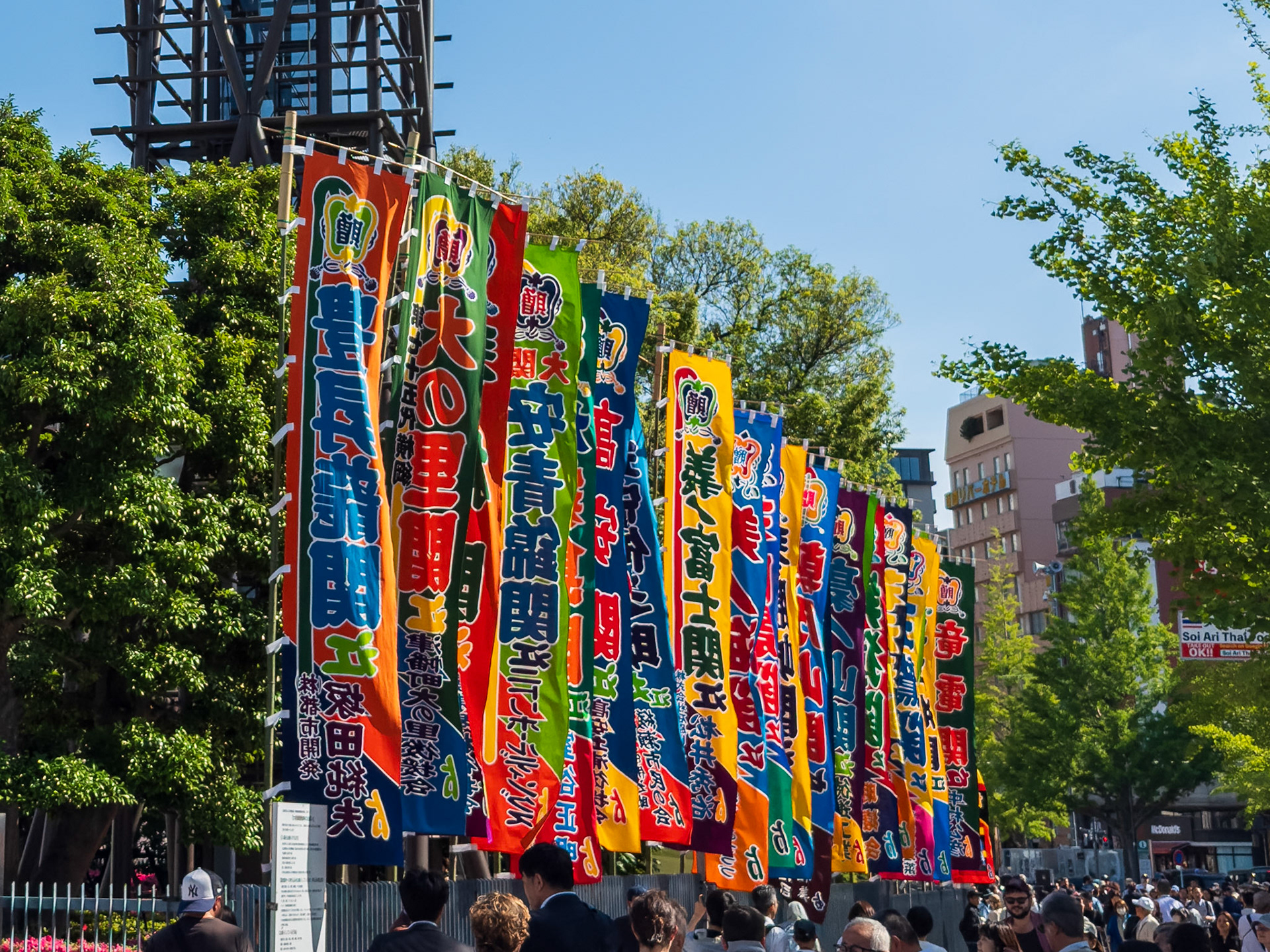
Banners for each of the wrestlers outside the stadium
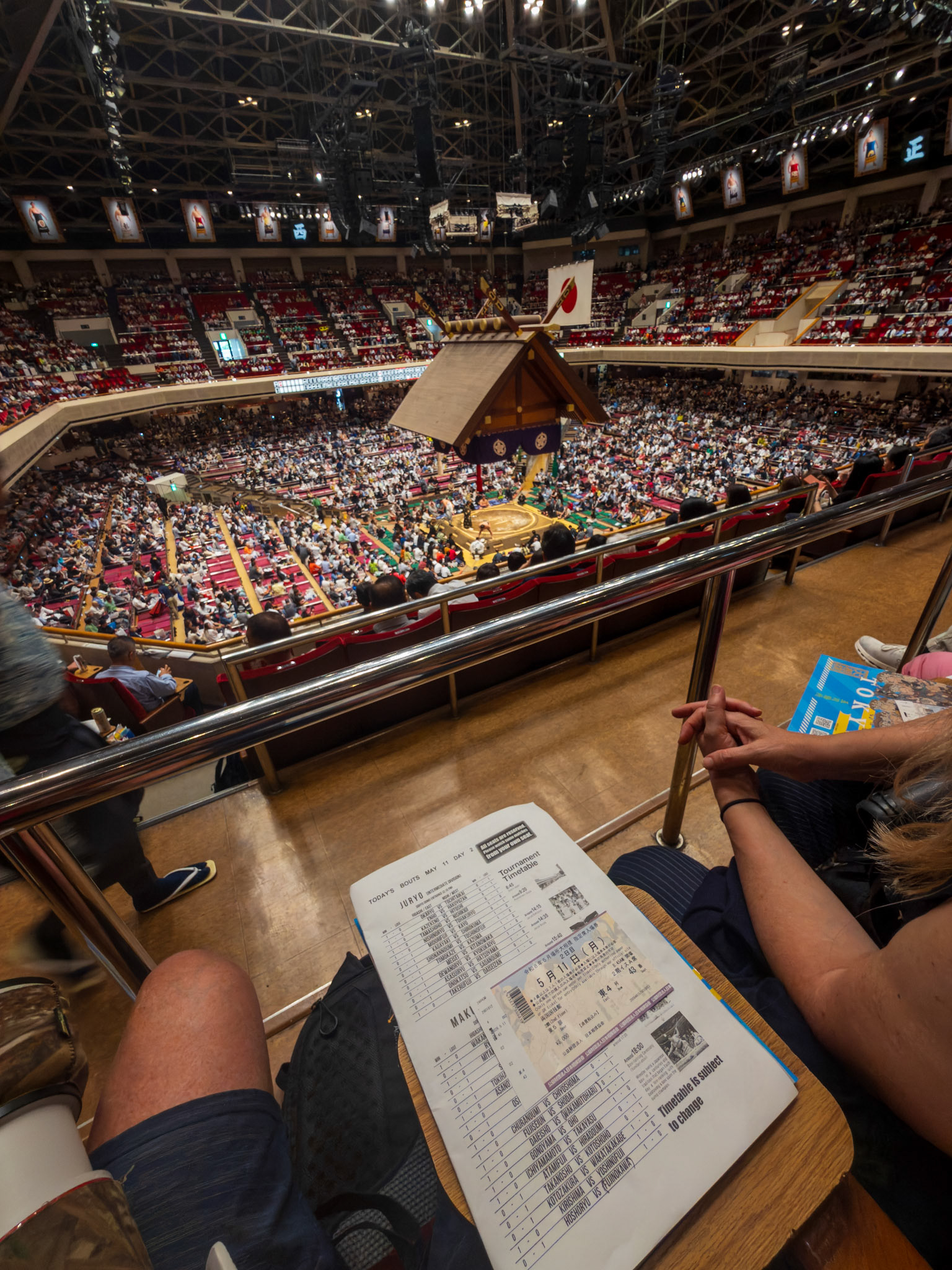
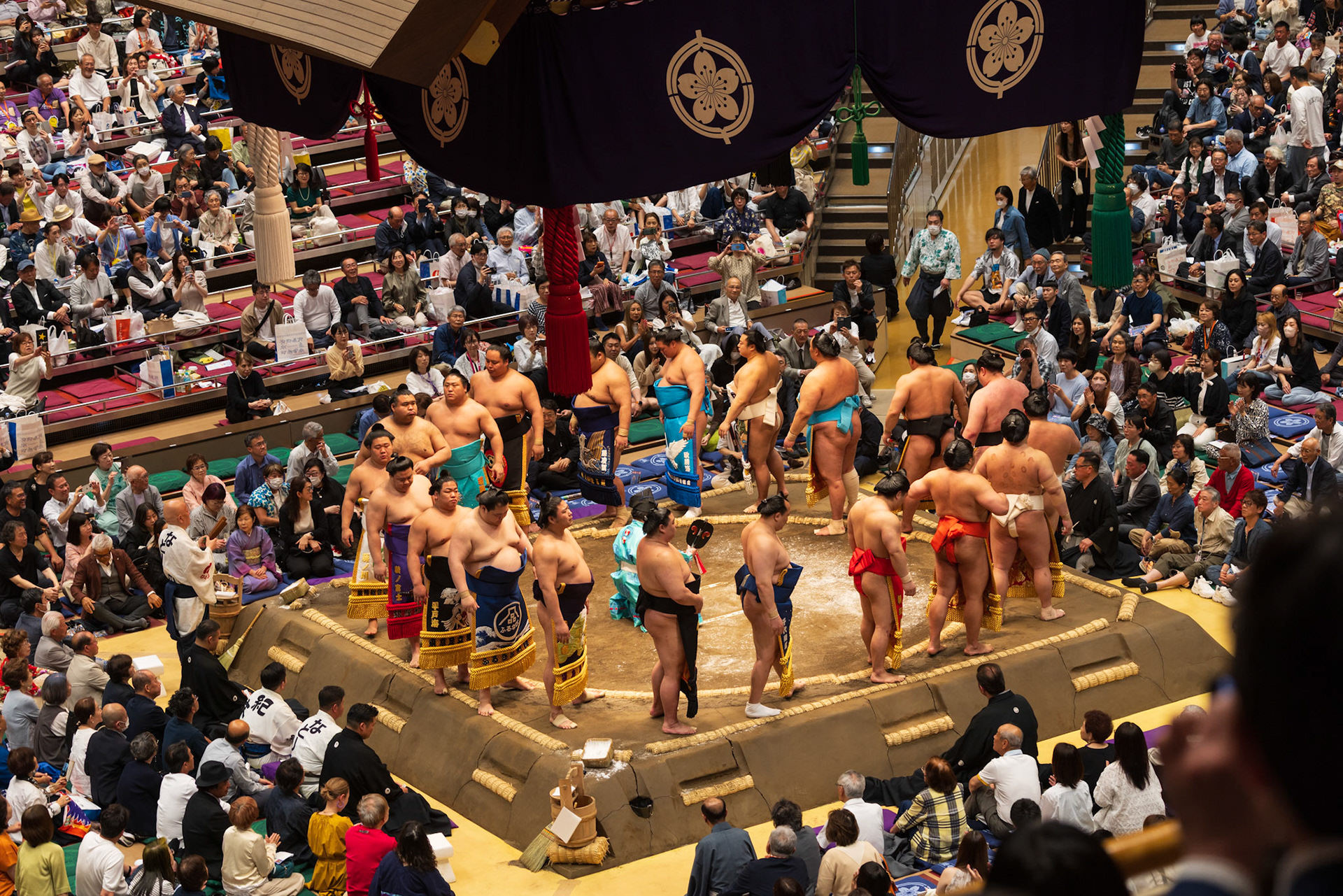
All the wrestlers for the final match

Judges conferring after a close match
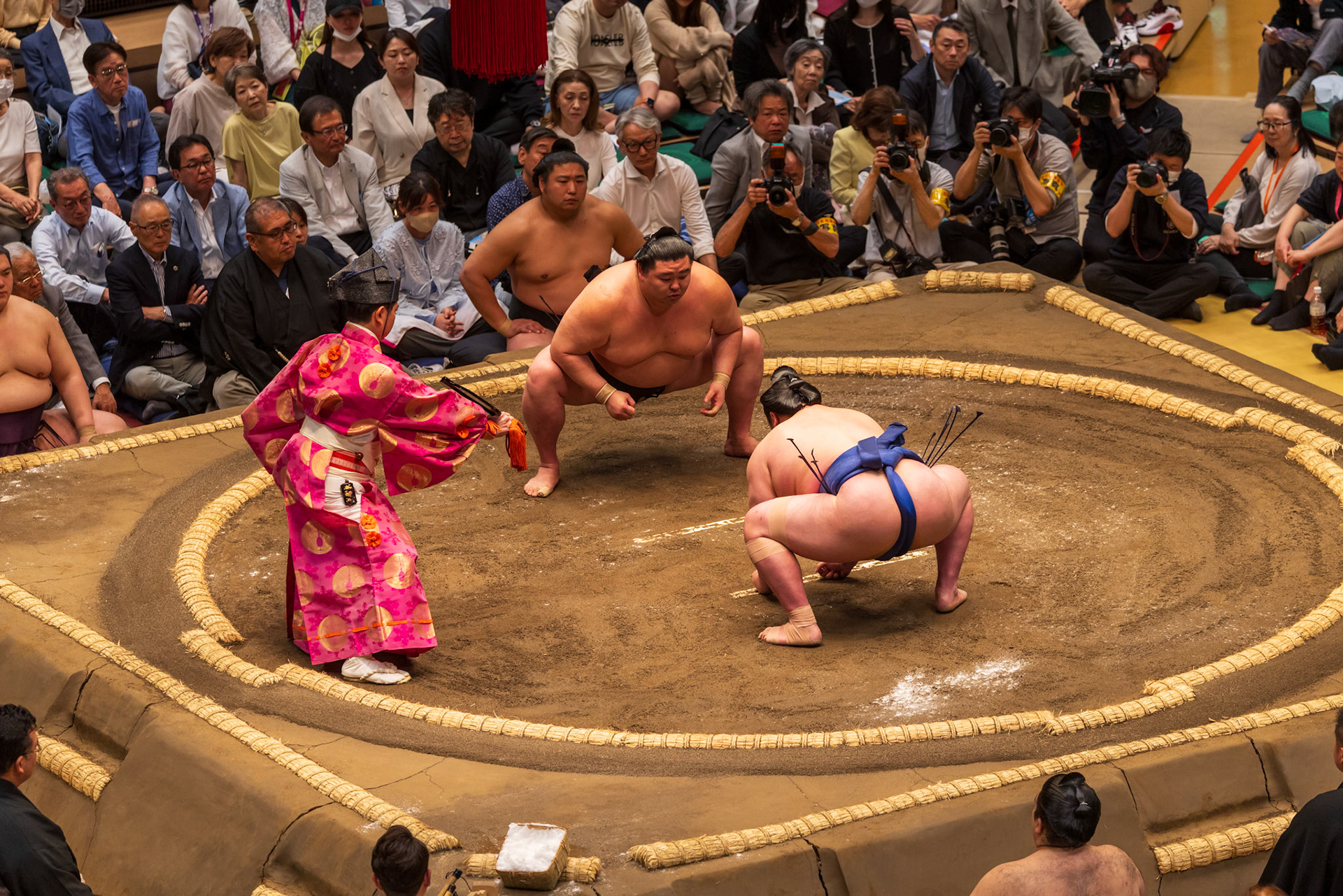
About to fight
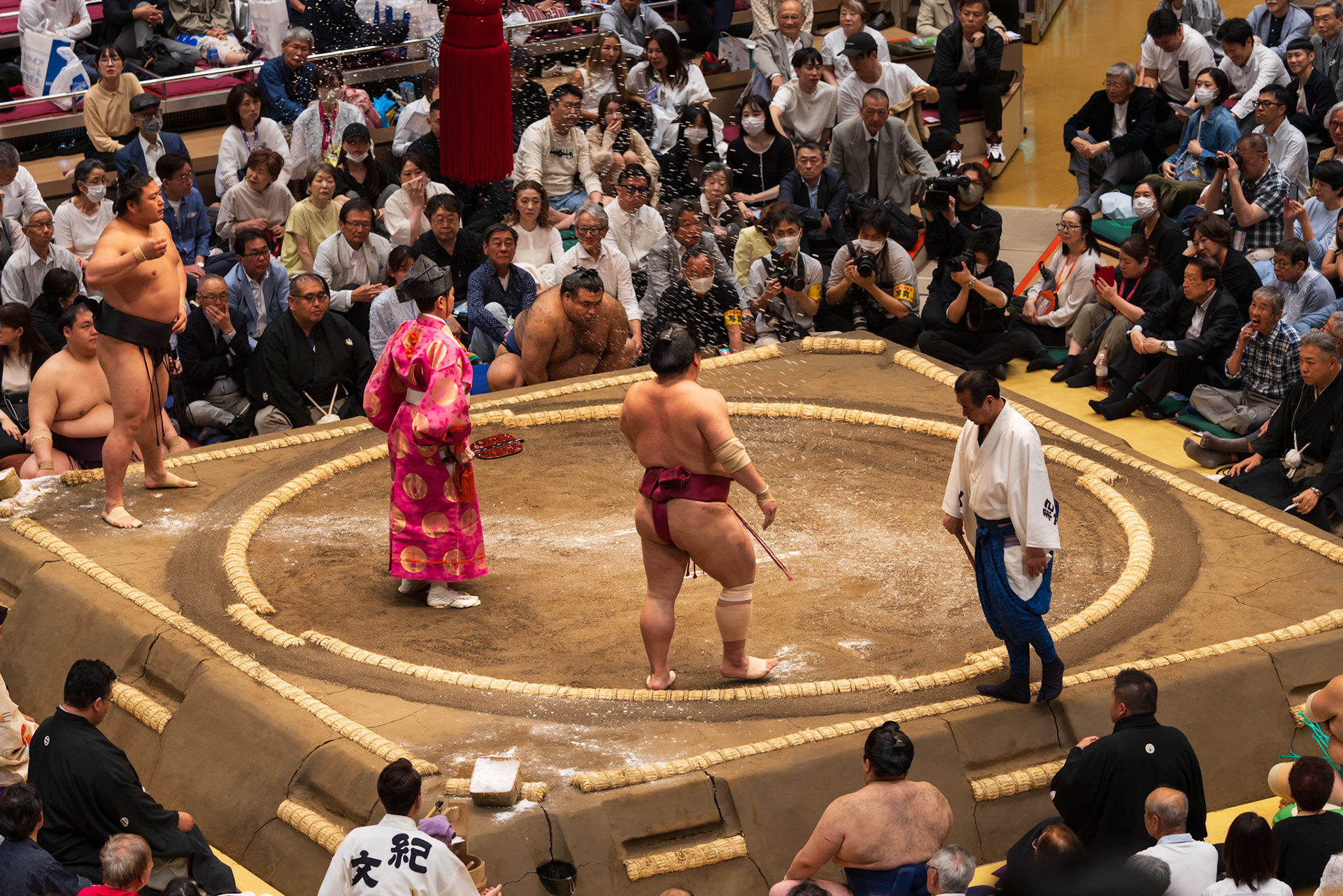
Wrestlers throwing salt before their match
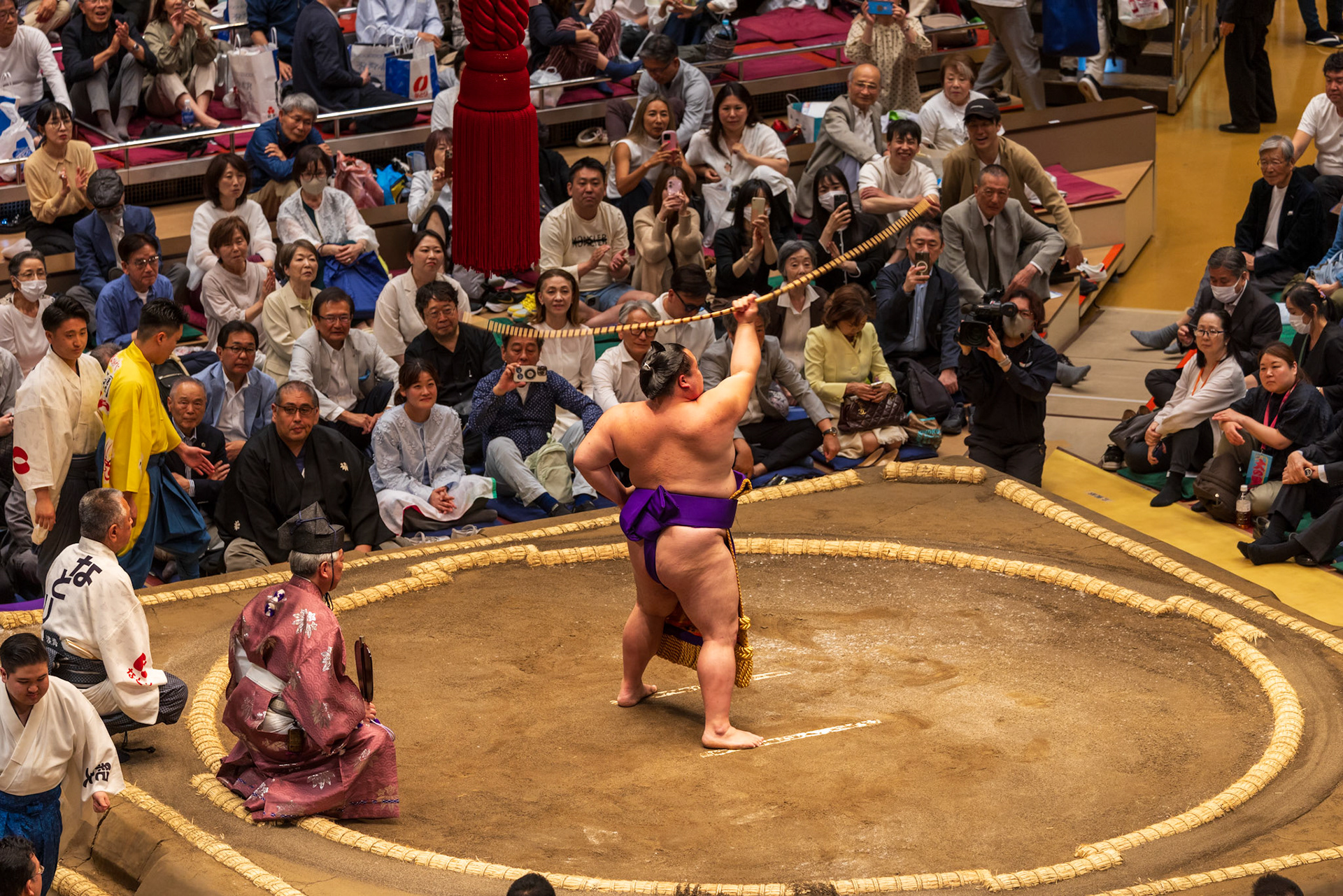
Exhibition at the end of the match
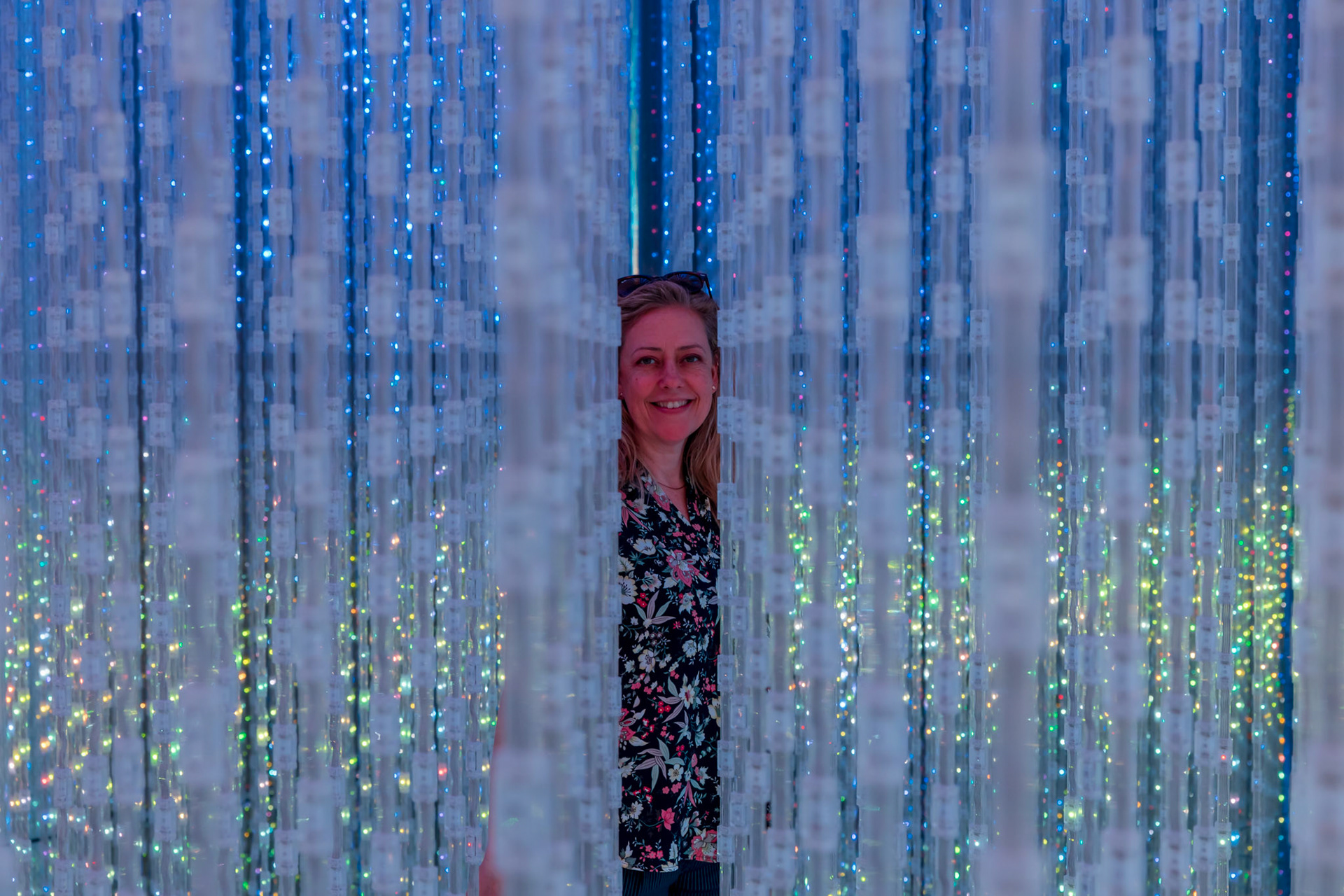
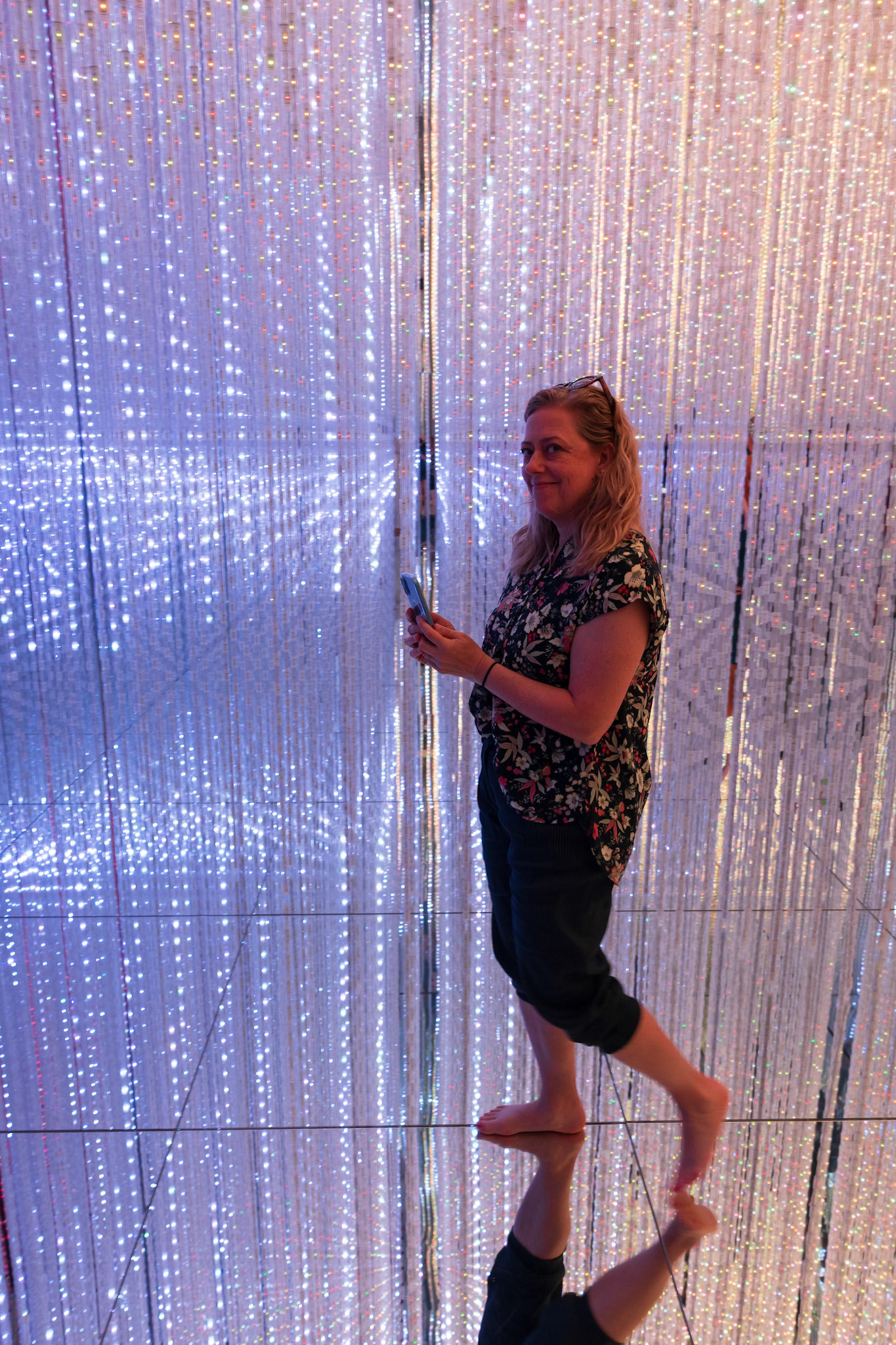
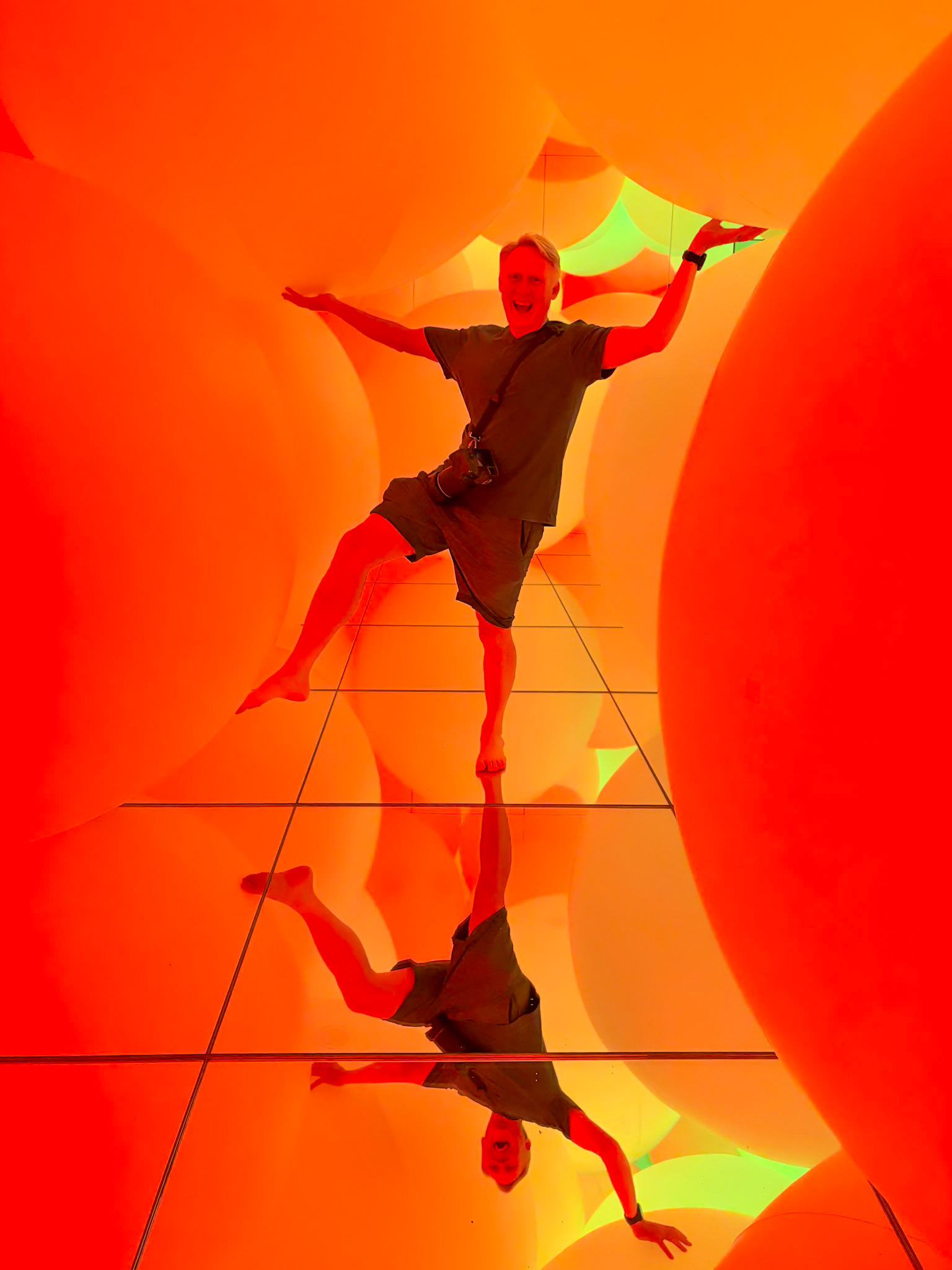
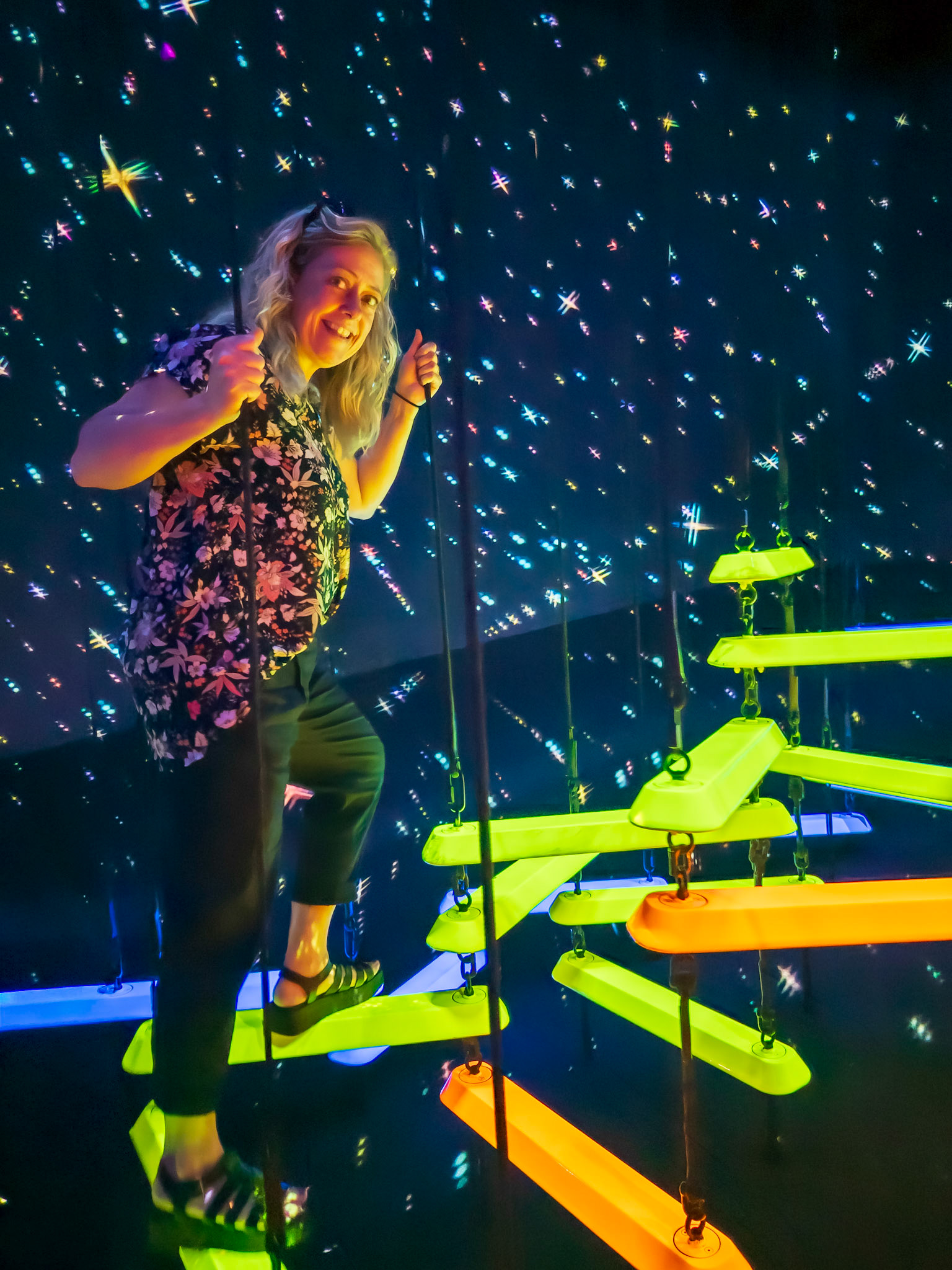
Tokyo Team Labs Planets Museum Exhibit - I had seen pictures so I had an idea of what to expect but still found it to be a fun experience. Kara had no idea of what to expect so it was a pleasant surprise for her.


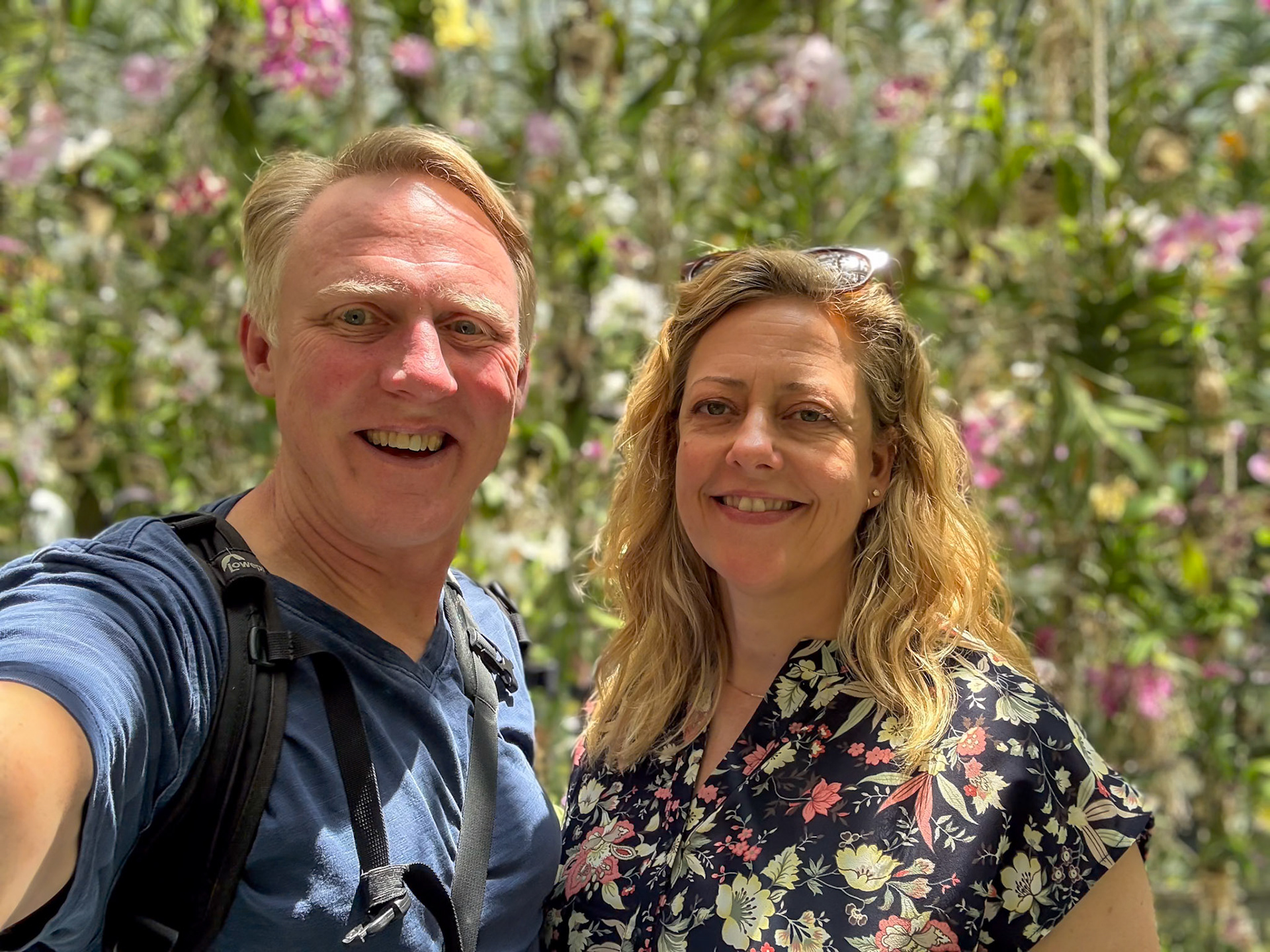
Meiji Jungu Shrine - This was much less crowded than the Temple we visited in Tokyo and included a nice forest grounds to walk through to get to it. We finished around sunset and ended up riding back to our hotel stressed over the fleeting daylight and worried that we would have trouble navigating back to our hotel or our bikes would quit working when my phone batter died. We ended up making it back with my phone at 1% battery.

The entrance gate
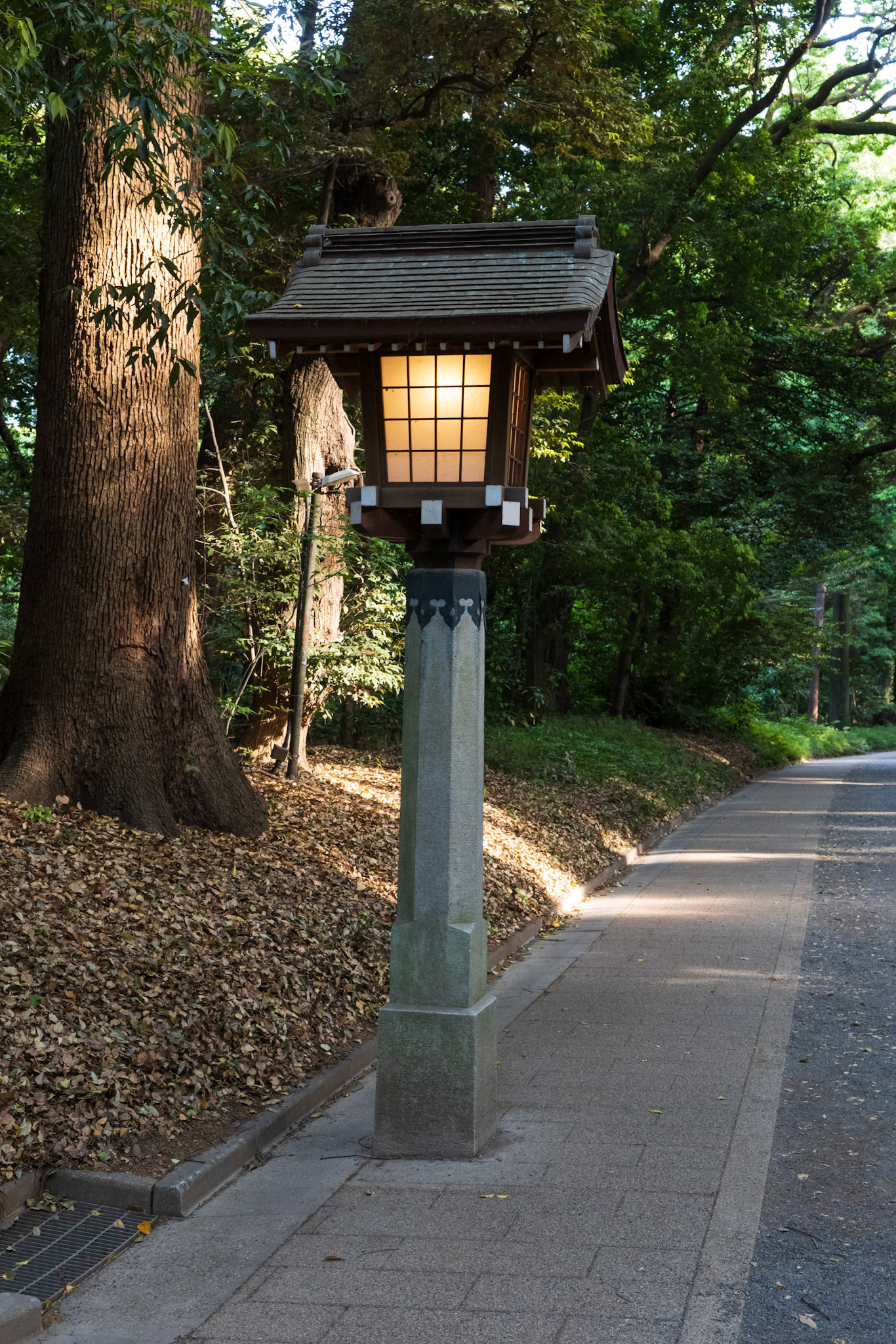
Walking path lights in the forest leading to the shrine
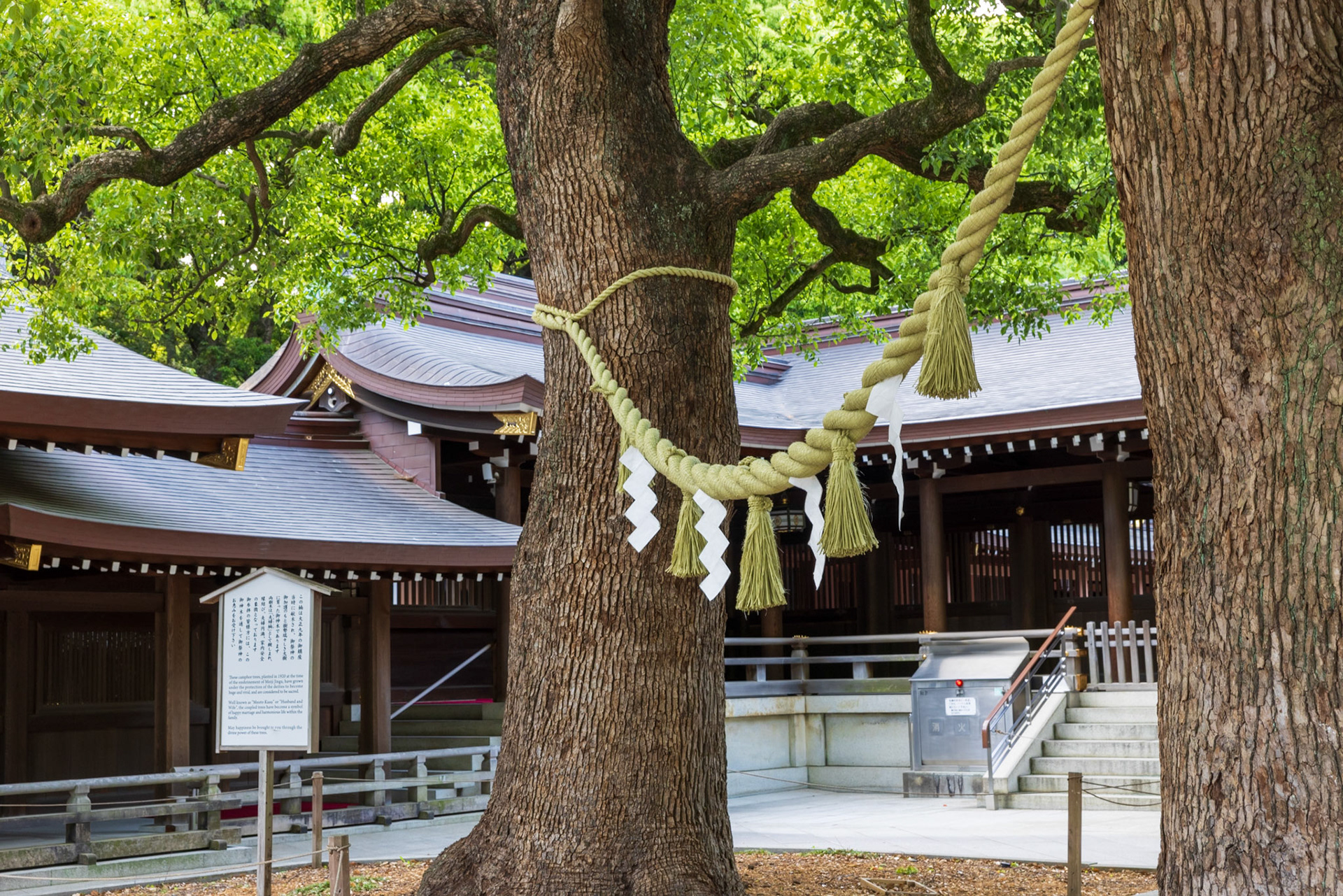
Part of the shrine

Sake barrels from around the world
Miscellaneous Tokyo

This was a construction barrier with live plants

Water Park
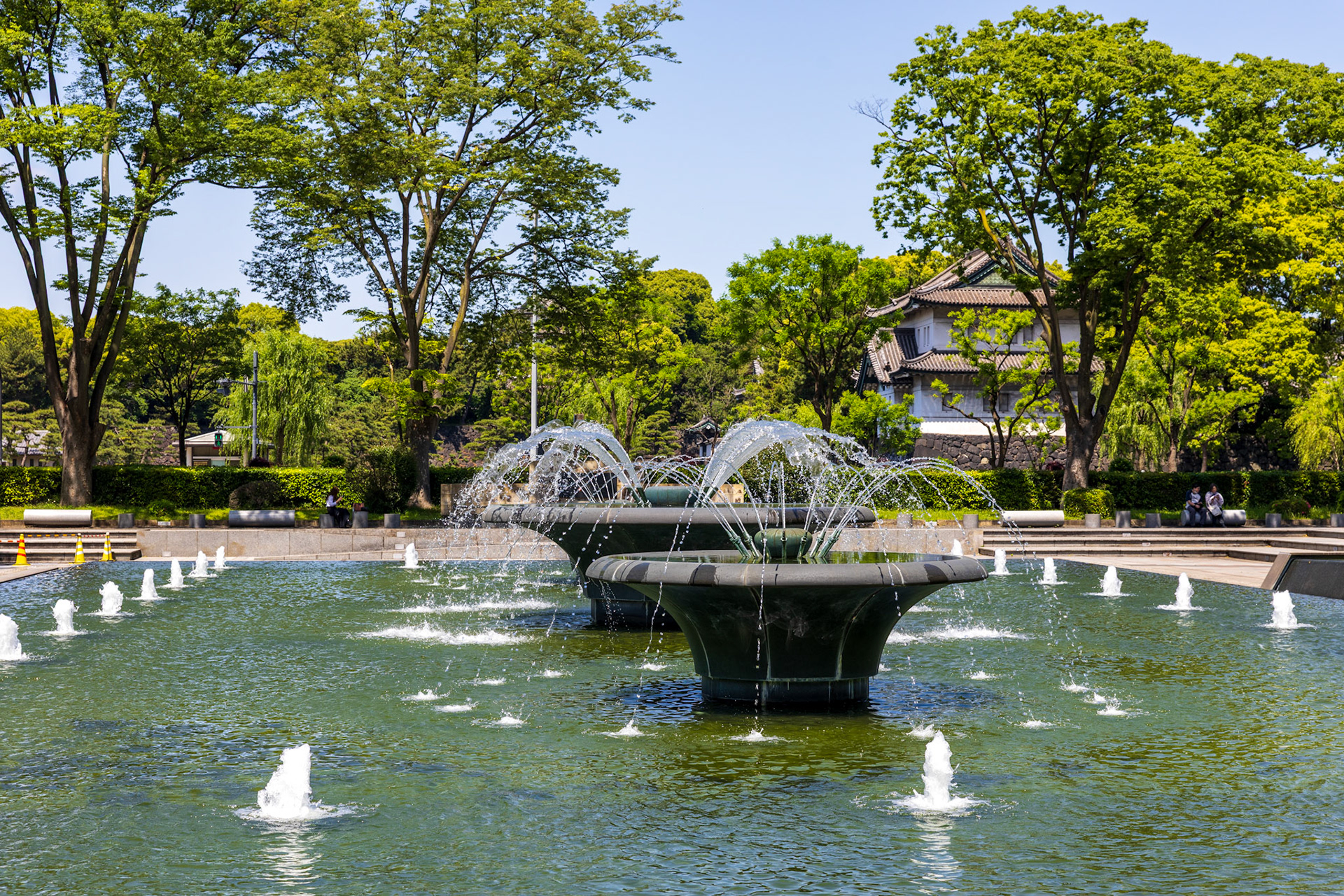
Water park fountains
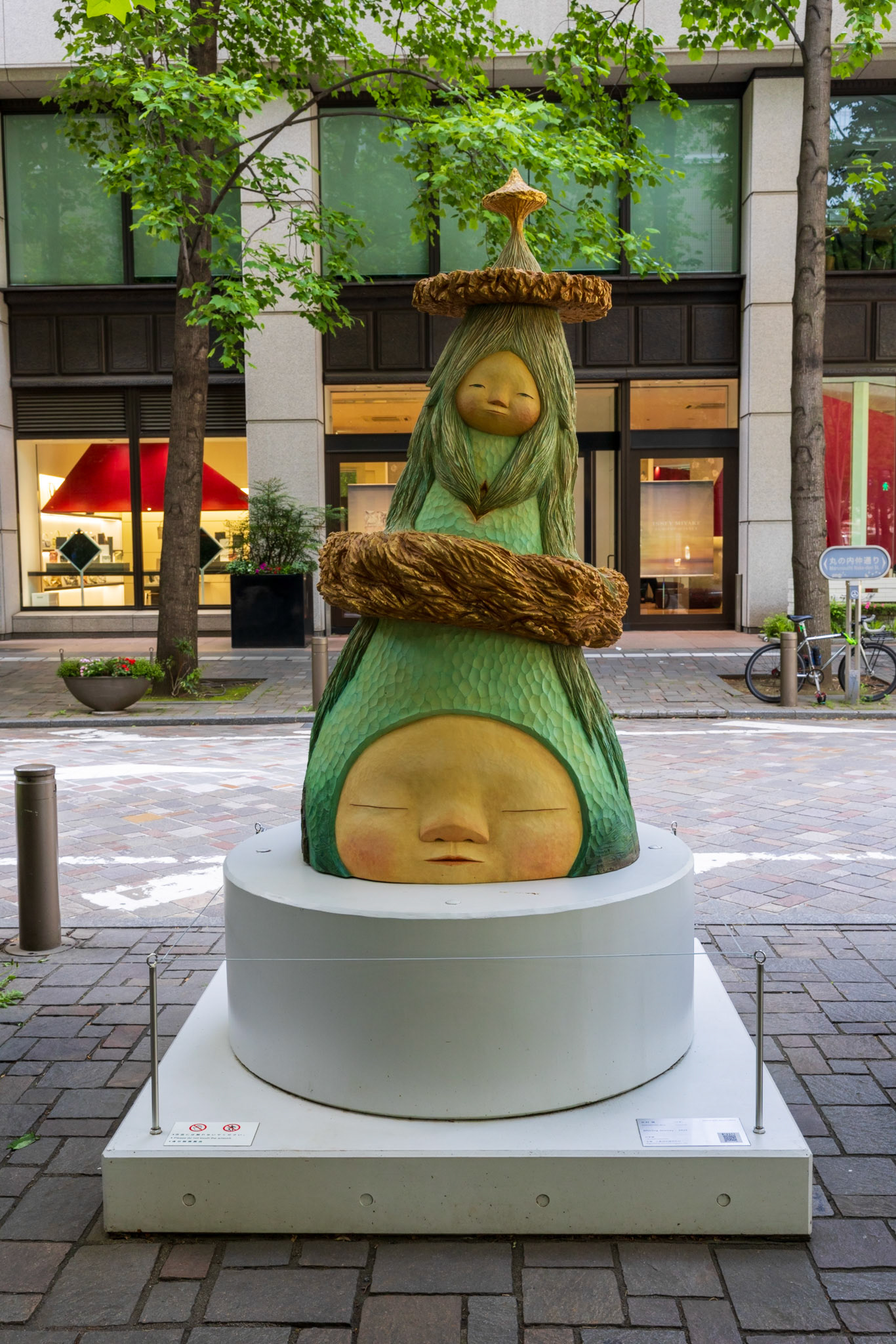
Street art

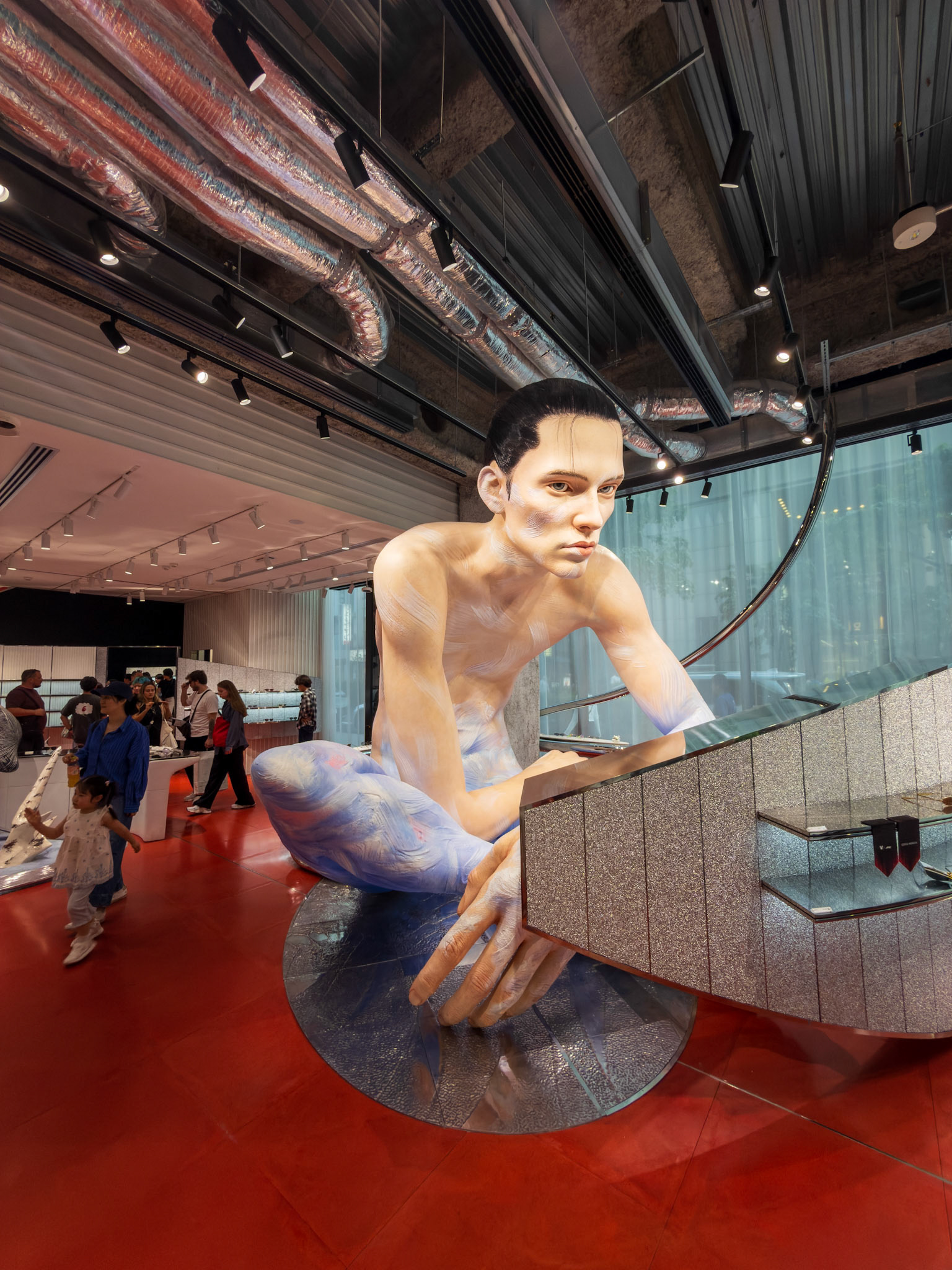
The coolest store prop I saw
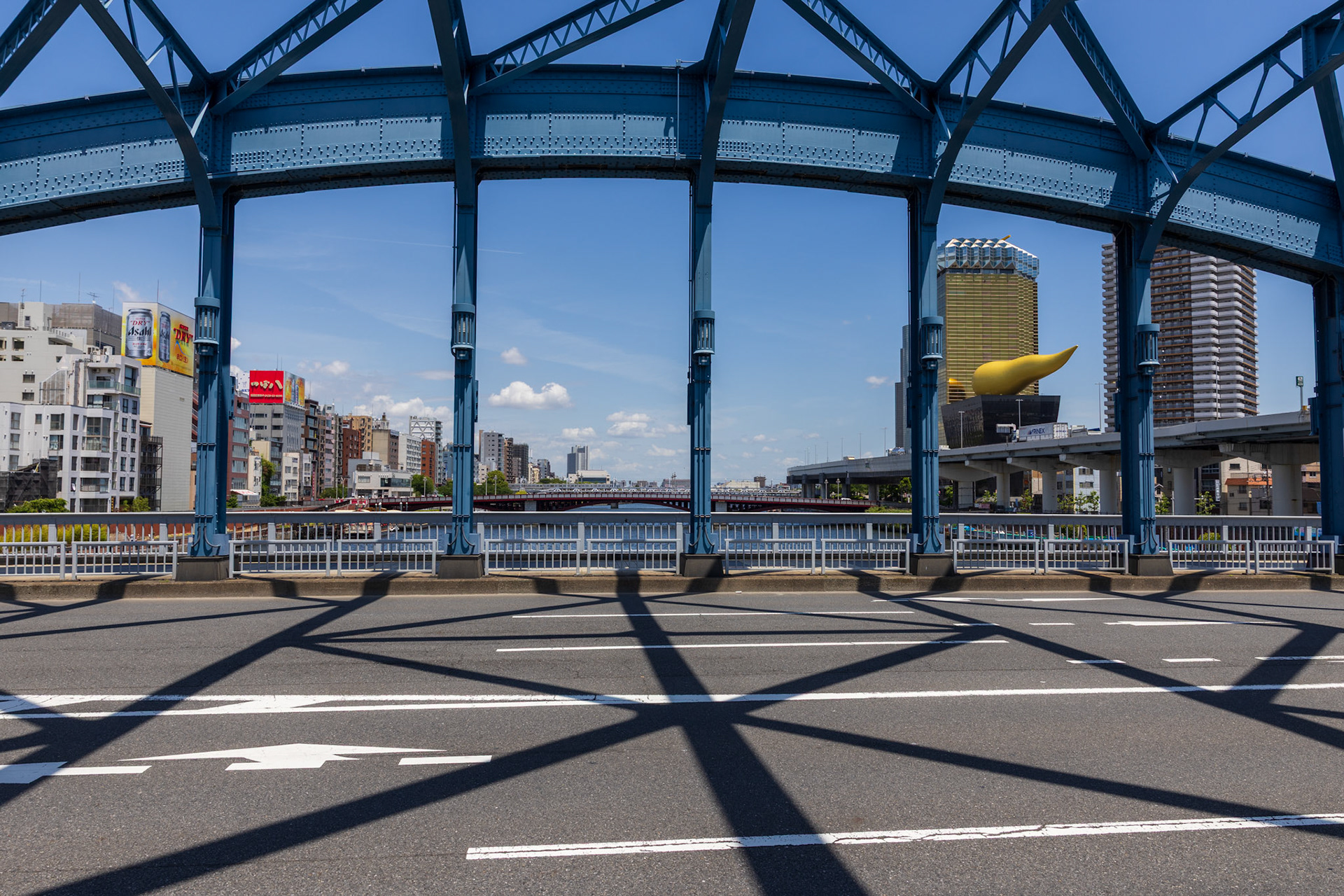
Check out the building on the right side


We loved, loved, loved the LUUP city bikes for getting around.
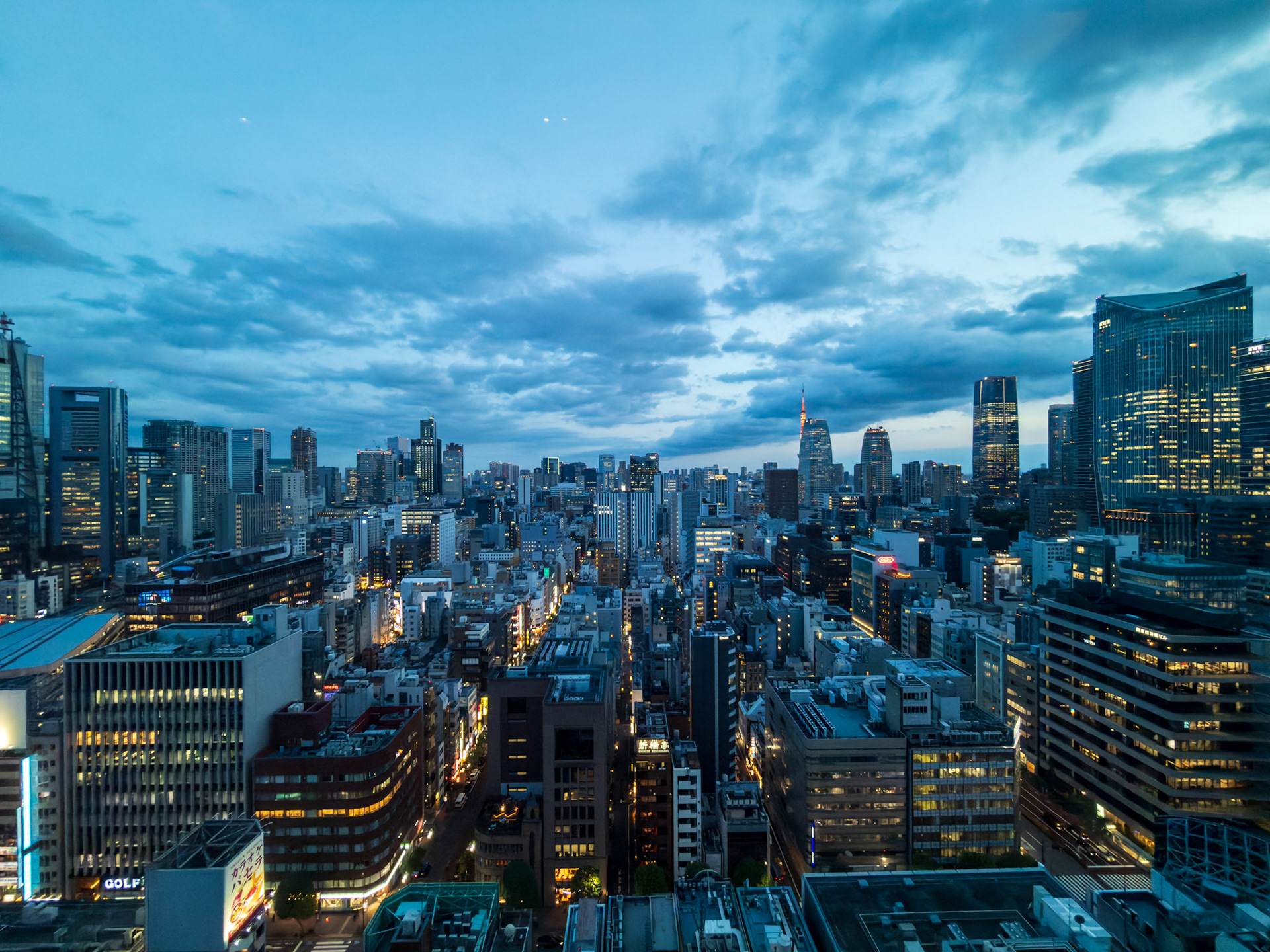
View from our hotel lobby

Harajuku District

Harajuku girls

View from our hotel on our last night in Japan
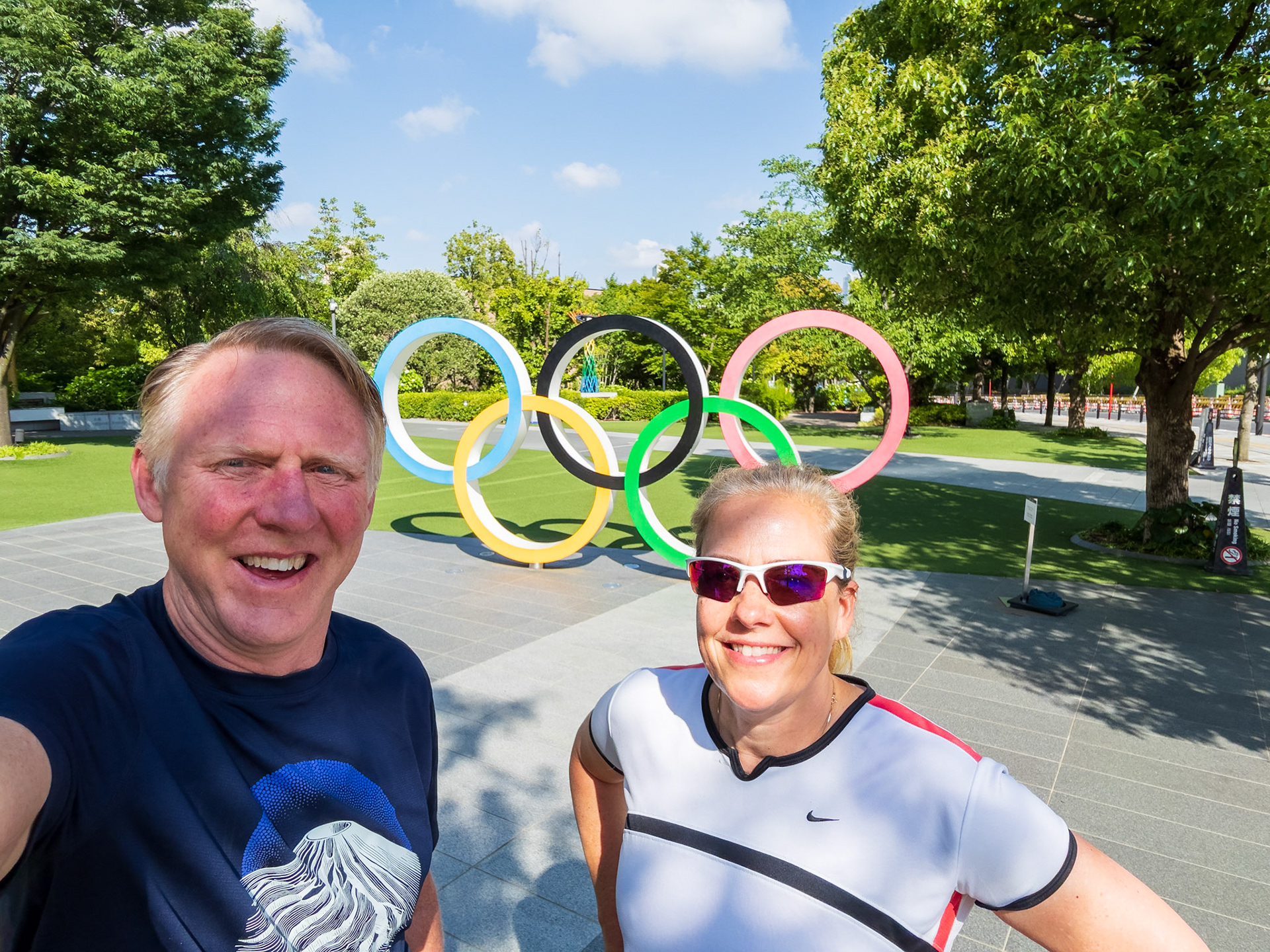
Pre-flight run past Olympic Stadium

Experiencing the Shibuya Scramble, it wasn't too bad when we were there.
Hiroshima & Miyajima ISLAND - 2 days
From Tokyo, we travelled by the Shinkansen (Bullet Train) over 3 hours to the most Southern point of our trip, Hiroshima. While we were in Hiroshima, we explored the Hiroshima Peace Memorial Park and did a day trip to the island of Miyajima, where we saw the Itsukushima Shrine. Both of these sites are UNESCO World Heritage locations. While we were on the island, we also explored the impressive Daisho-in Temple and hiked up to the summit of Mt. Misen.
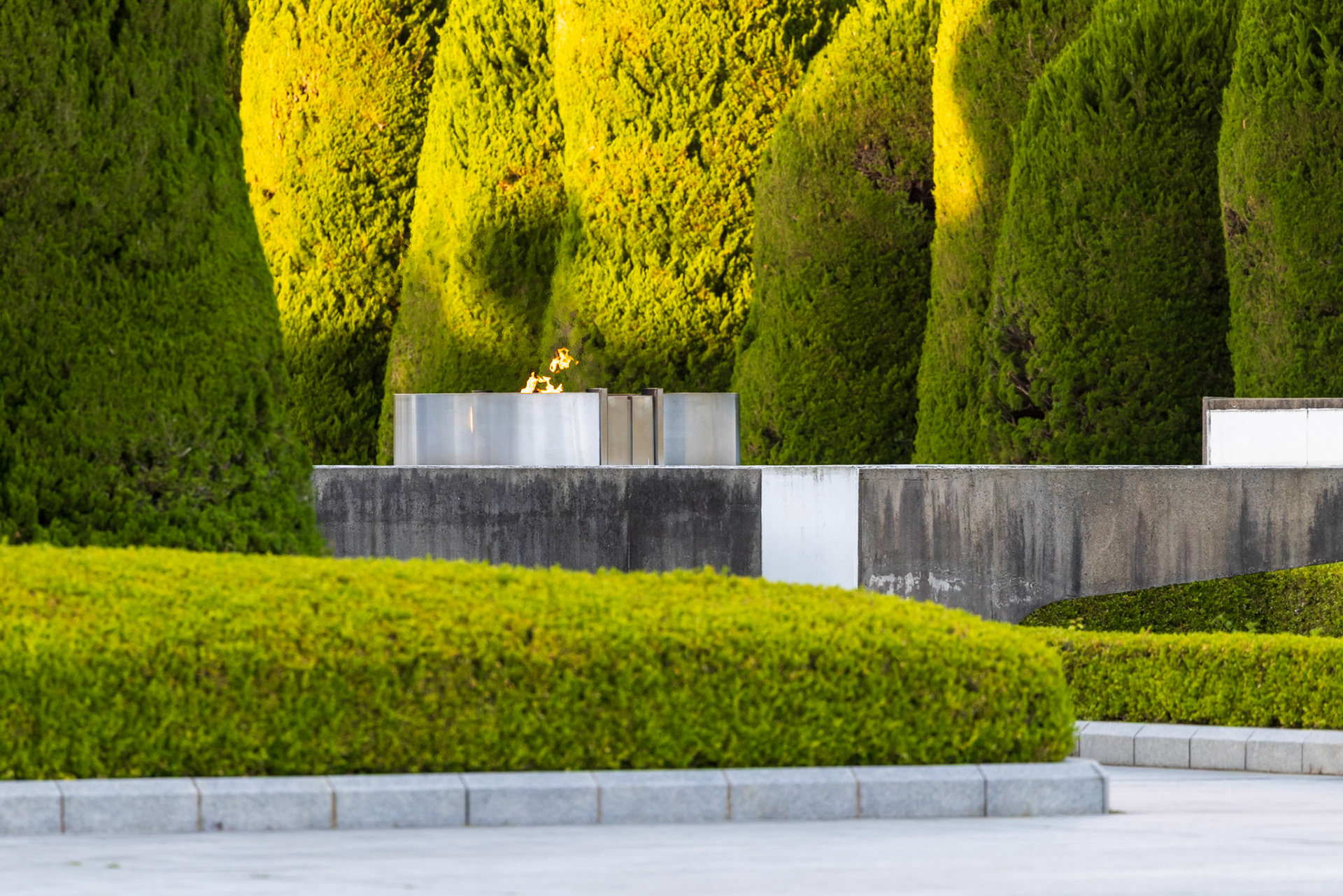
Near the summit of Mt. Misen is the Reikado (Hall of the Spiritual Flame). This flame has been burning for 1,200 years and was used to light the Flame of Peace at the Hiroshima Peace Memorial Park. Tragically, just six days after our hike, a major fire broke out at the peak and completely destroyed the historic Reikado Hall. To add a bit of heartbreak to the story, we actually hiked right past the hall without stopping, completely unaware that it housed a sacred flame or that it would be gone in less than a week. Fortunately, monks managed to save the flame before the building was lost.
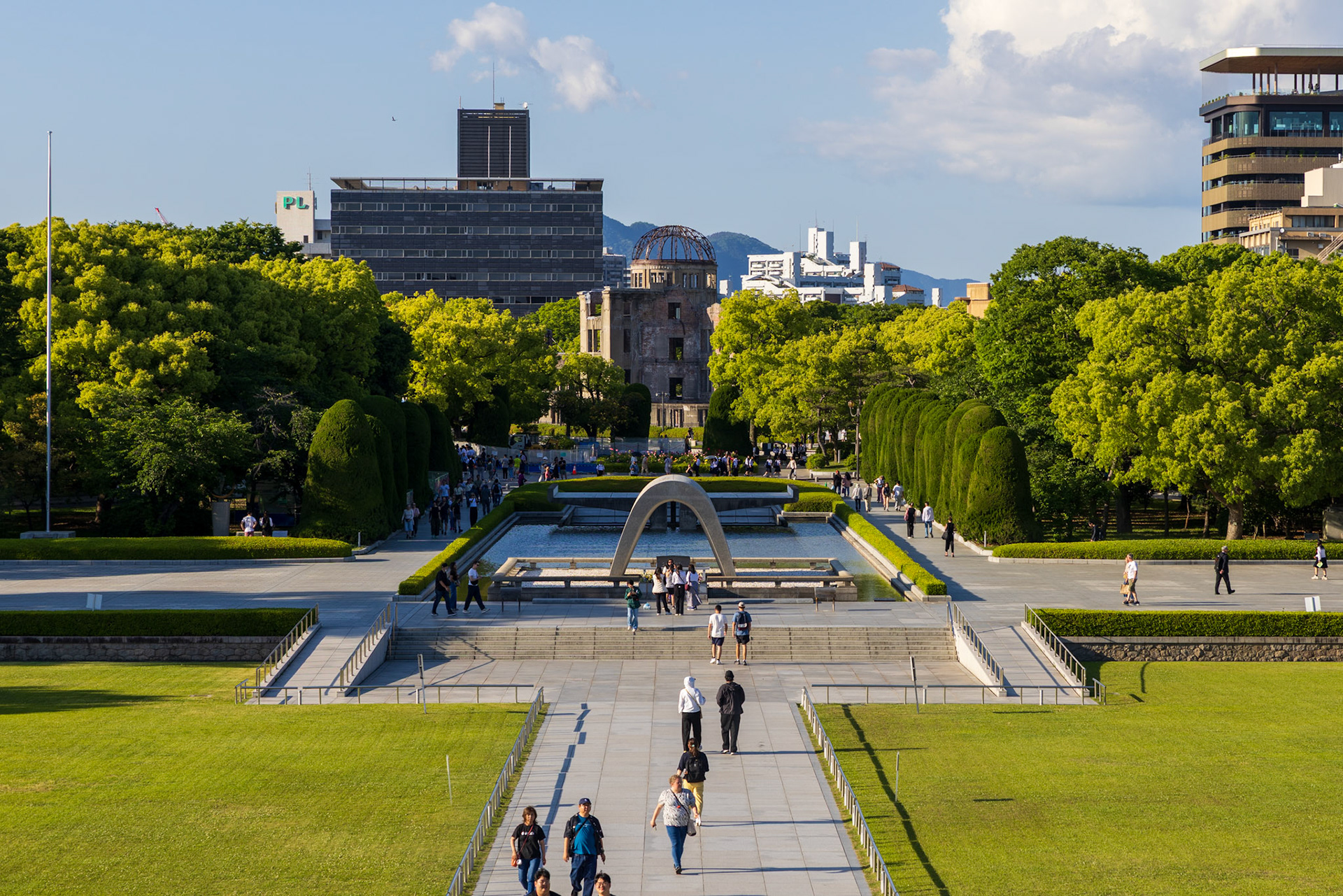
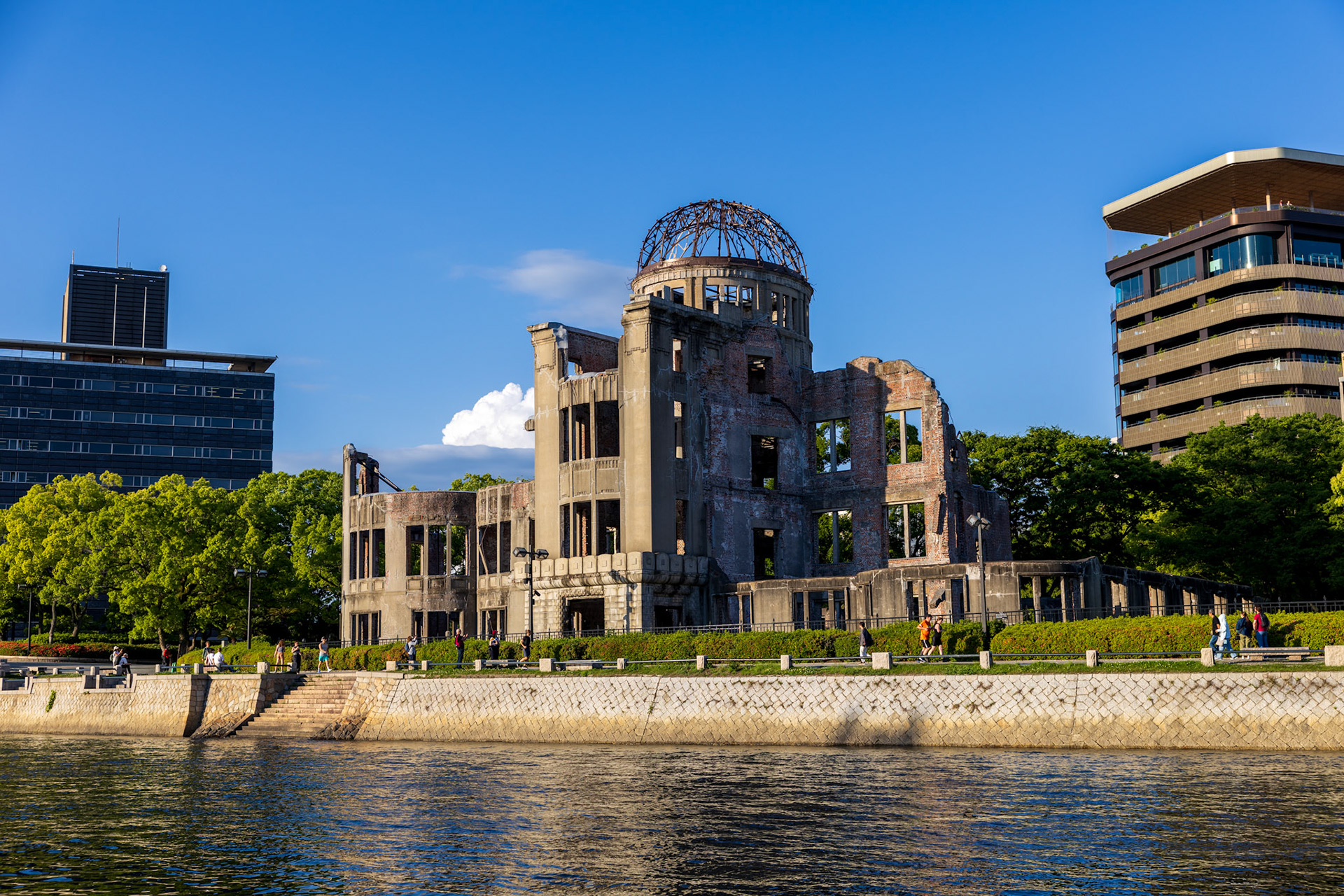
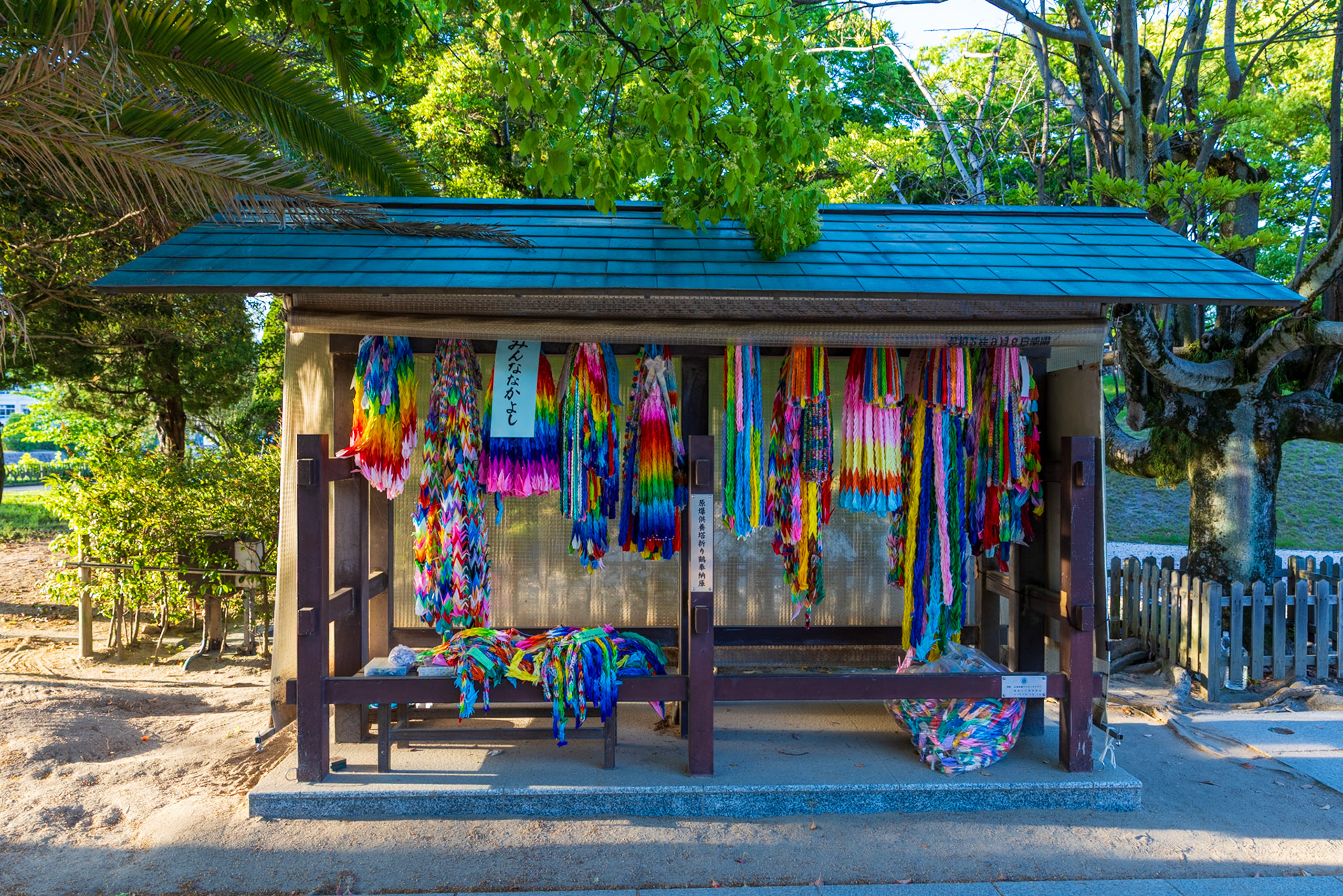
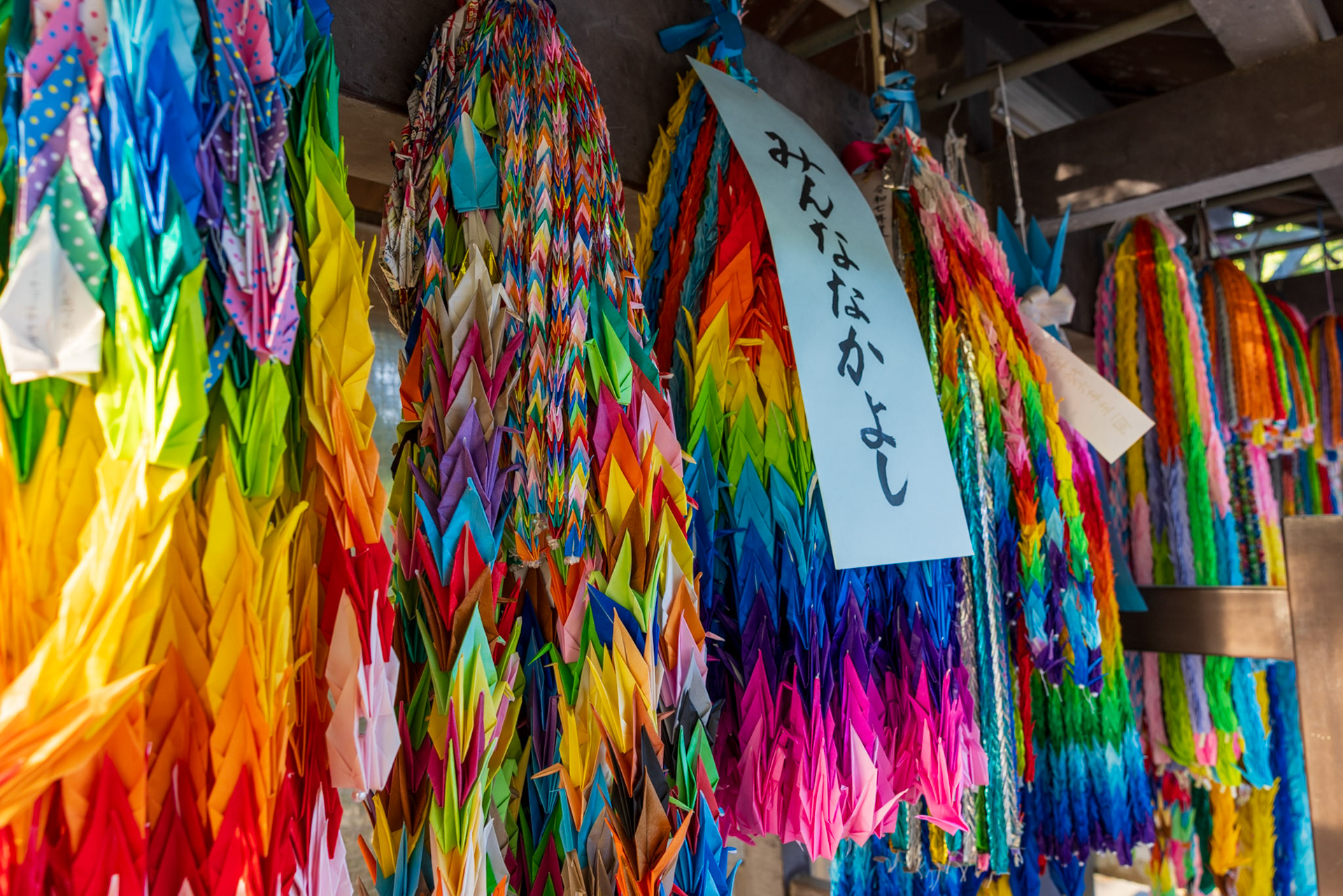
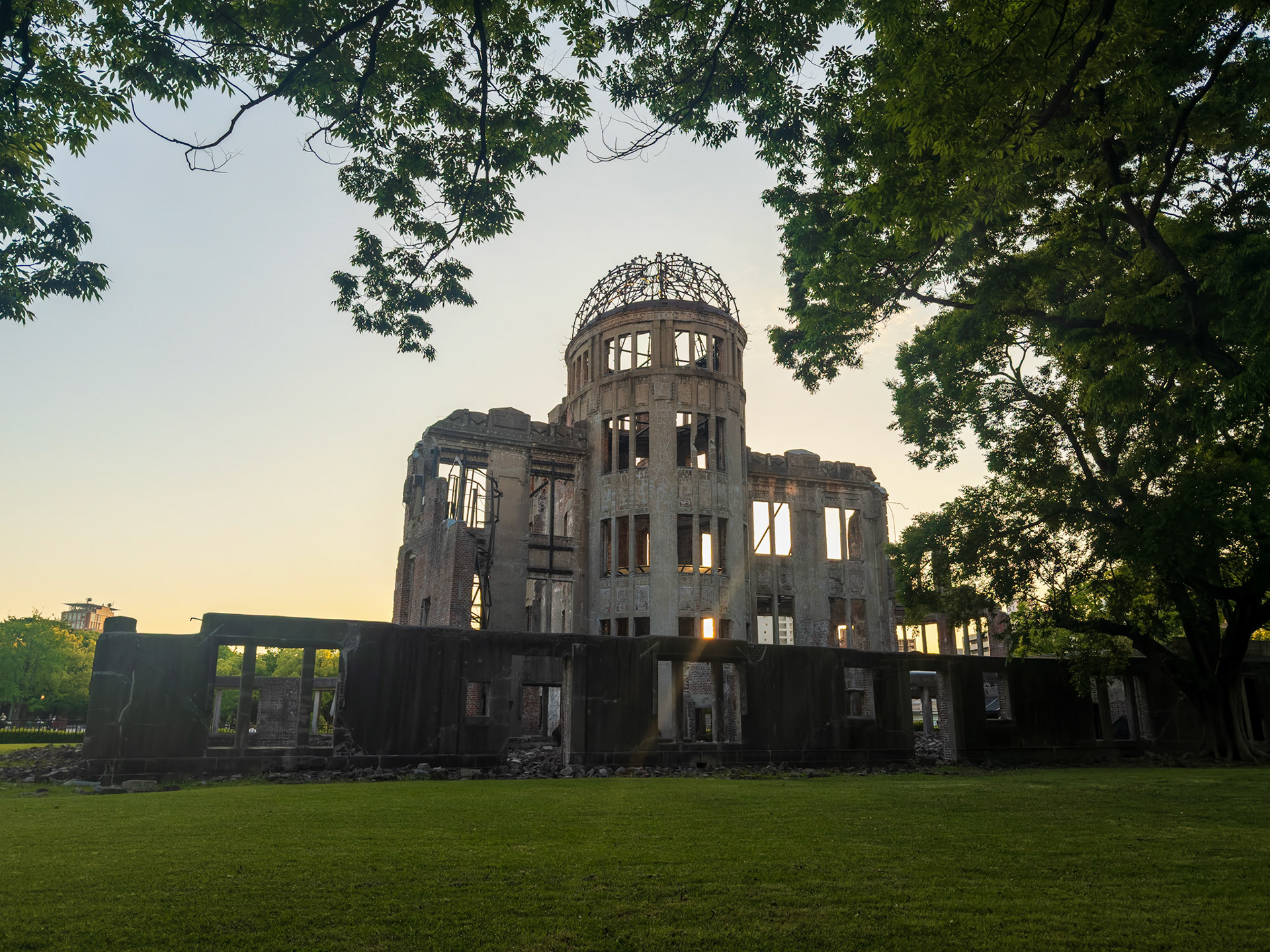
Hiroshima Peace Memorial Park - Visiting this park was a moving experience. On one hand, you are confronted with the horror of the nuclear bomb and the museum documenting its devastating impact on the city. On the other hand, you find the inspiring story of Sadako Sasaki, the young girl who folded origami cranes in hopes of saving her life, alongside the message of hope conveyed by millions of school children who continue to send cranes to the memorial in her honor. Witnessing how the Japanese people have embraced this powerful message of peace was incredibly moving, and it was easily my favorite part of the grounds.
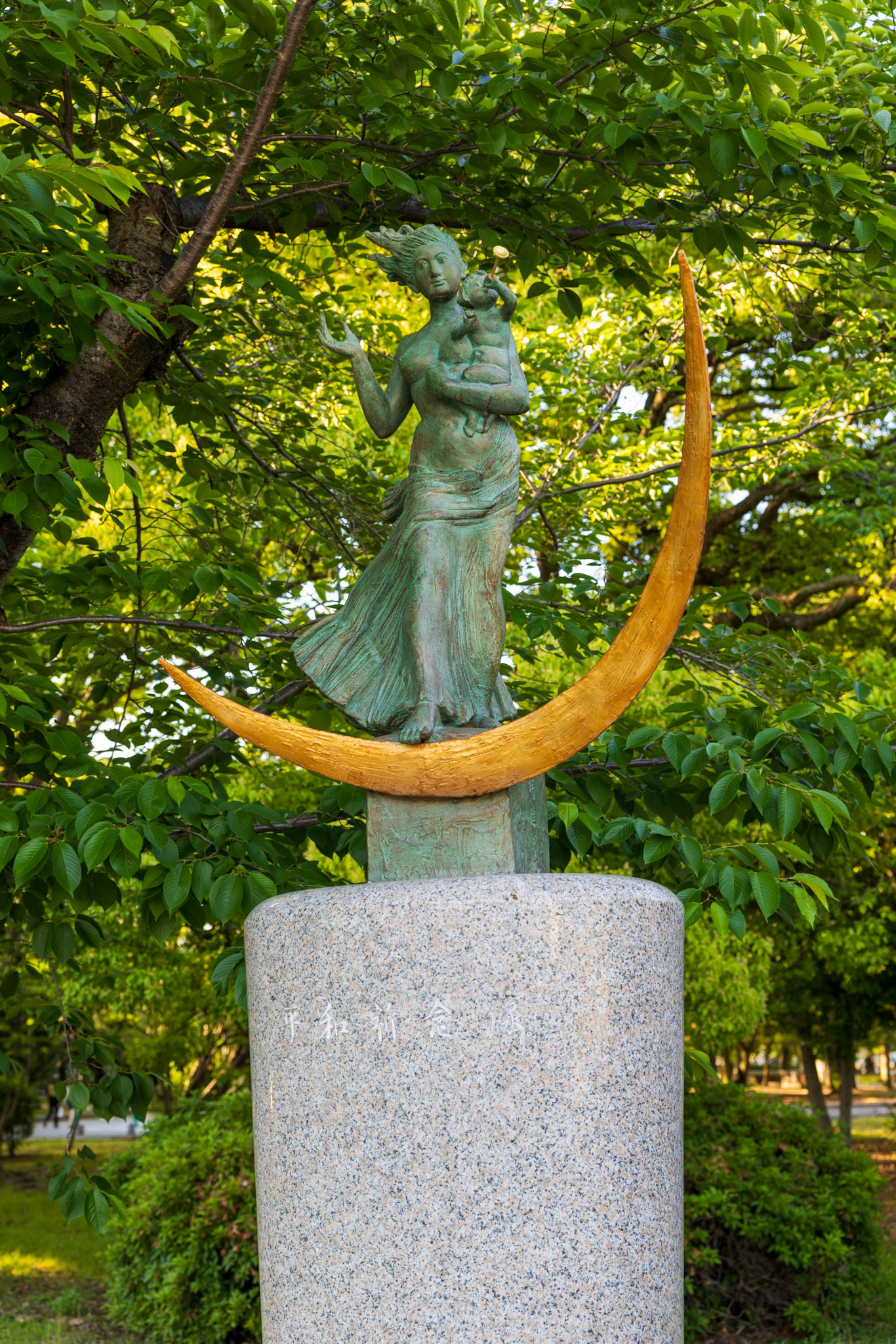


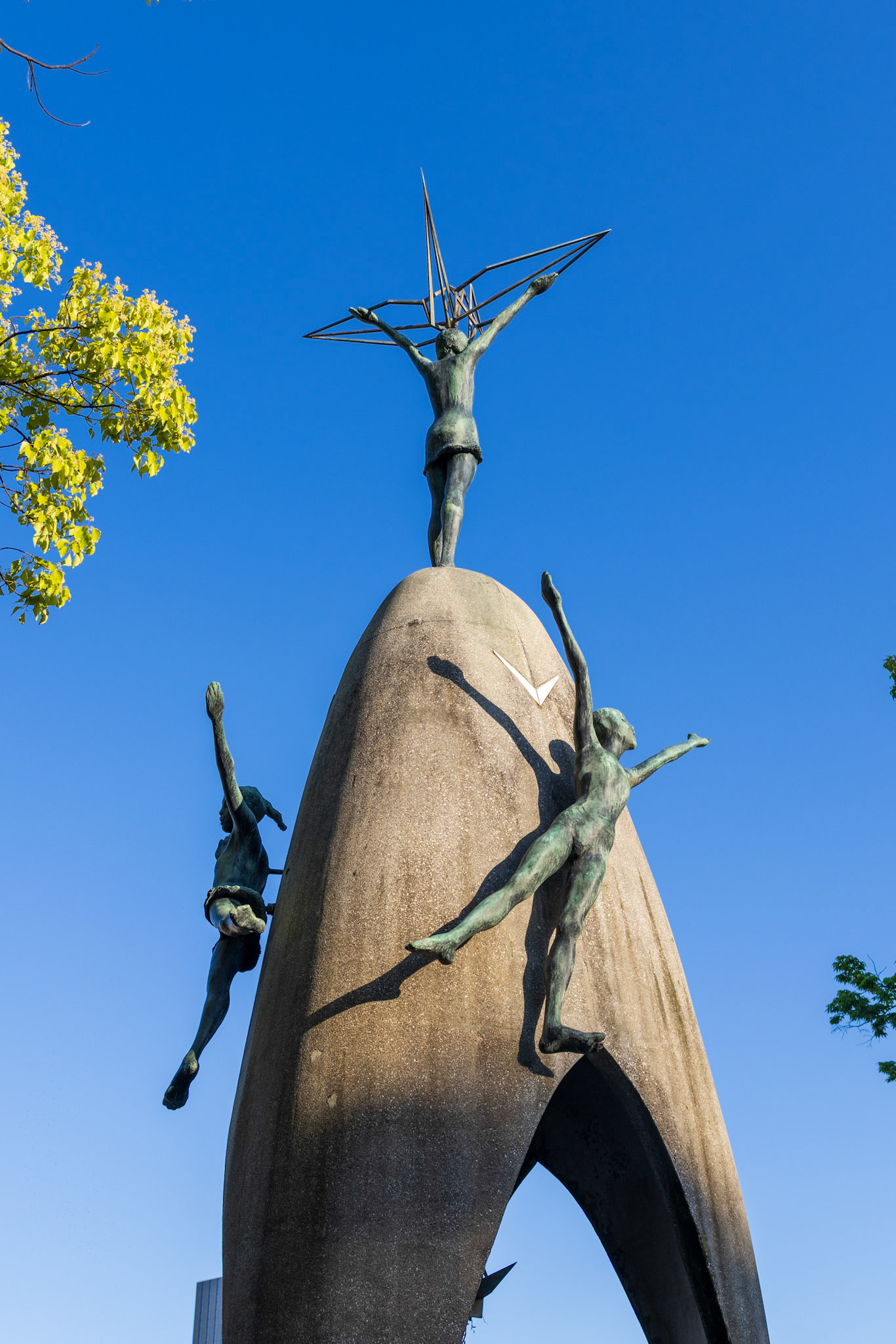

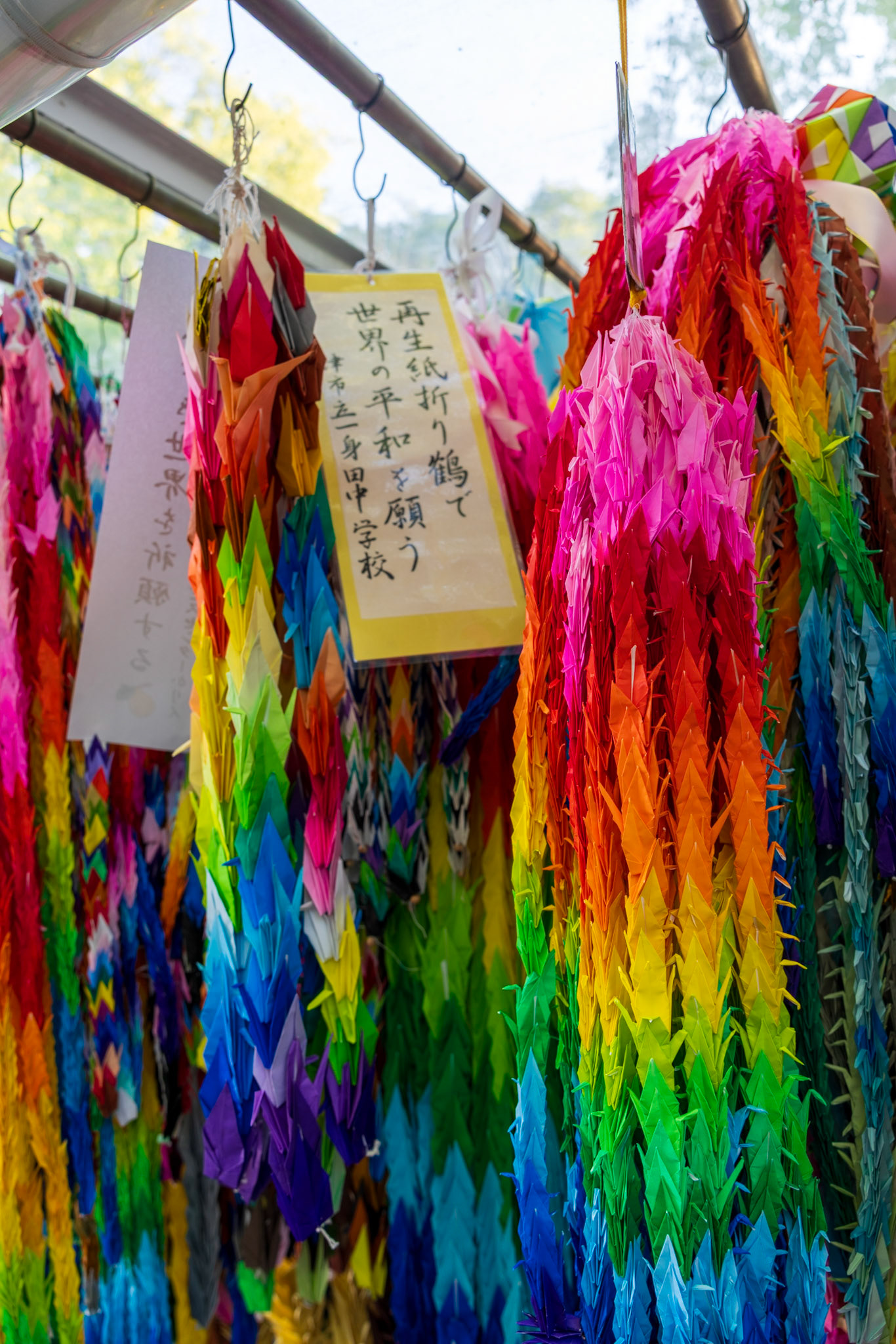
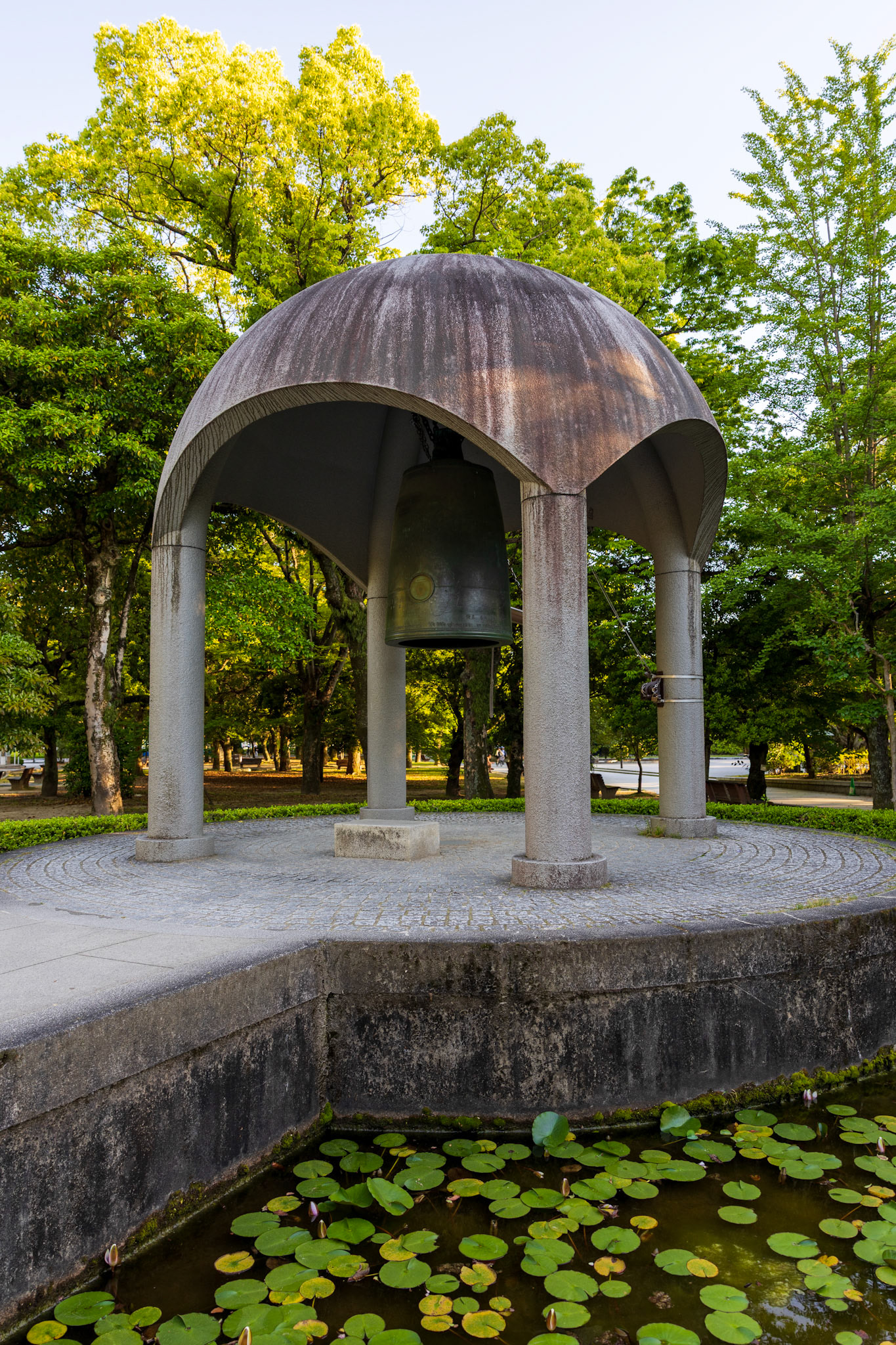

Itsukushima Shrine - The entire shrine is built on stilts over an inlet of the Seto Inland Sea, causing it to appear to float gracefully on the water during high tide. This architectural marvel, along with its iconic giant vermilion torii gate standing out in the bay, was designated a UNESCO World Heritage site in 1996 for brilliantly fusing human artistry with the natural landscape.
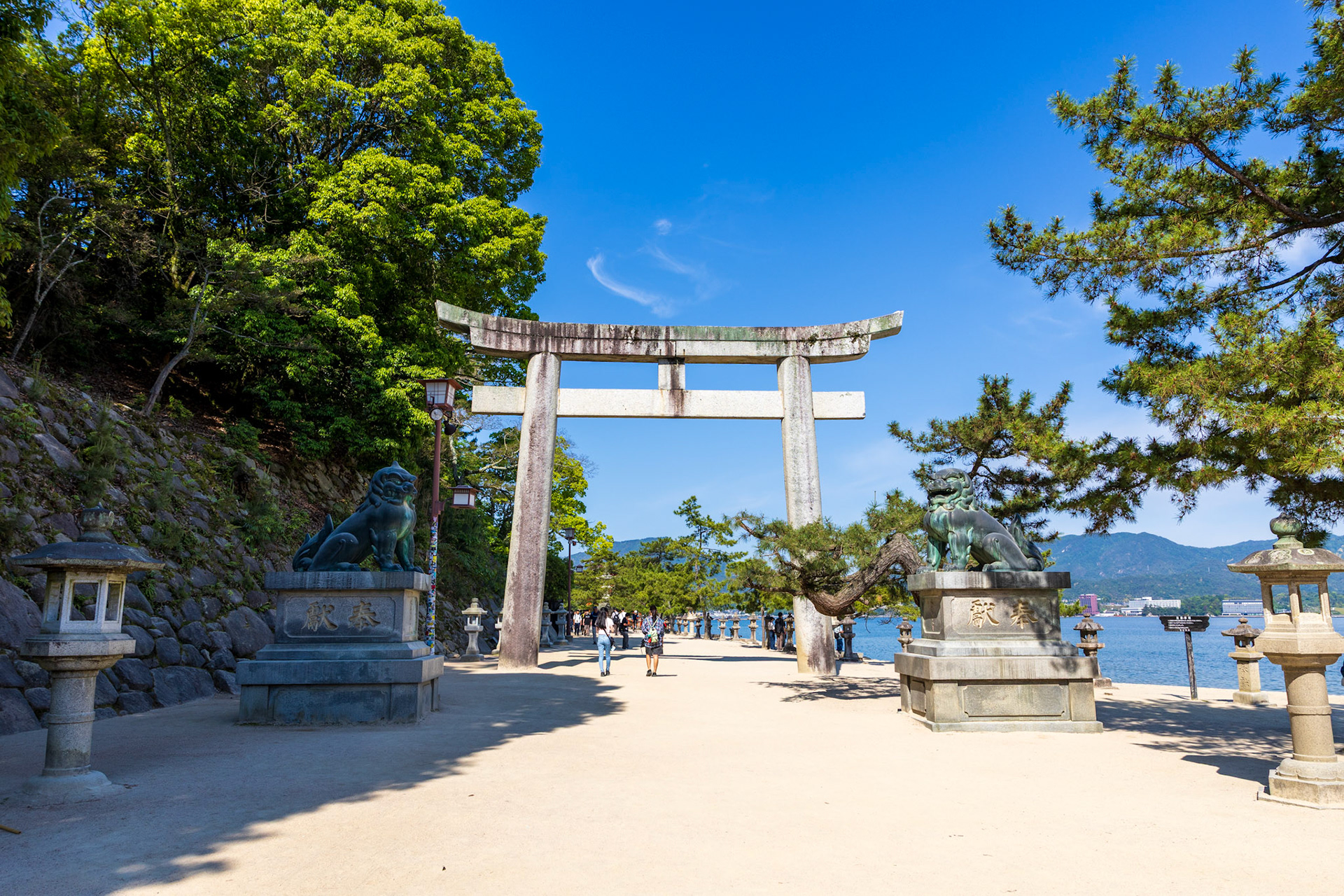
Path to the shrine
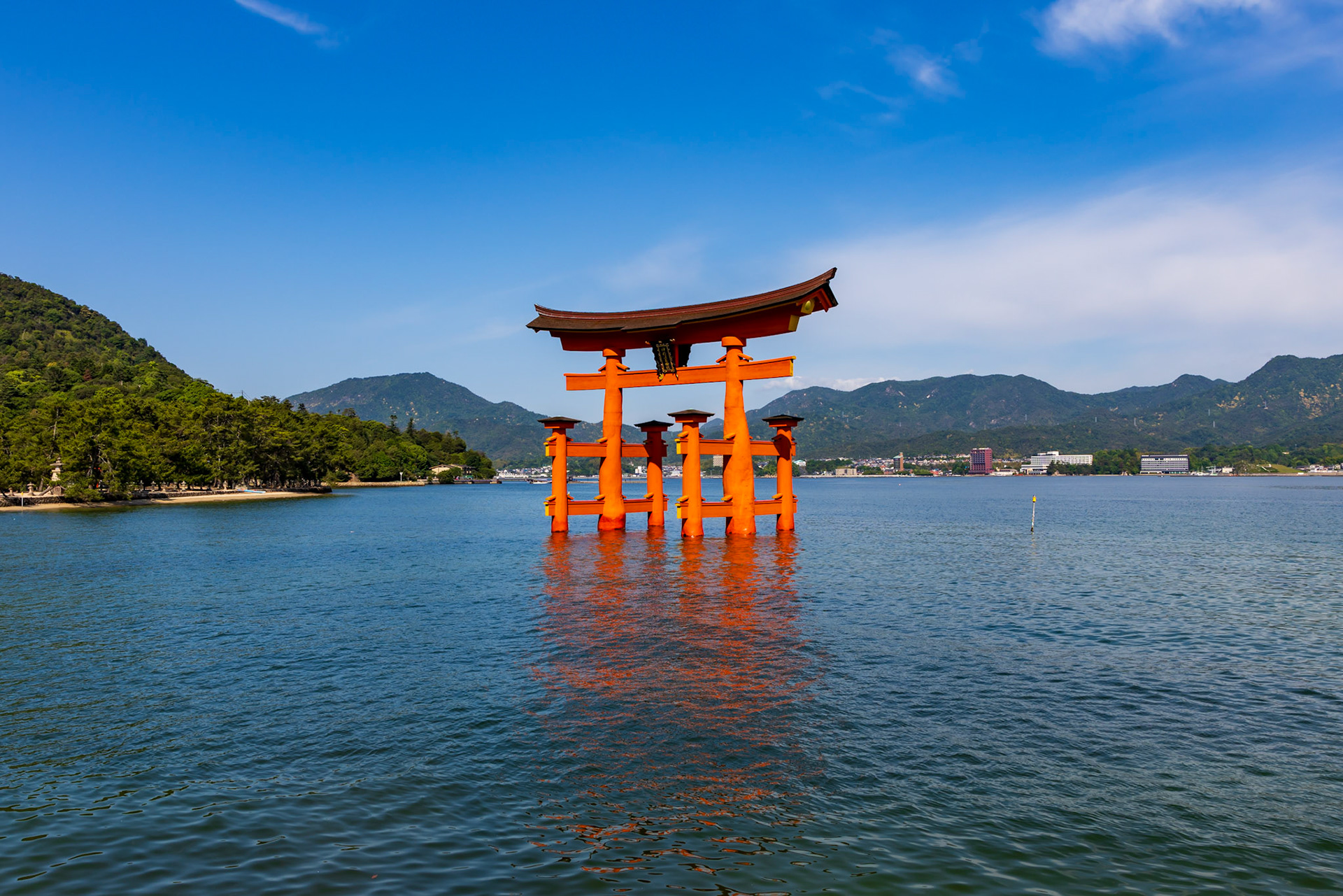
Floating torii gate
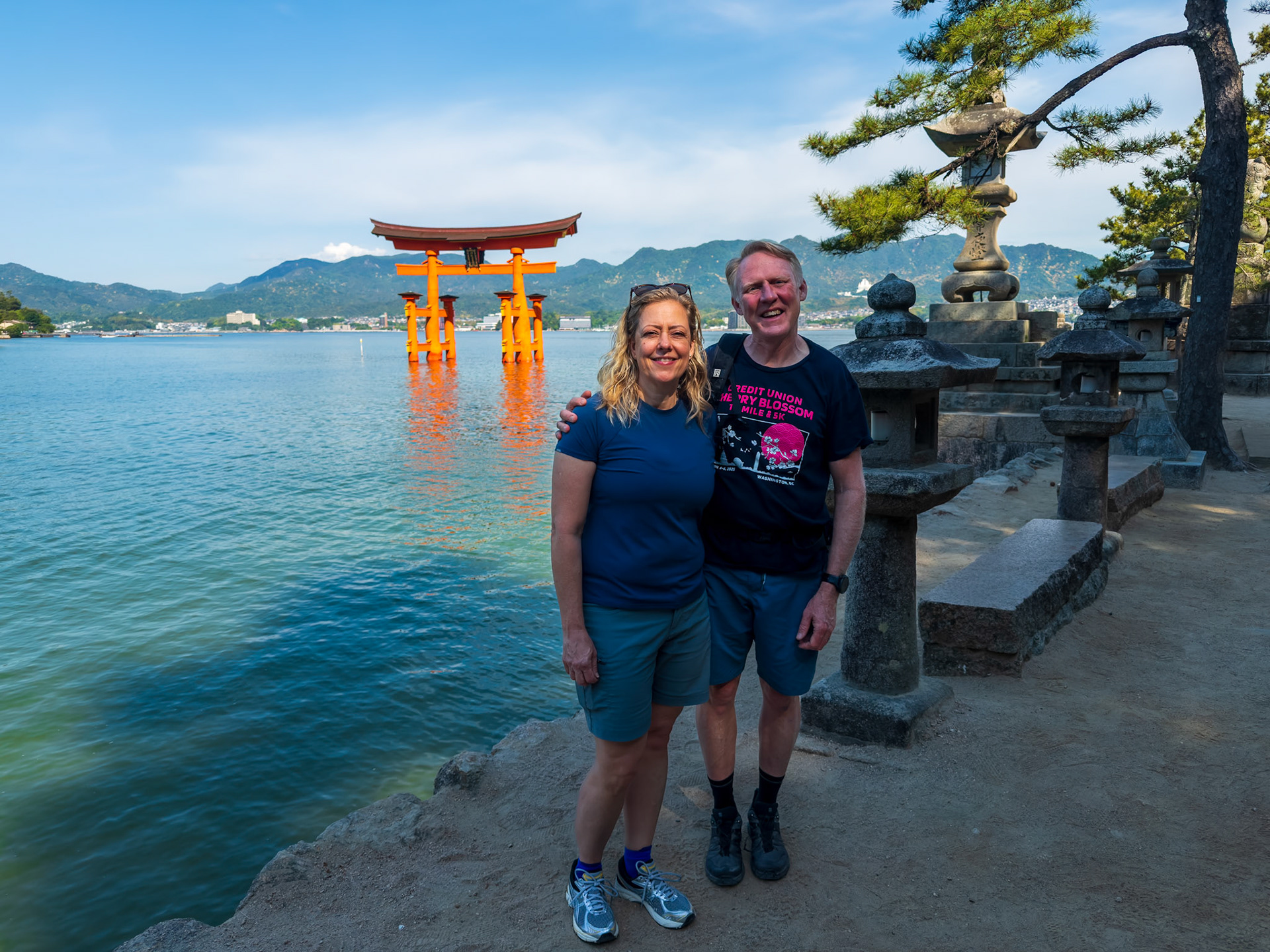
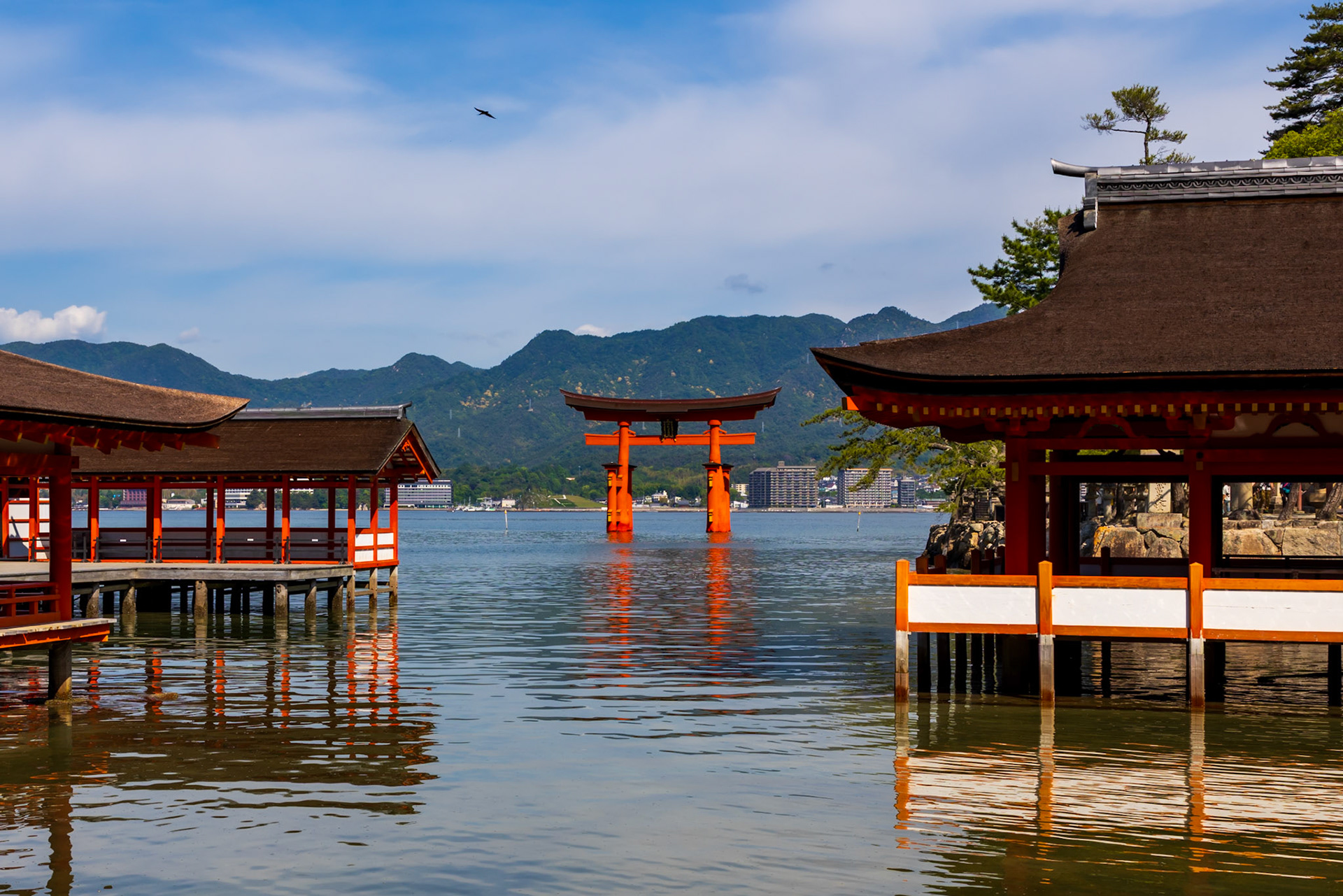
The tore gate with some of the shrine
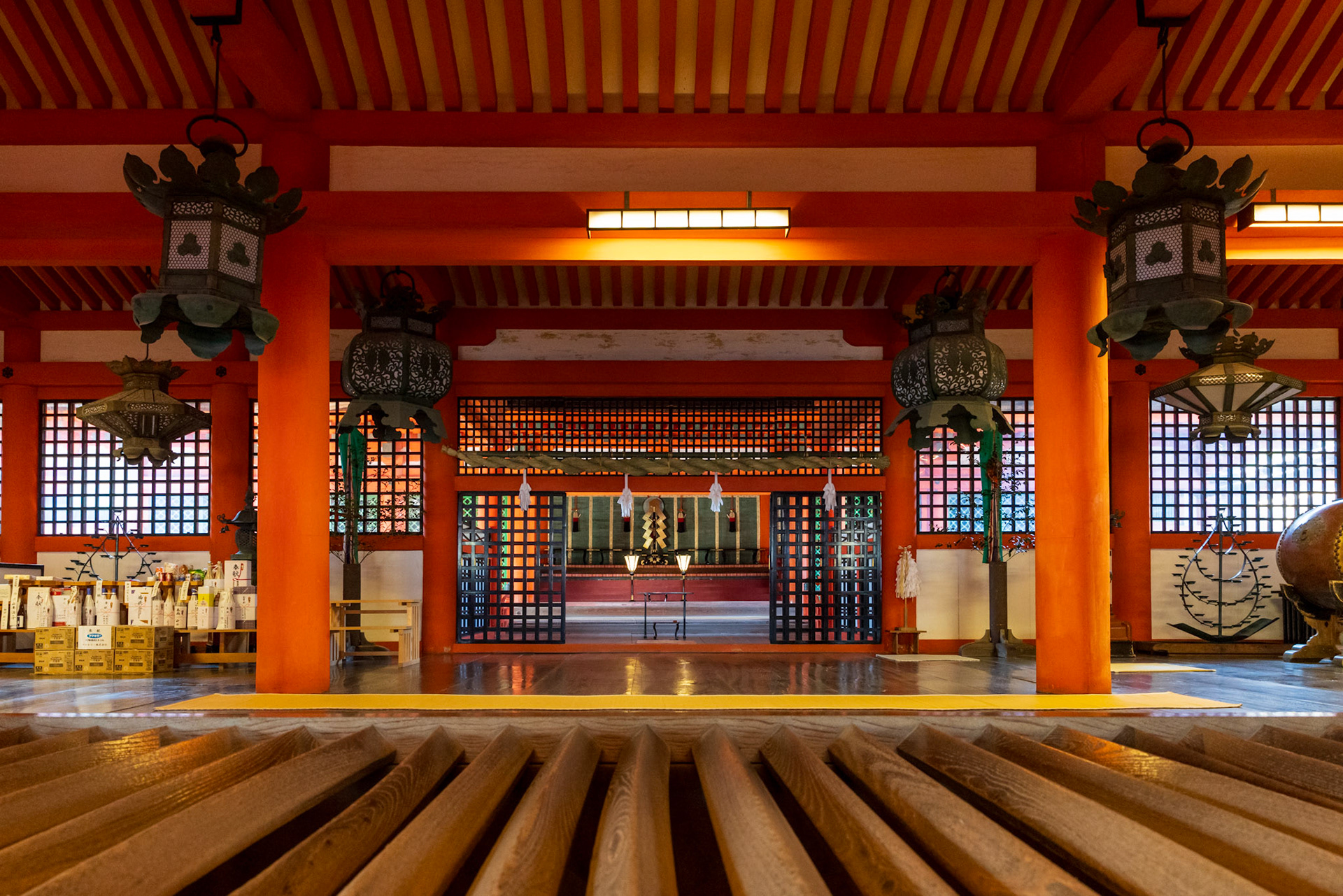

Pretty lanterns
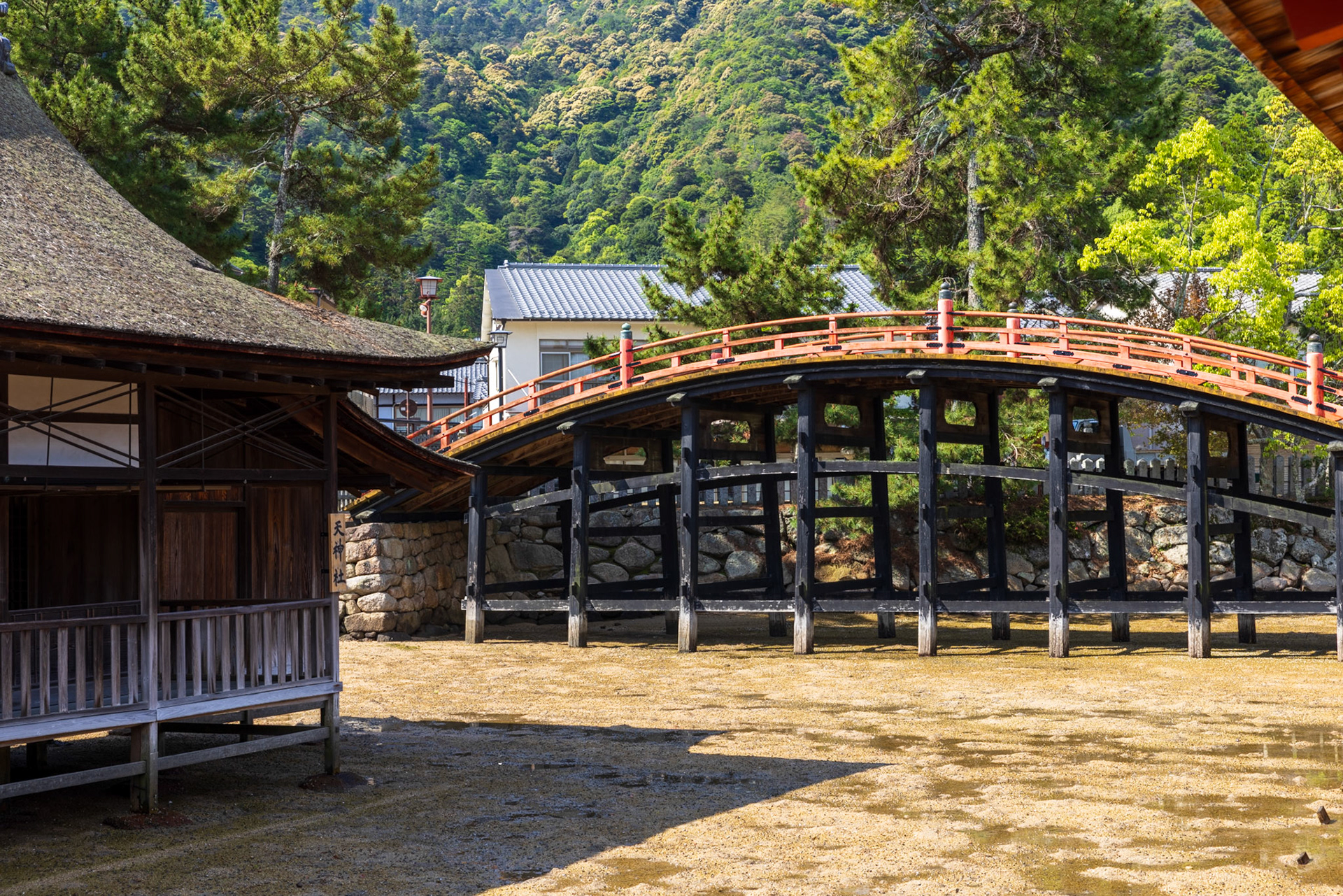
Bridge over water, once the tide changes
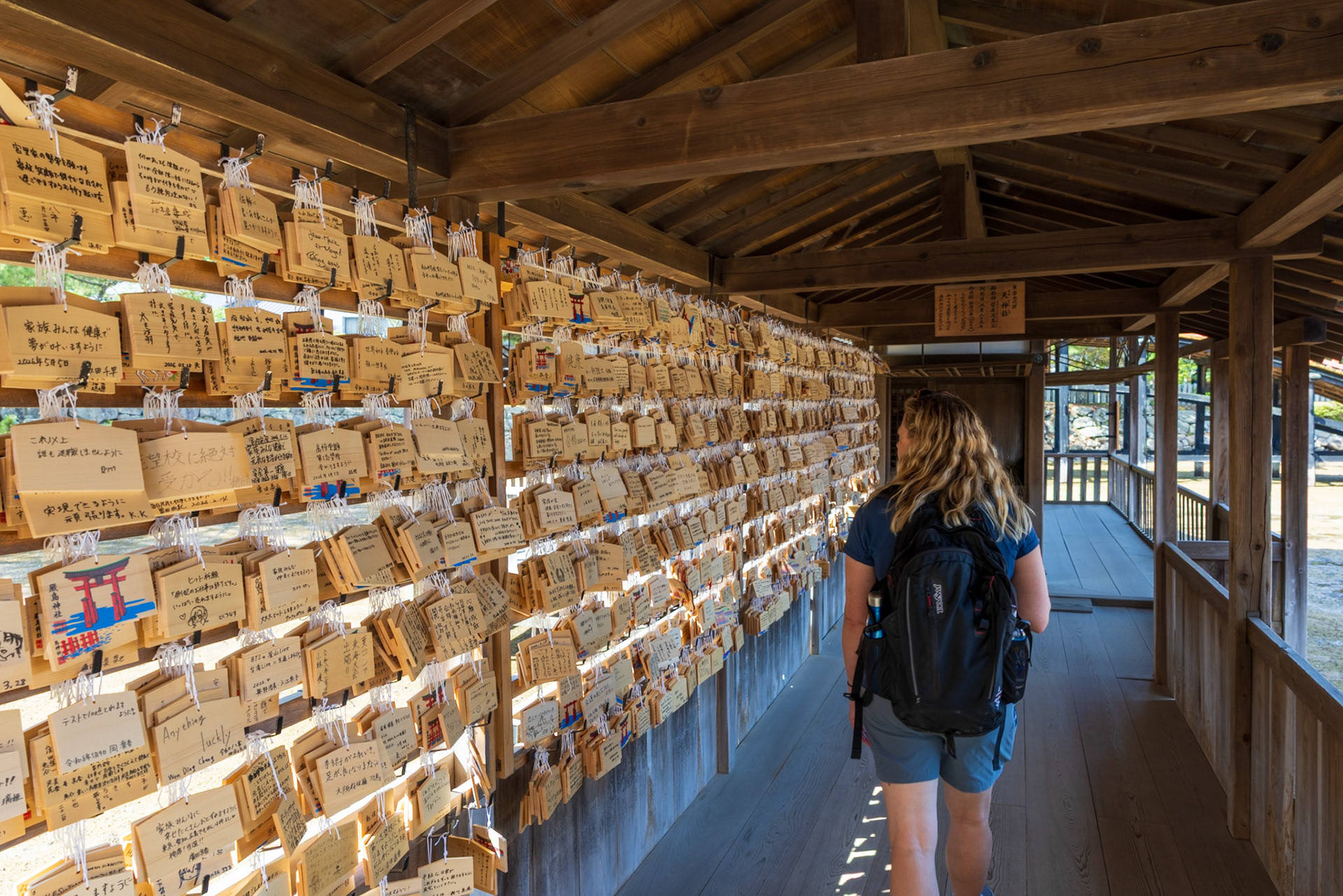

Daisho-in Temple — This was our first exposure to Kobo Daishi and his spreading of Shingon Buddhism. We didn’t realize at the time that our trip to Koyasan a few days later would bring us to the place where he would establish the grand headquarters for his monastic sect a decade later.

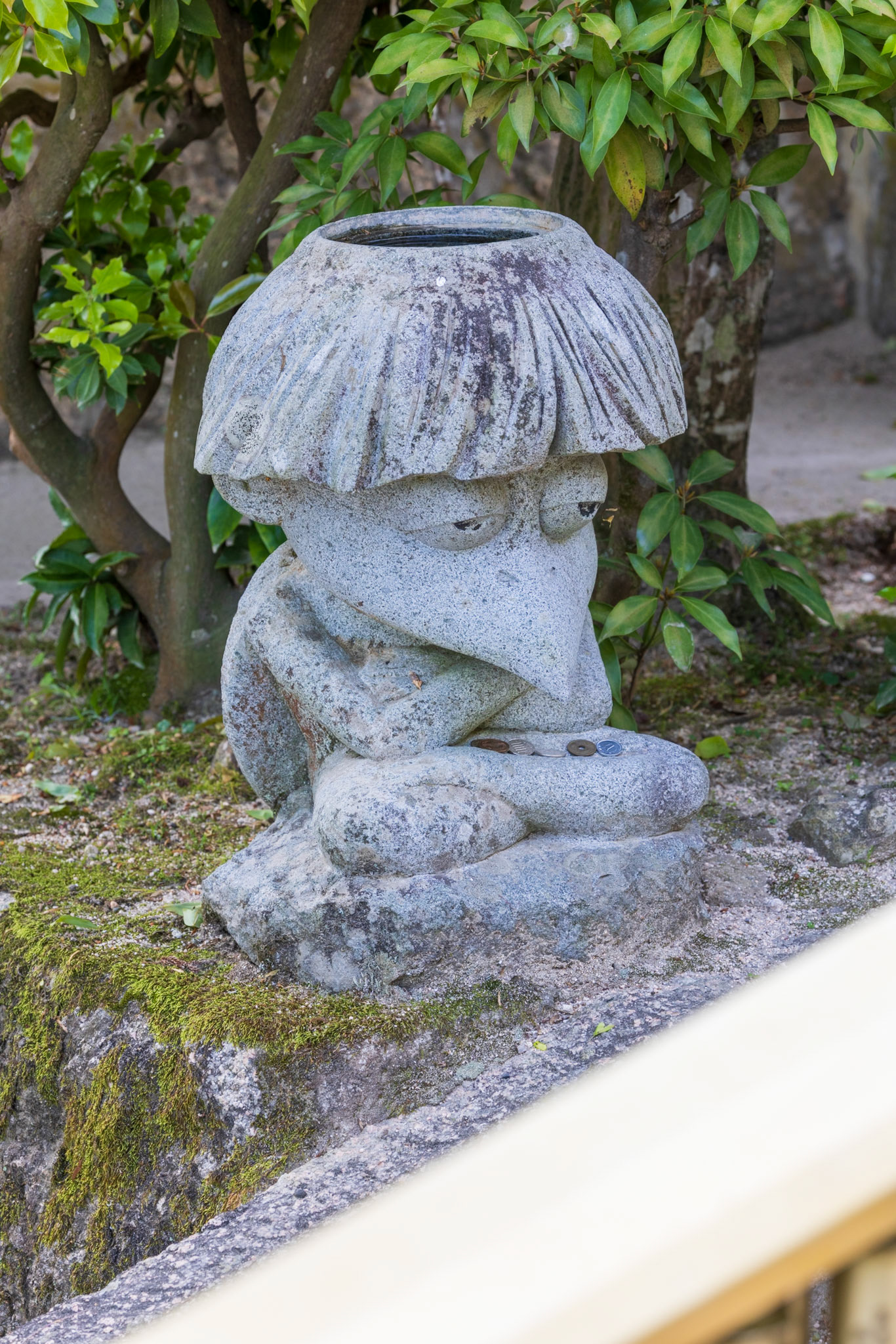
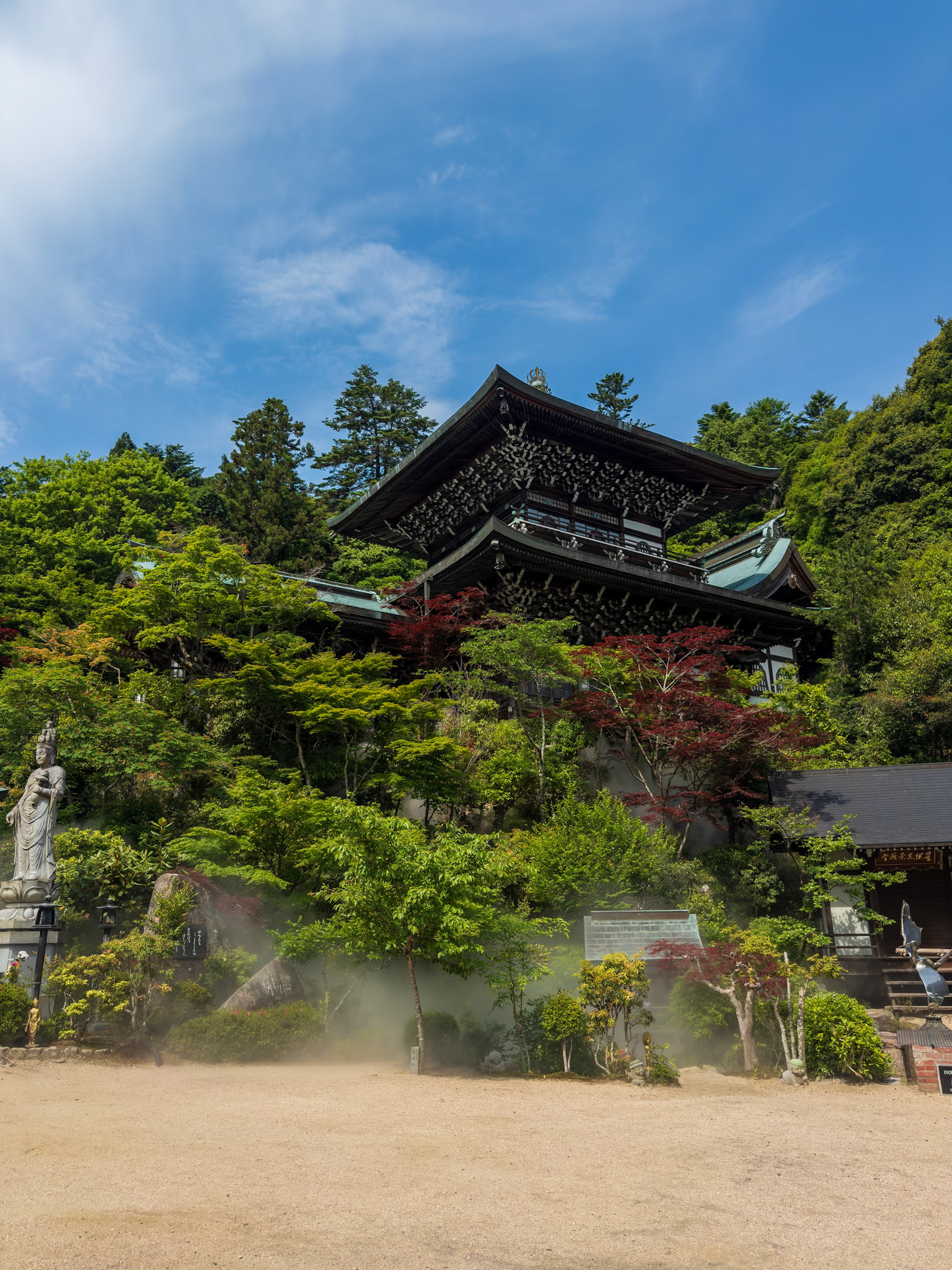
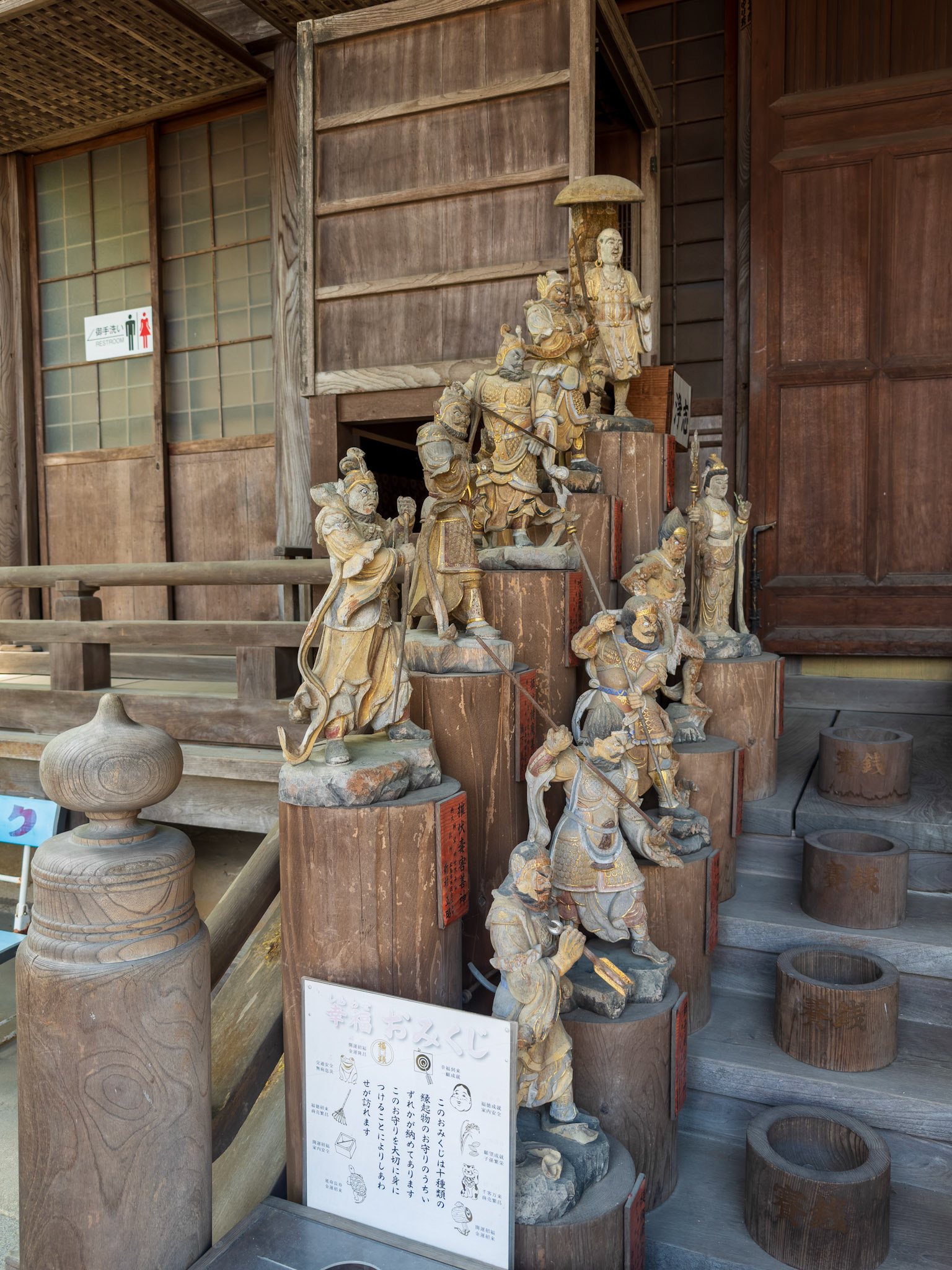

The Mani Wheel Steps: Built into the handrails of the main approach are dozens of spinning metal cylinders inscribed with sacred Buddhist scriptures (sutras). Walking up the stairs while turning these wheels with your hand is believed to grant the traveler the same spiritual blessings as physically reading the entire library of prayers.
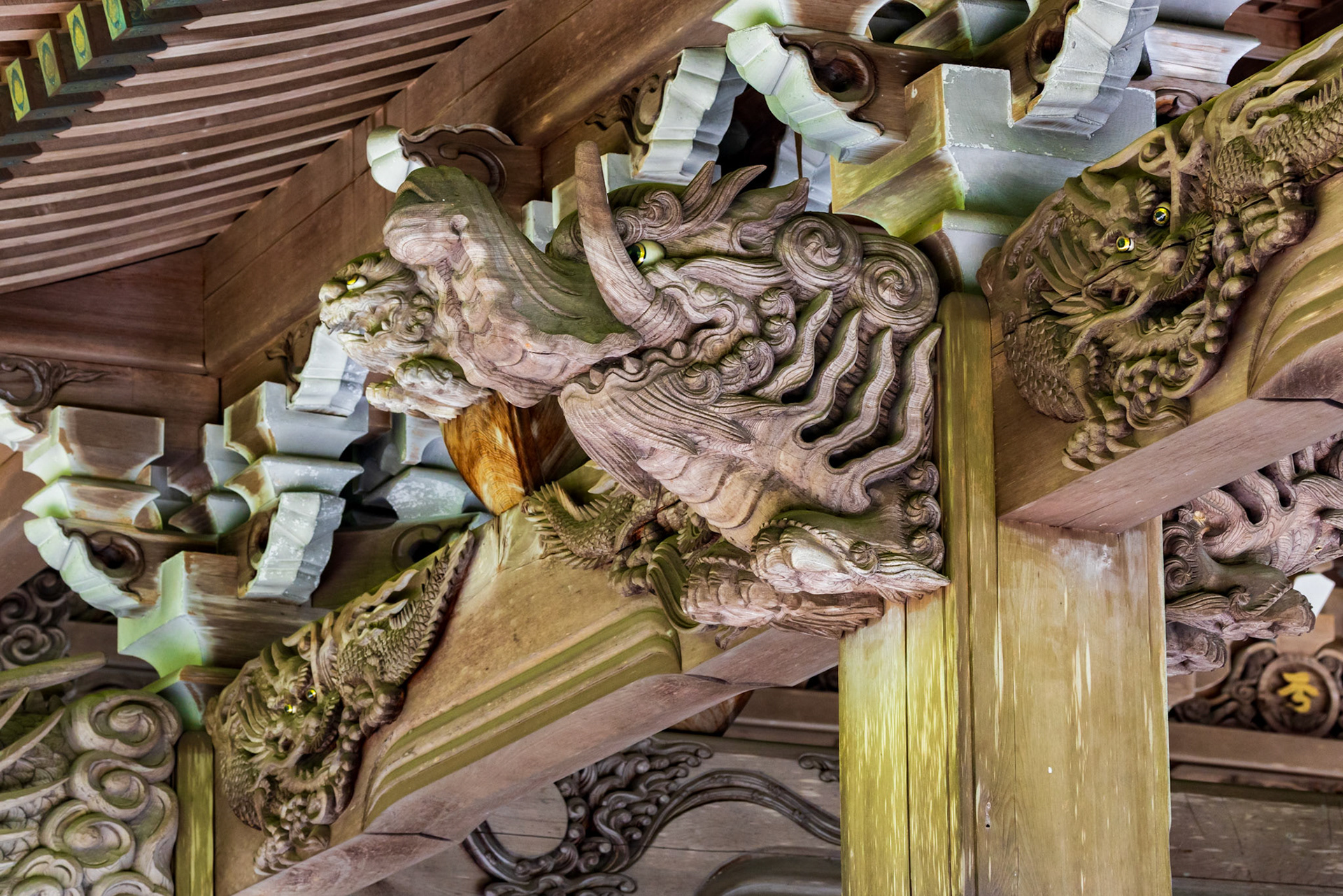
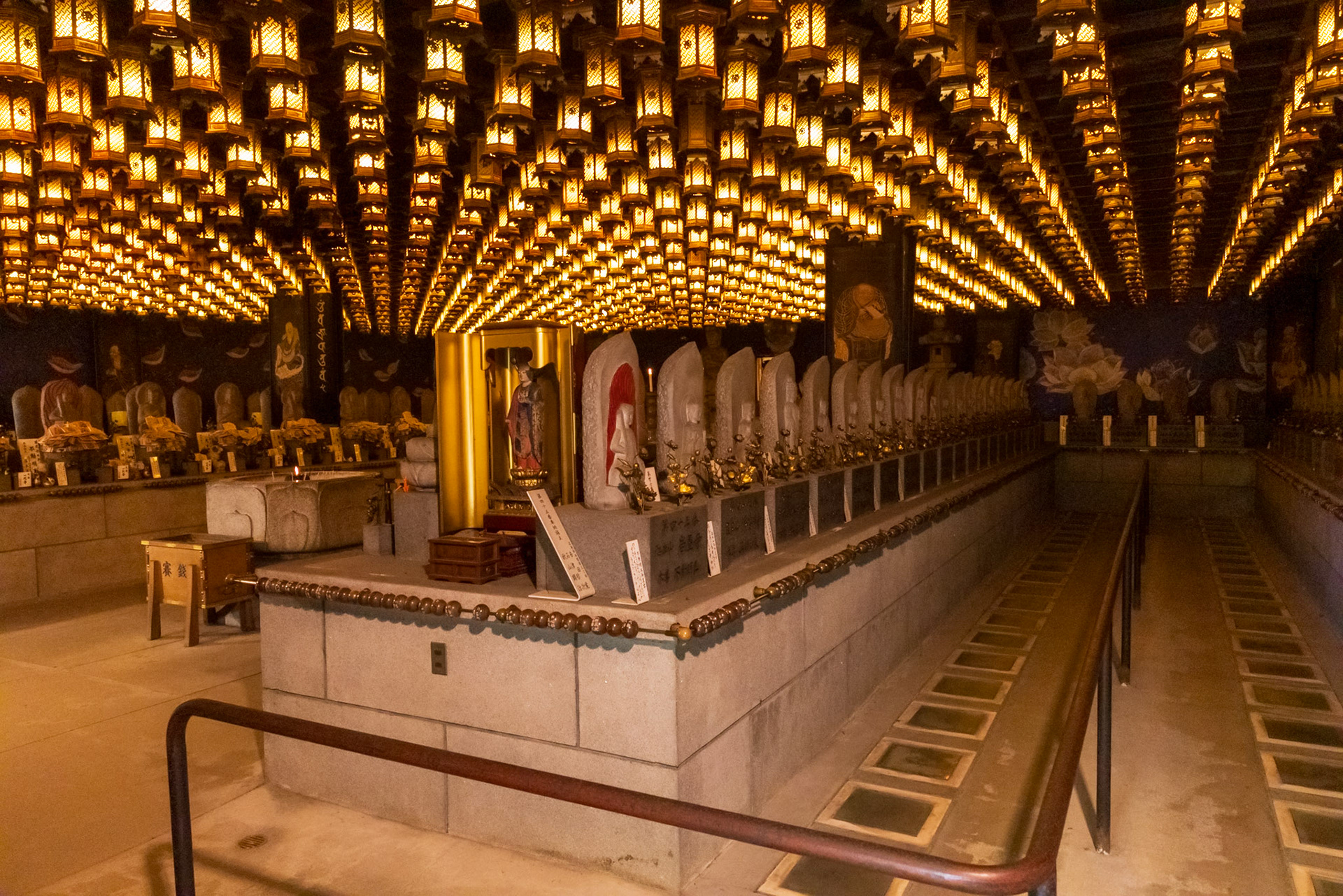
The Henjokutsu Cave: Tucked away on the grounds is a dim, atmospheric subterranean cave illuminated entirely by the soft glow of hanging lanterns. It houses standard icons from all 88 temples of the famous Shikoku Pilgrimage route, allowing visitors to symbolically complete the entire multi-week pilgrimage by walking across a path of sand collected from each sacred site.

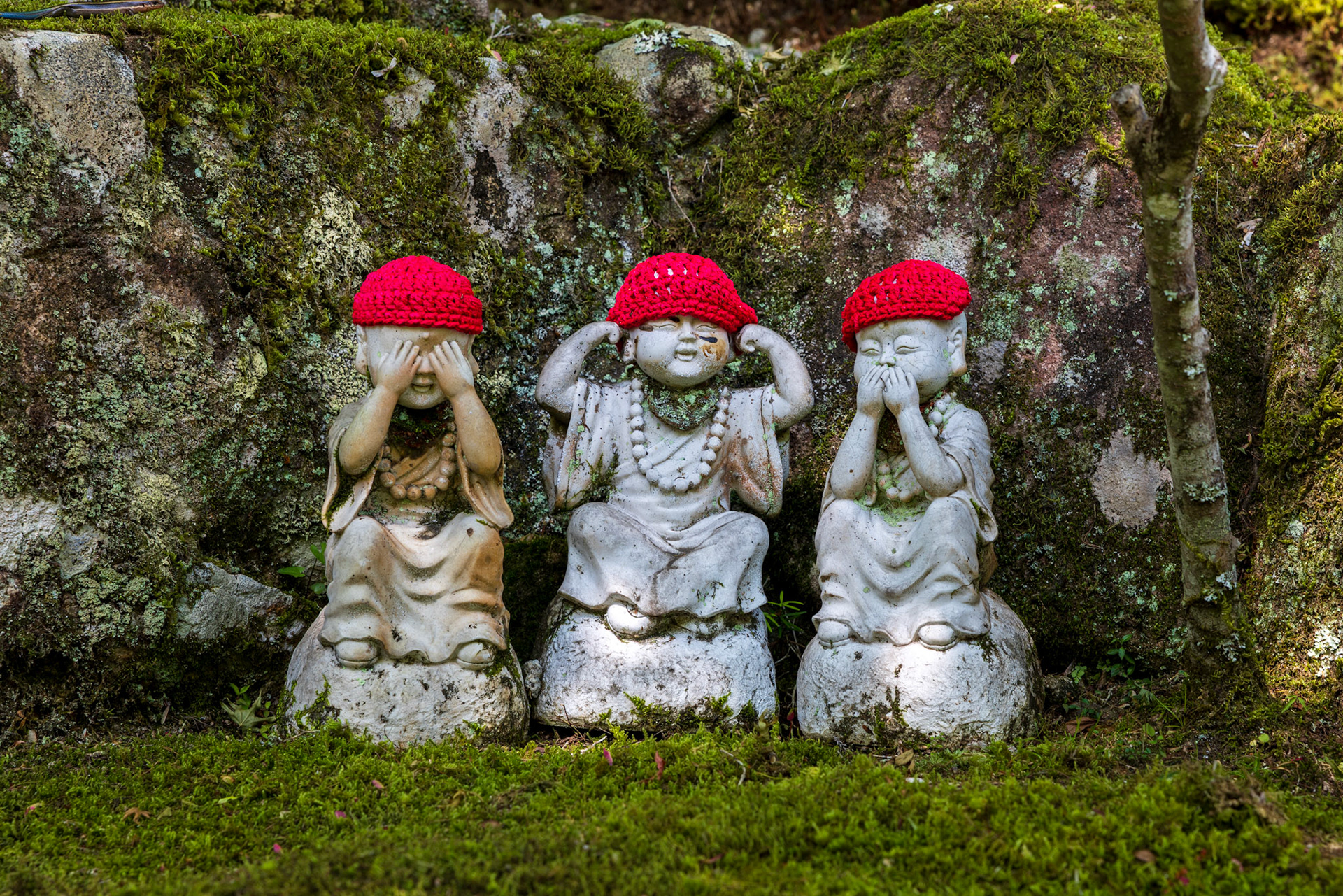
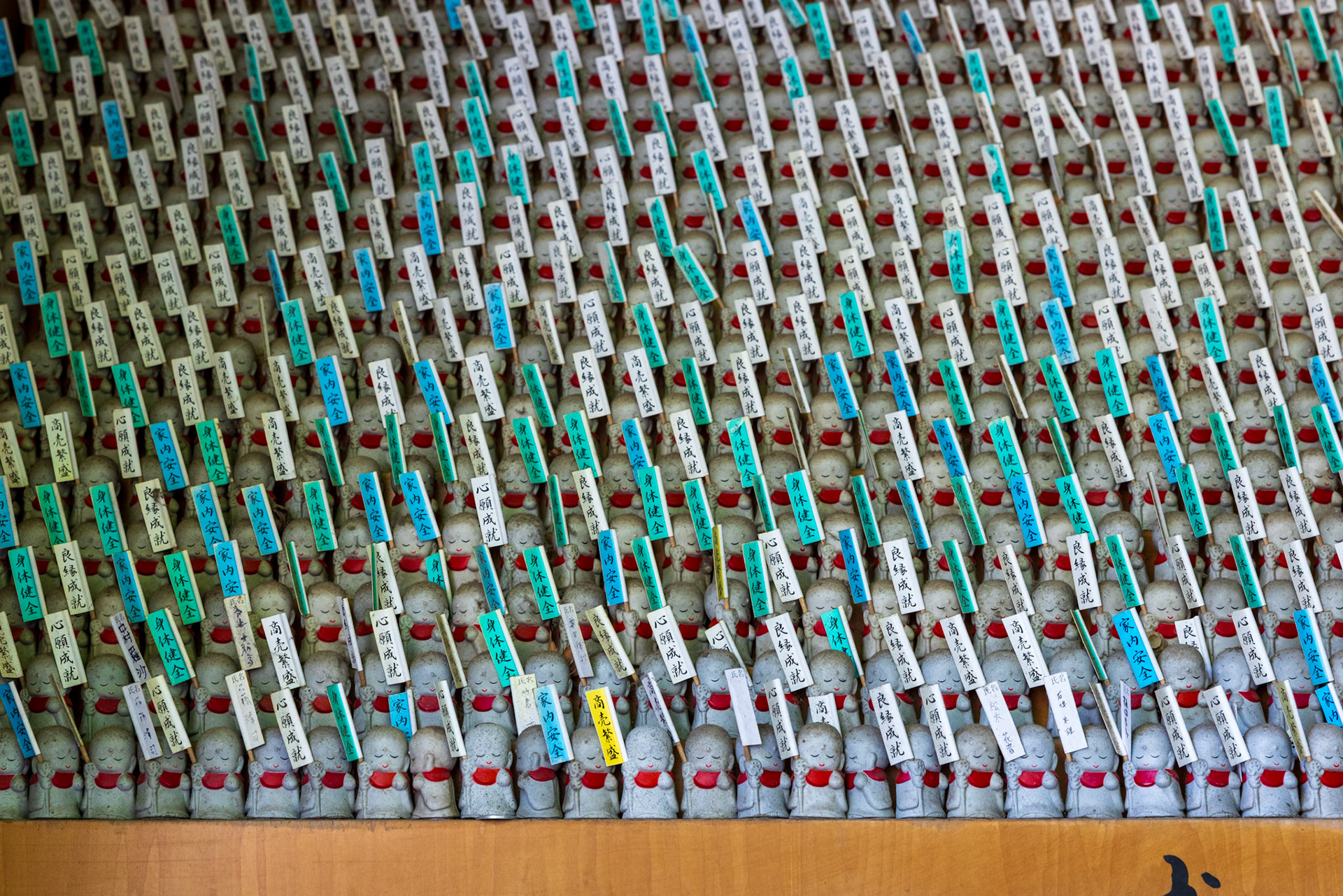


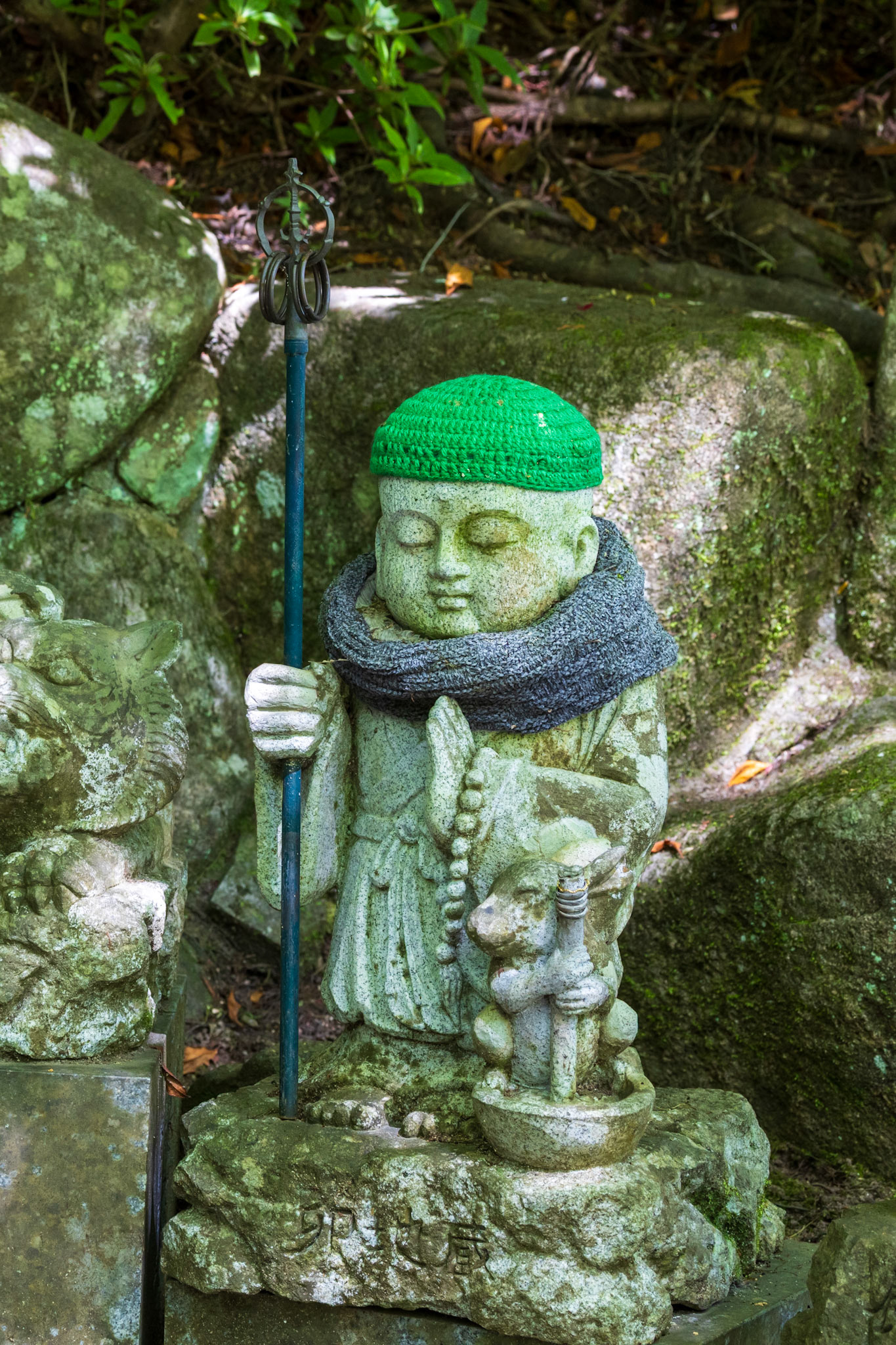
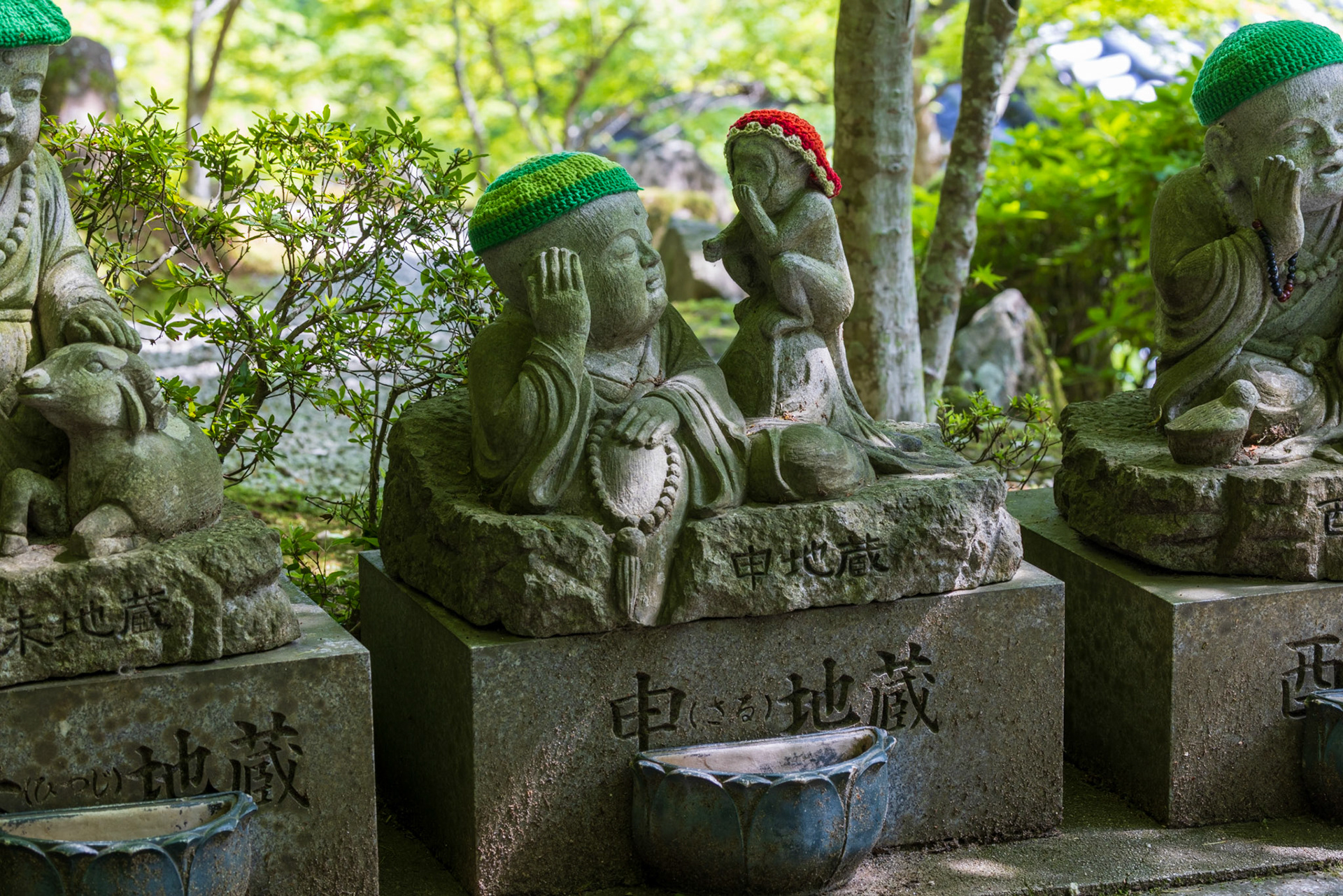
The 500 Rakan Statues: Lining the main stone steps leading into the temple grounds are hundreds of unique, small stone statues representing the disciples of Buddha. Each individual statue wears a unique, hand-knit colorful winter hat and features a completely distinct facial expression, ranging from serene and meditative to joyful and mischievous.

Miyajima Island and Mt. Misen Hike - We started our day off by taking LUUP bikes from our hotel to the metro station, taking the metro (with all the school children) to the ferry and the ferry to Miyajima Island. The trip would be a little easier with a boat ride back to the Peace Memorial Park and a short ride to our hotel.
Our hike to the summit of Mt. Misen ended up being our biggest of the trip. It wasn't a really hard hike but it was steep and long enough to feel like a real hike and we were thankful we got a snack before heading up the mountain.
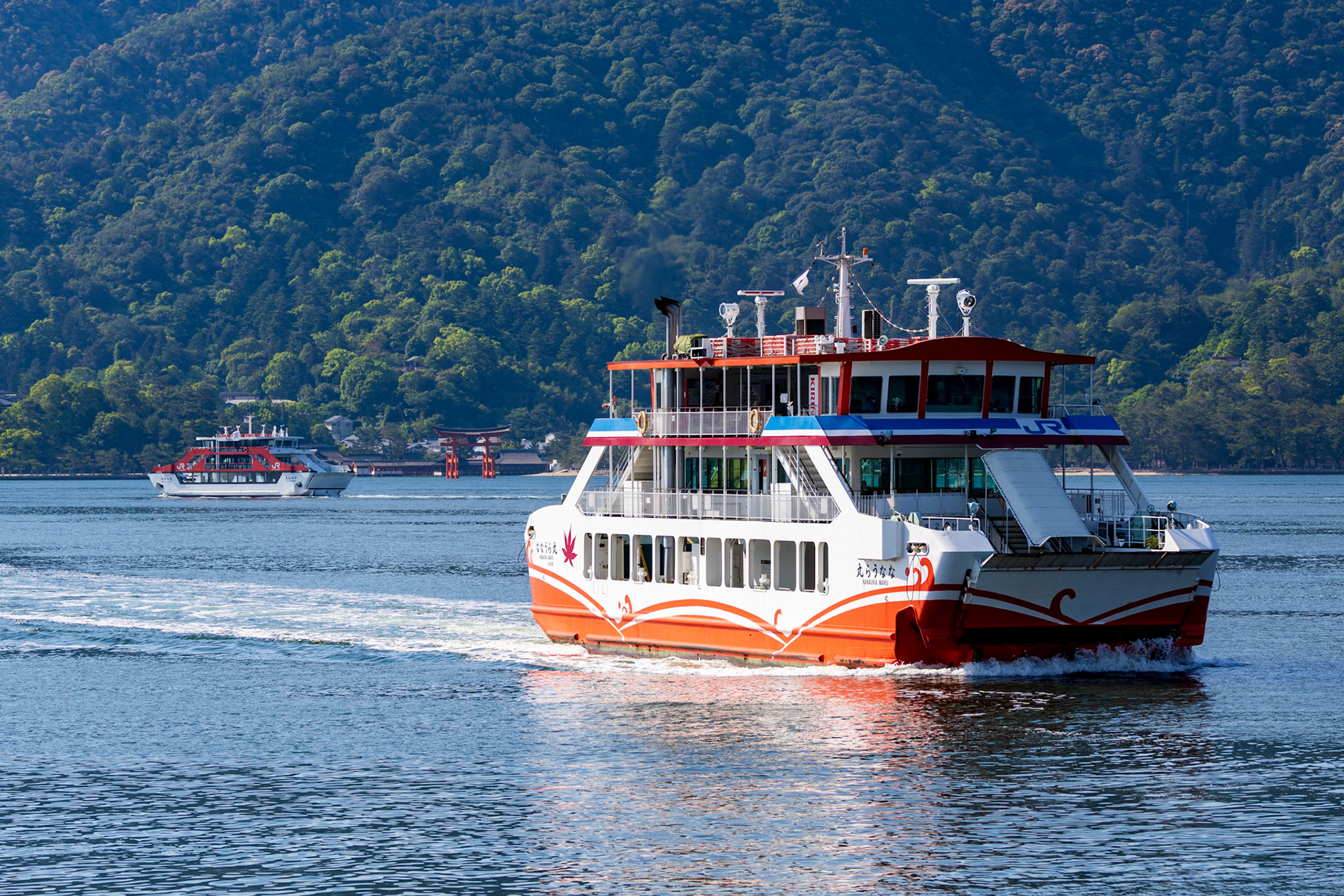
Miyajima Ferry
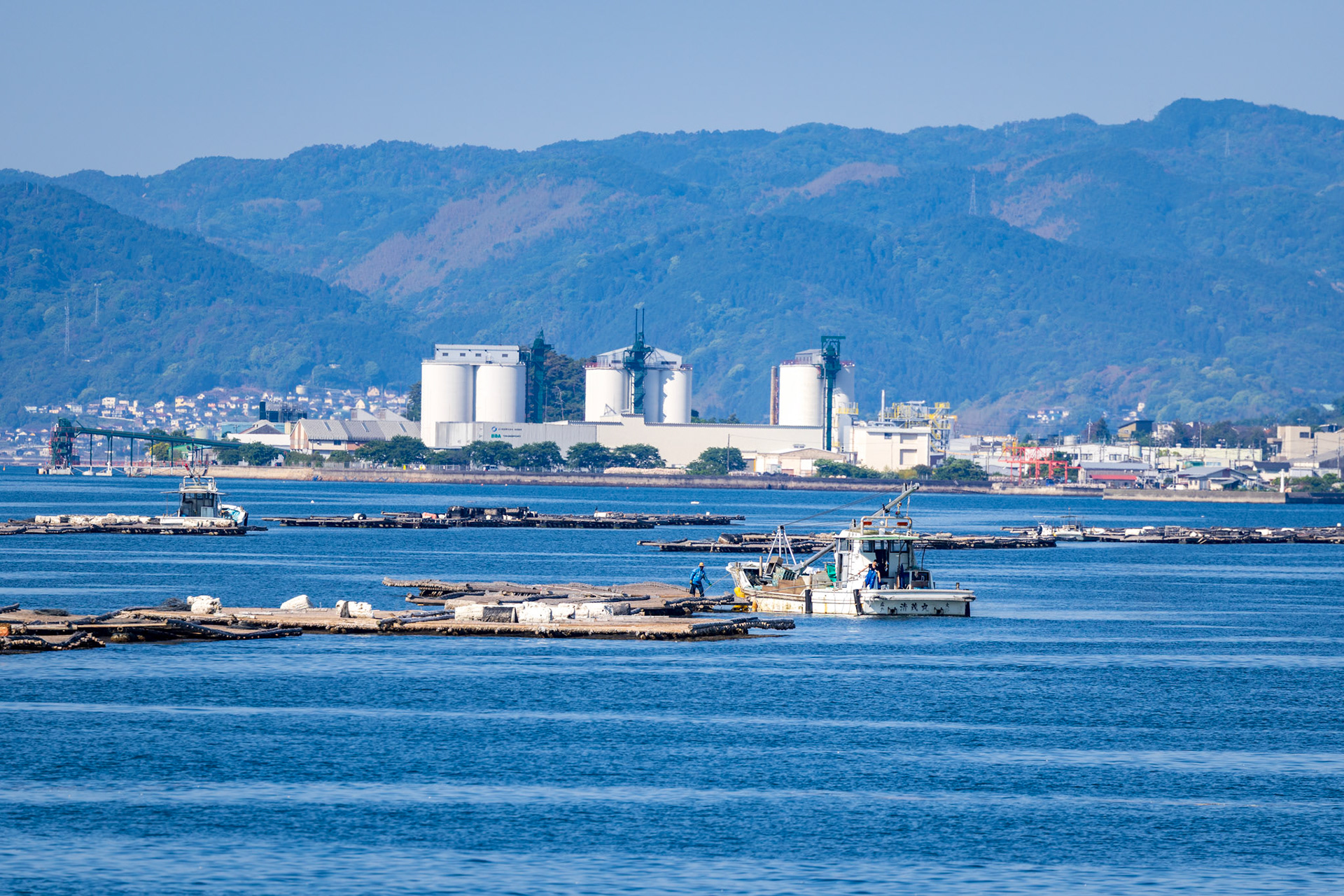
Oyster Farming

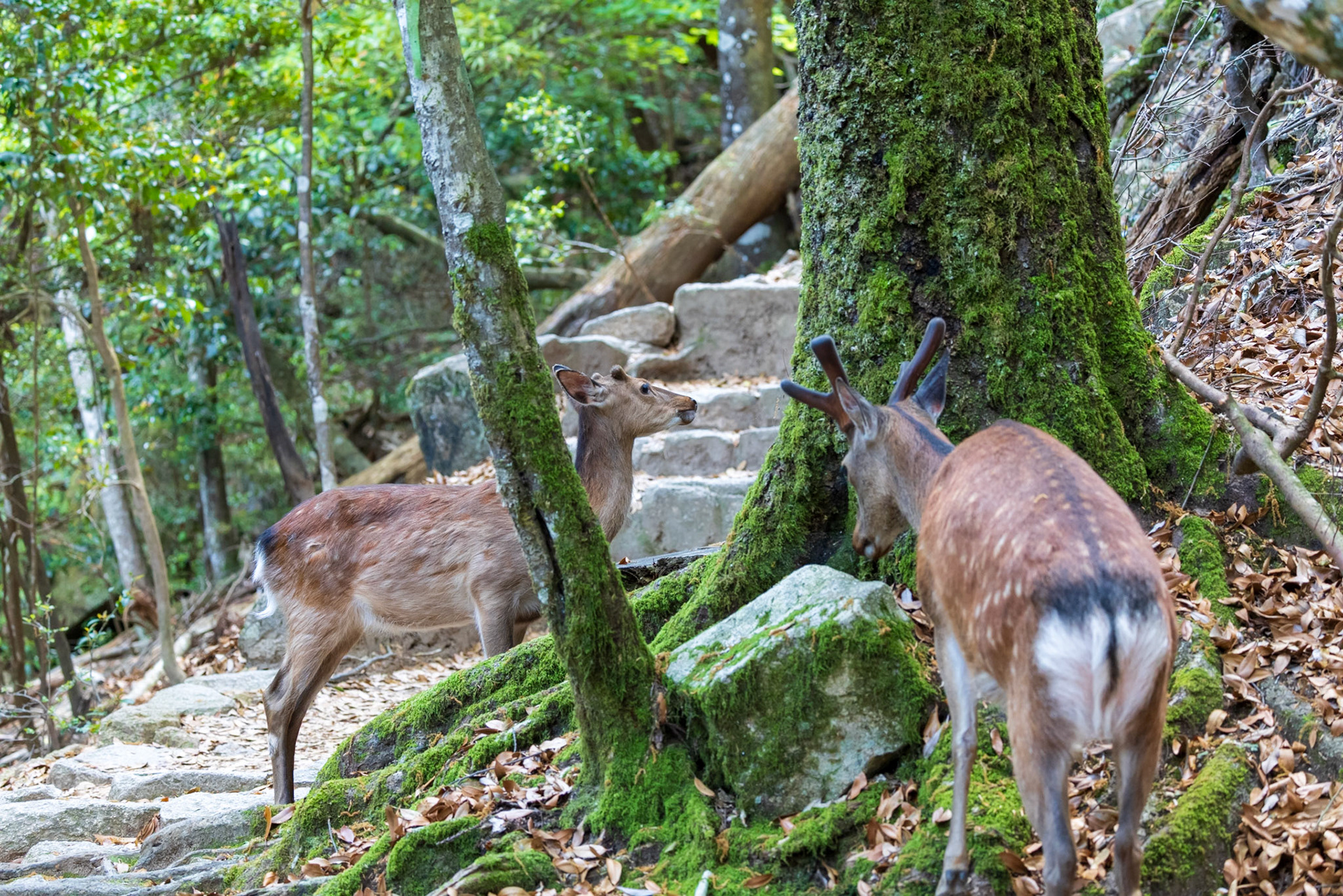
So many stairs on our hike

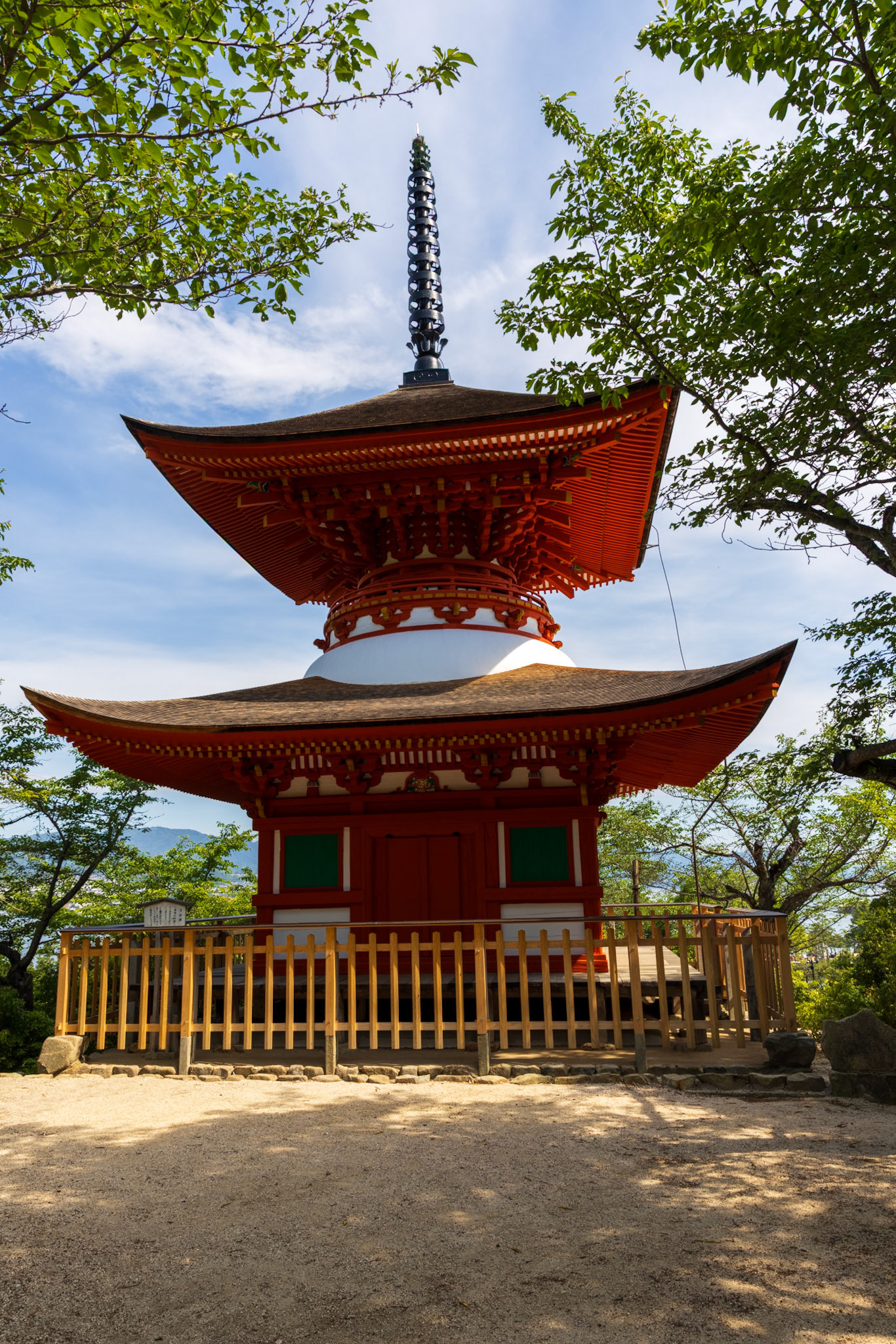
A temple near the summit of Mt. Misen

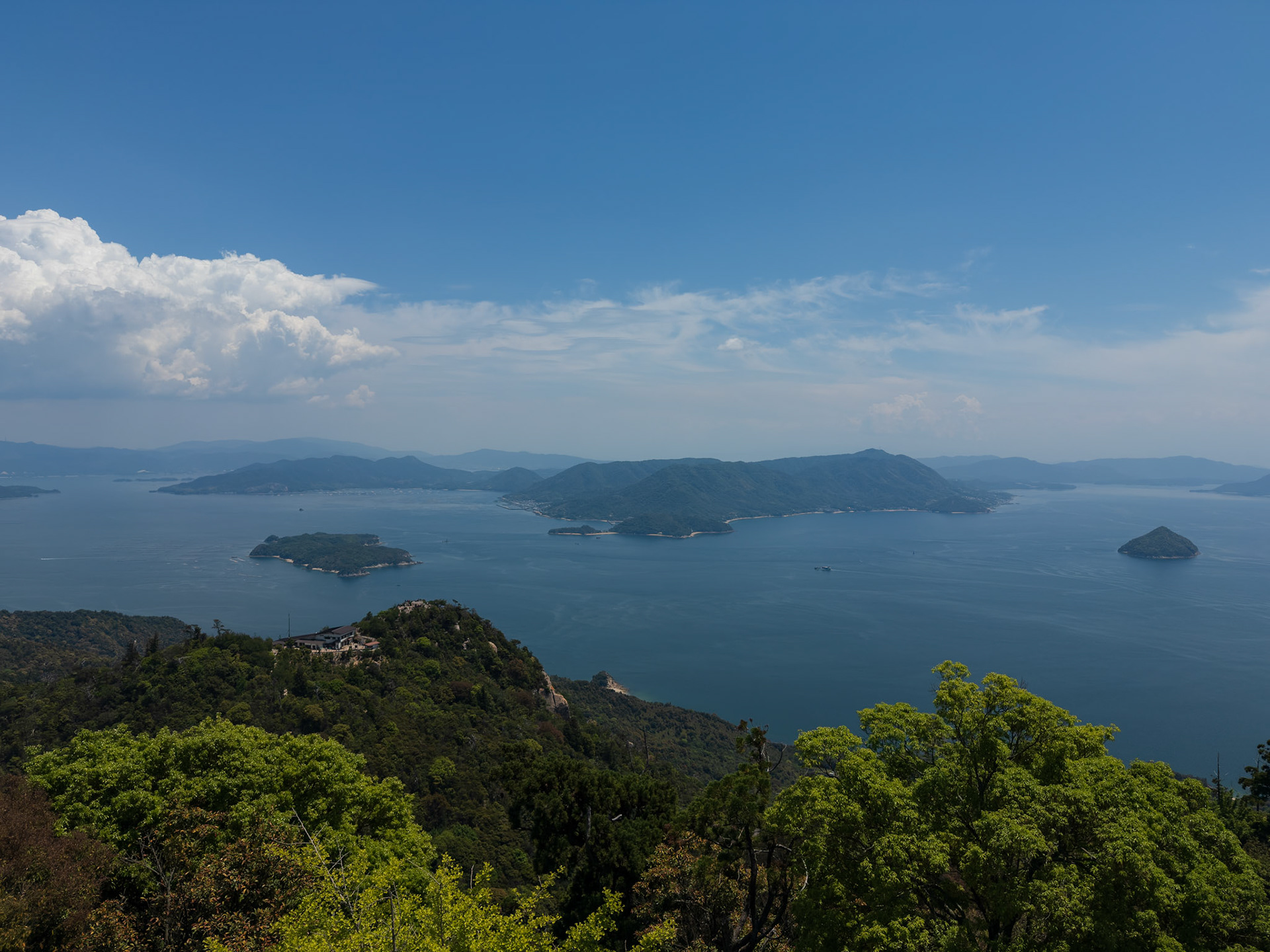
View from the summit of Mt. Misen
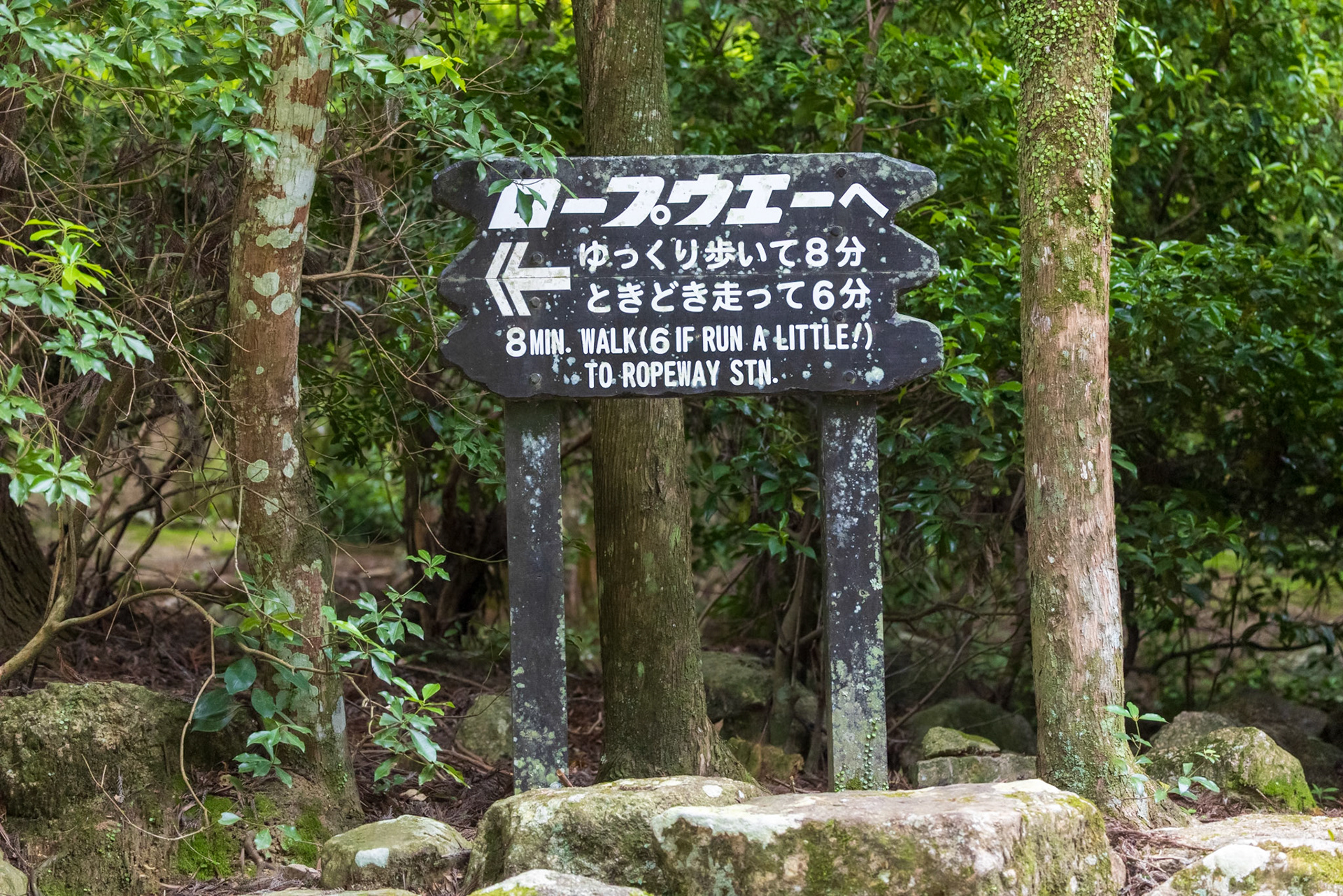
Funny sign
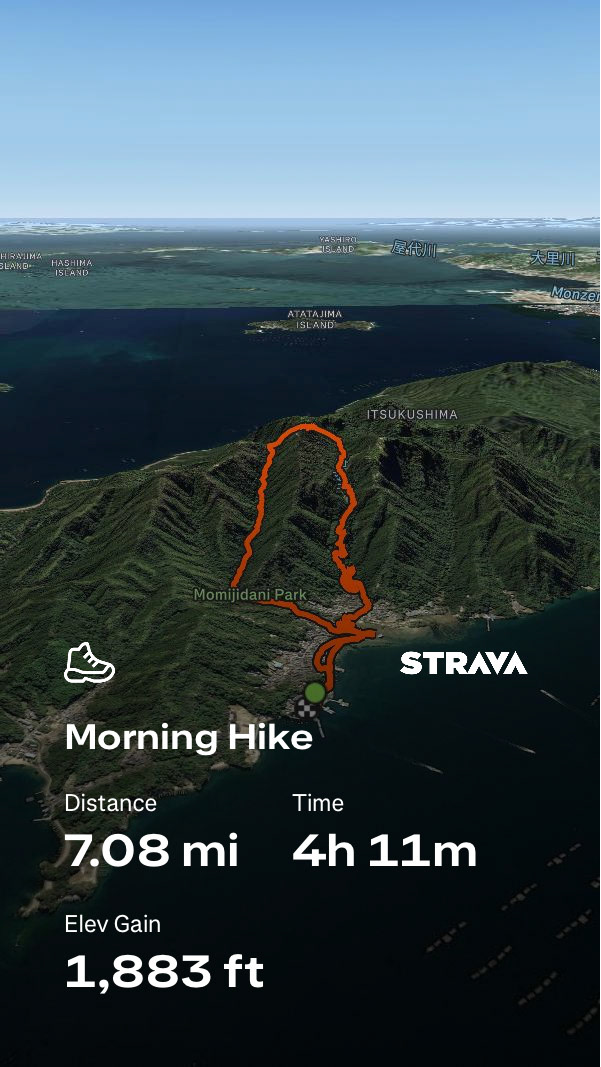
Link to STRAVA Activity Detail
Onomichi - 1 Night
From Hiroshima, we traveled to Onomichi, the starting point for our Shimanami Kaido ride the following day. With an afternoon to explore the town, we took the Mt. Senkoji Ropeway up to the summit and wandered back down through the hillsides, checking out several historic temples and shrines along the way. Our favorite part of Onomichi, however, had to be the local style of ramen, which features a savory broth topped with rich, melted pork fat.

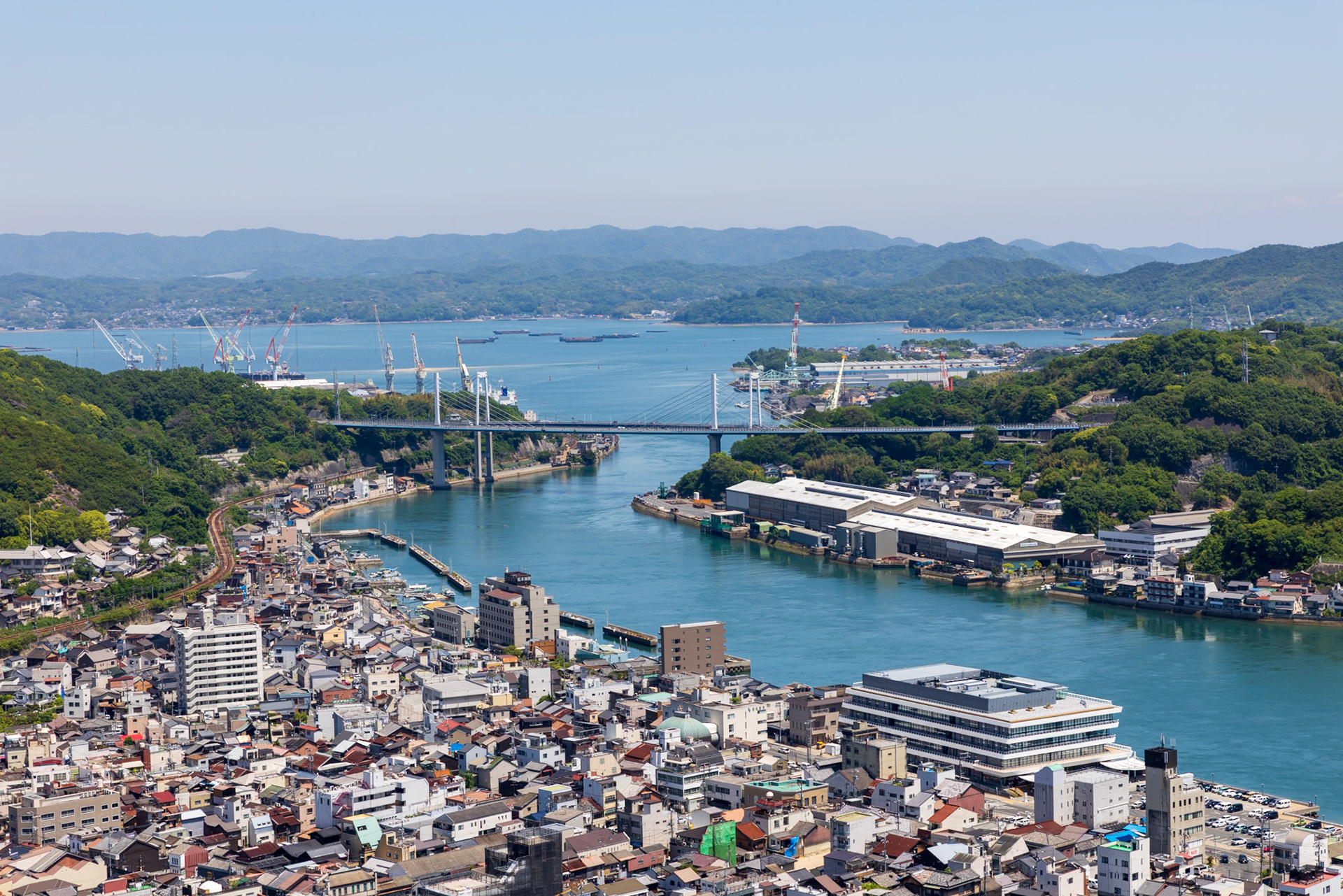
View from the top of the ropeway
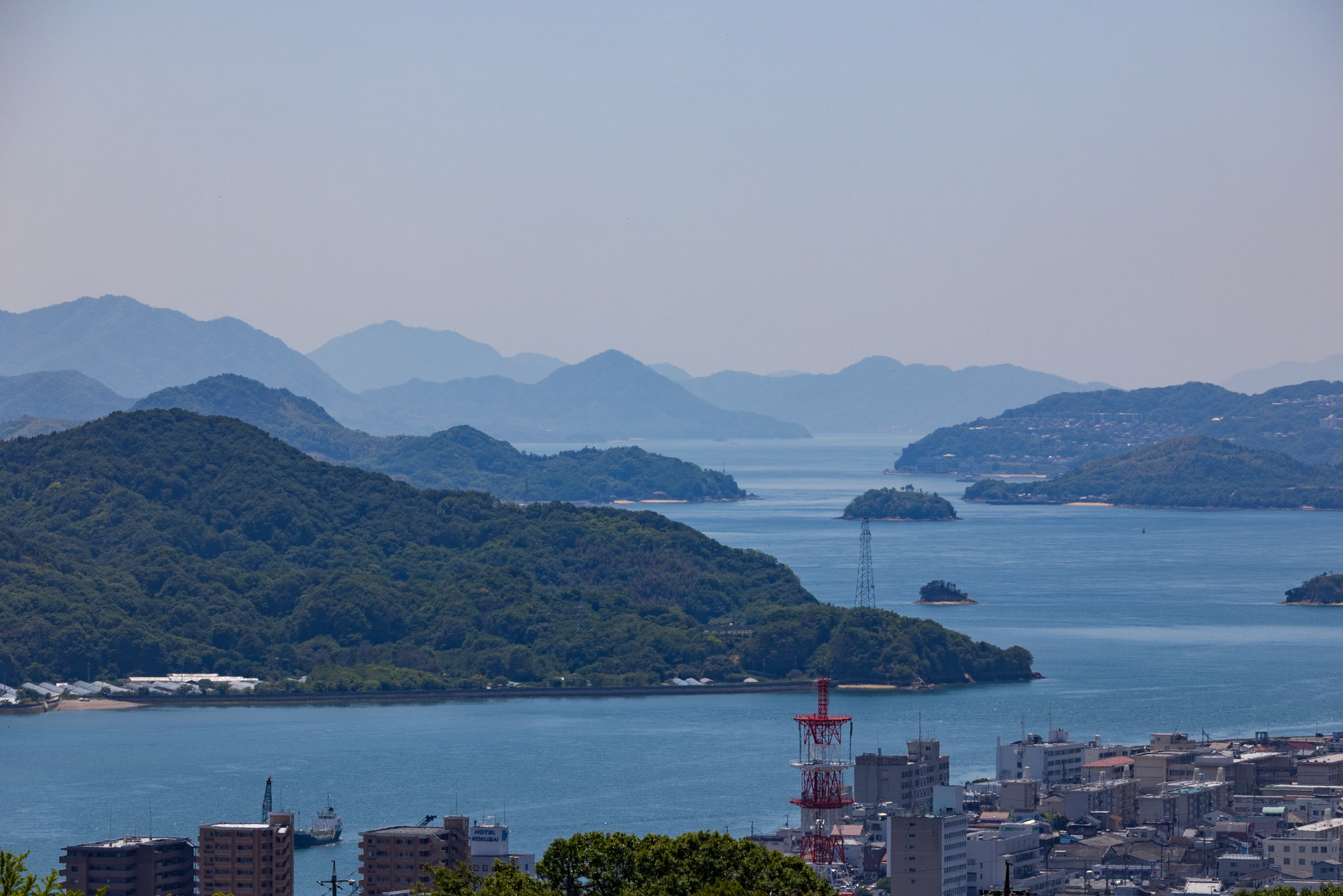
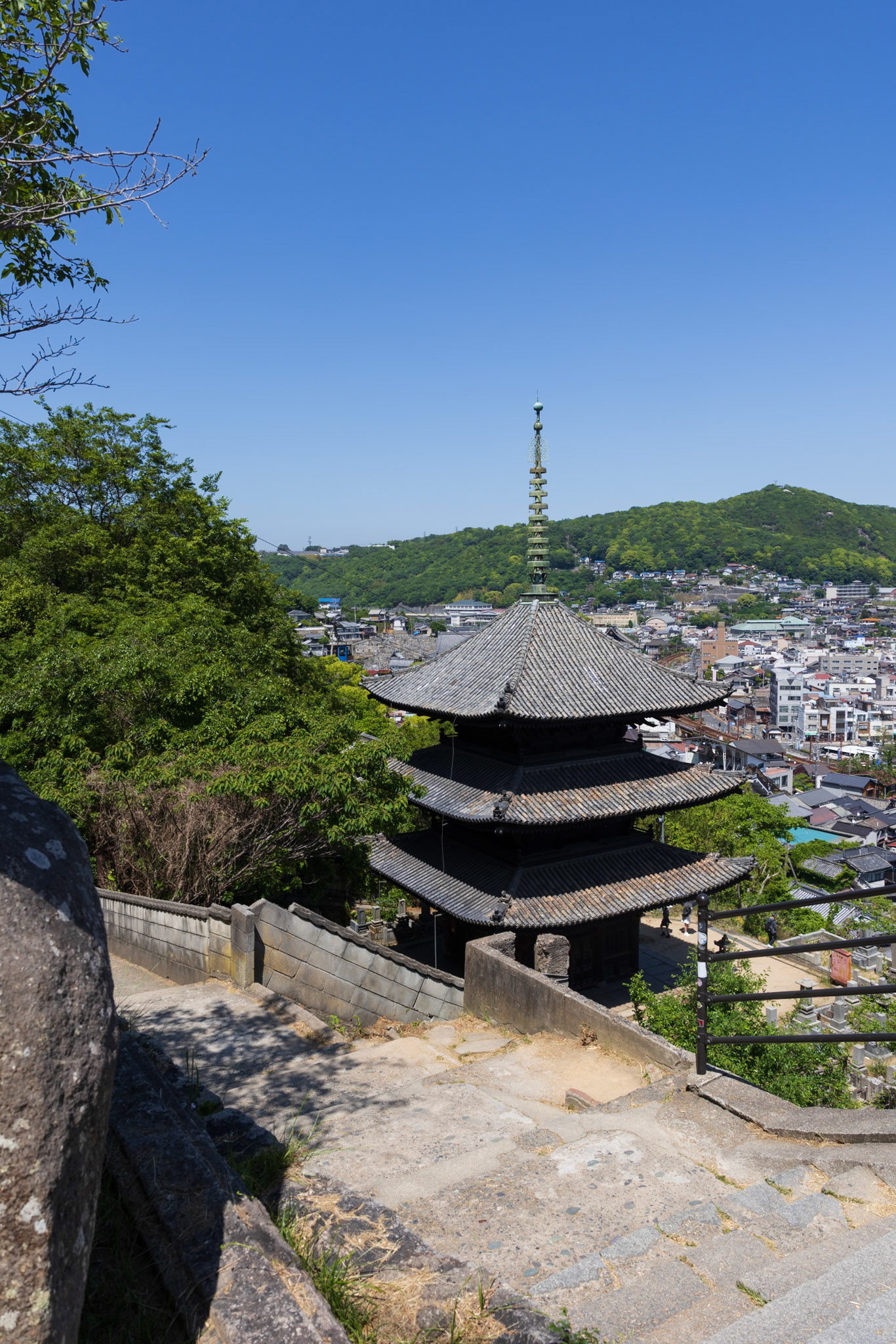

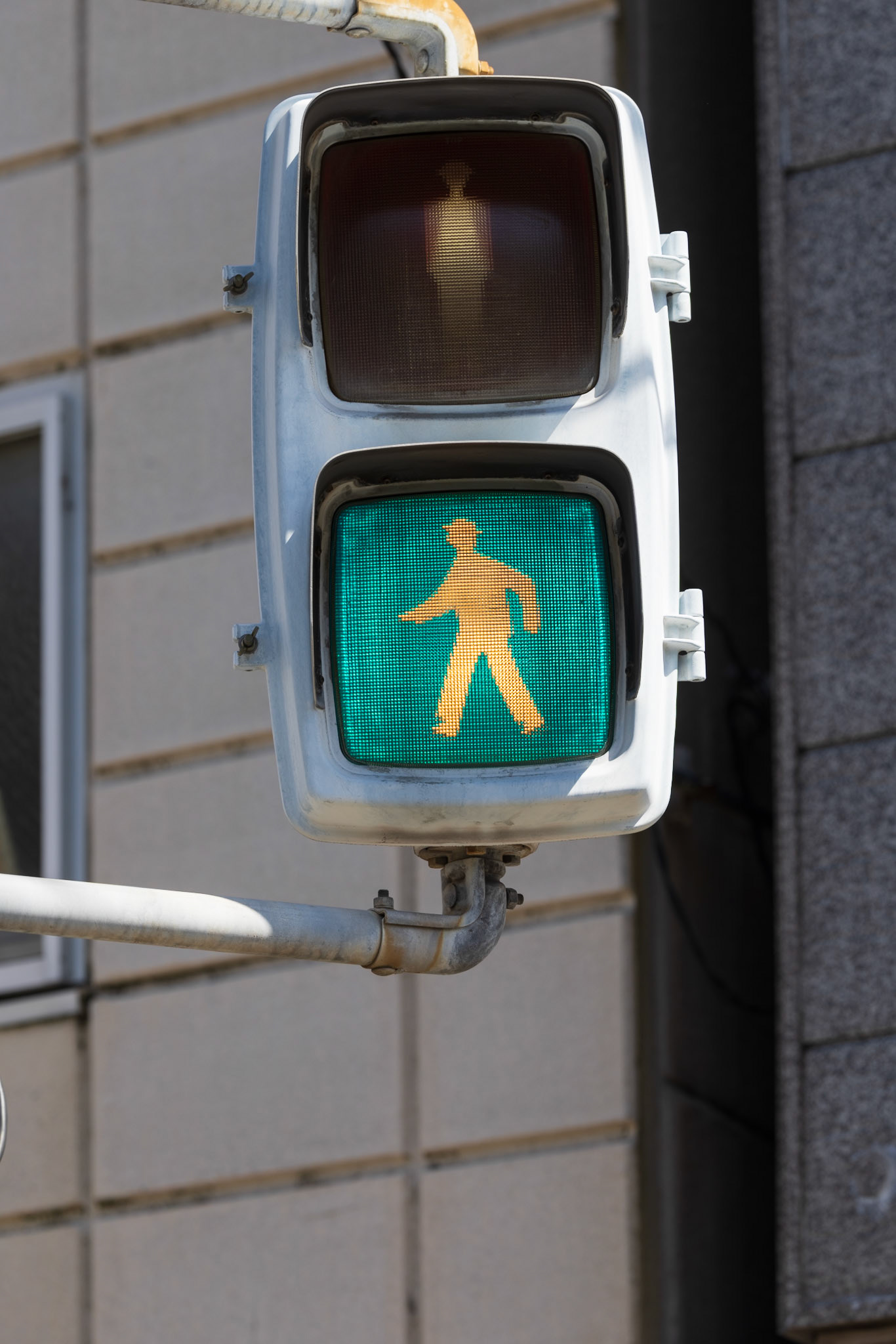
Walk sign, cuz men where hats

View of the Mt. Senkoji Ropeway from afar
Shimanami kaido 7 Bridges Bike Ride - 2 days
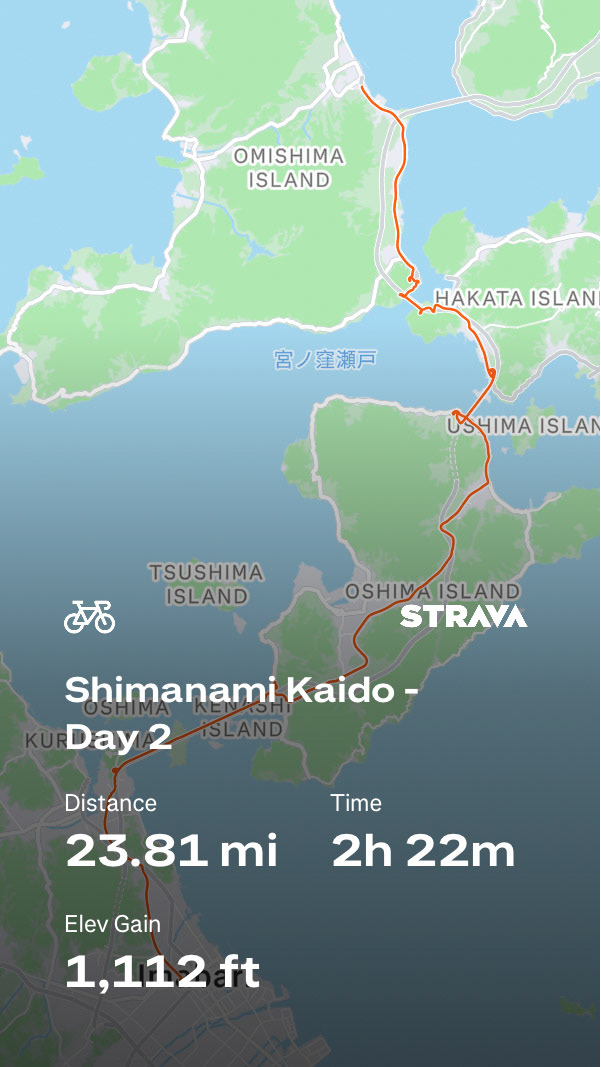
This ride was one of the first things on my to-do list for Japan. After seeing pictures and reels about it, I was really excited to experience it for myself. It wasn't a long ride (50 miles), but we wanted to take our time and enjoy the scenery with stops along the way, so we split it up over two days. One of our mid-ride stops was the Kosanji Temple, which I'll highlight in the Temple section.
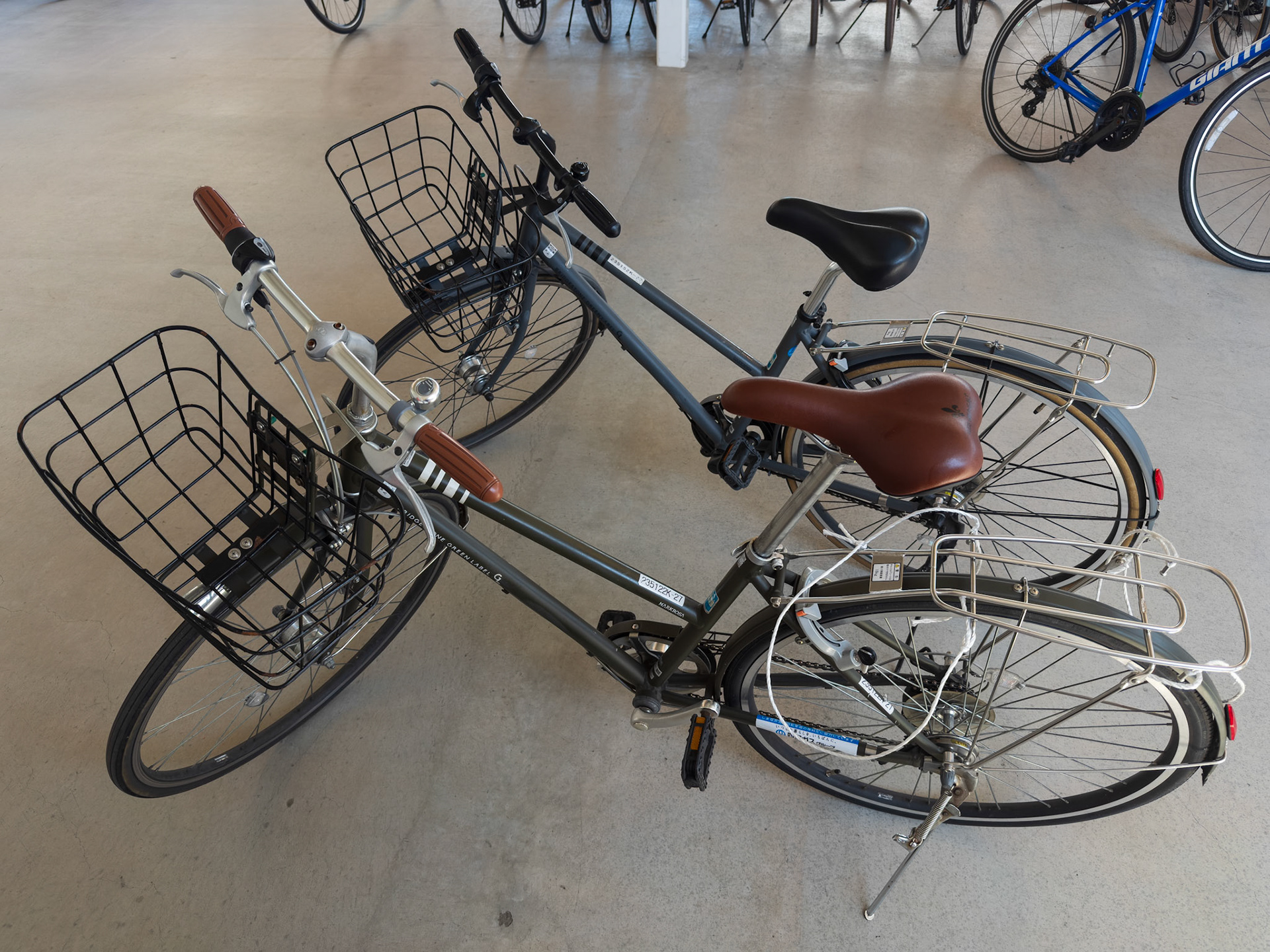
We recommend both of the hotels we stayed at for the ride: Hotel Cycle in Onomichi the night before and WAKKA in Omishima for a mid ride stop. We rented our bikes from the public rental system but there were also several private businesses rental them. They do sell out quickly though so you should reserve well ahead of time.
Our Route:

Link to STRAVA Activity Detail
Link to STRAVA Activity Detail
Ride Photos

Our ferry to the start of the ride

The first island of our ride is often referred to as "Lemon Island". We had great lemonade and lemon ice cream during the ride.
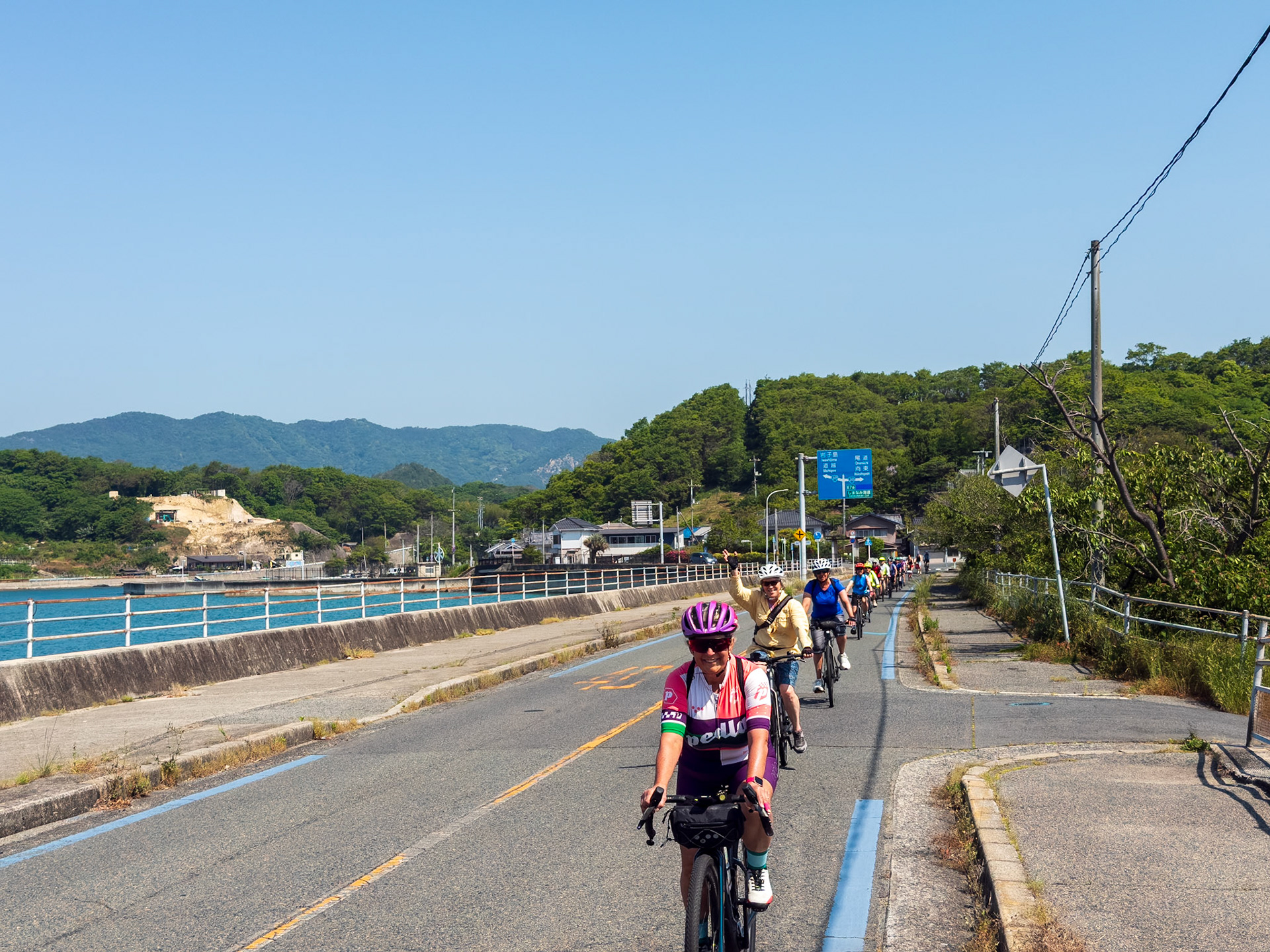
A big group of women cyclist that had been staying at our hotel the night before the ride.
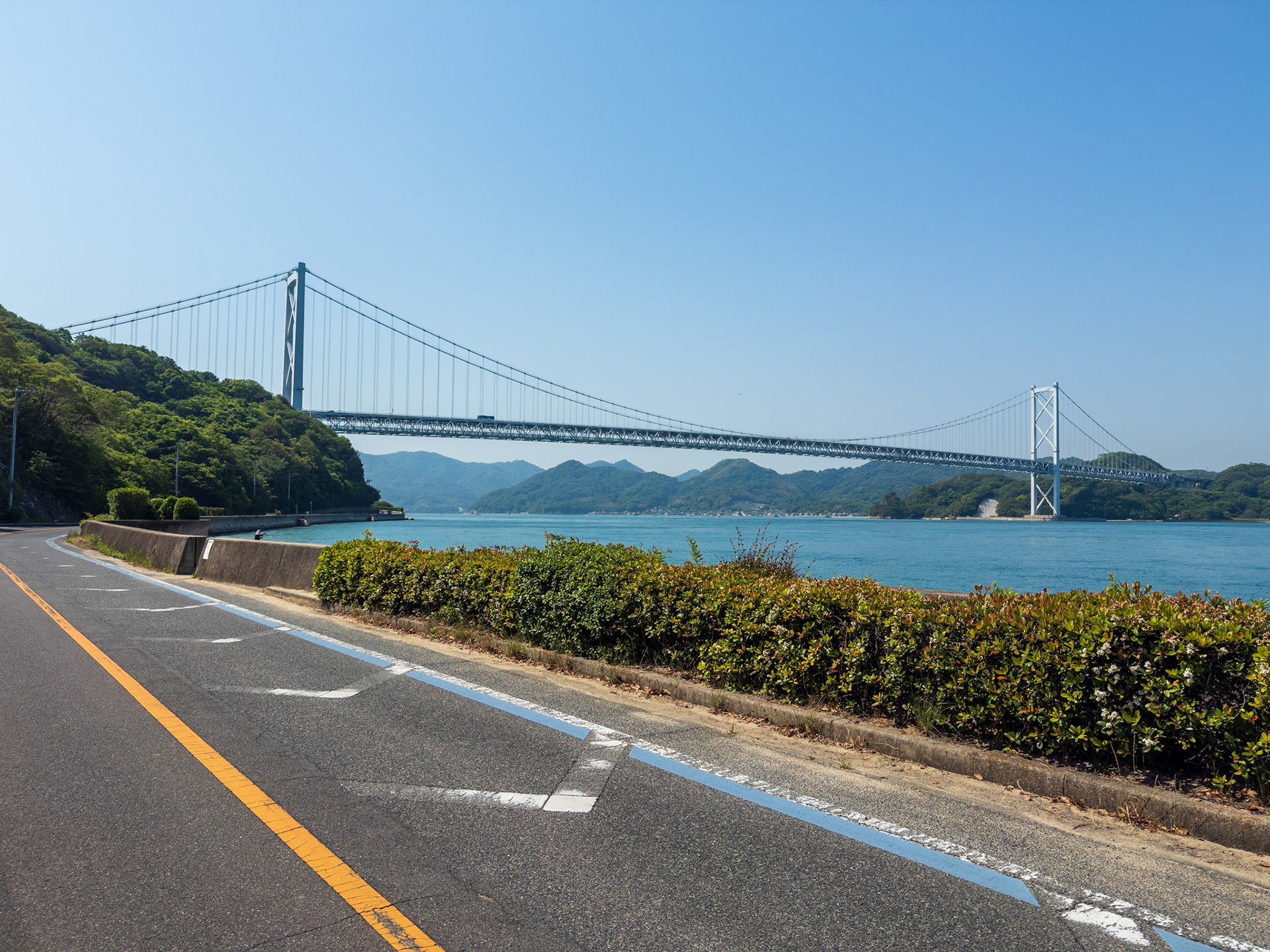
Approaching Bridge 1
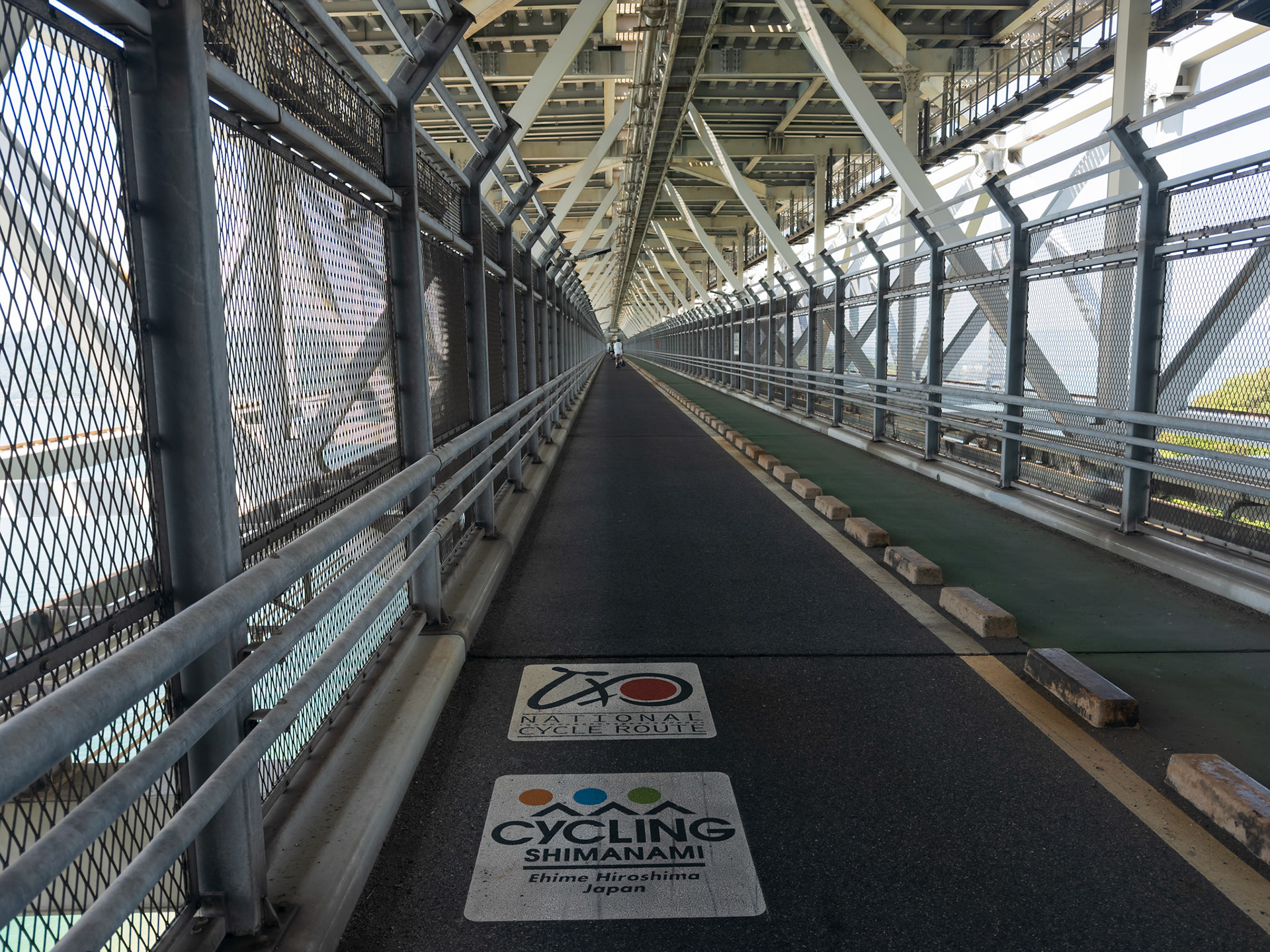
Special bike route under the bridge was nice.
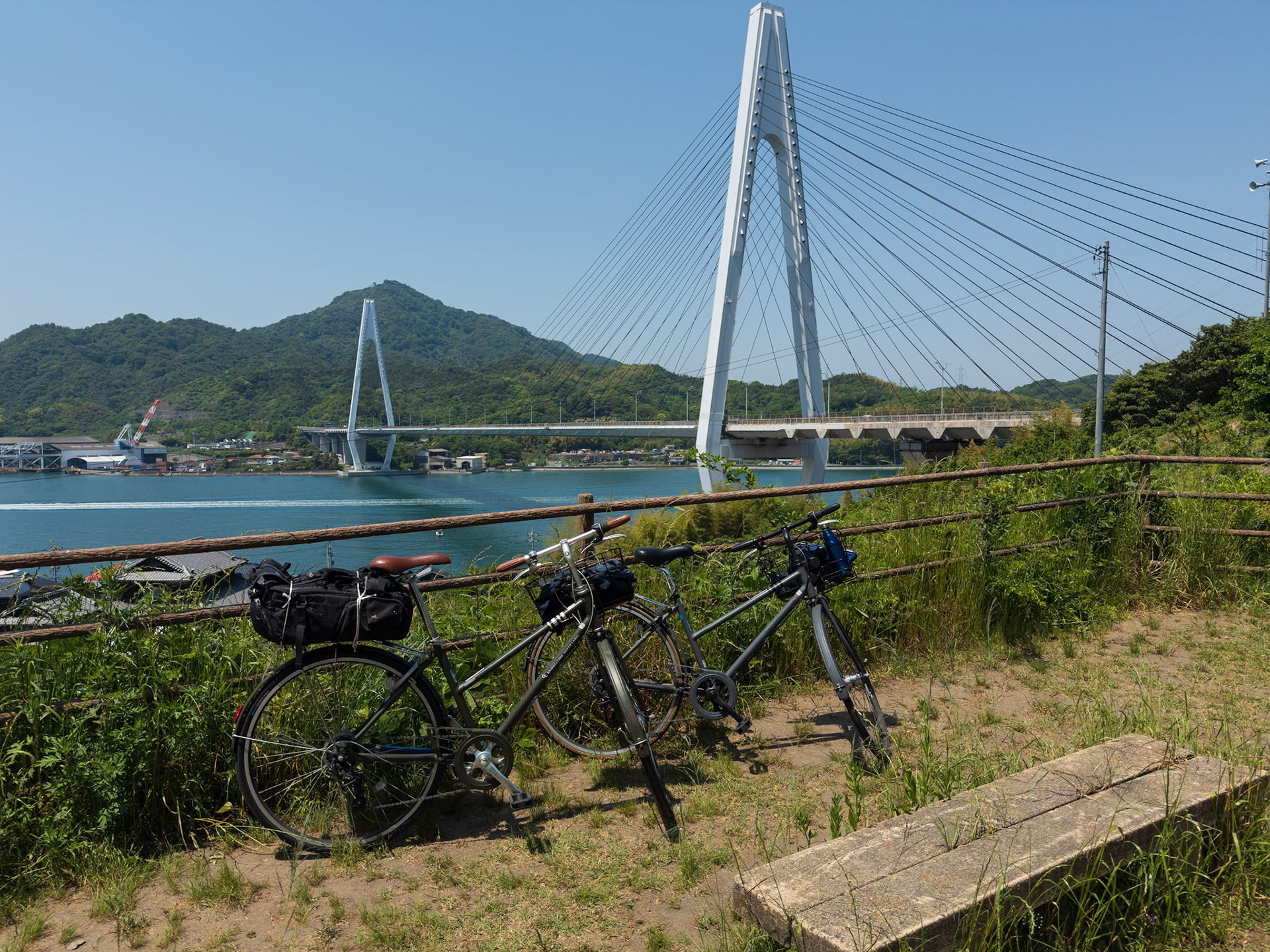
Bridge 2
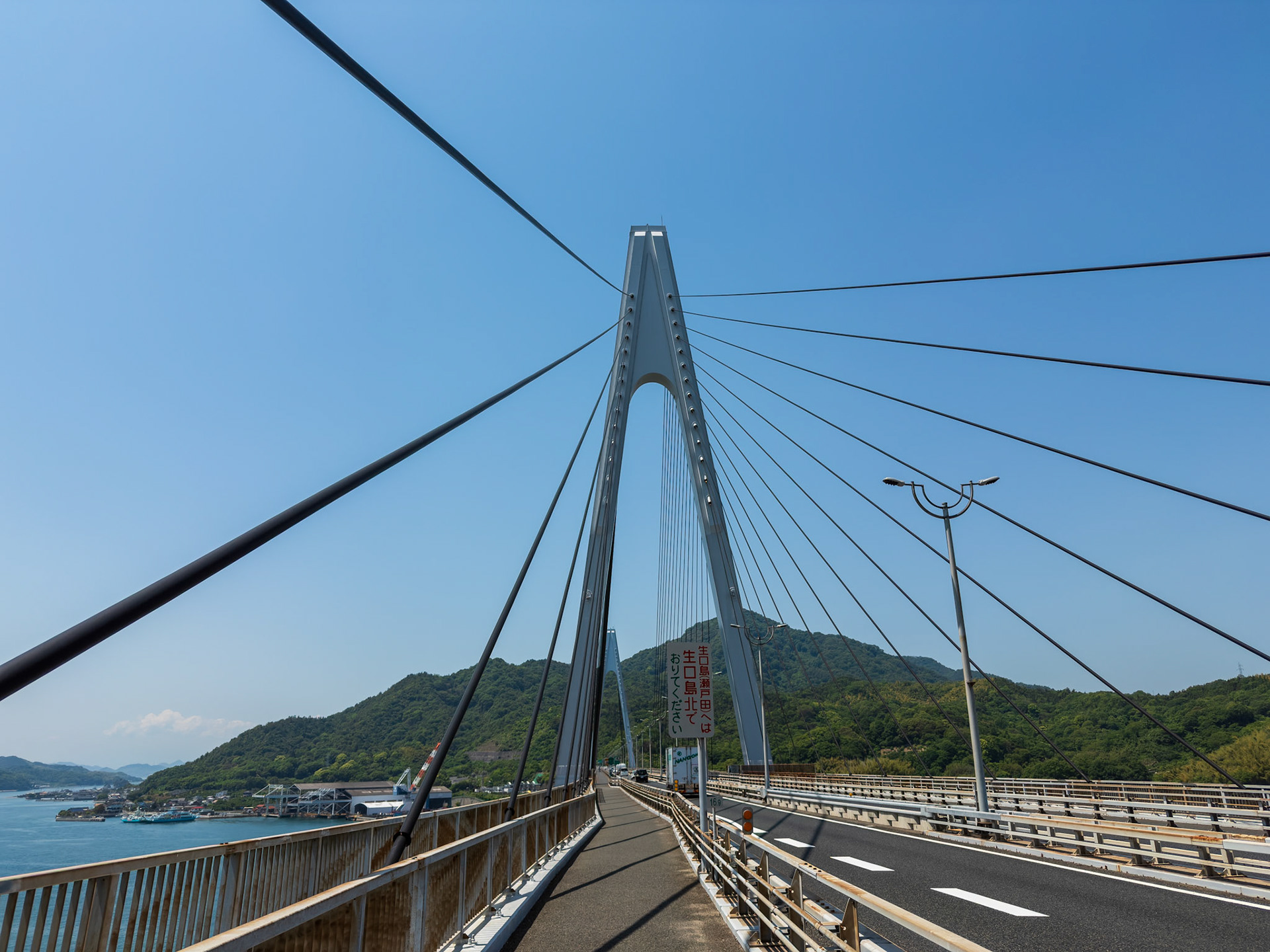

Riding across Bridge 2
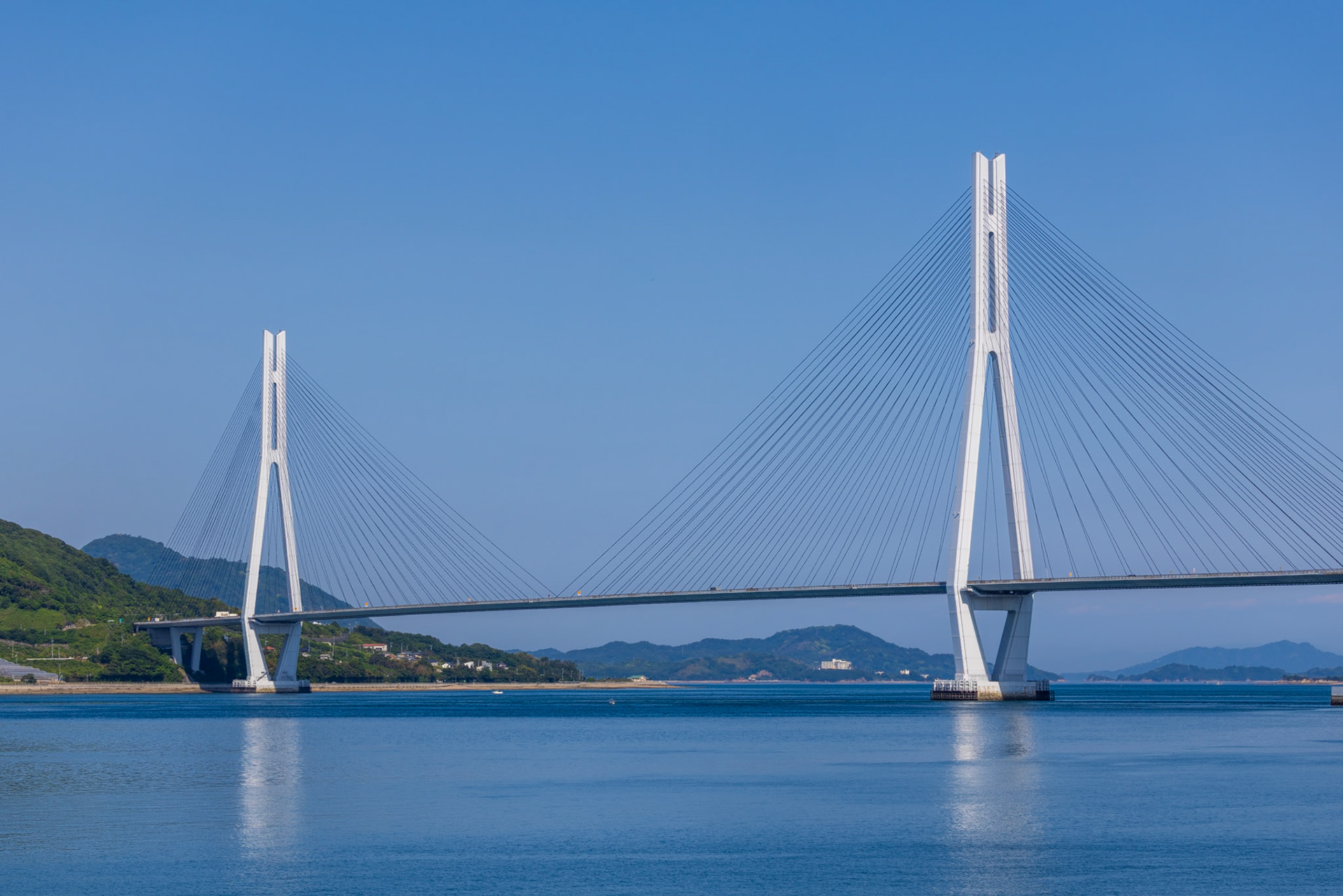
Bridge 3 from our cottage room
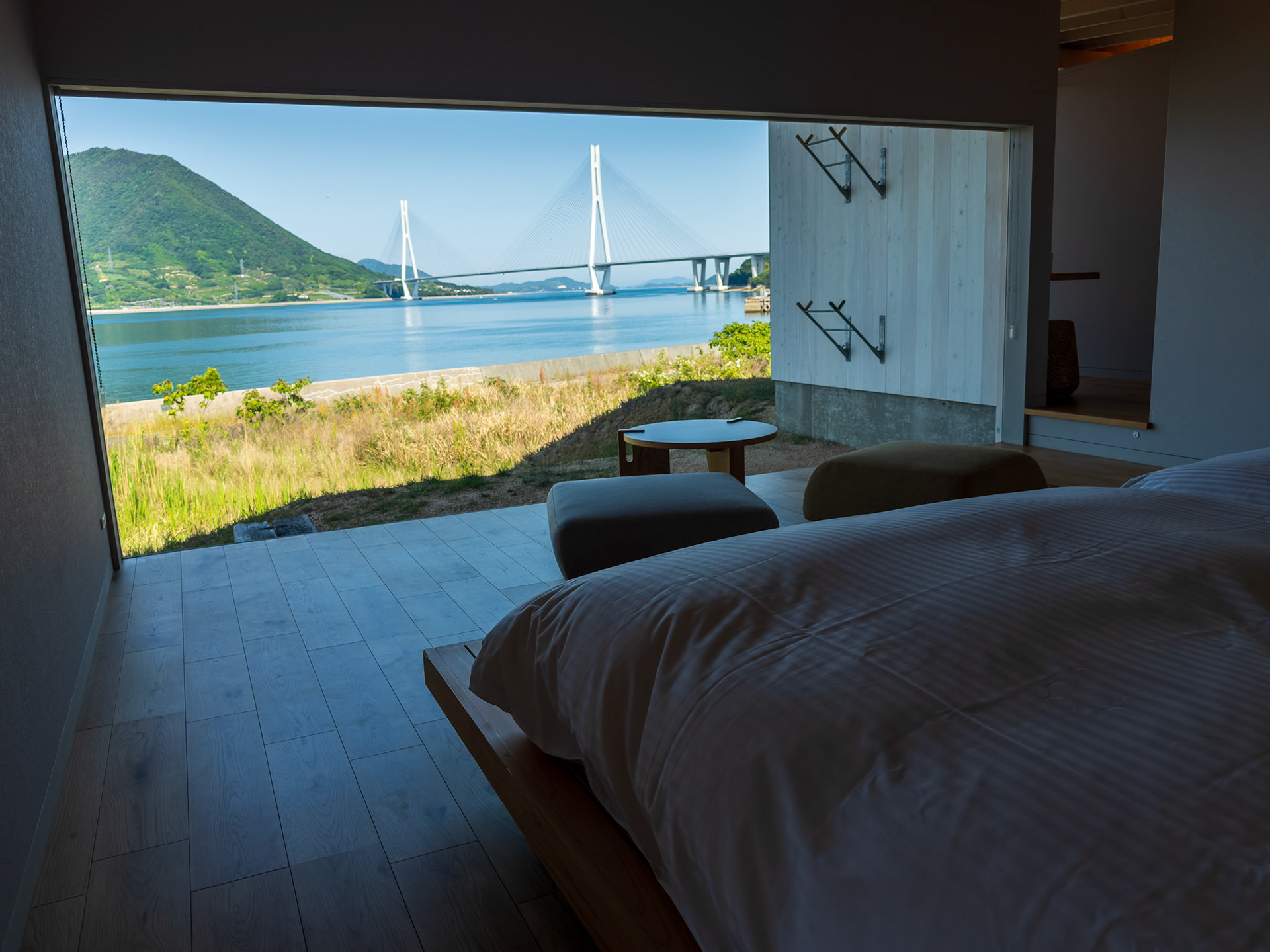
We had a great view from our room
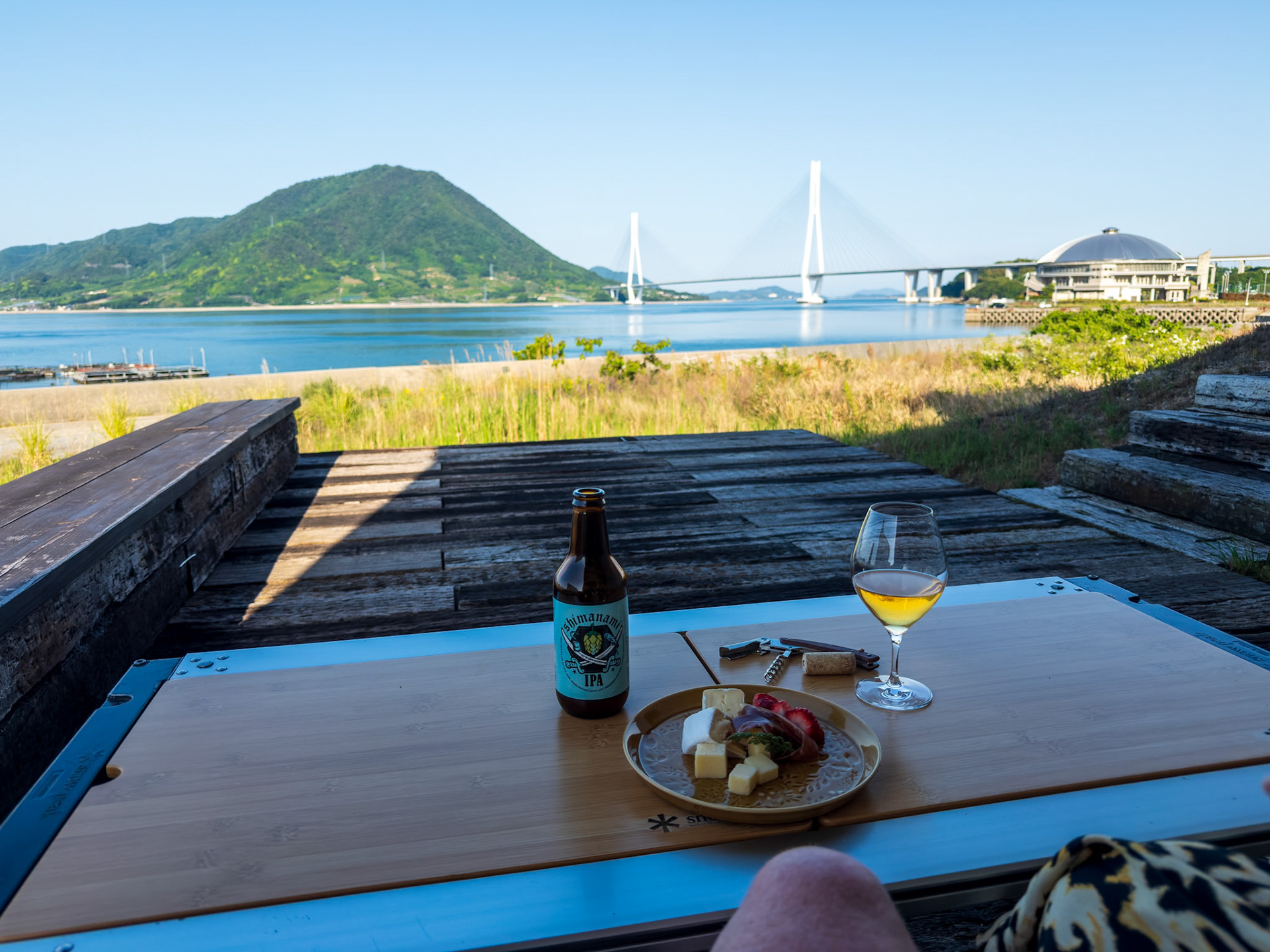
Post ride refreshments. They had a beer named after the ride.
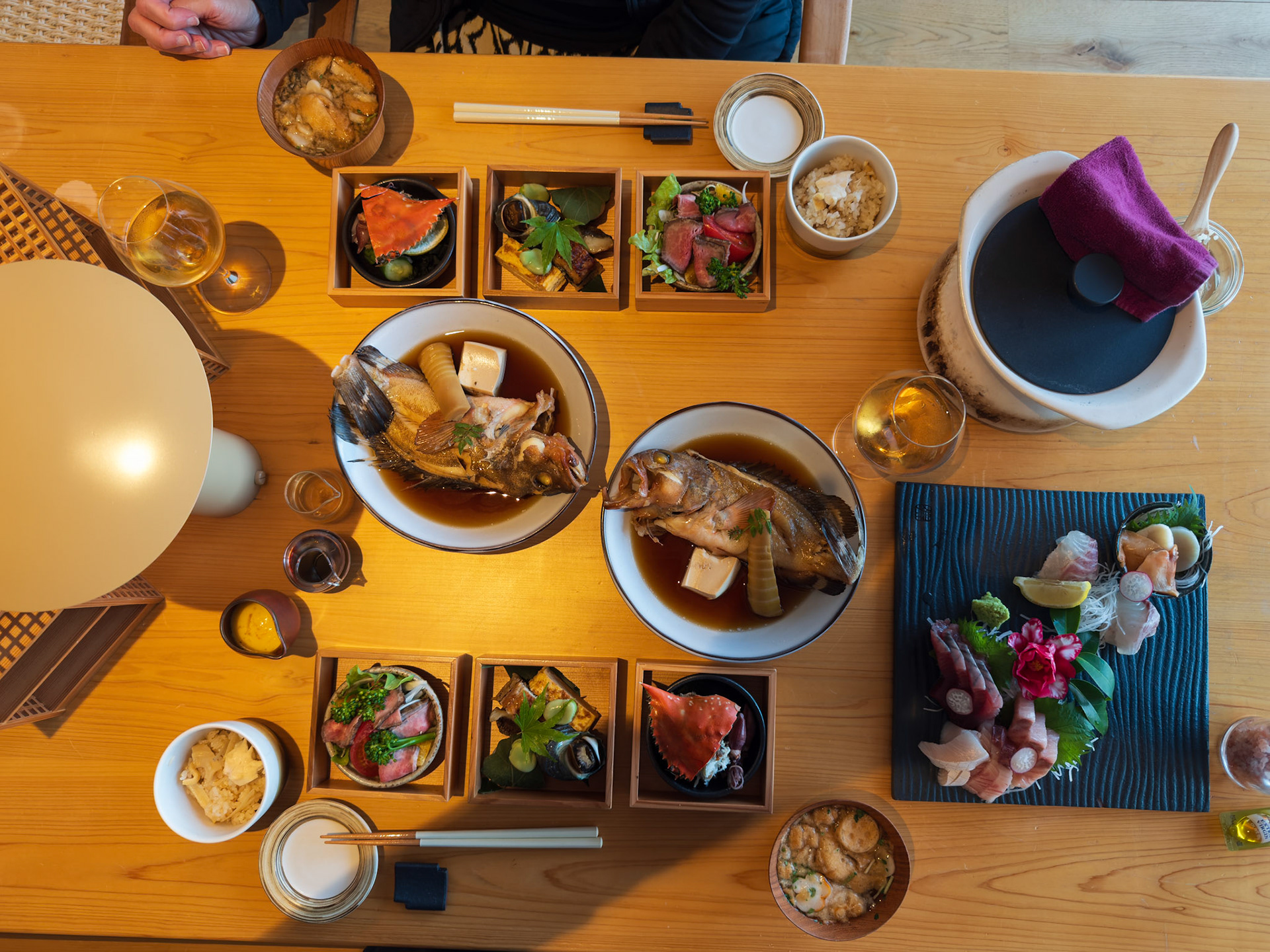
Probably our fanciest dinner of the trip. They served it to us at our cottage.
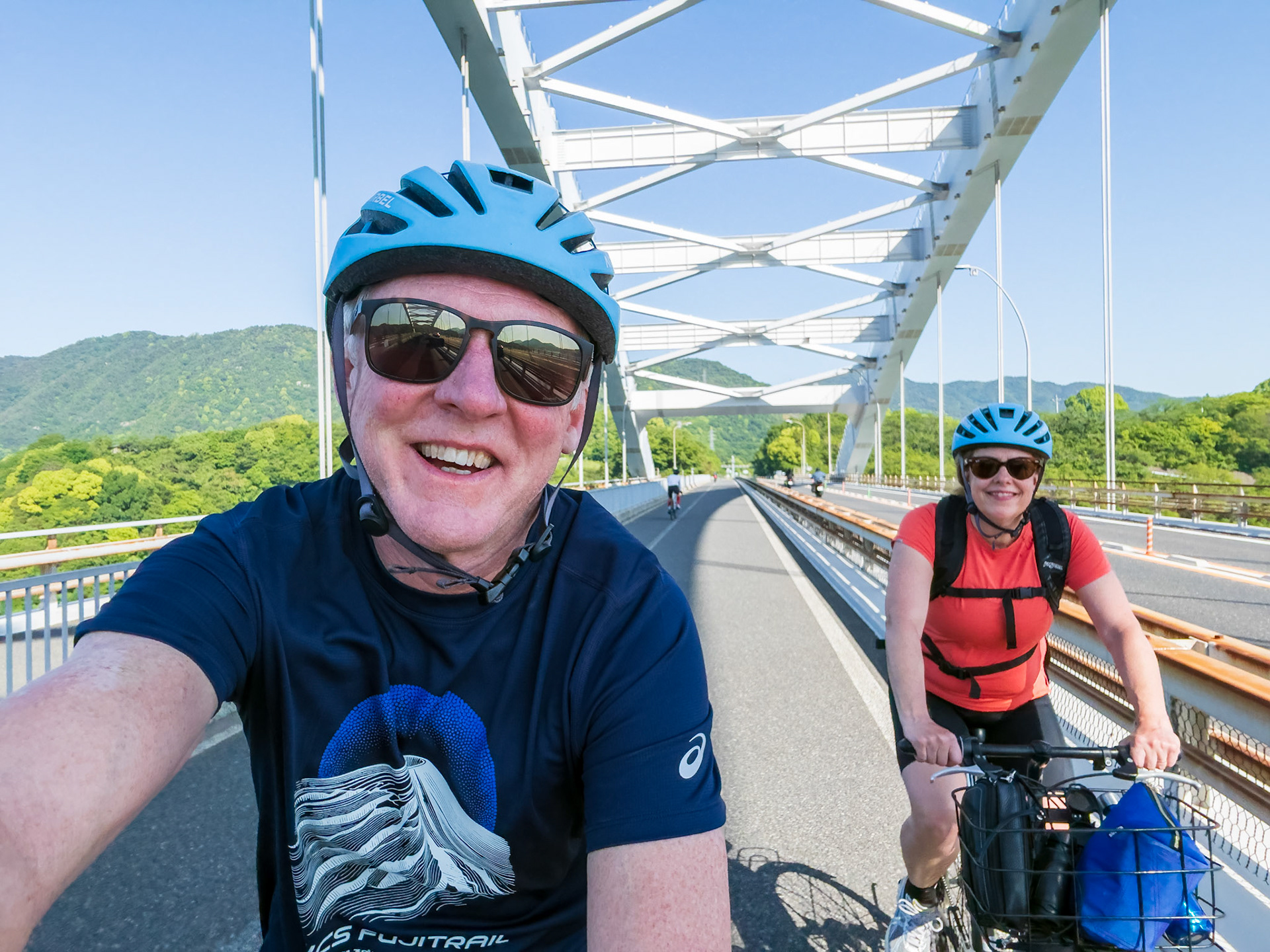
Day 2, bridge 4
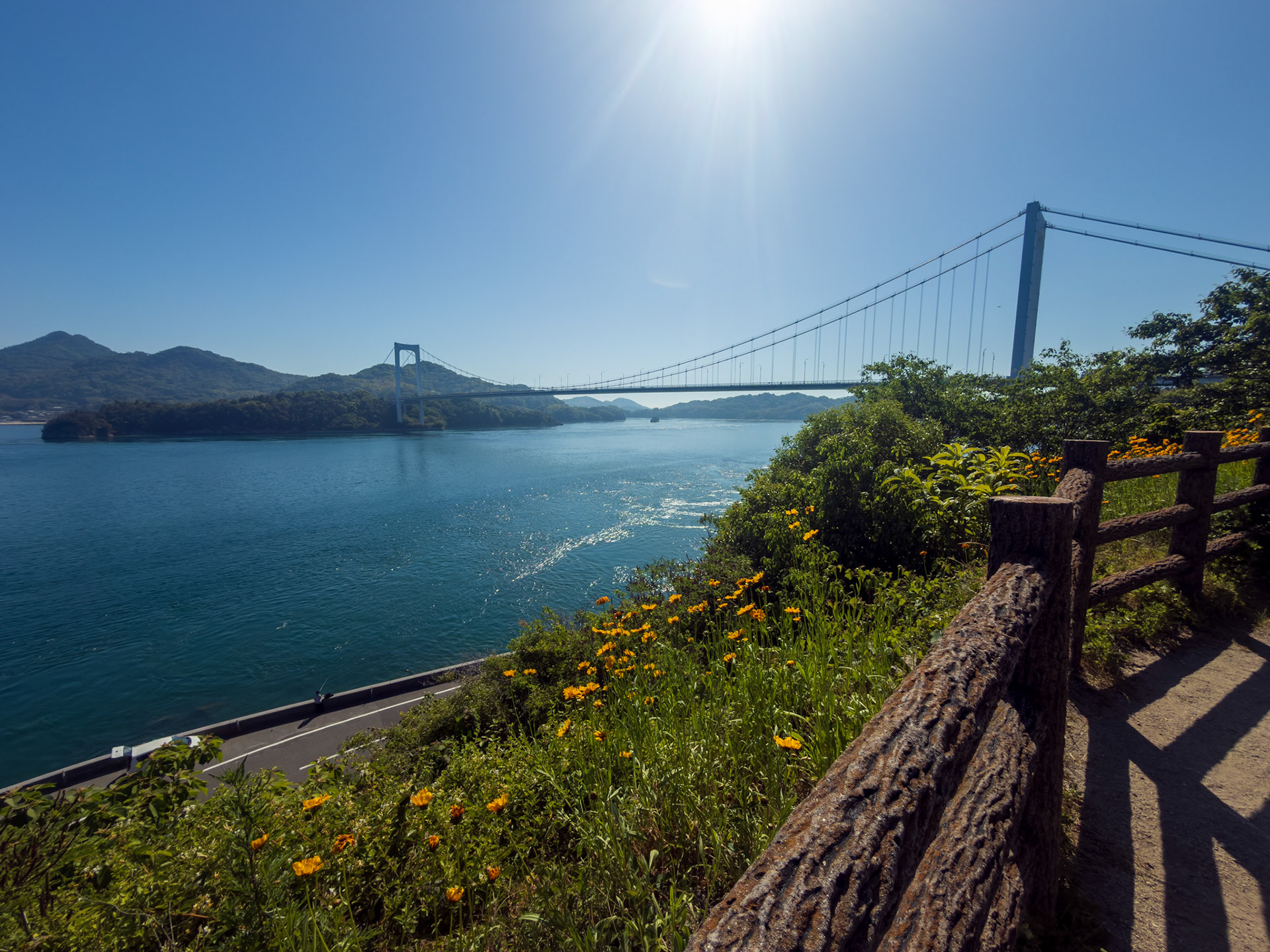
Bridge 5
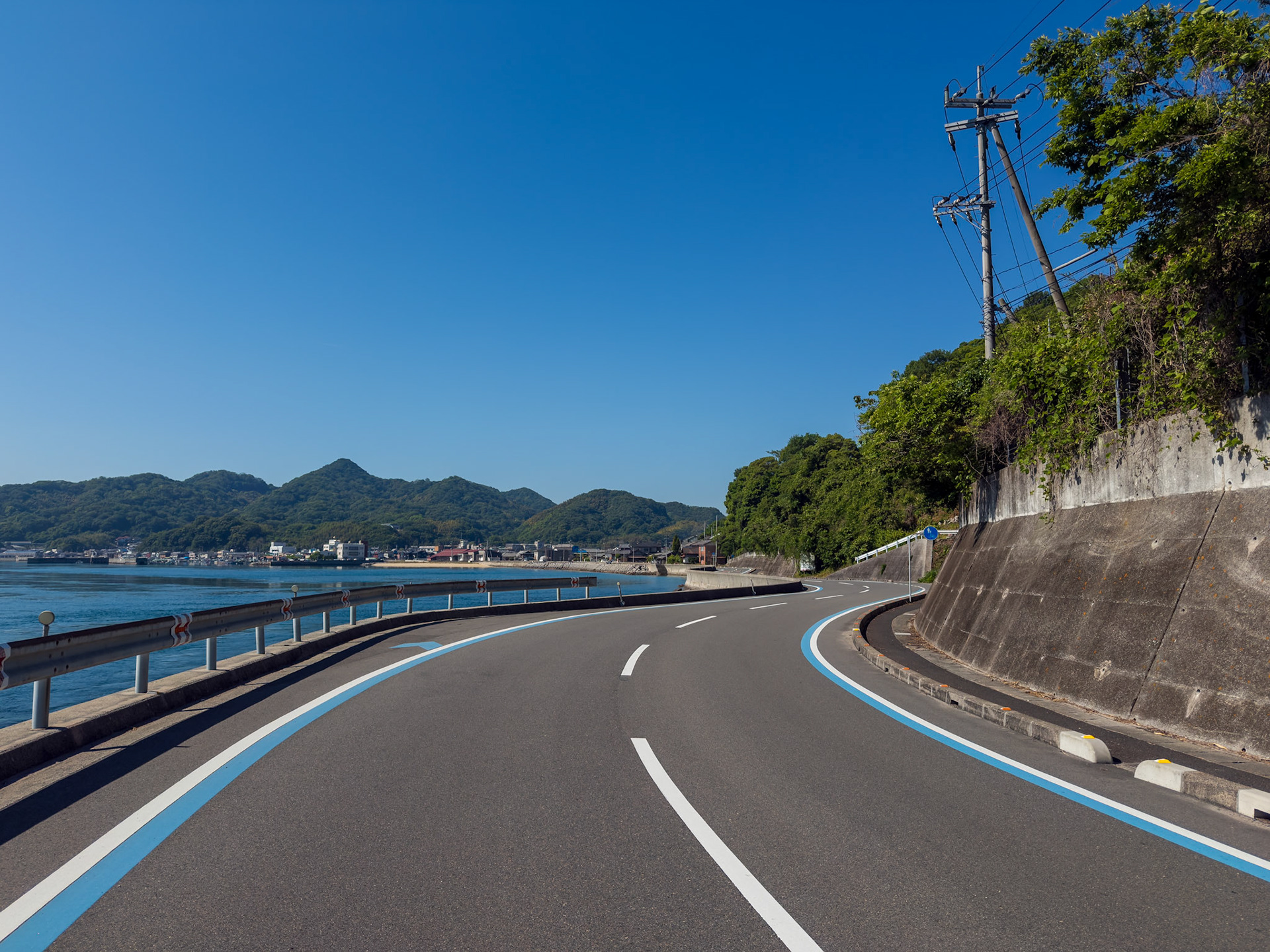
Scenic view on Day 2
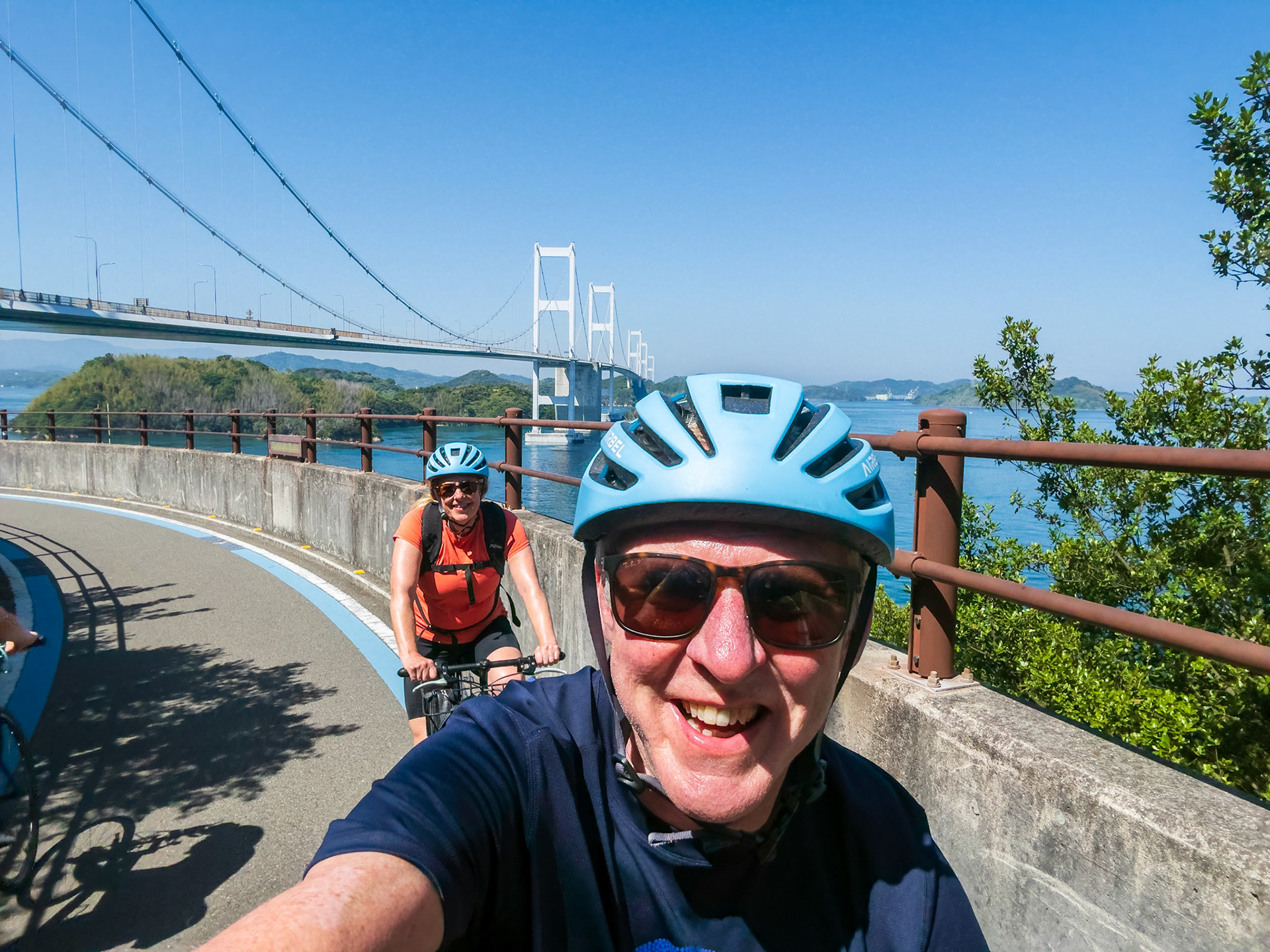
The approach for Bridge 6: Kurushima Kaikyo Bridge, the world's first triple-suspension bridge stretching over 4 kilometers long across the strait.

The view of the Shimanami Kaido route you usually see associated with the ride.
Himeji
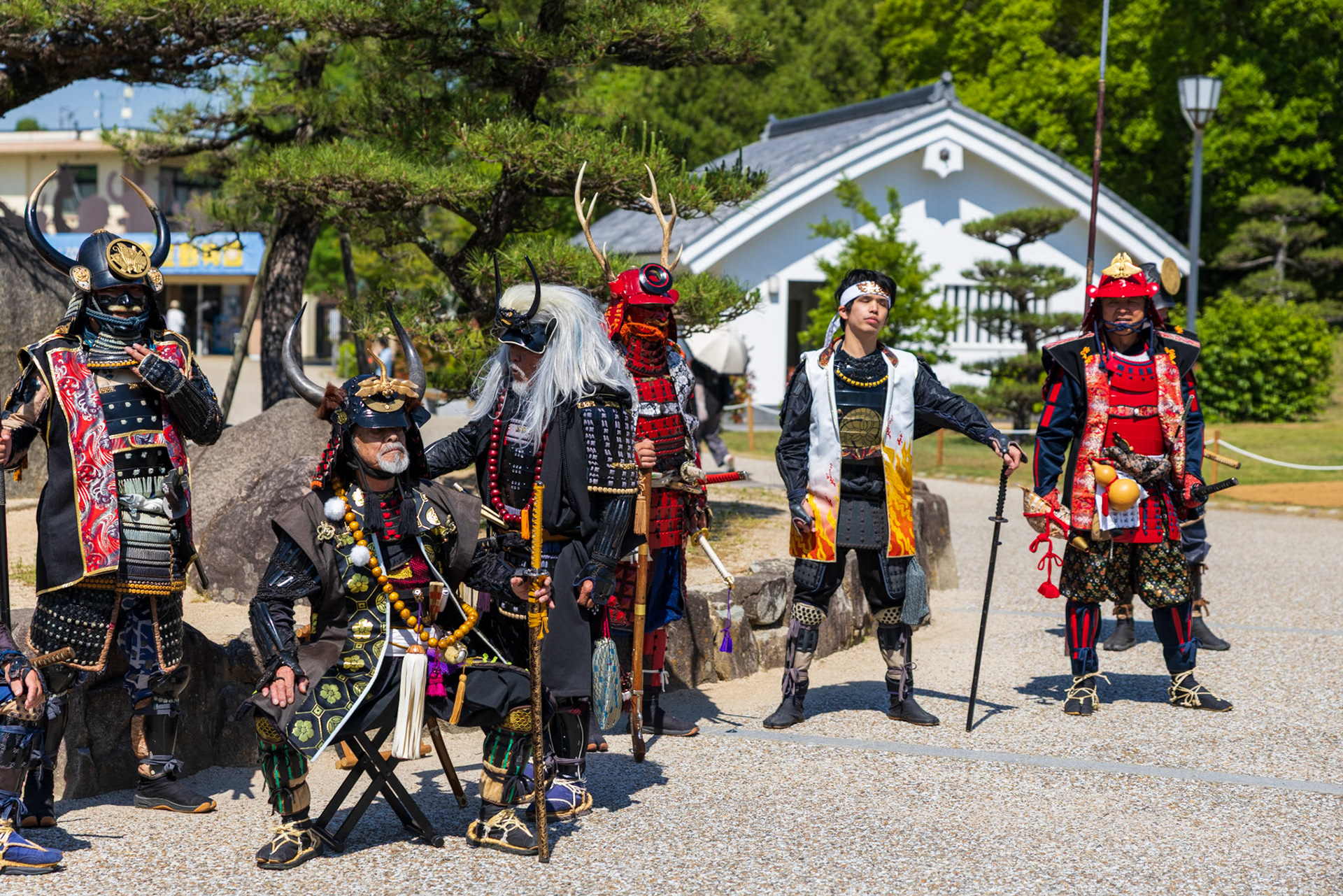
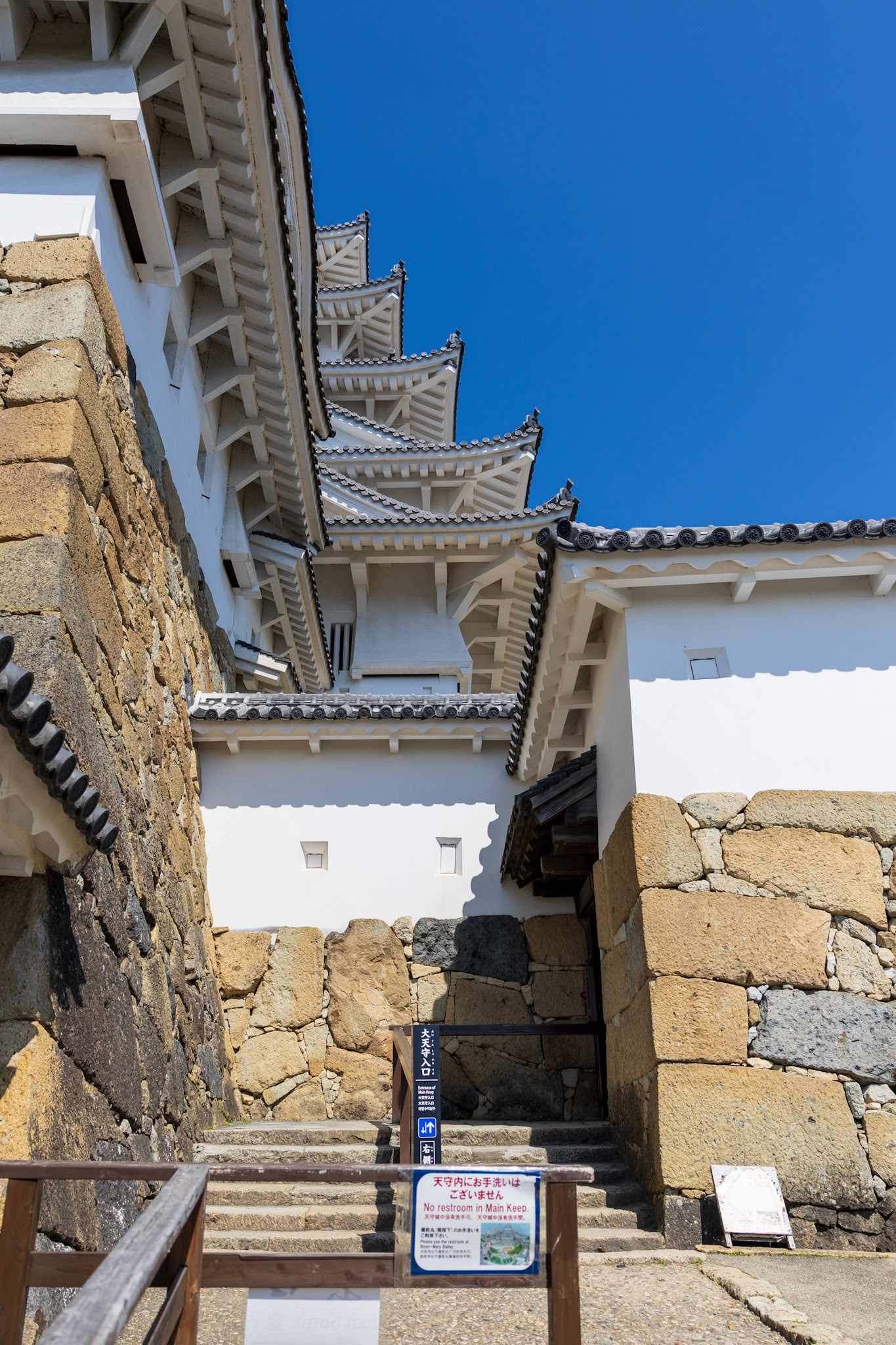
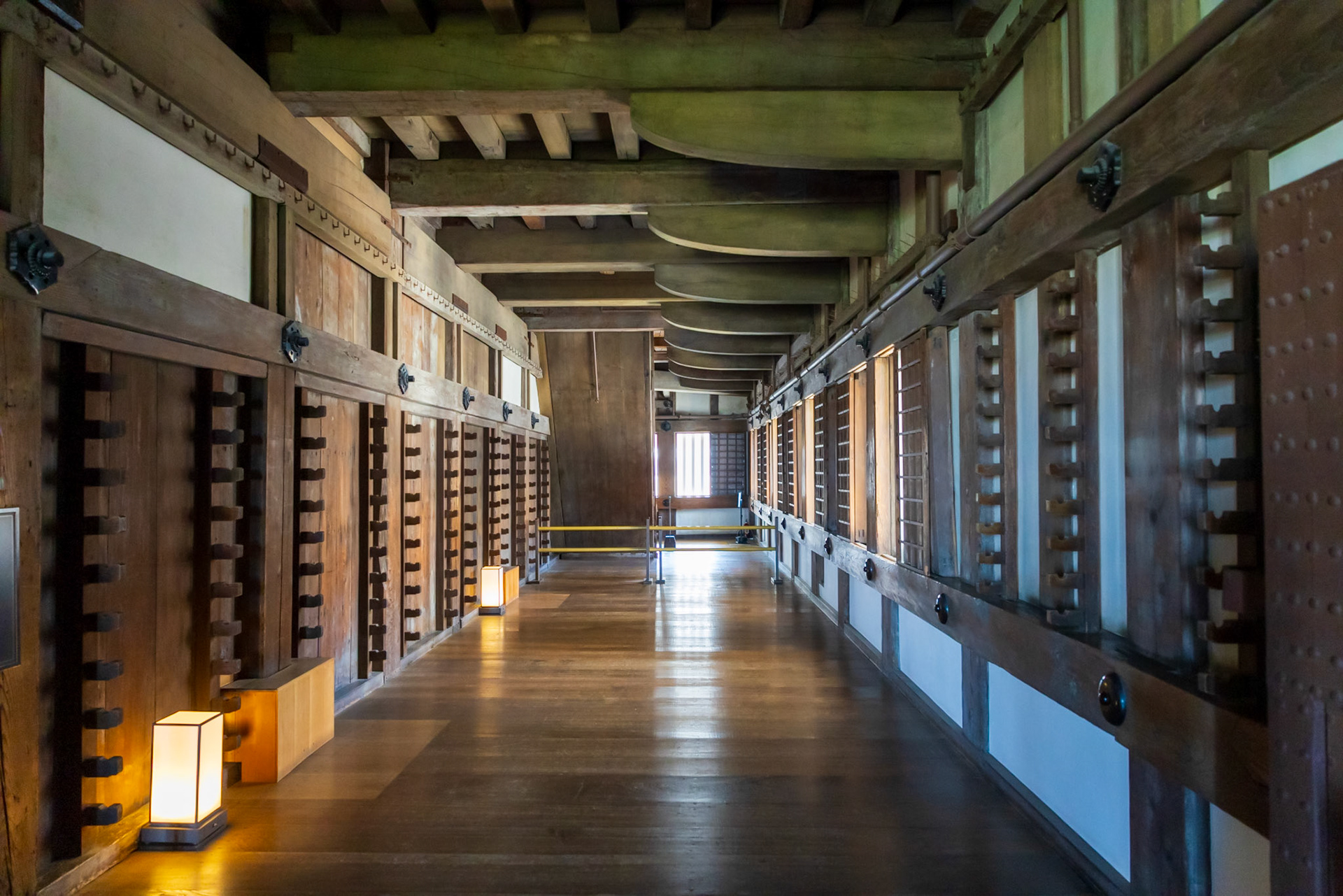
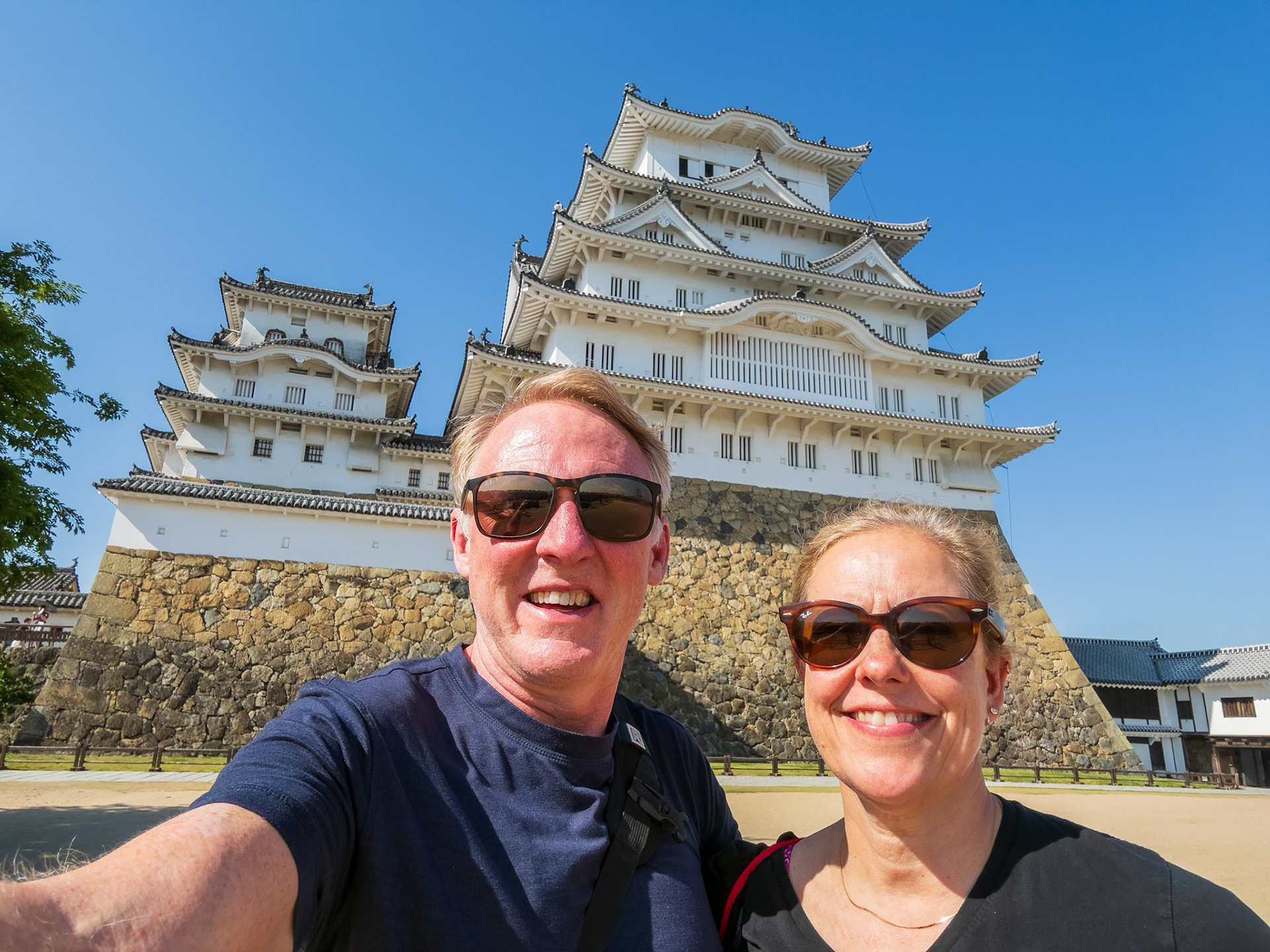
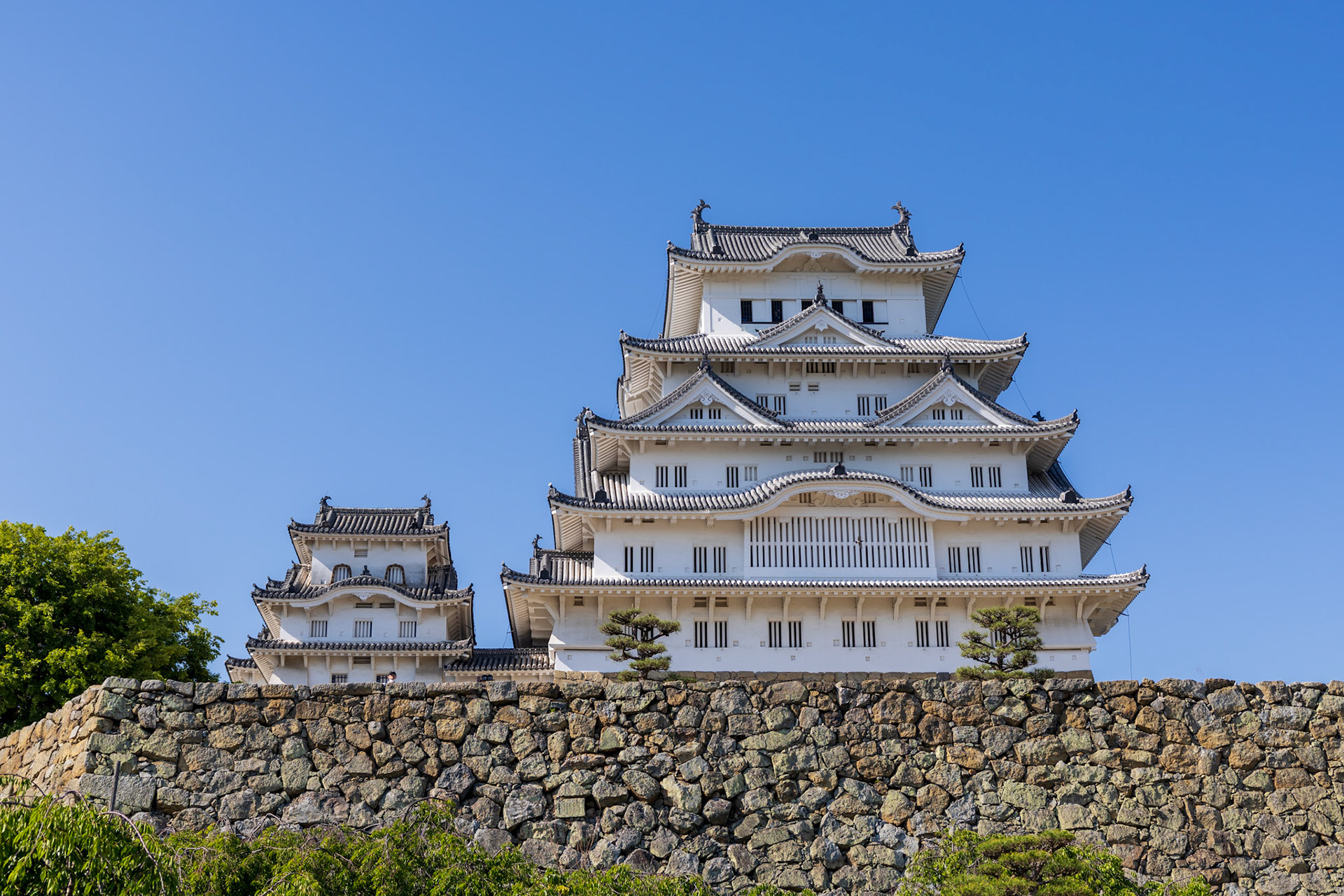
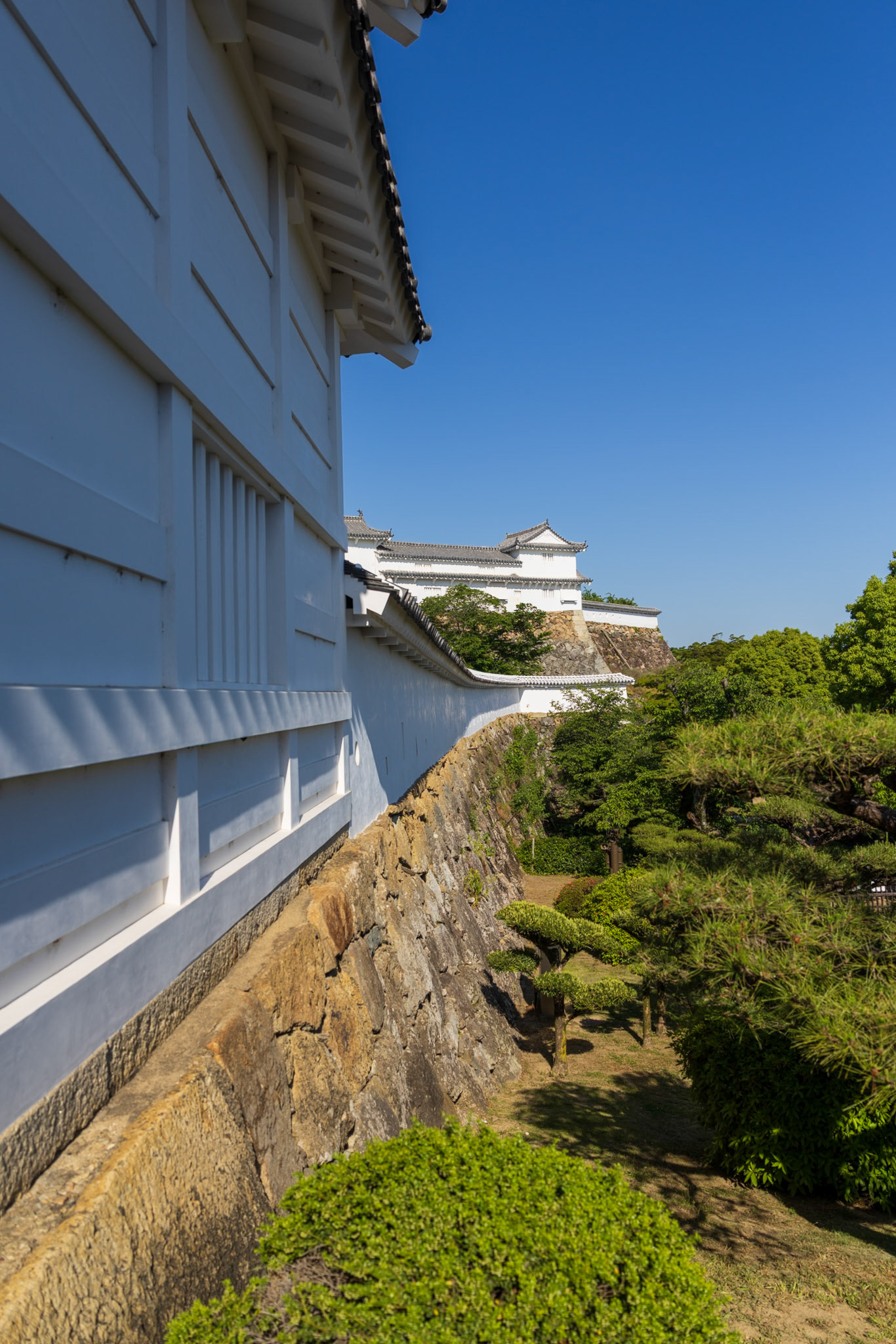
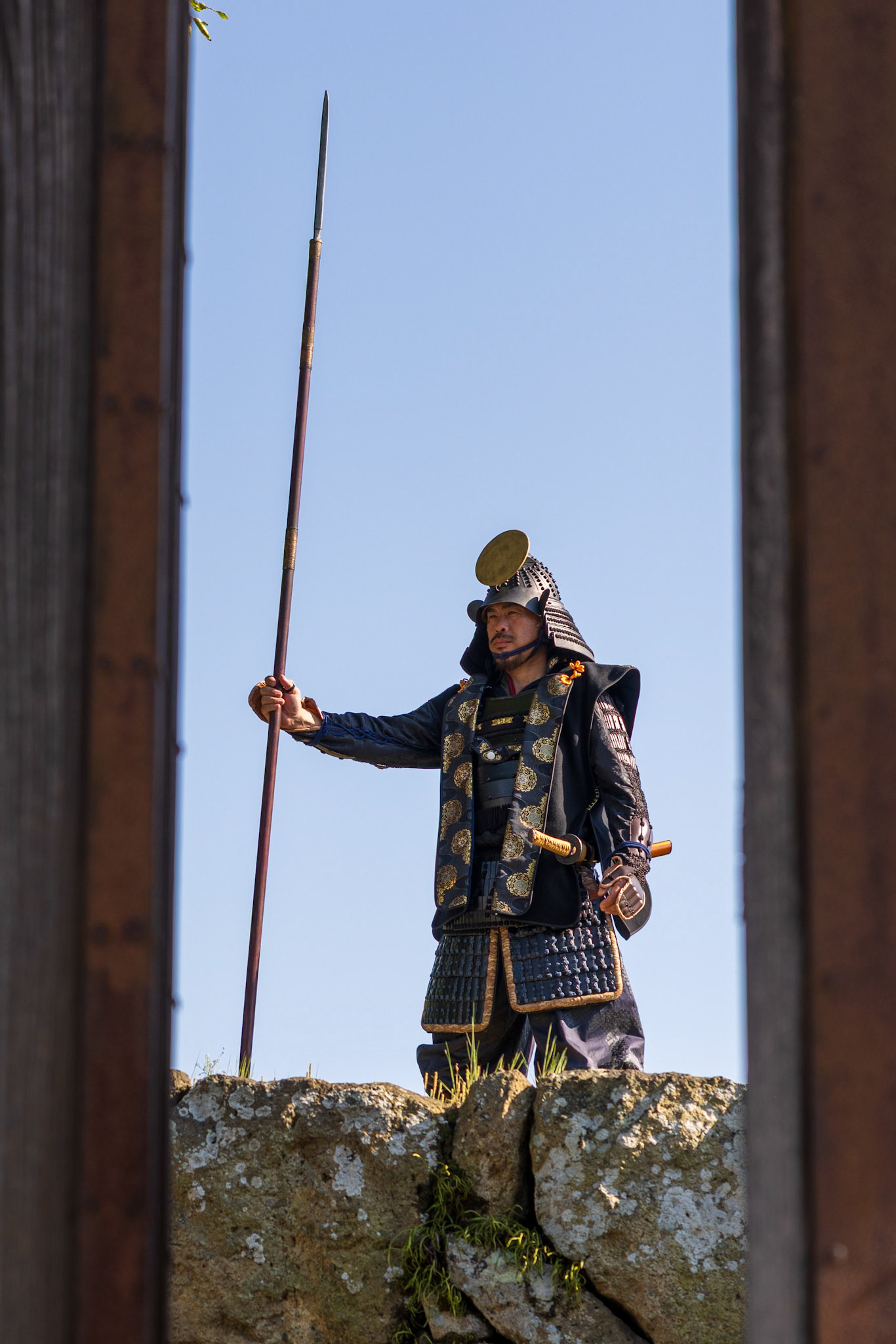
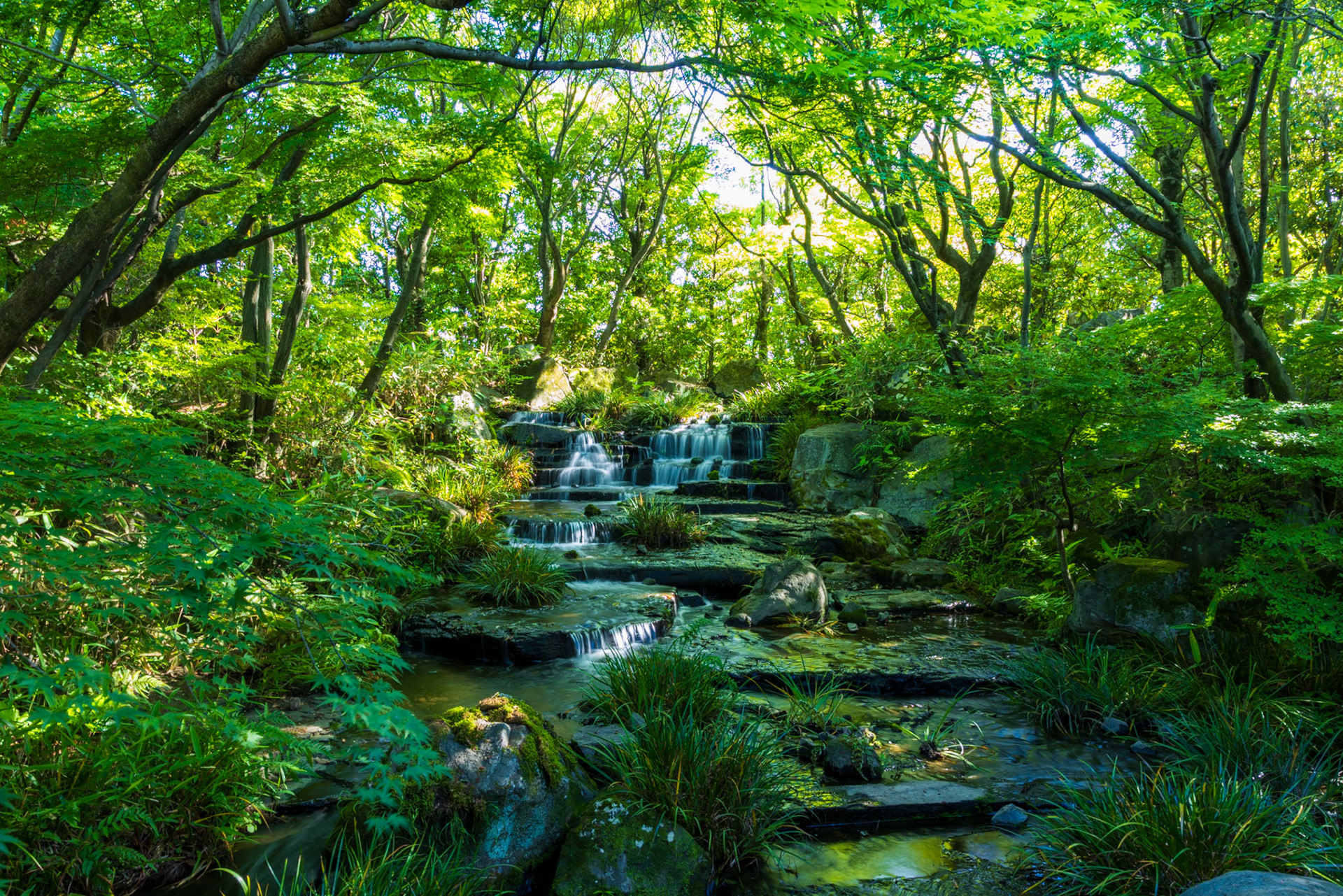
Himeji Castle — After finishing our Shimanami Kaido bike ride, we traveled toward Kyoto, making a stop along the way to see Himeji Castle. The fortress is a UNESCO World Heritage site—celebrated as Japan’s finest surviving masterpiece of 17th-century samurai architecture—but more importantly, it was a Lego set I had waiting for me on the shelf at home to put together when we got home. We also spent time exploring the adjacent Koko-en Gardens, a gorgeous network of traditional walled gardens that sit right on the castle's former outer edge.
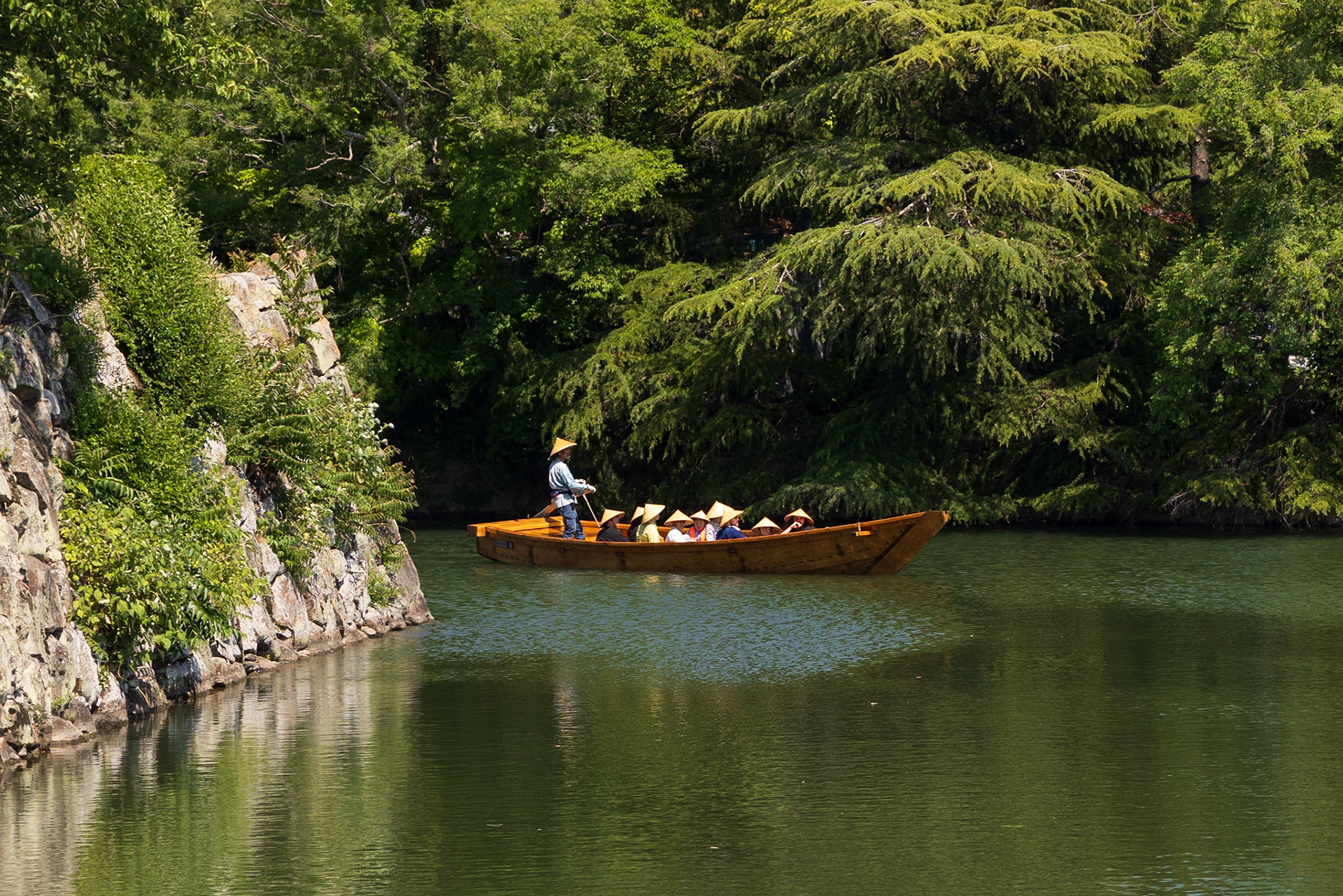
Tourist activity we didn't partake in



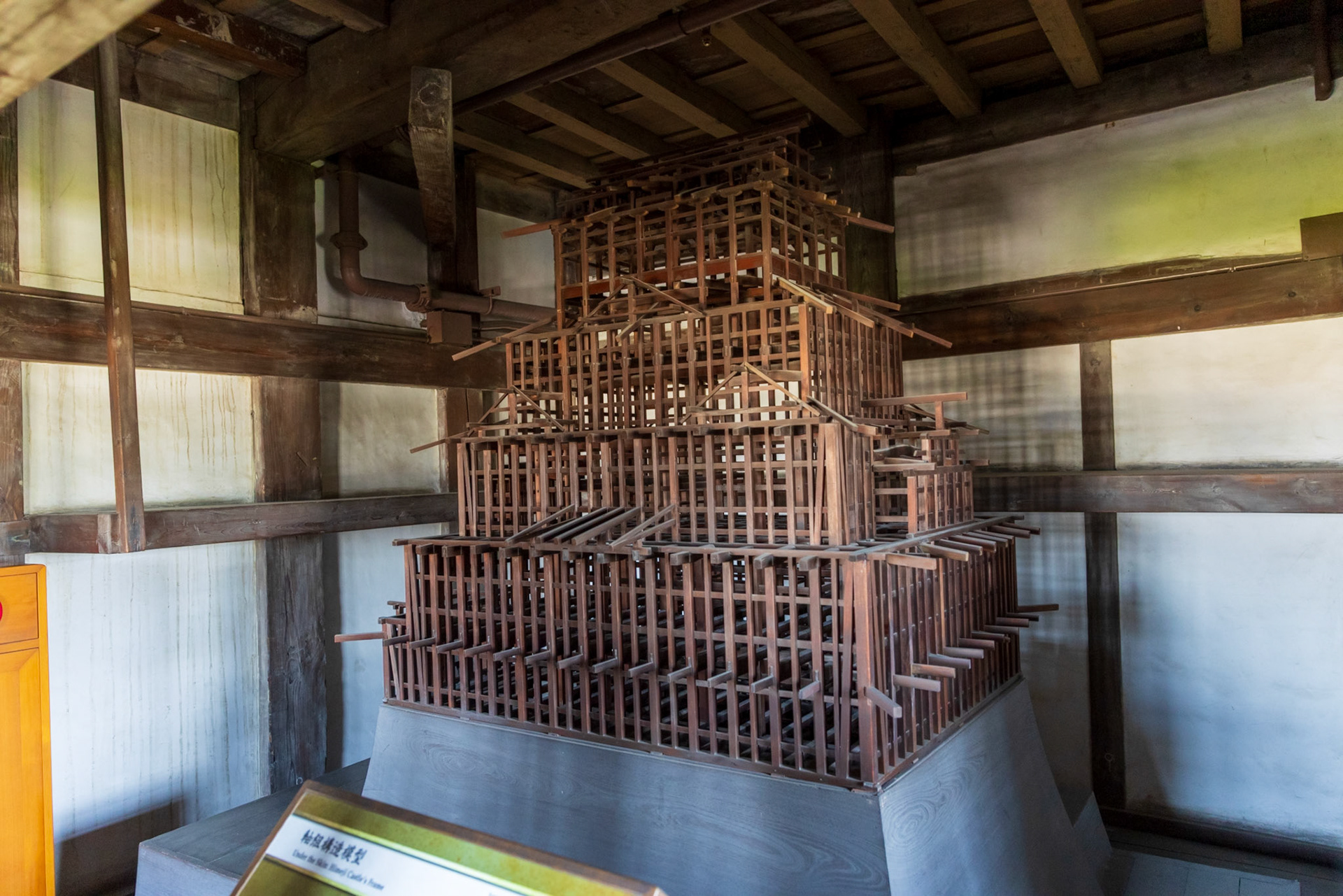
This intricate wood model was the master guide used by carpenters and engineers during the castle's major mid-20th-century dismantling and reconstruction. It helped them map out every complex joint and beam of the original 17th-century design to ensure the castle was rebuilt exactly as it stood hundreds of years ago.
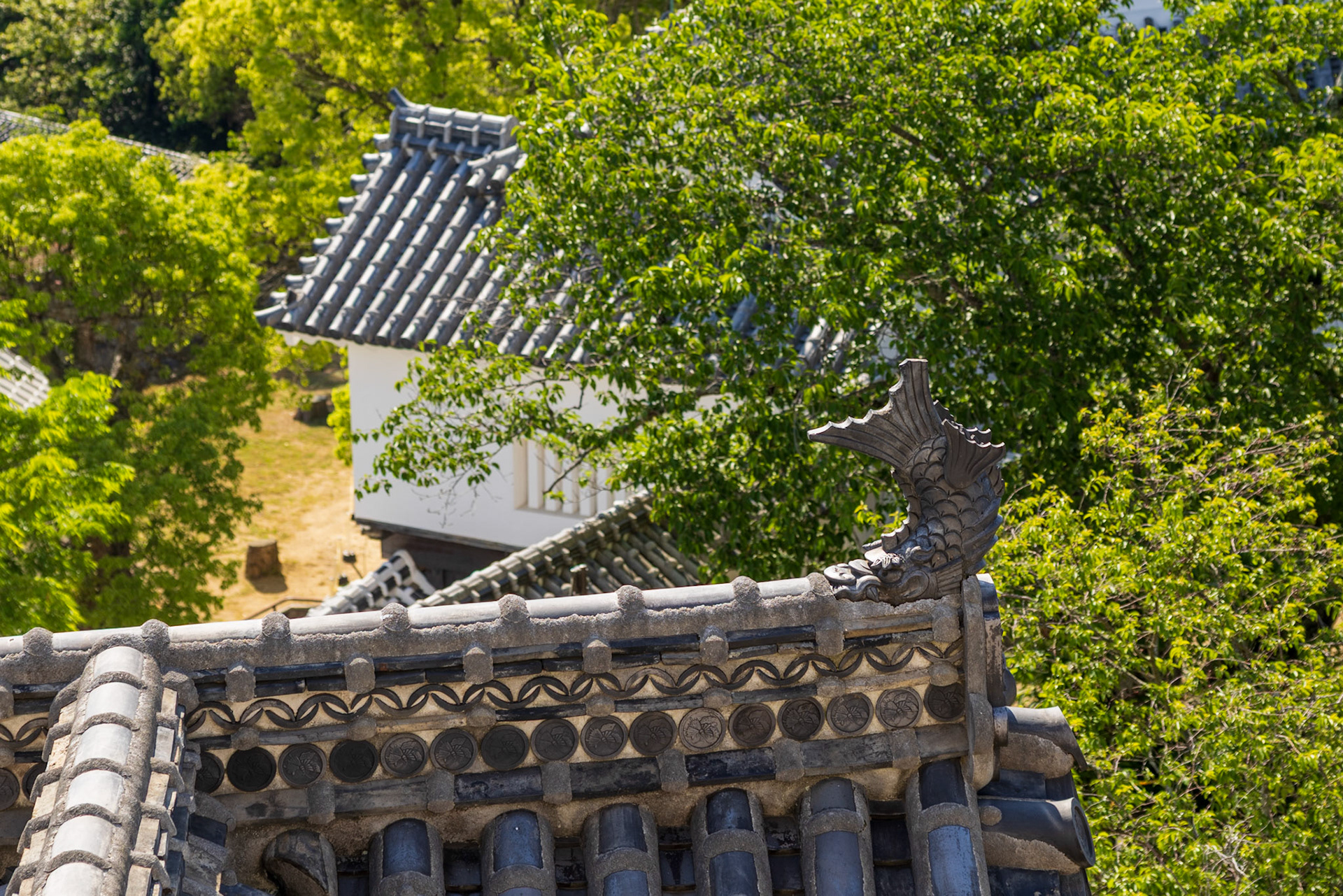
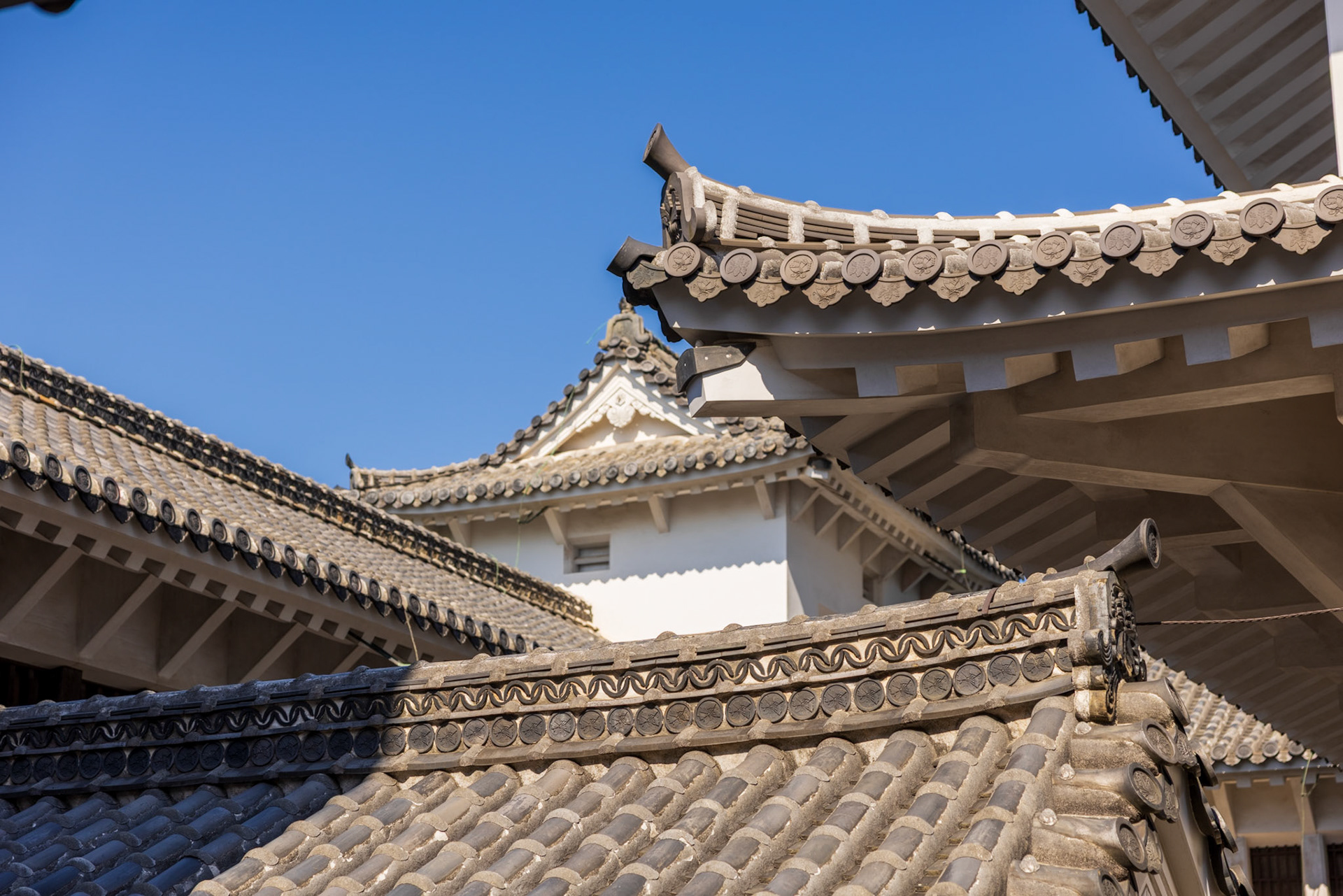
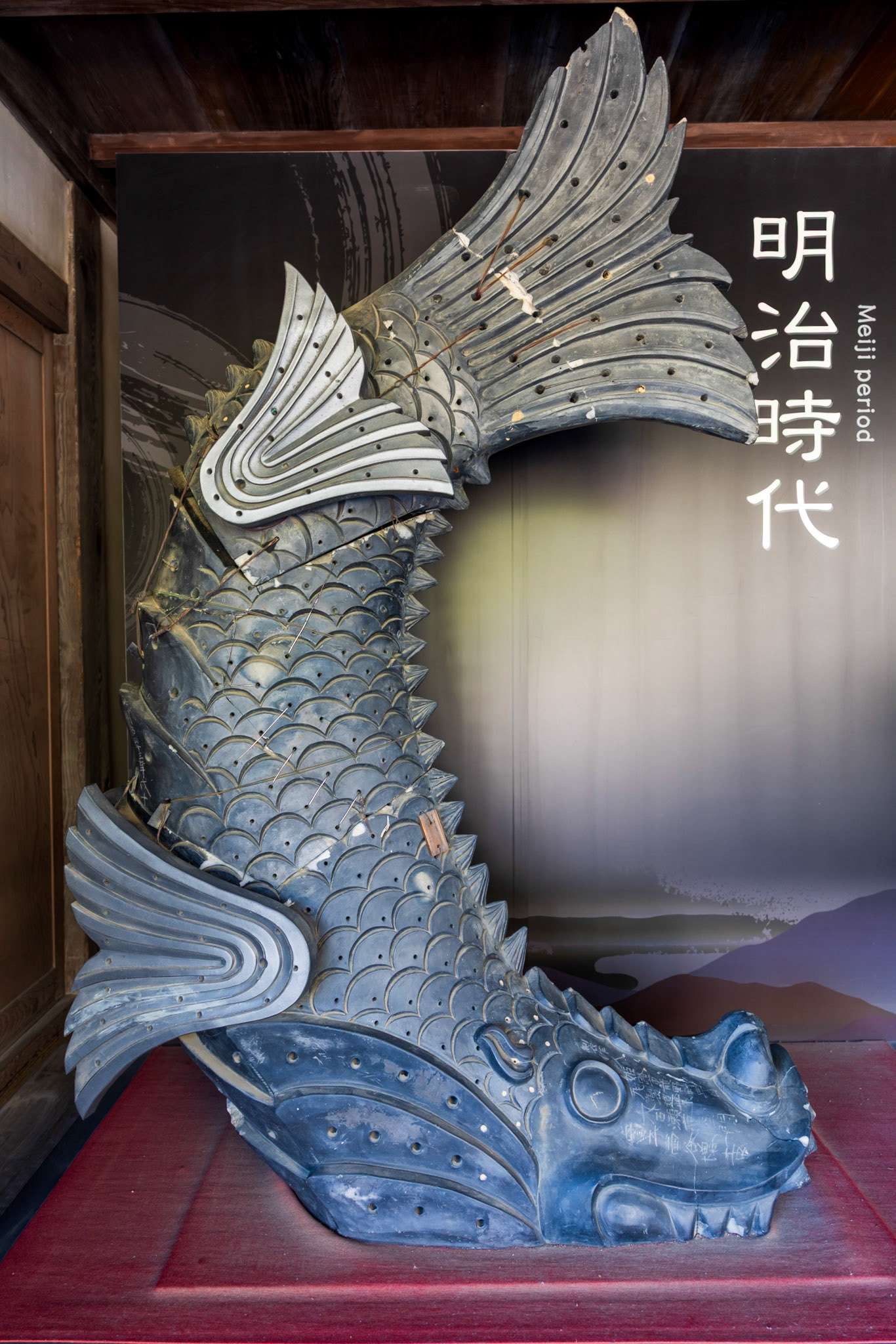
Guardian of the keep: A close-up look at the historic shachihoko (fire-preventing fish-dragon) roof tiles.
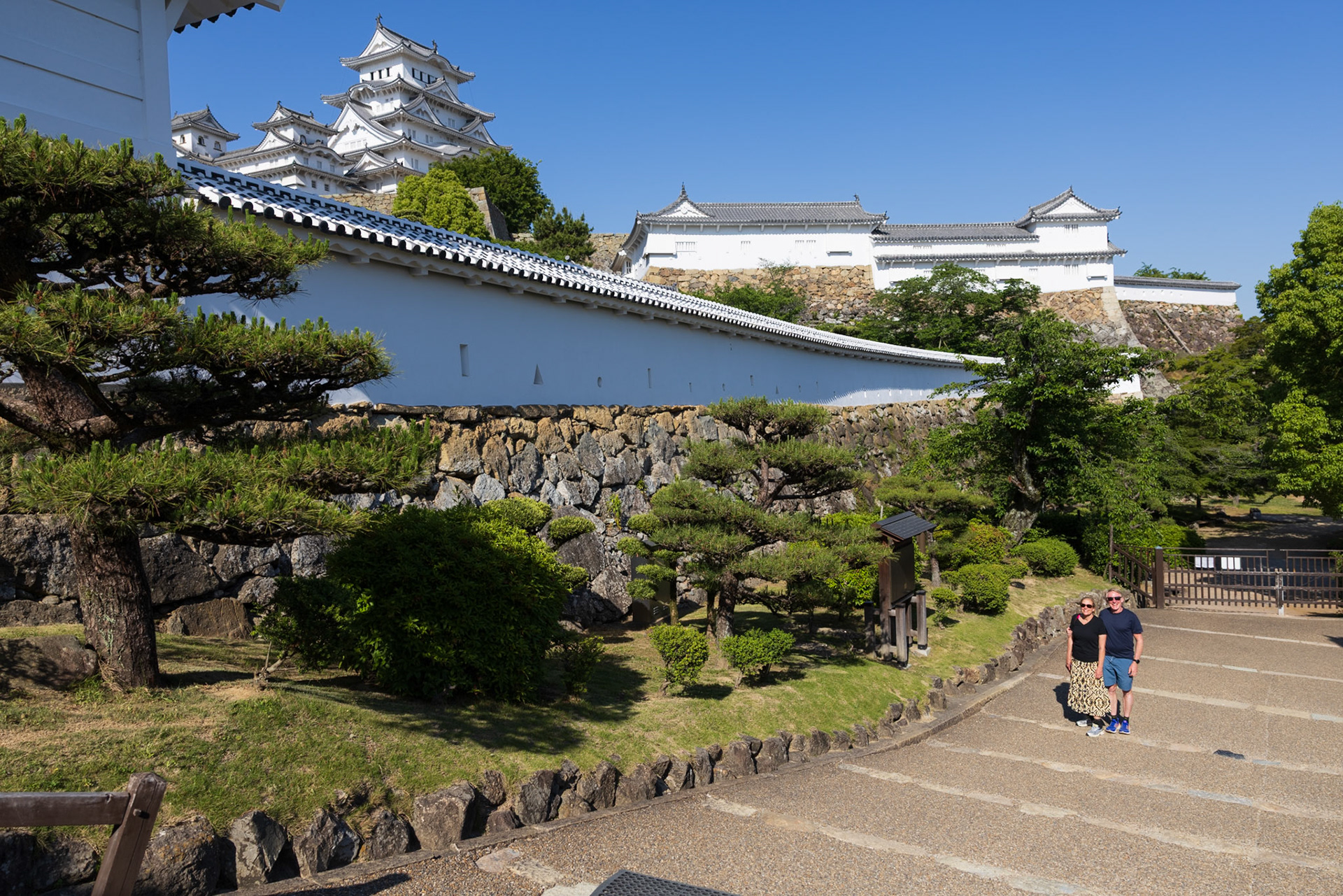


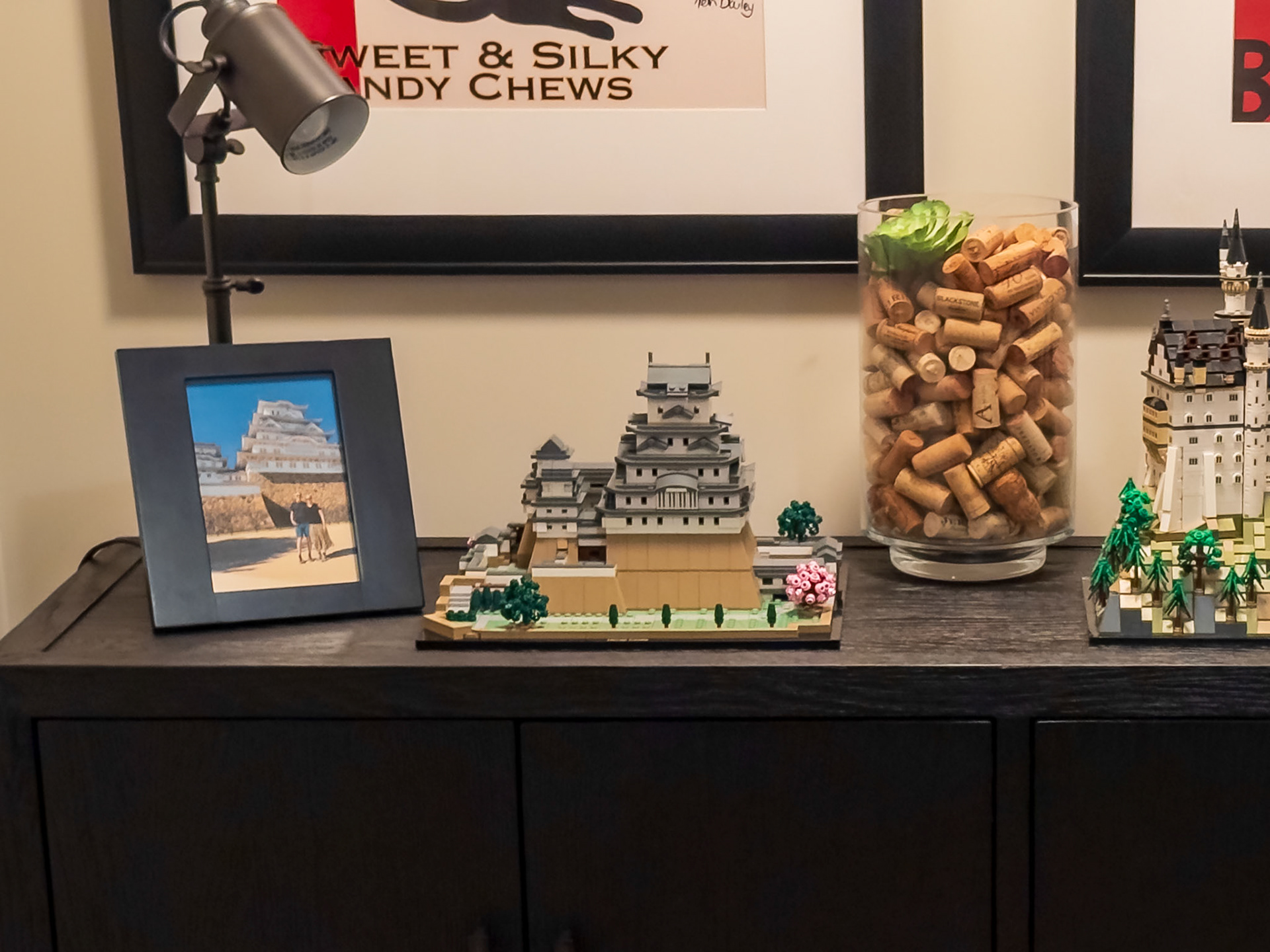
Back at home, my Himeji Castle and our photo to go with our Neuschwanstein Lego Castle and photo
Kyoto - 3 days
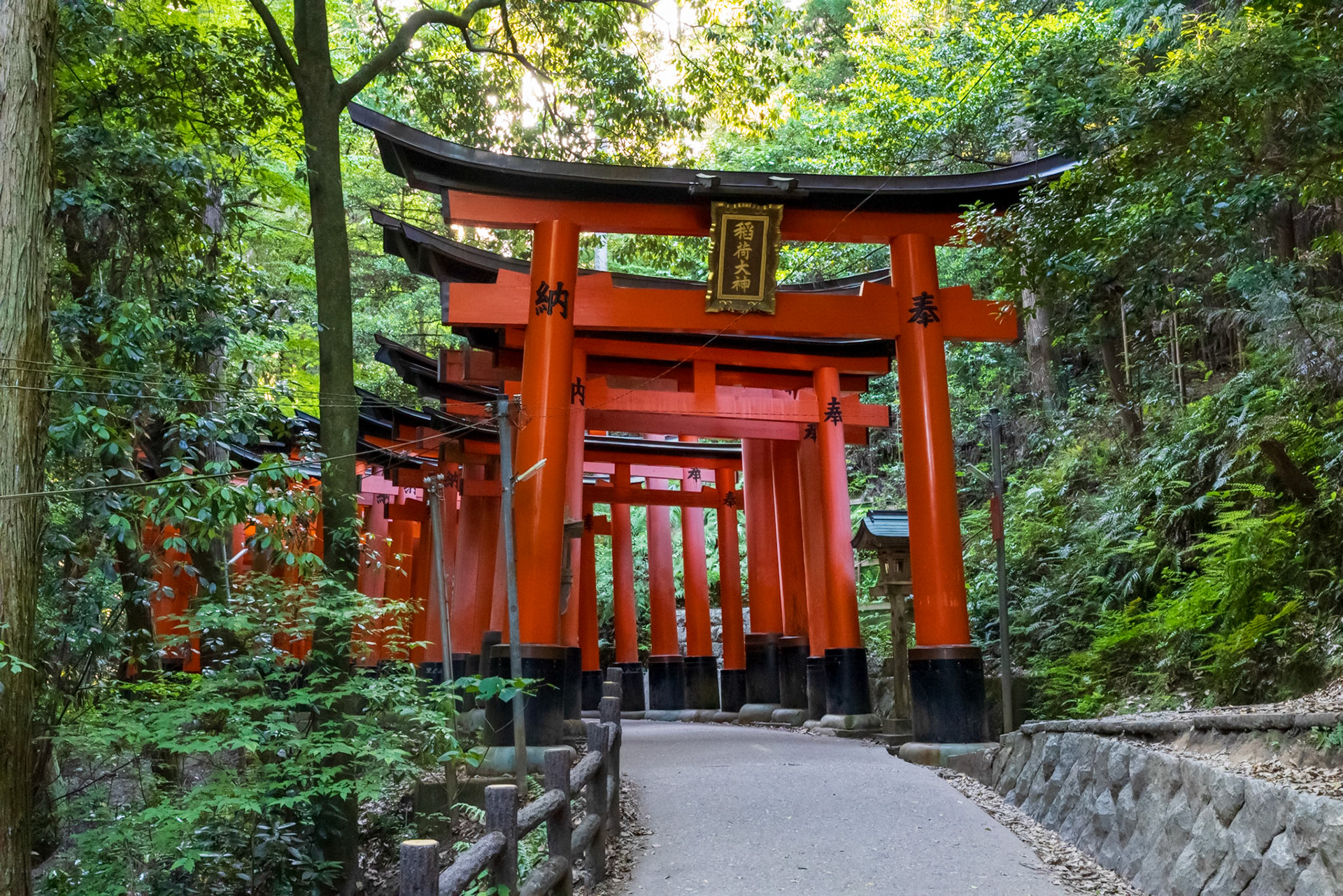
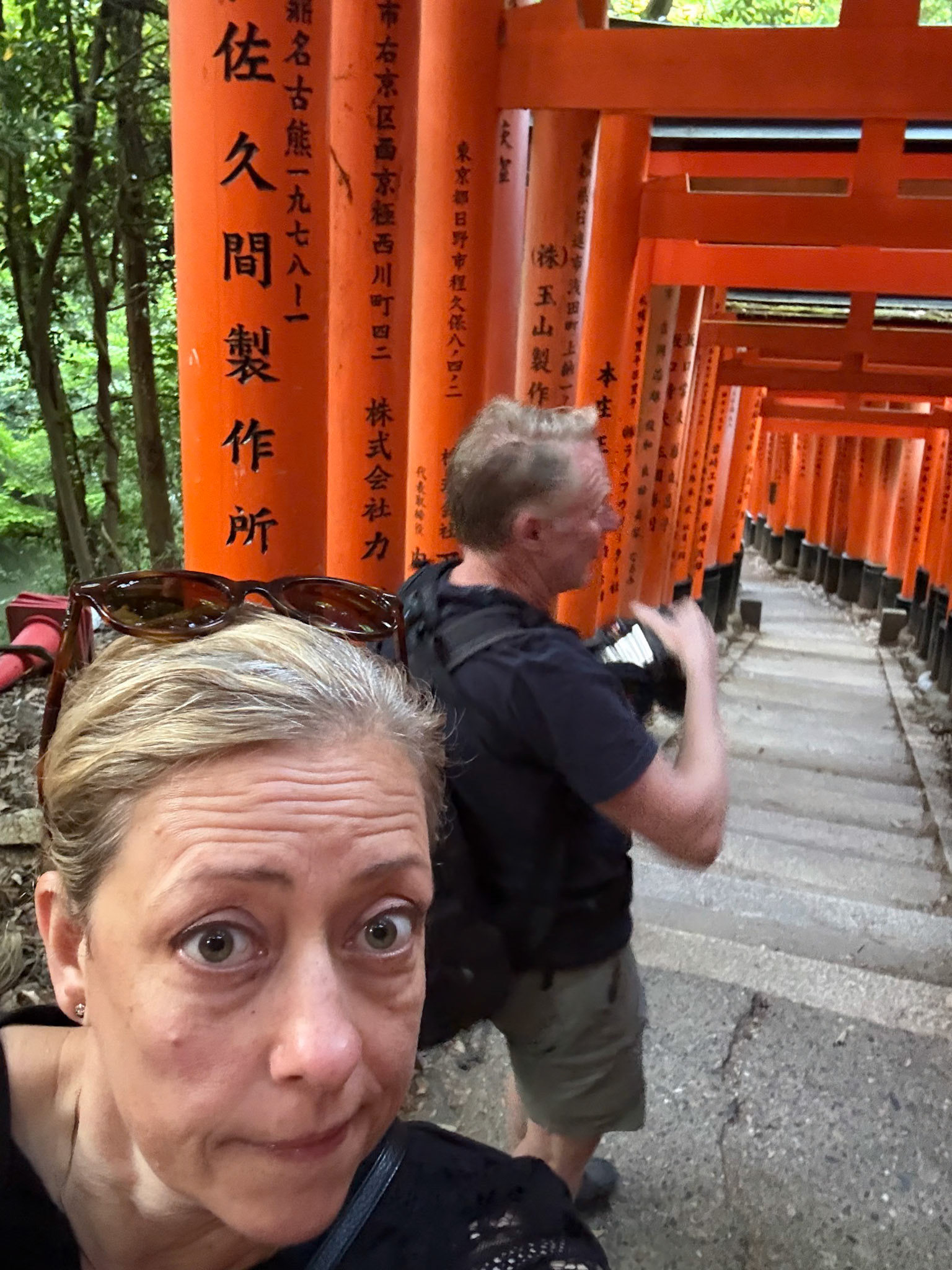
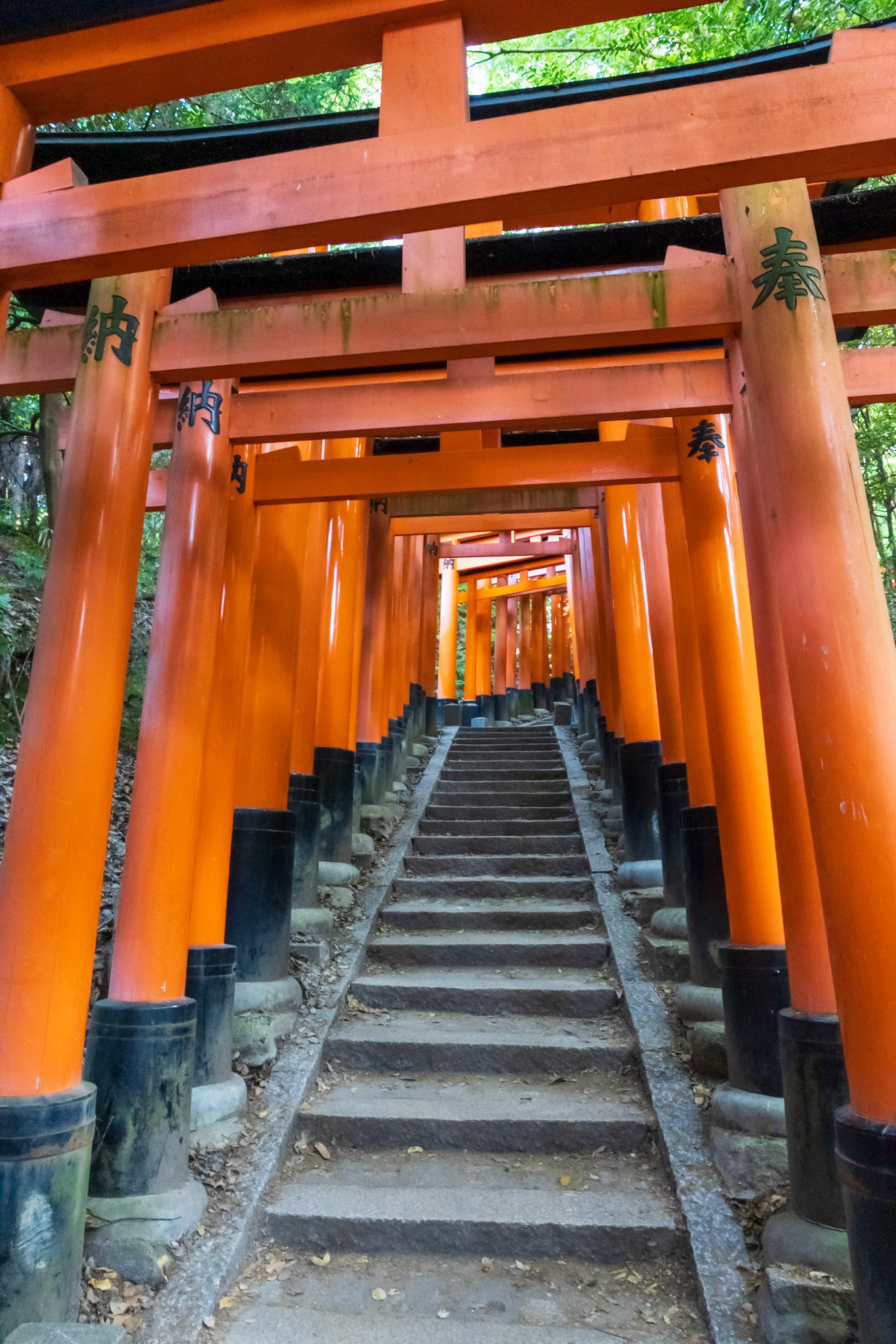
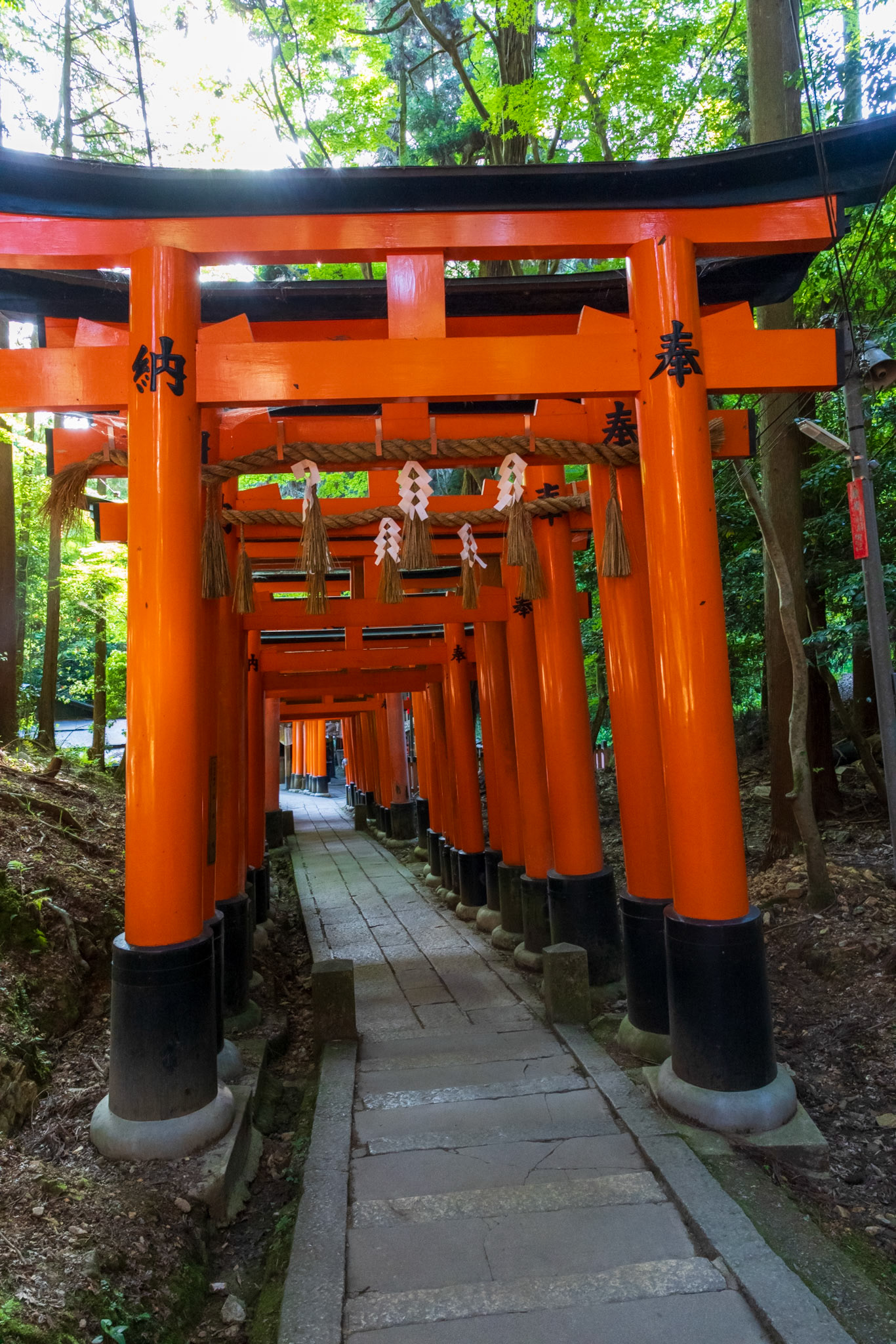
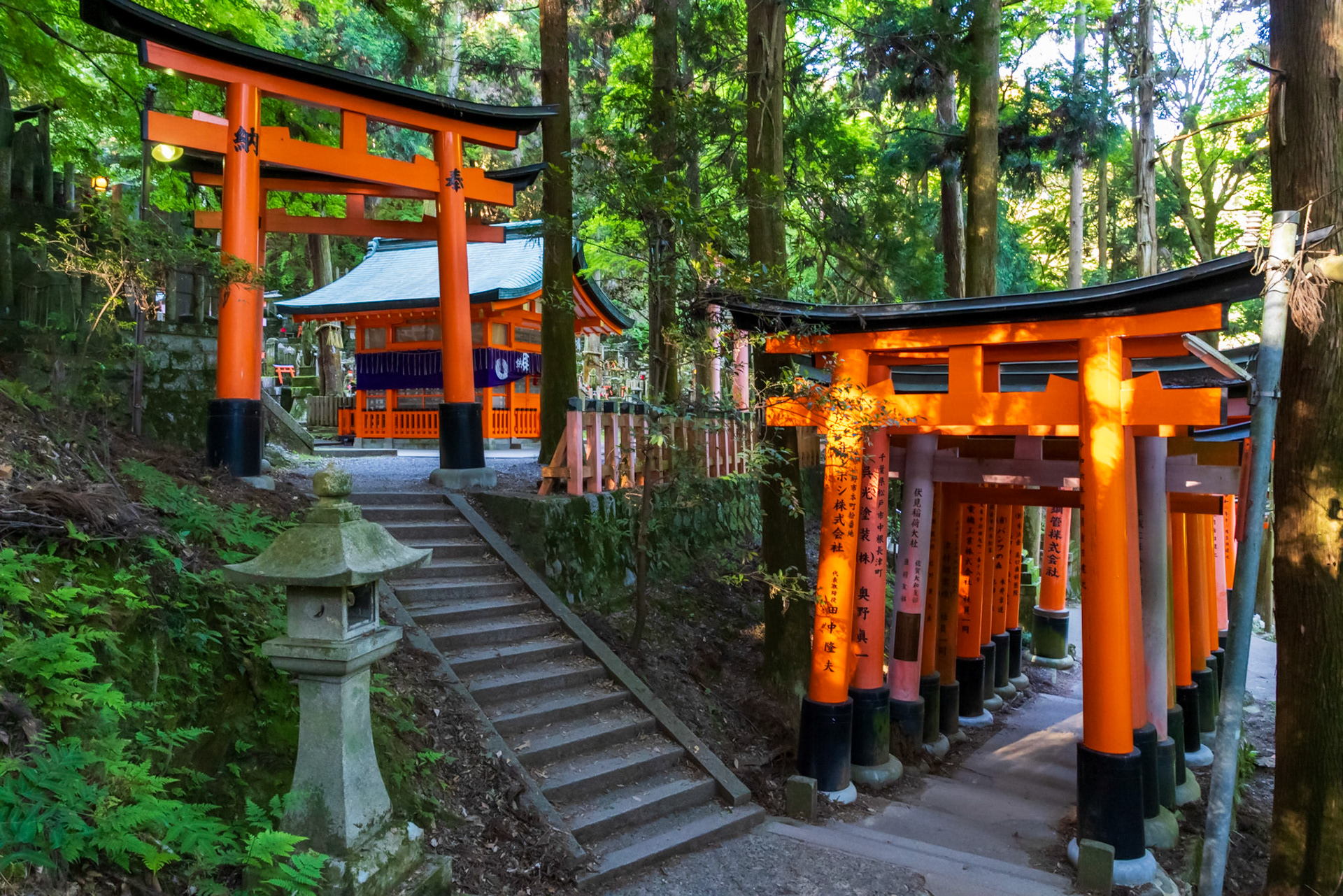
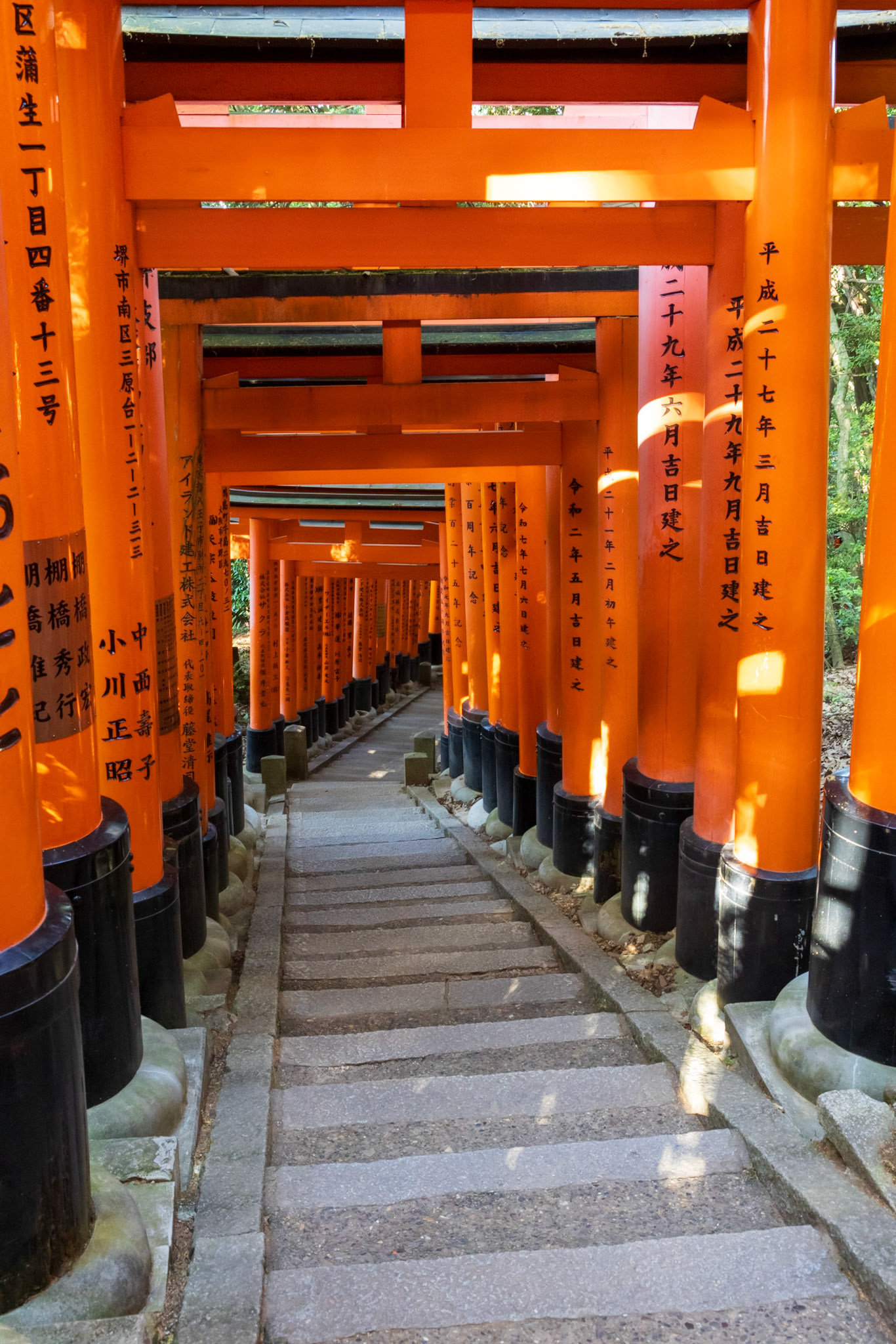
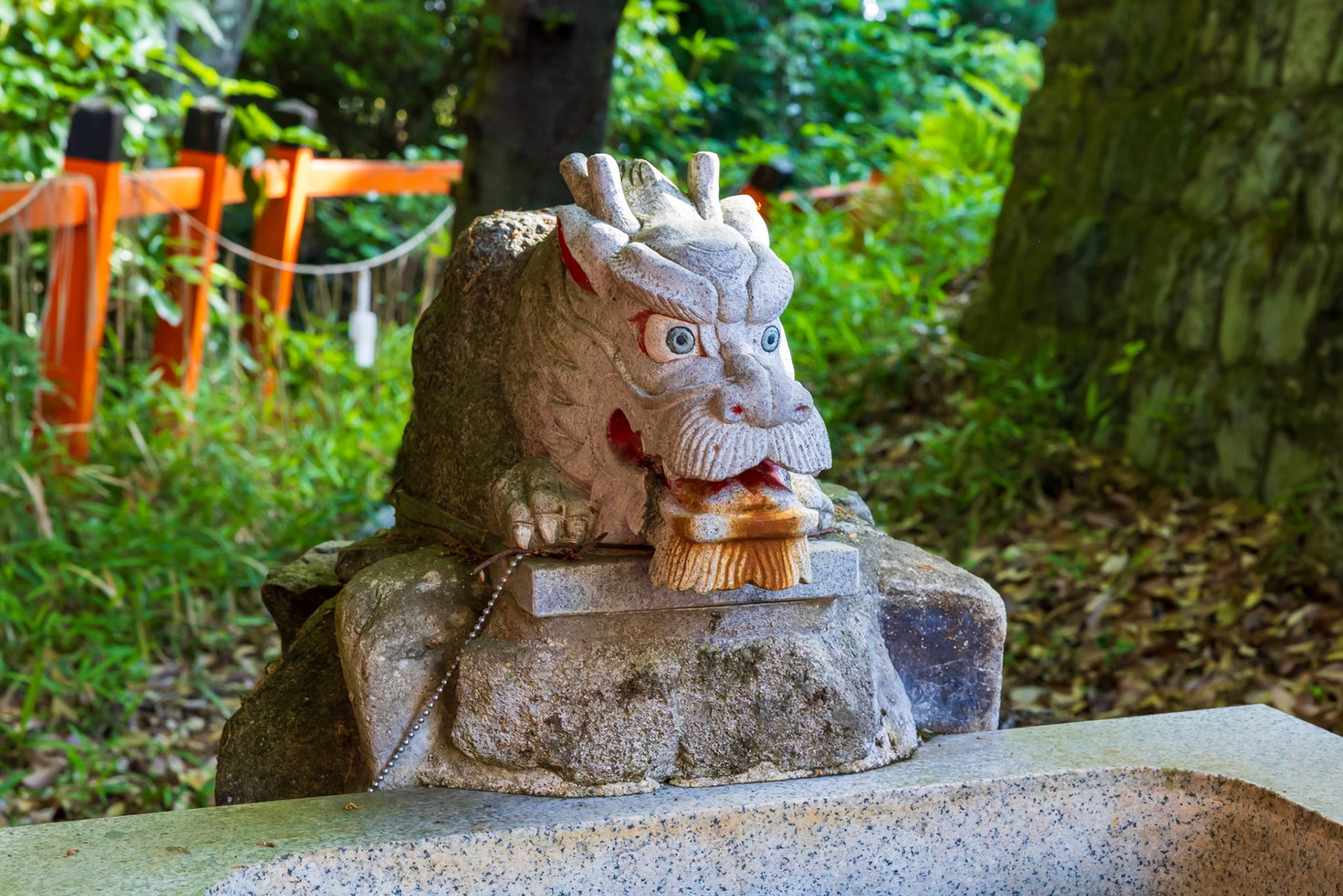
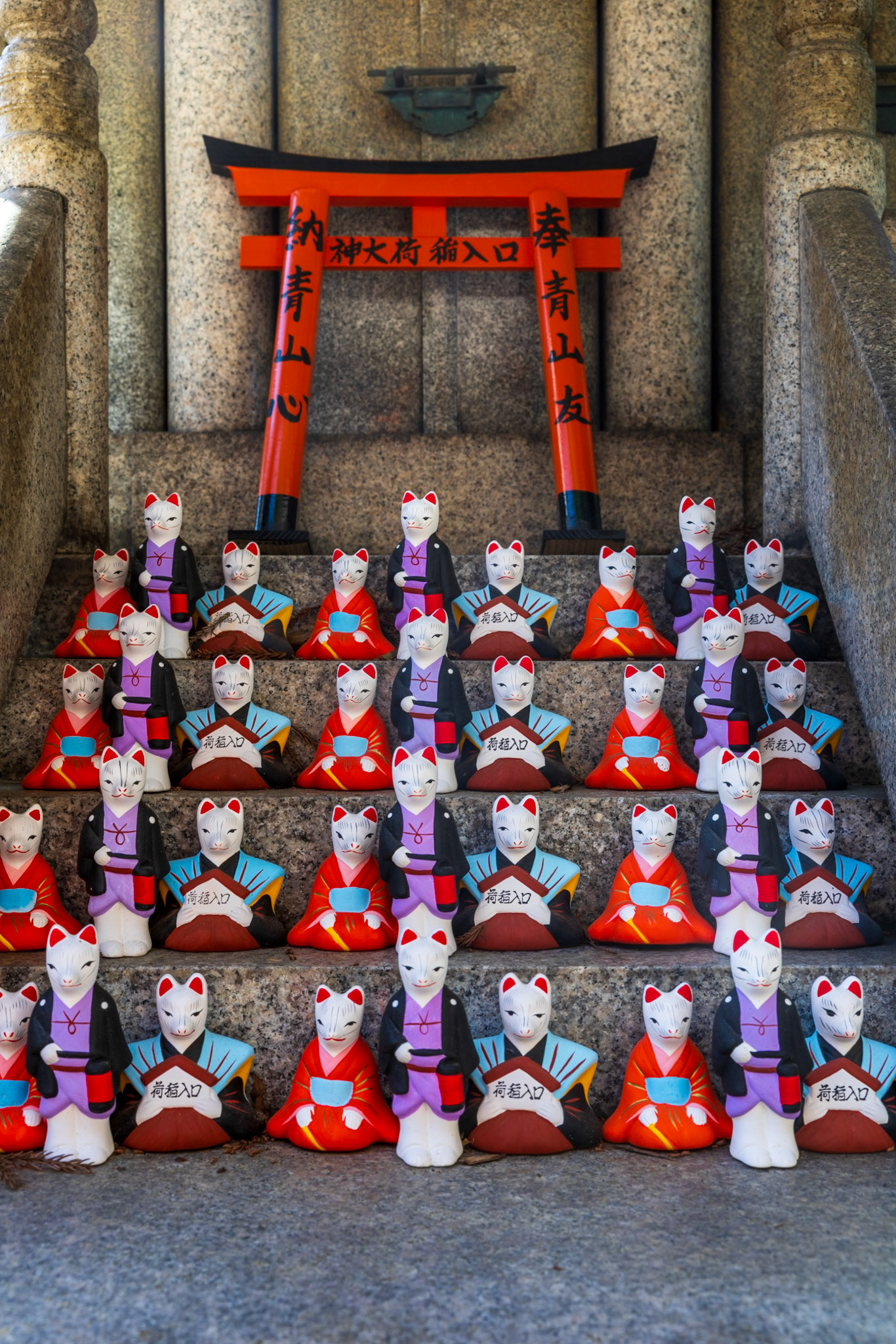
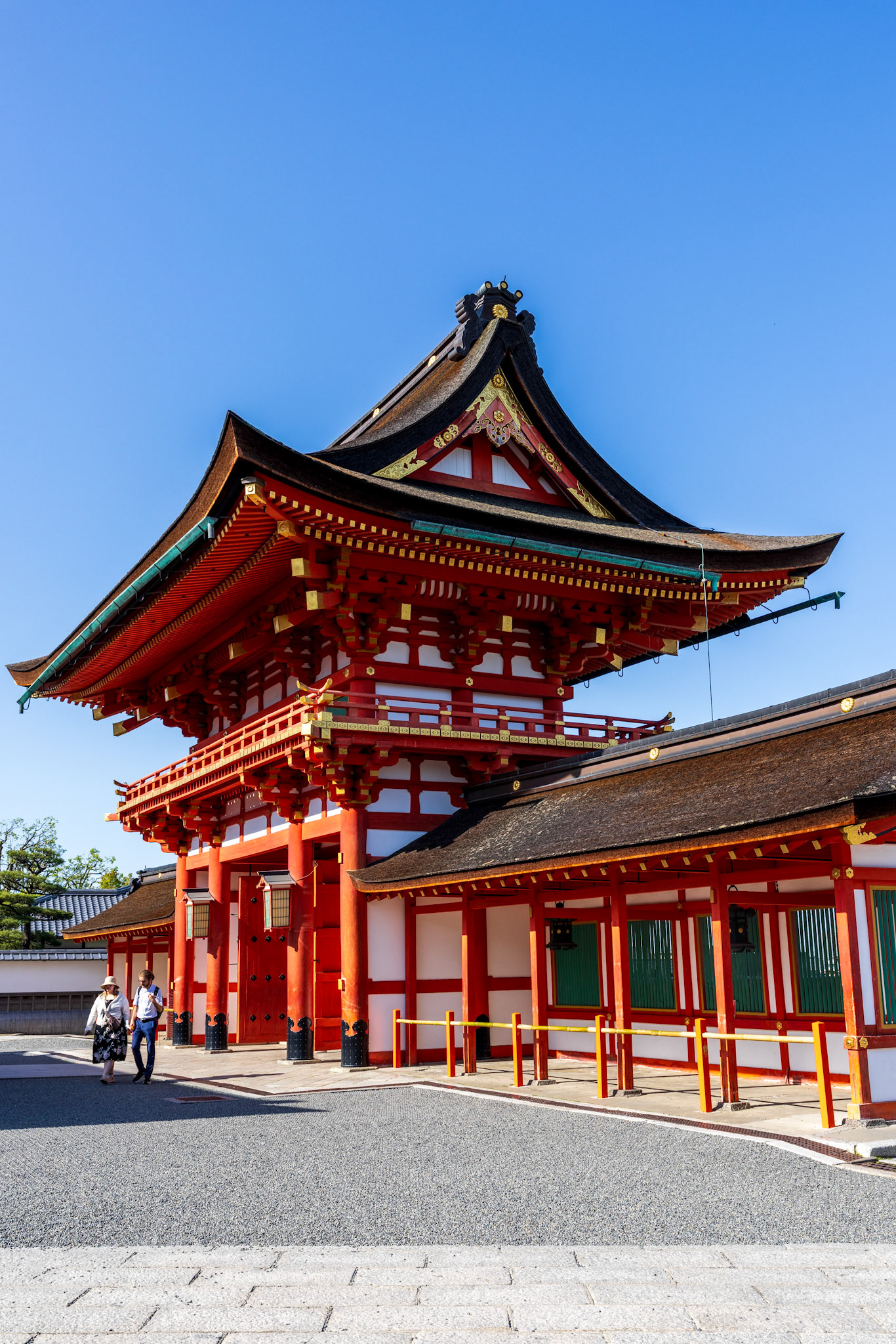
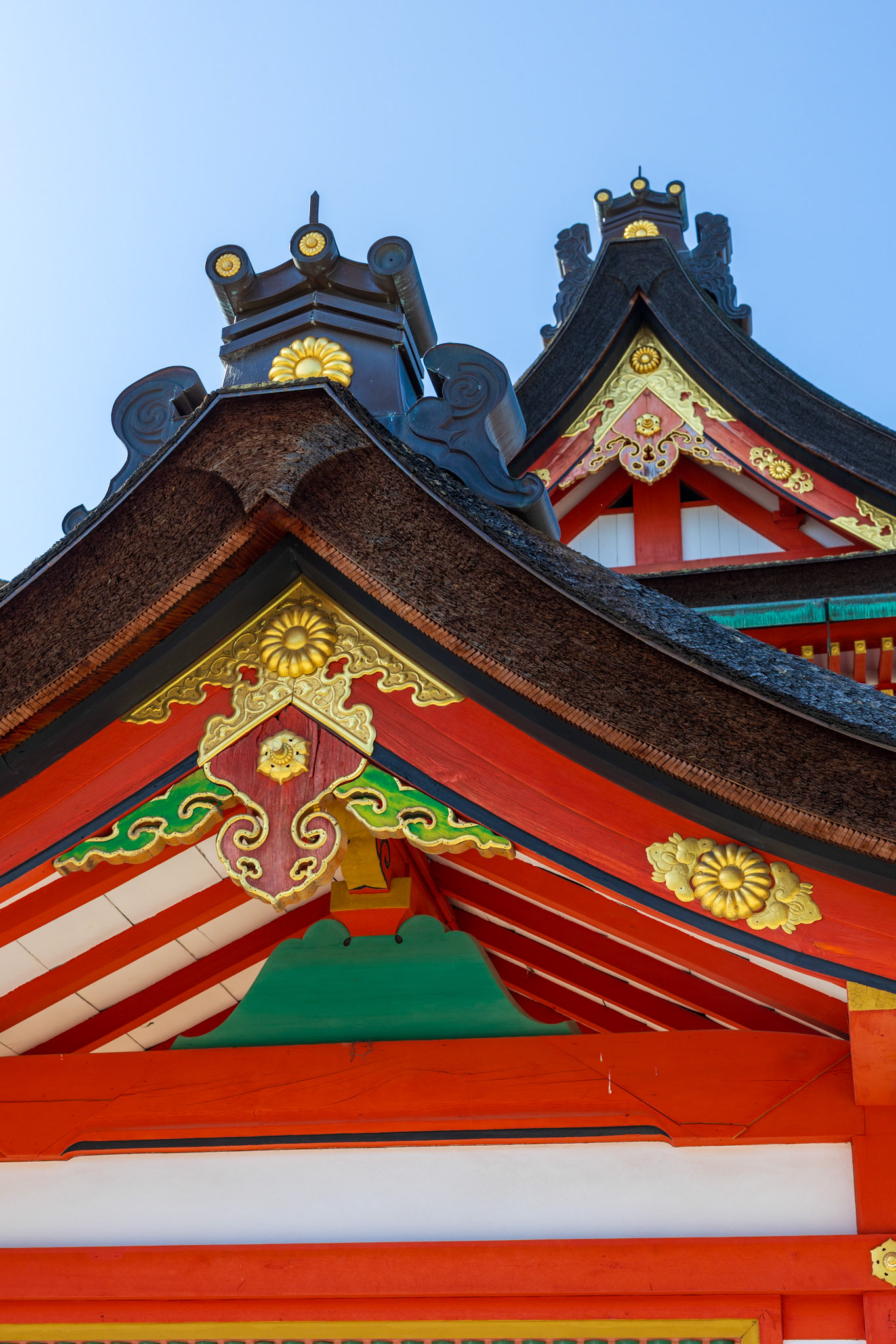
Fushimi-Inari-Taisha Shrine - The gates
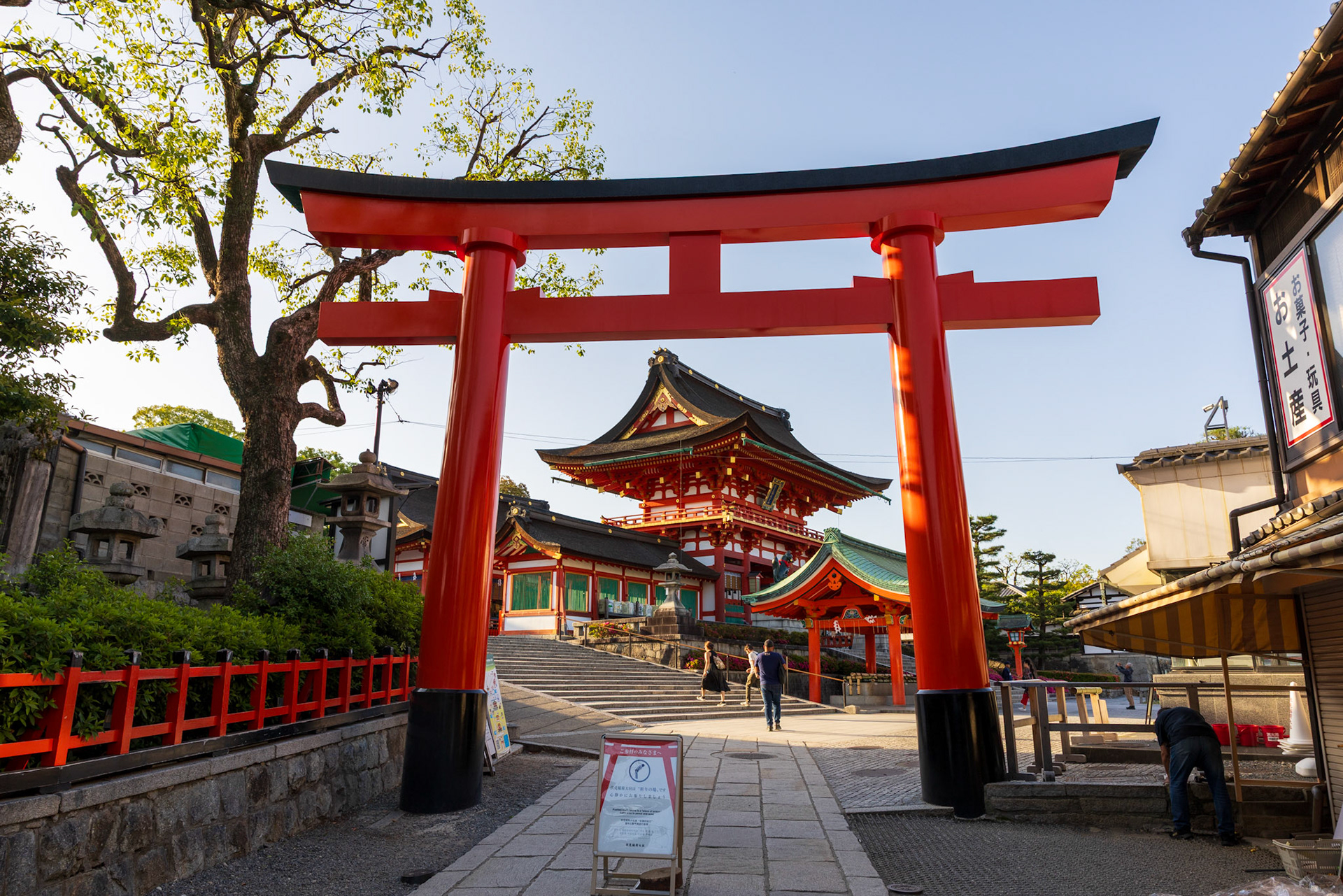

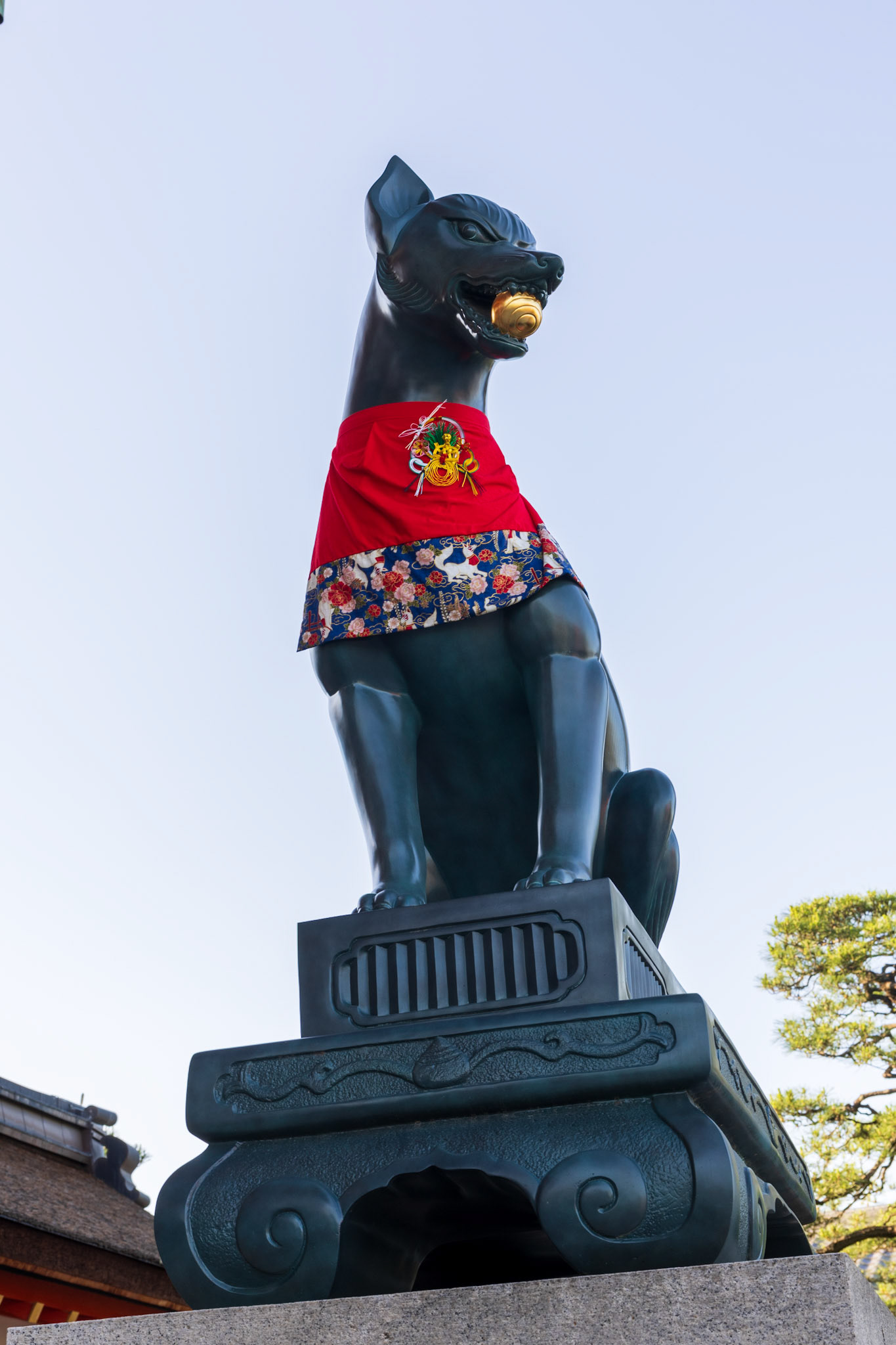

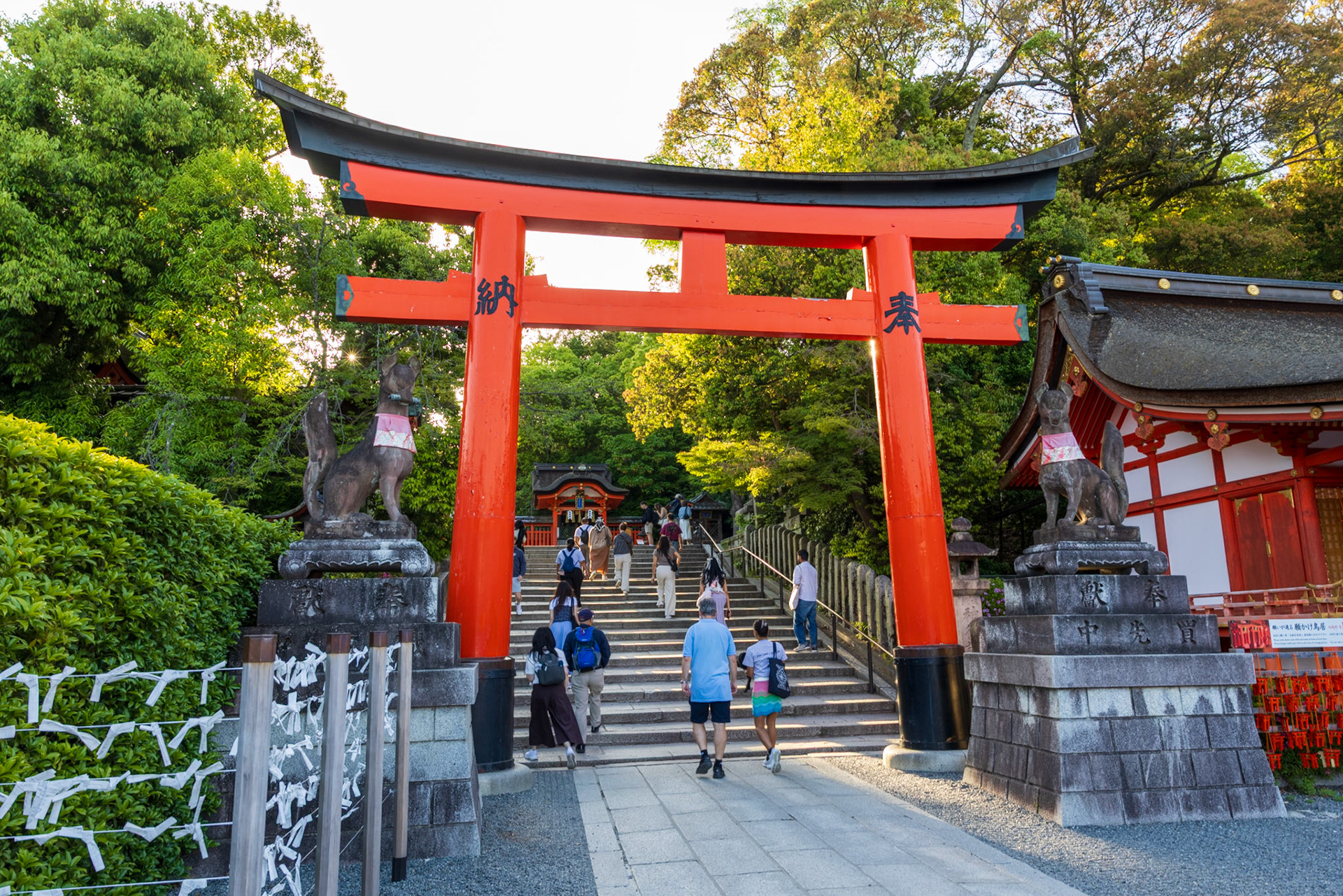
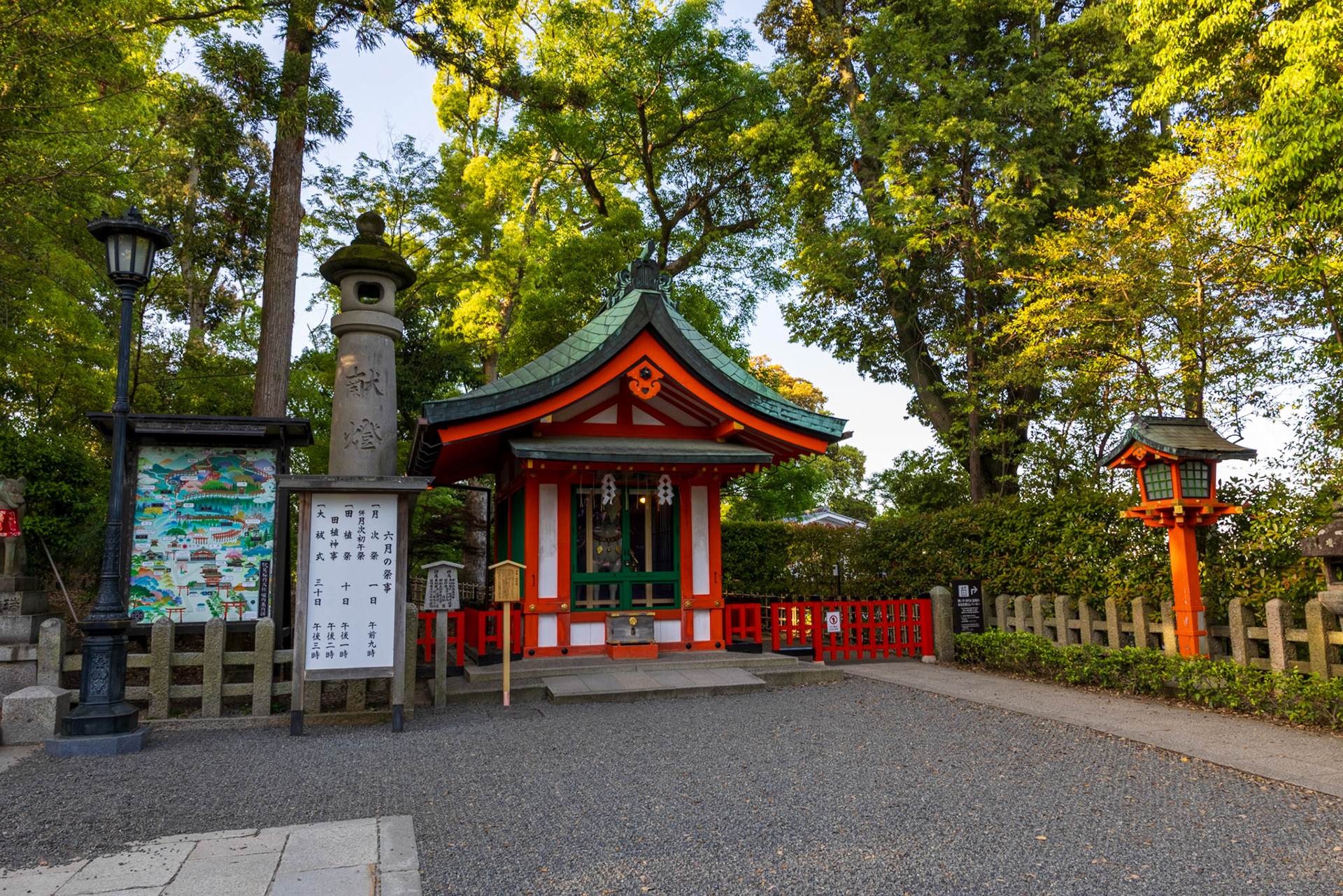




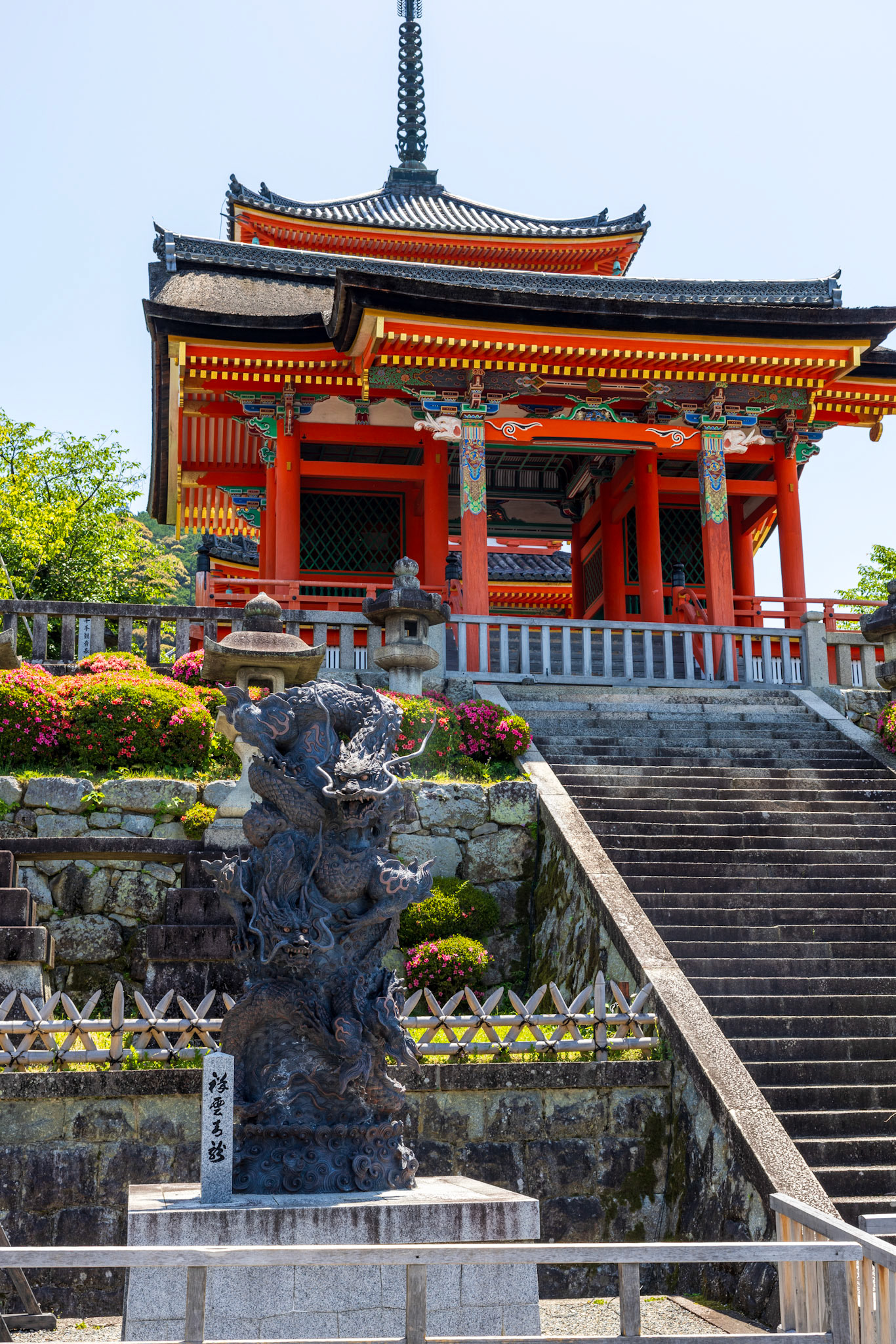
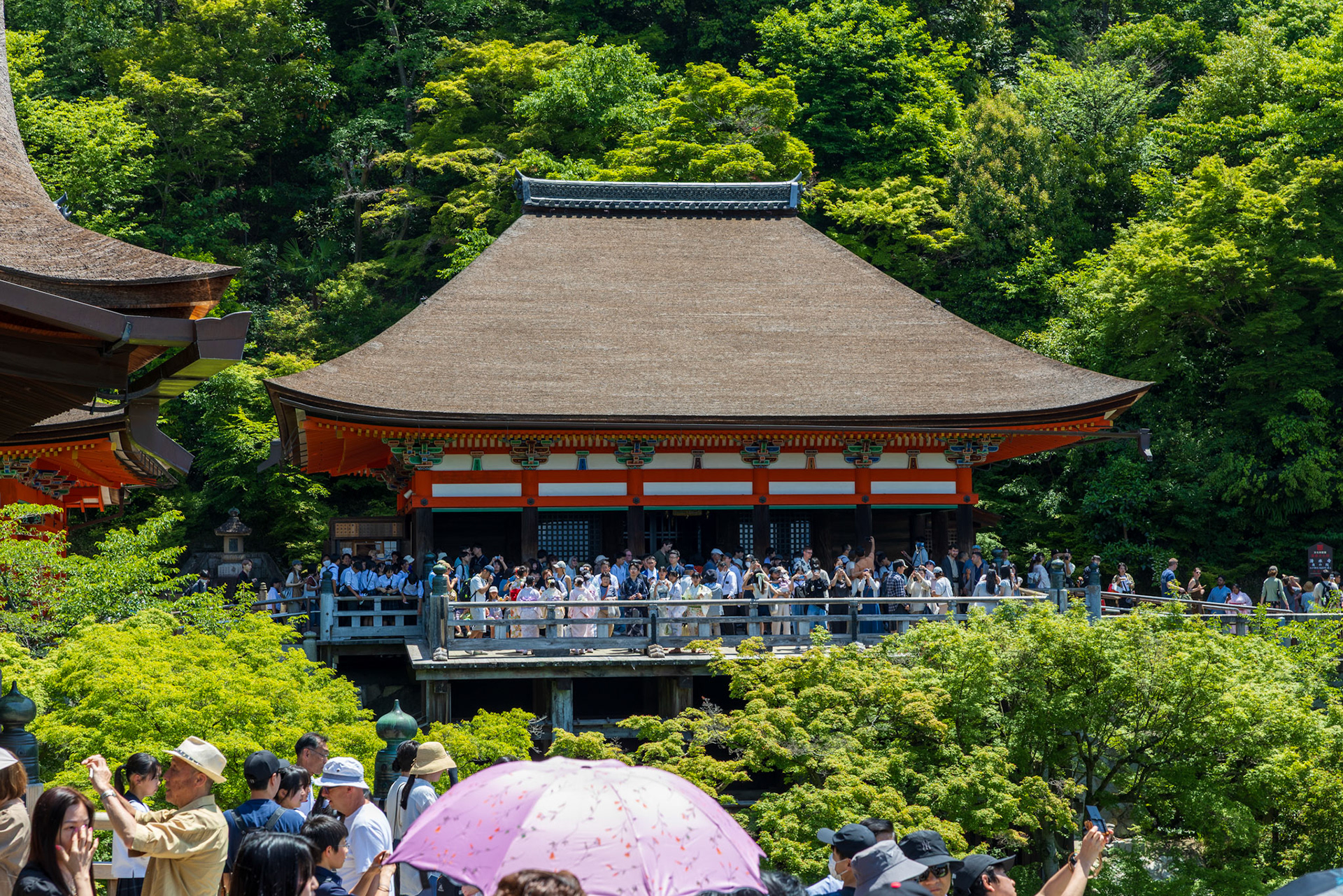
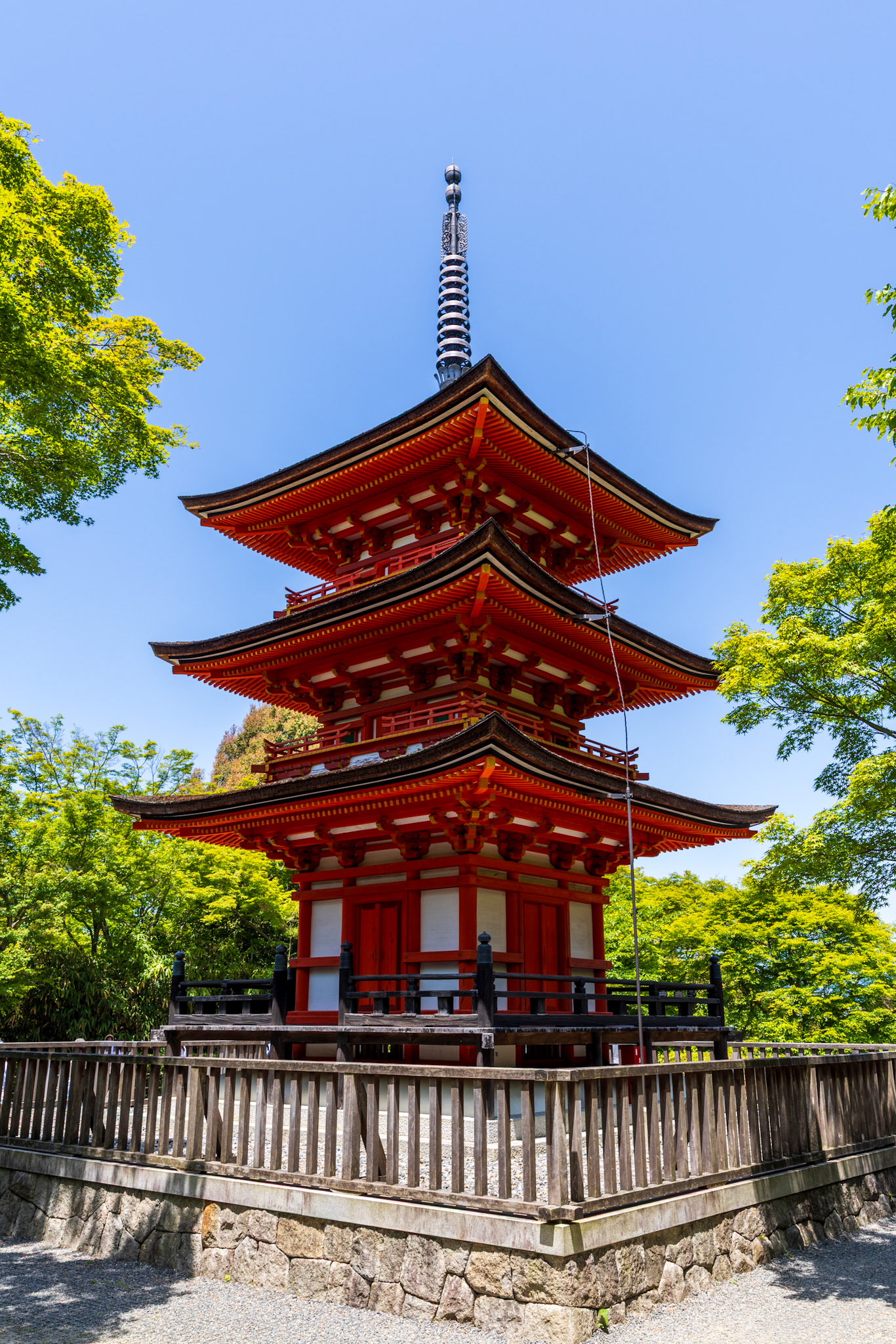
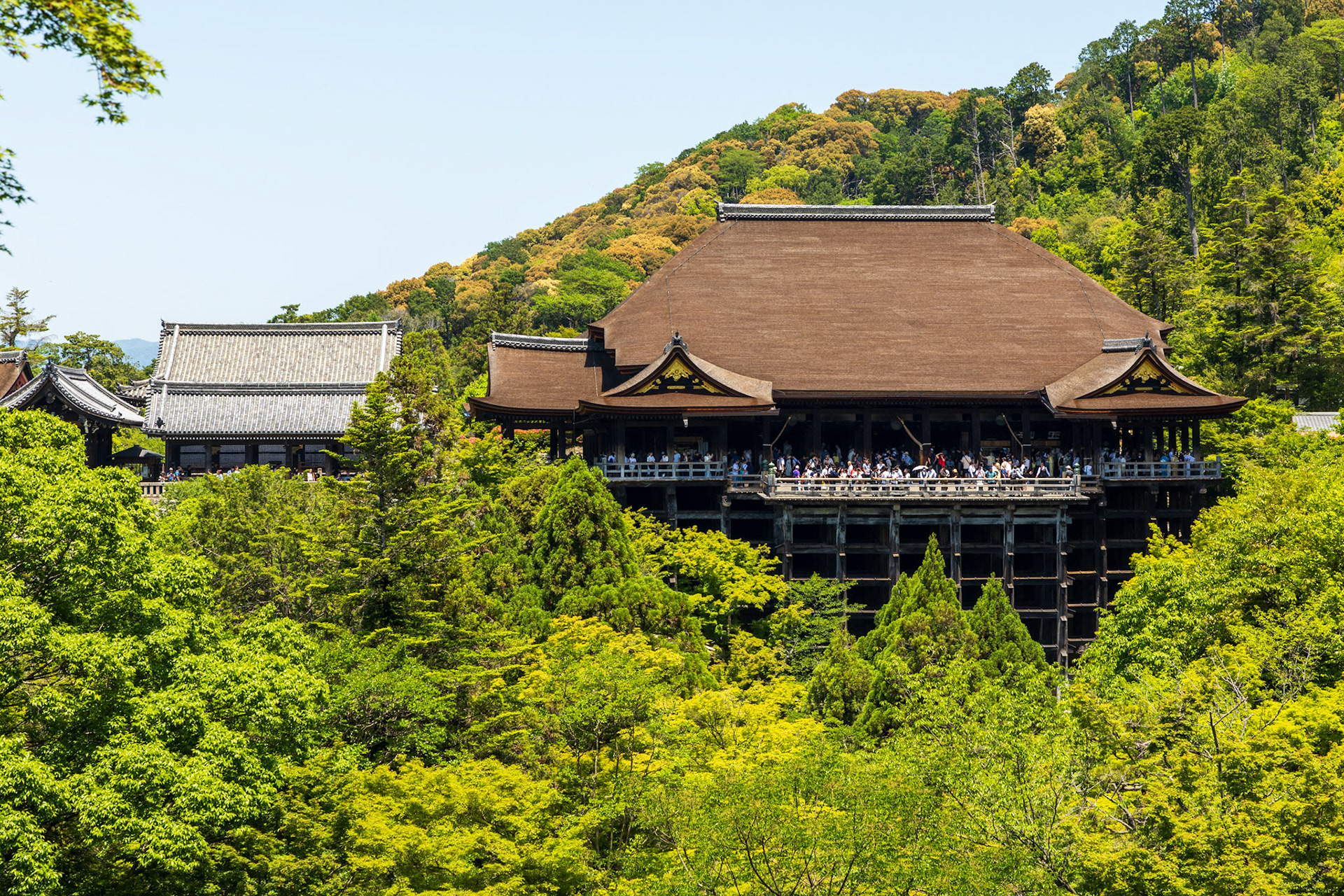
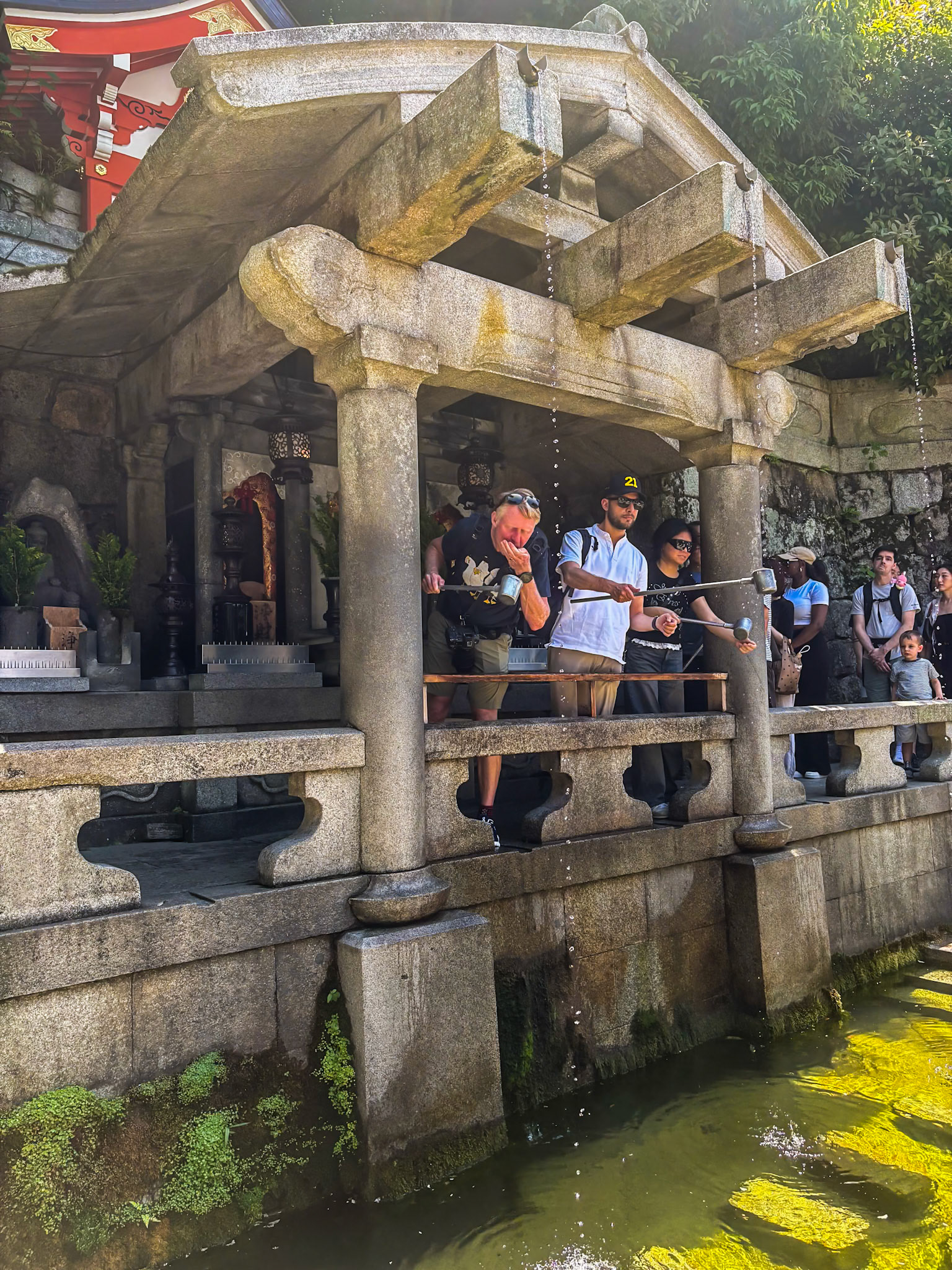
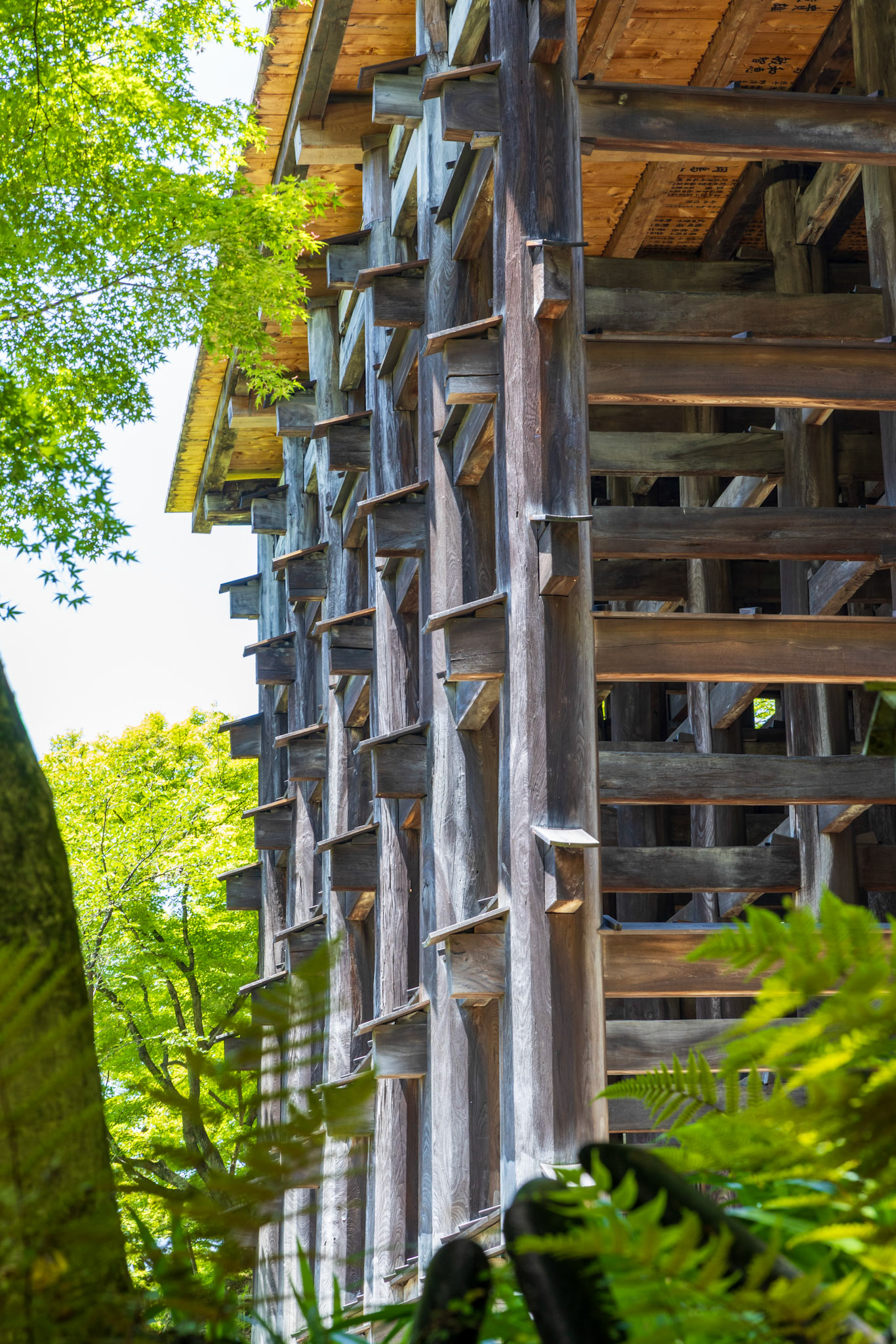
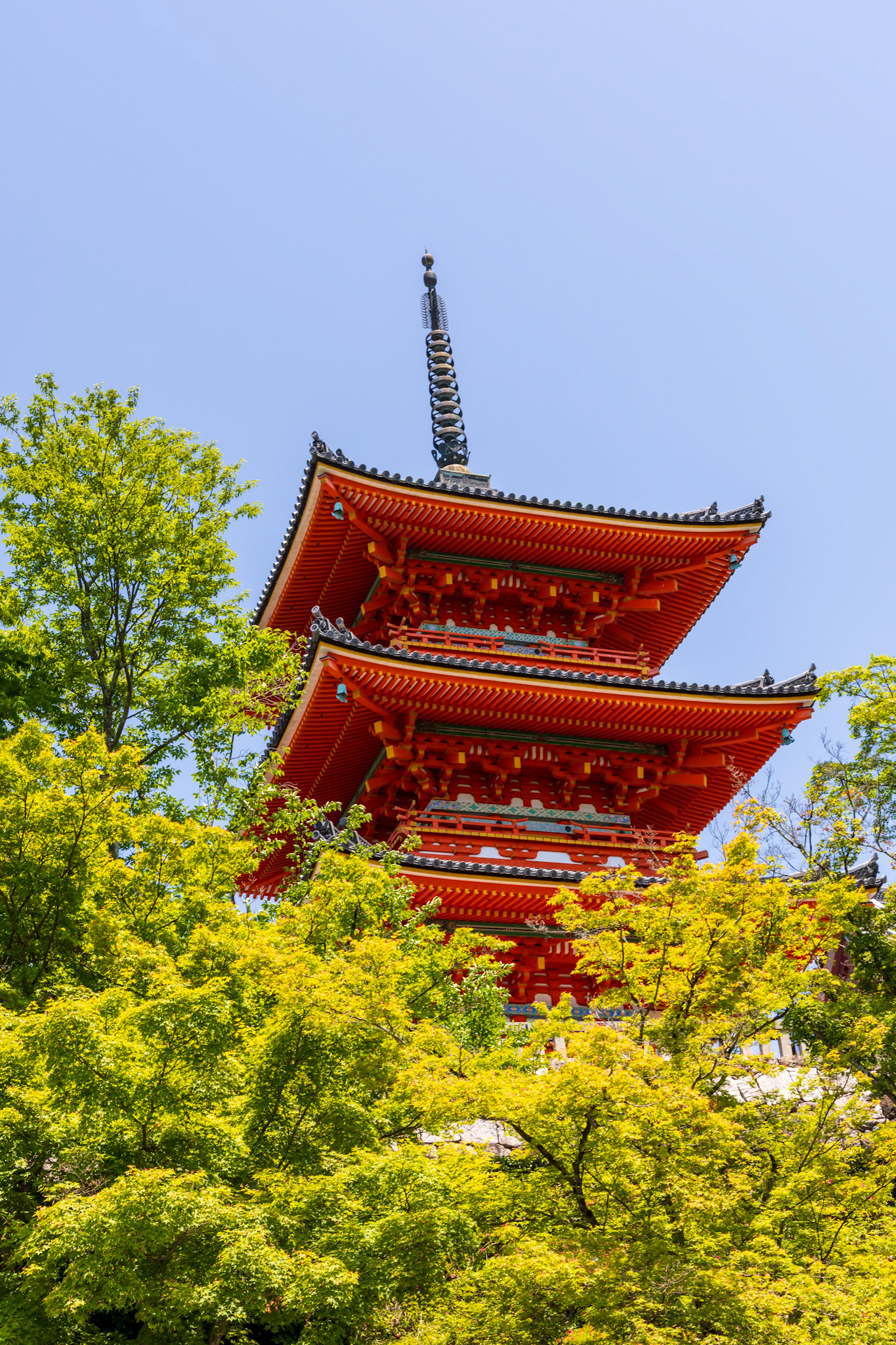
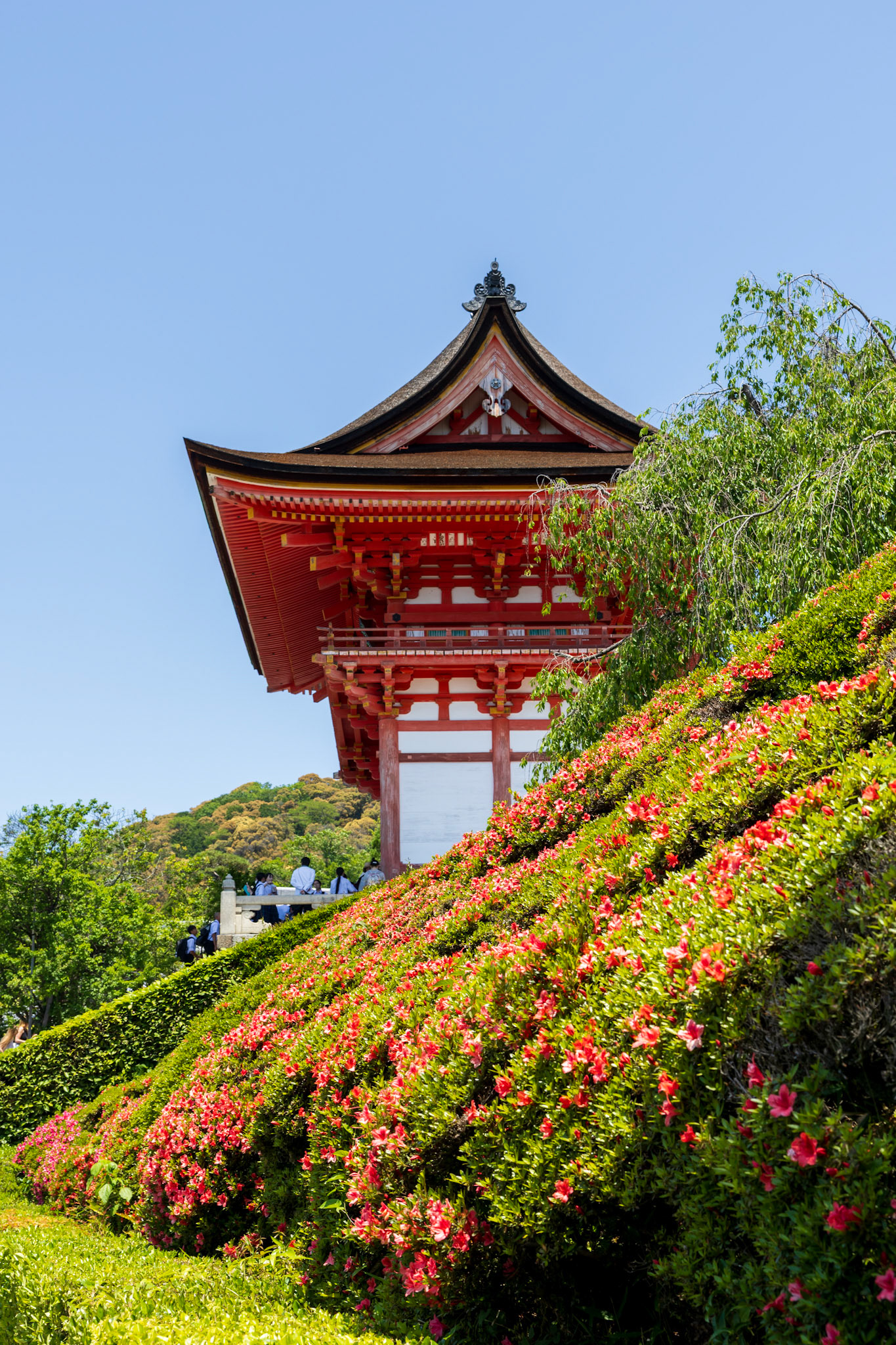
Kiyomizu-dera Temple - A Buddhist temple known for its massive wooden stage built entirely without nails, offering sweeping views of the city below, and designated as a UNESCO World Heritage Site. They had a fun spring to drink from where you had to choose between three distinct streams of water, each granting a different blessing: health, longevity, or success in studies. The catch? You can only pick one—if you get greedy and drink from all three, the blessings are canceled out!


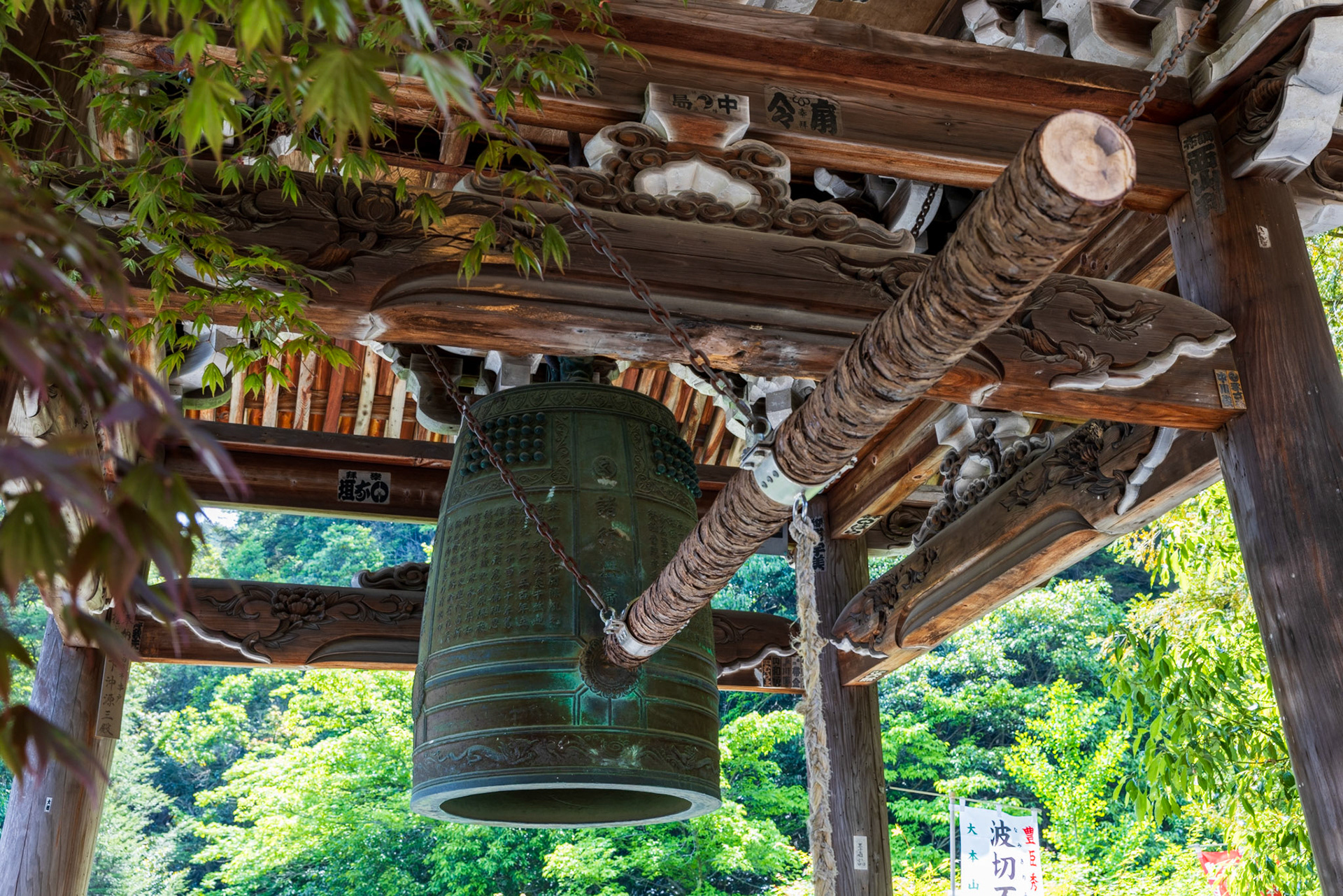
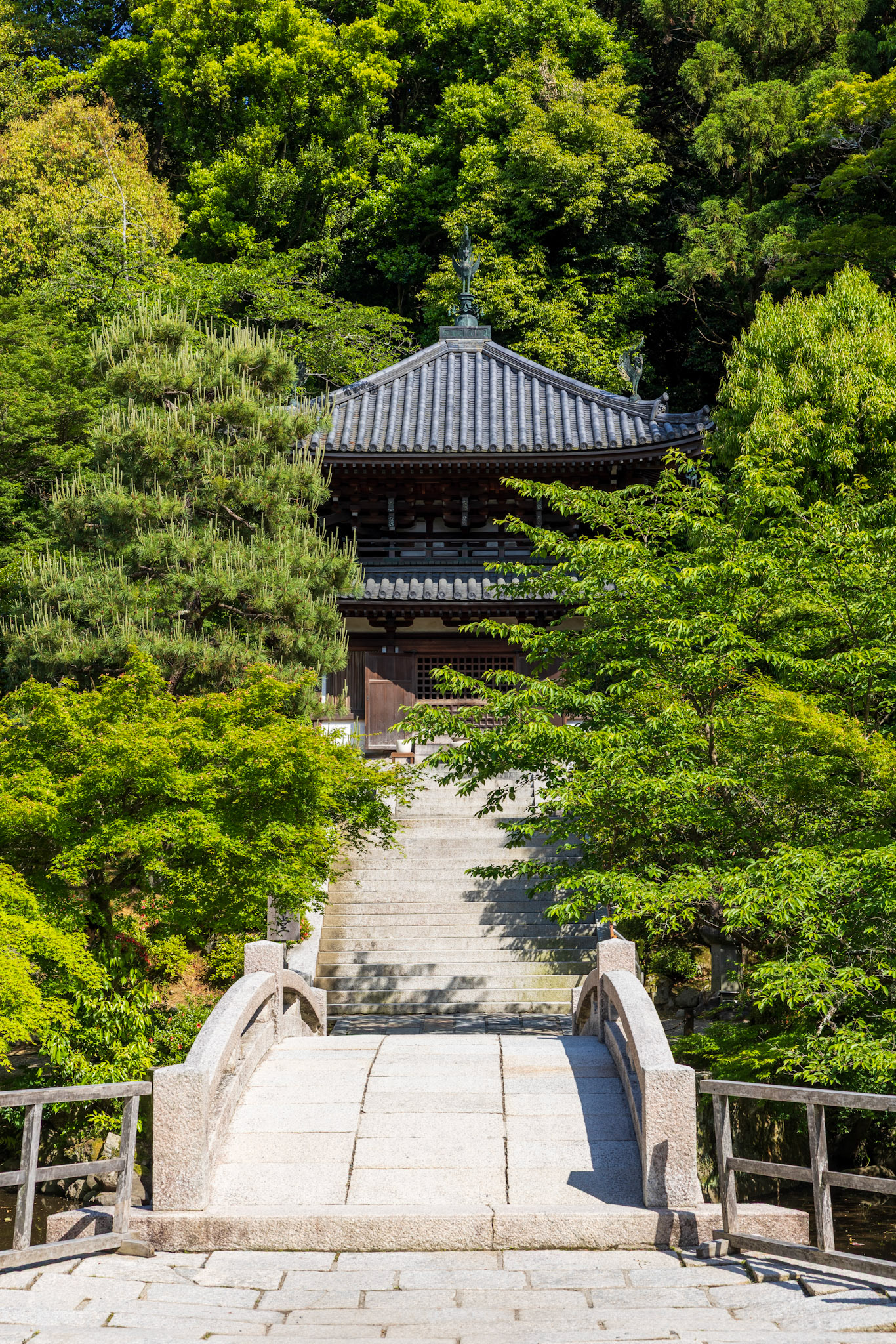
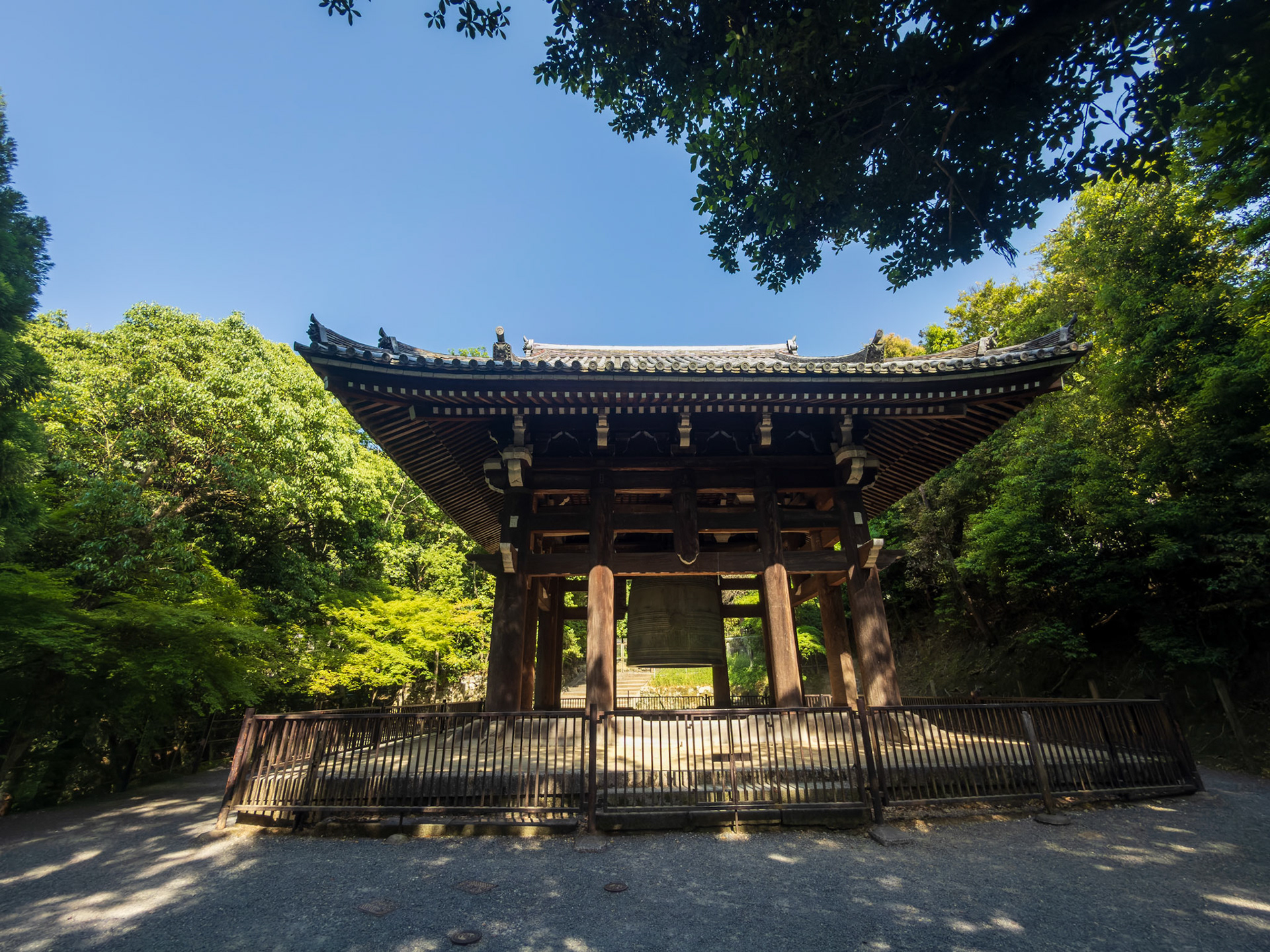
Chion-in Temple - This temple wasn't on our to-do list, and we just came across it while exploring. It wasn't crowded, which really made it much more enjoyable, and we were really impressed with the huge bronze bell. Because it is so massive, it requires a synchronized team of 17 monks working together to ring it. On New Year's Eve, they strike the bell exactly 108 times to ring out the 108 worldly desires that cause human suffering, purifying everyone for the year ahead.

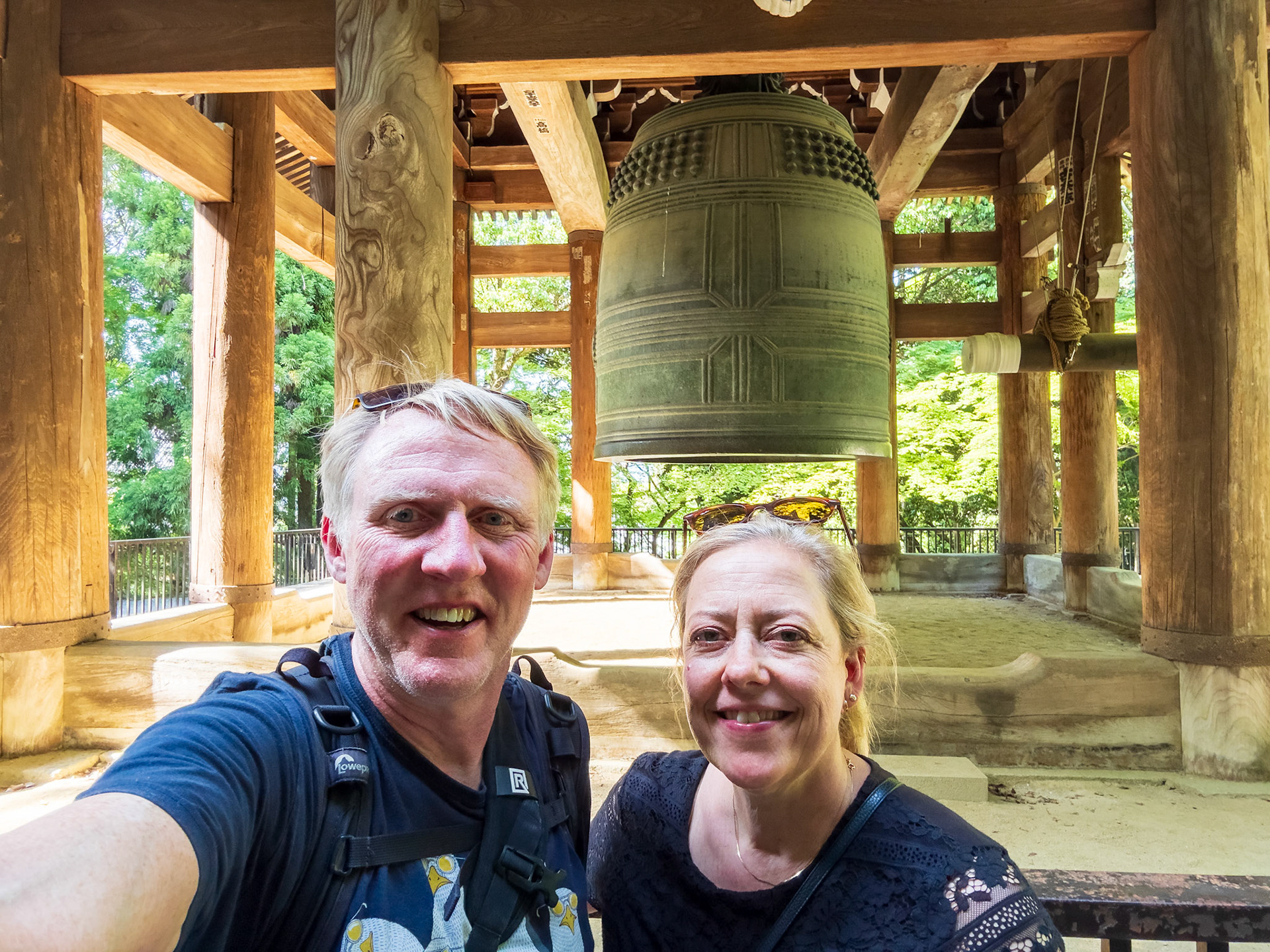
a massive 70-ton bronze bell that is still rung by monks each New Year's Eve
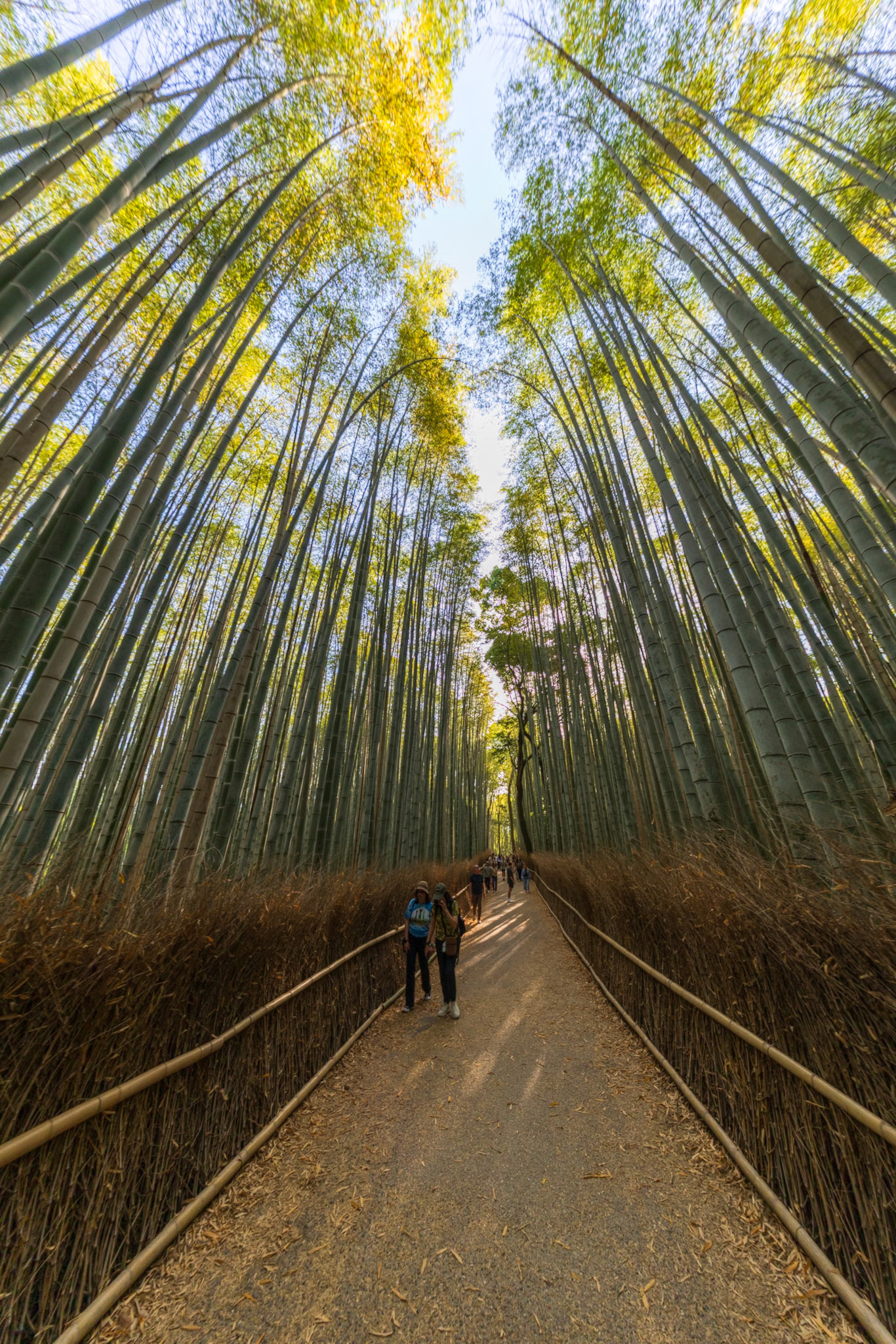
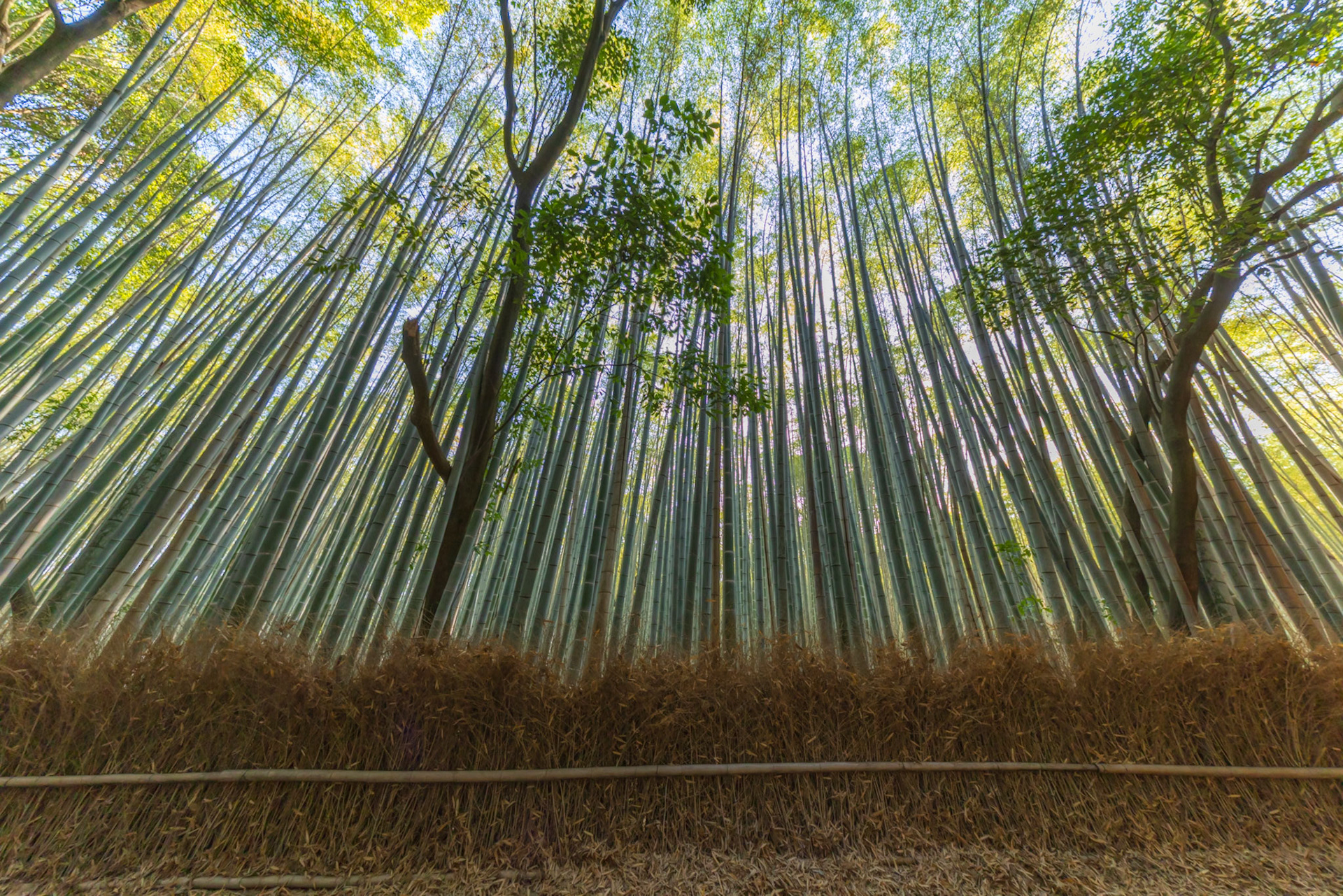
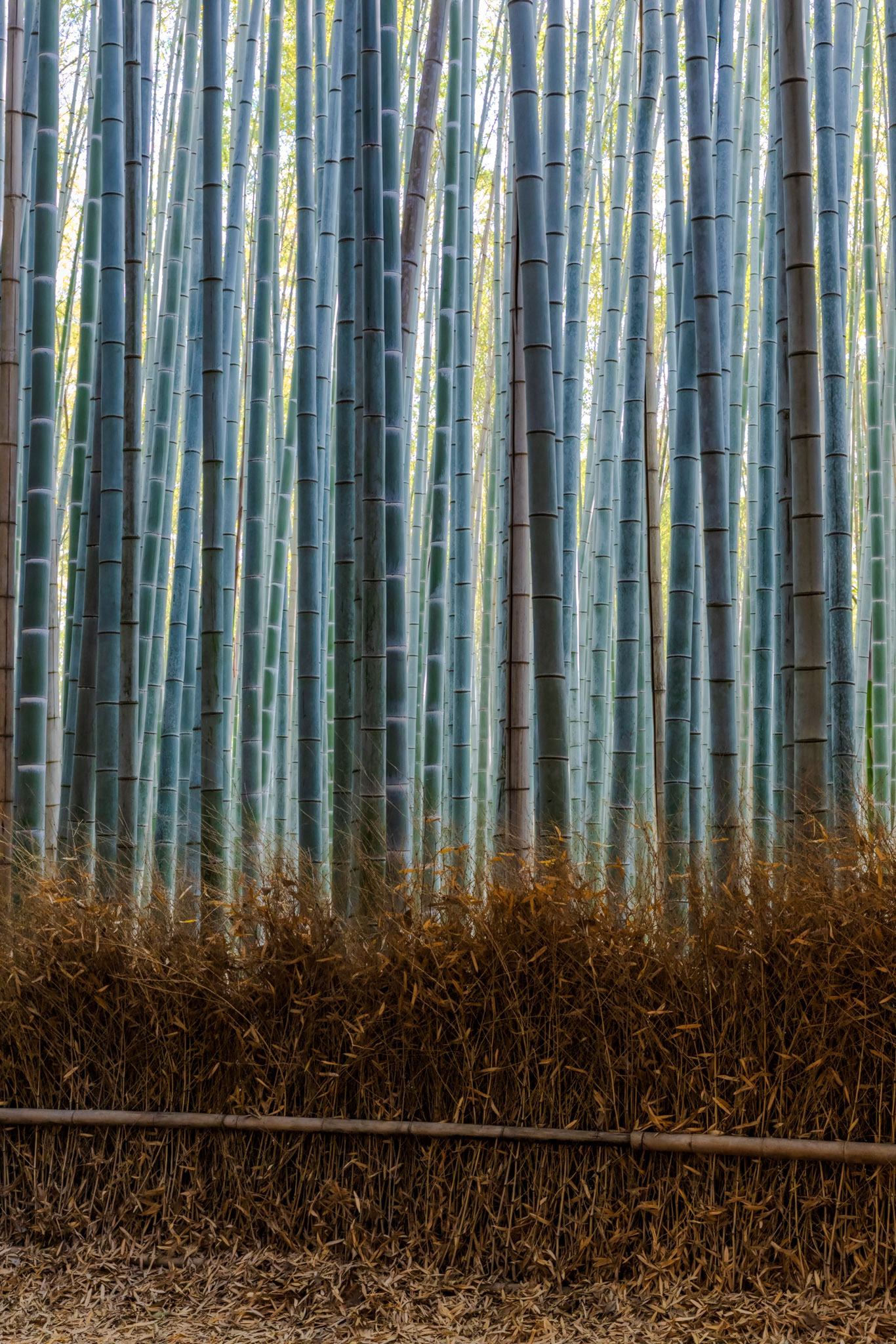
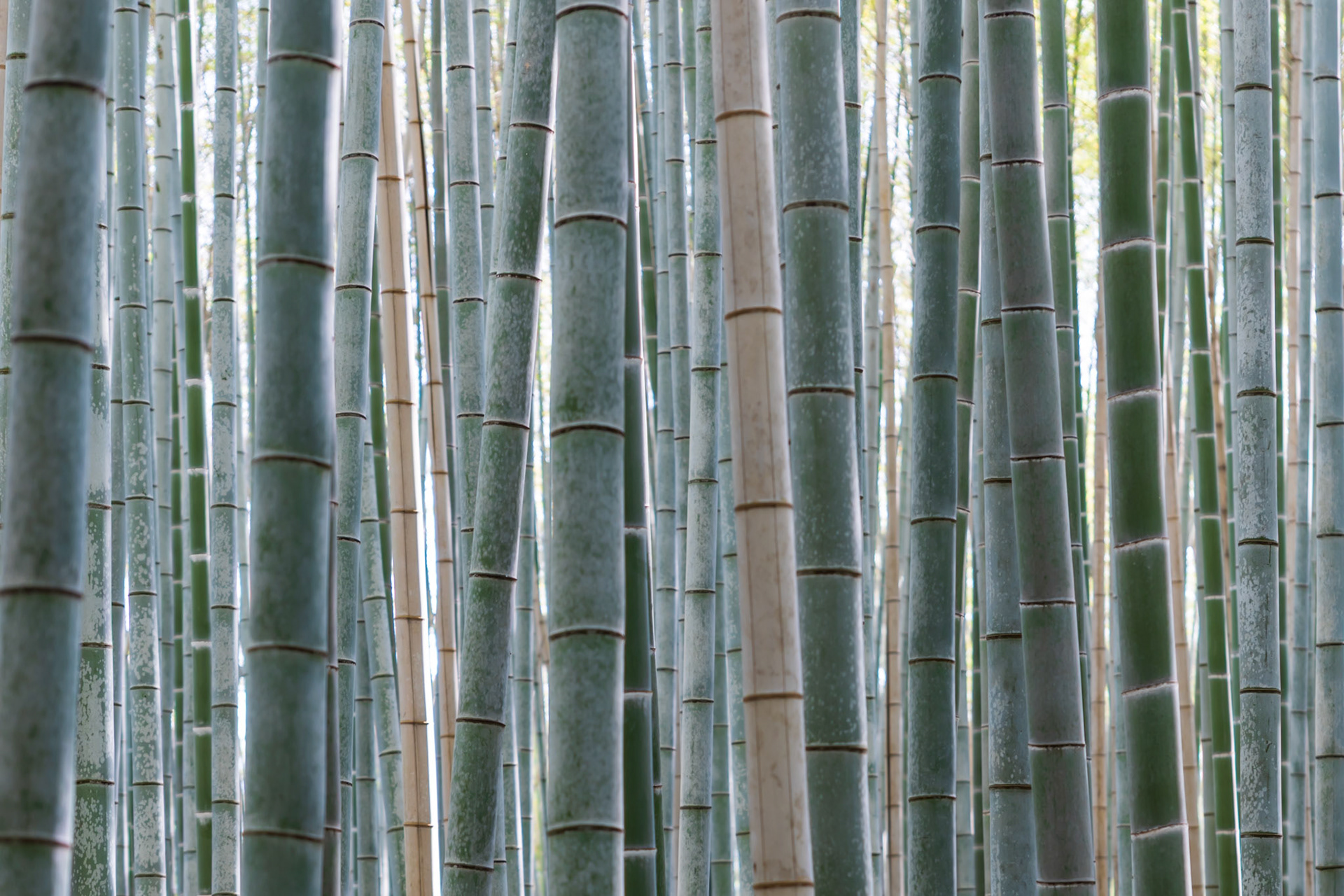
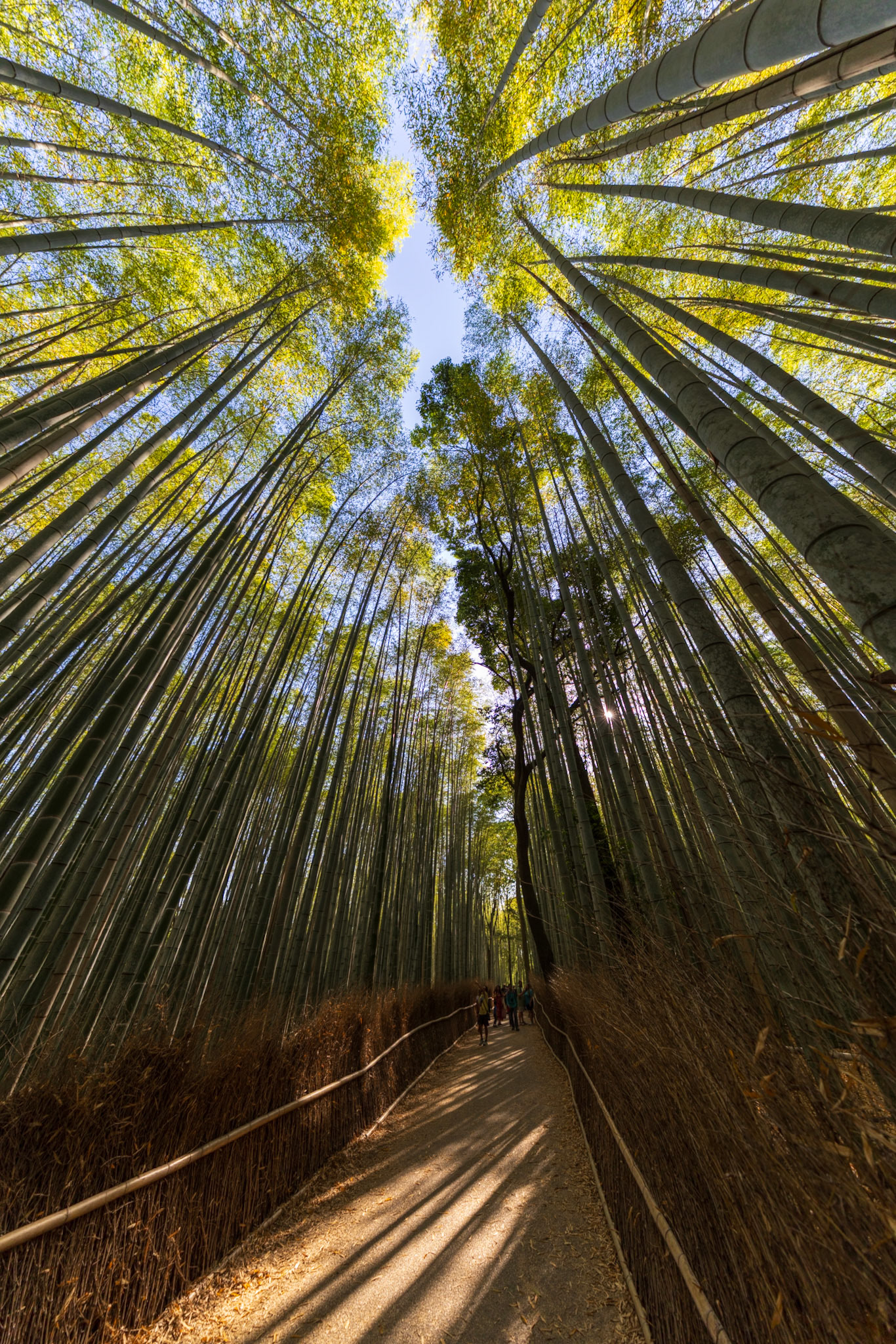
The Arashiyama Bamboo Grove - I’m glad we went and saw this, but despite going early in the morning, we felt like we were competing with crowds of other people all to get the same picture we’ve seen on Instagram 100 times.




Tenryu-ji Temple - Considered the most important of Kyoto's five major Zen temples, celebrated for its spectacular 14th-century Sogenchi Garden which has survived in its original form for hundreds of years. Reflecting its profound historical and cultural value, the entire temple complex is designated as a UNESCO World Heritage Site as part of the "Historic Monuments of Ancient Kyoto".
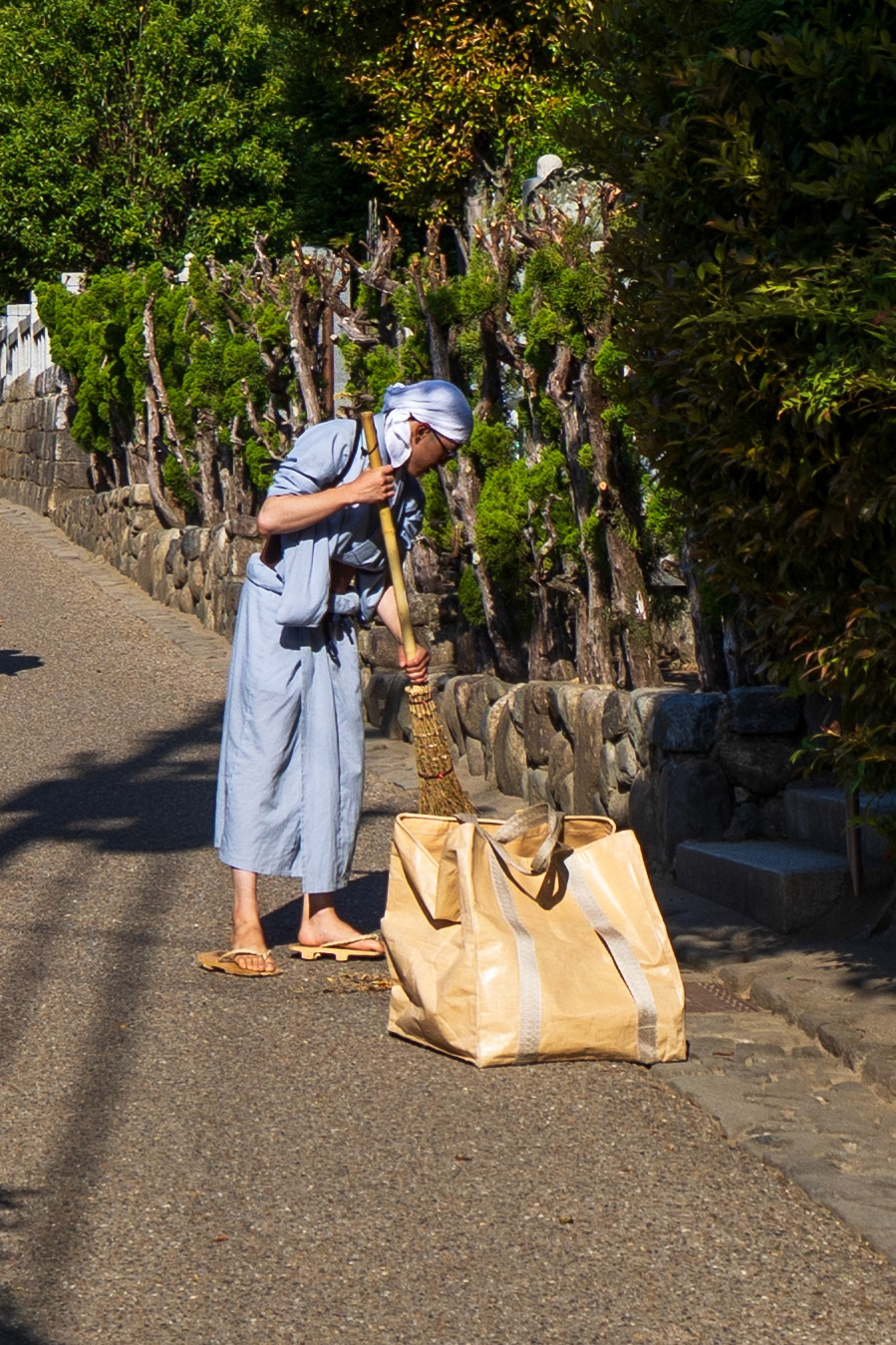
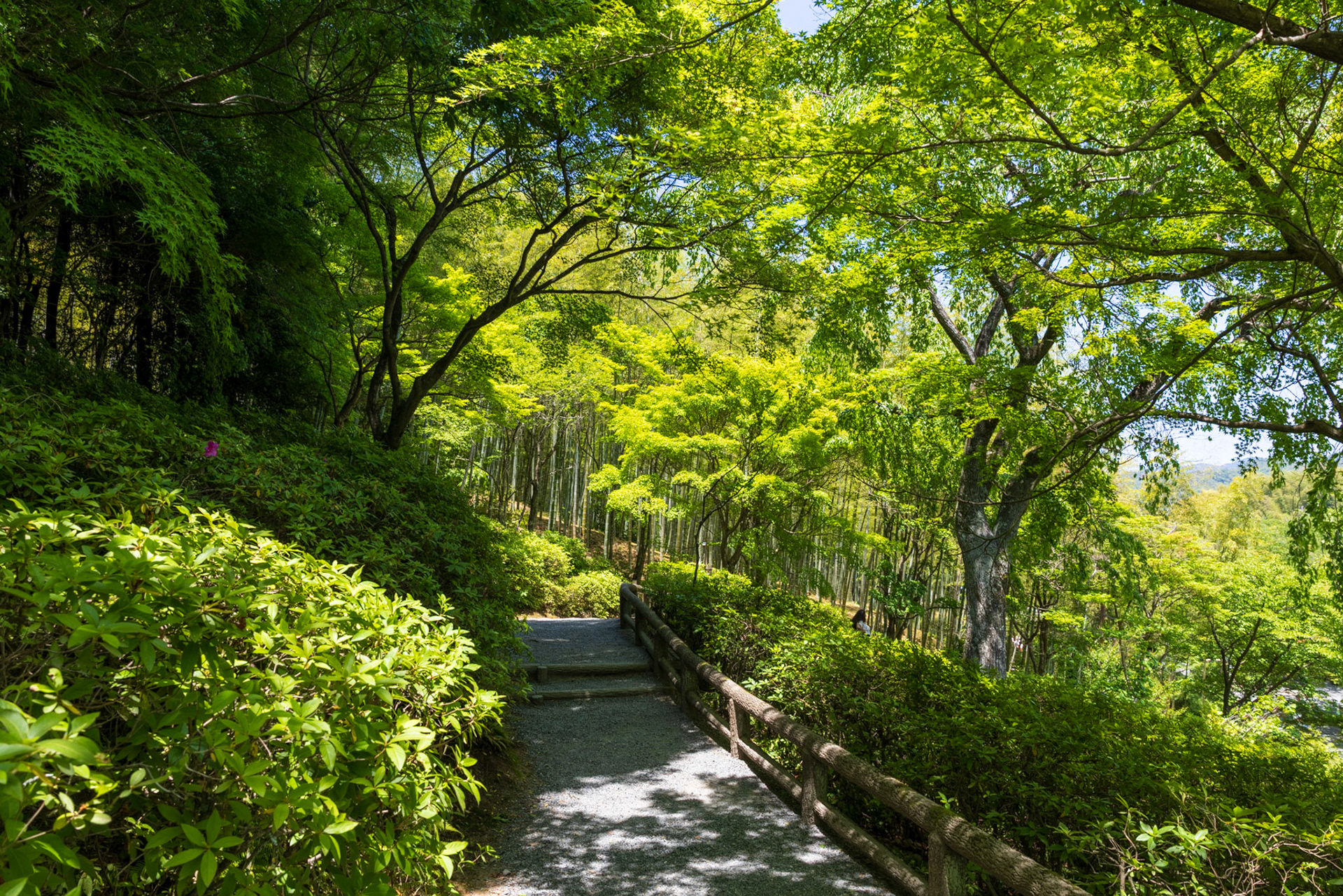


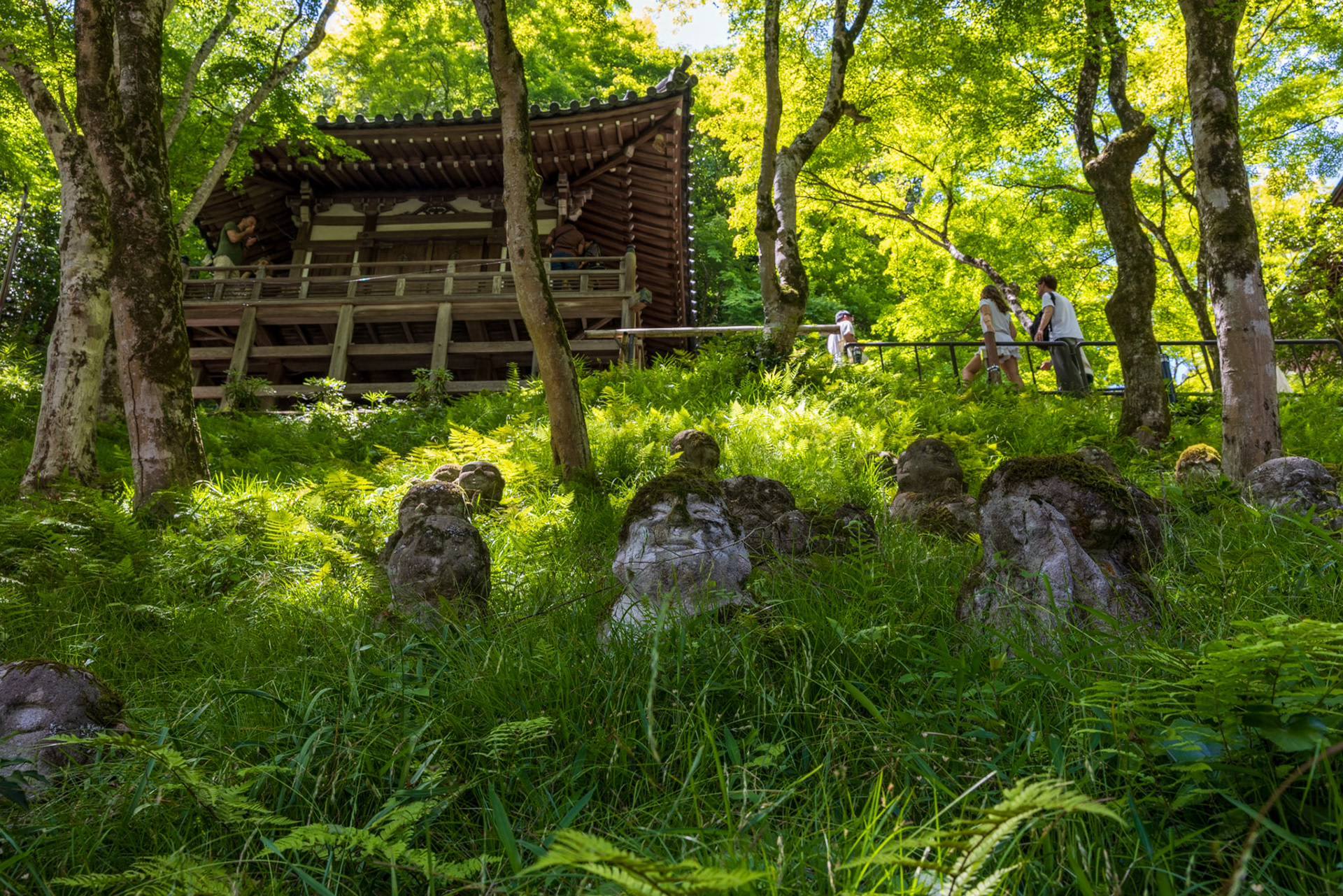
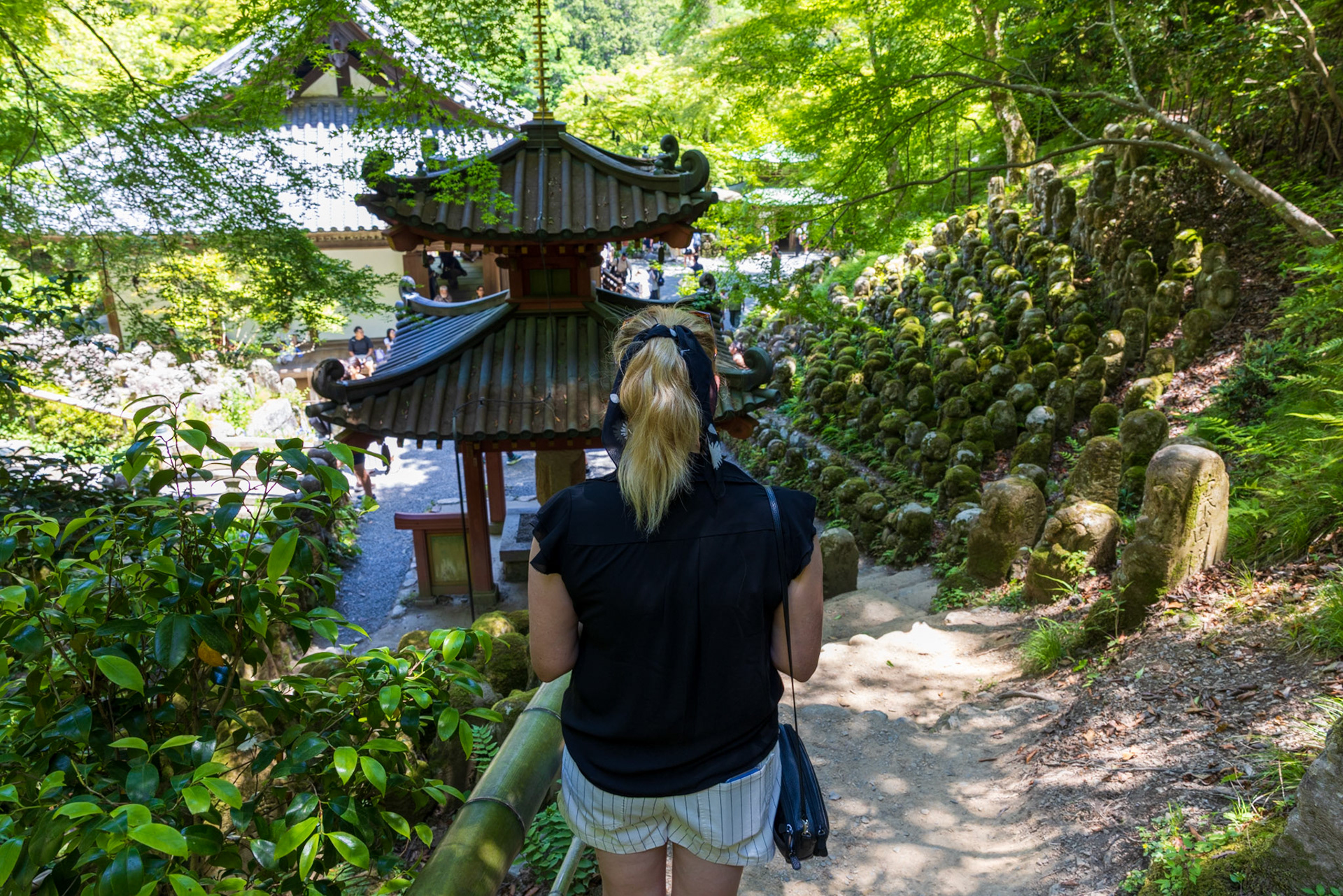
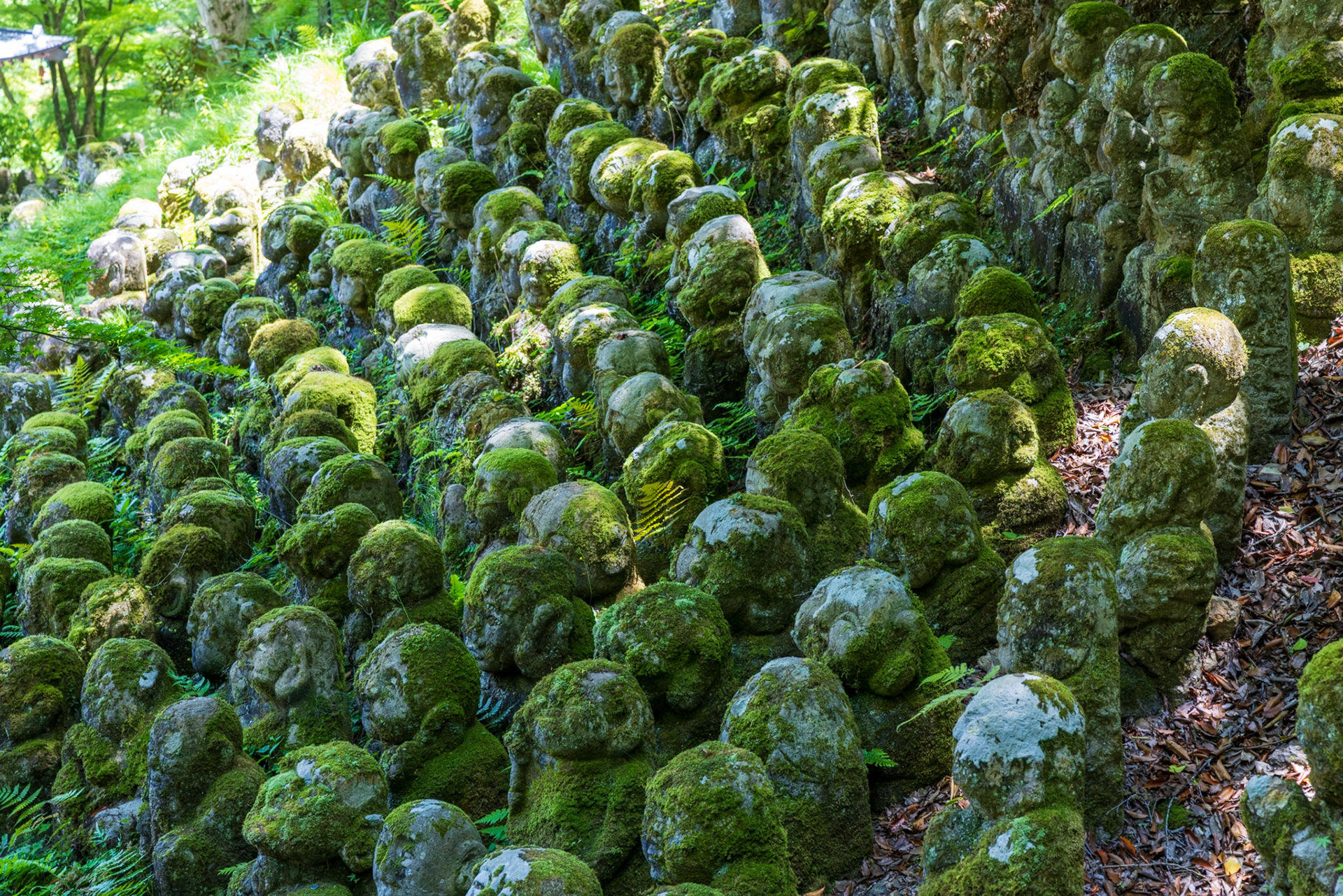
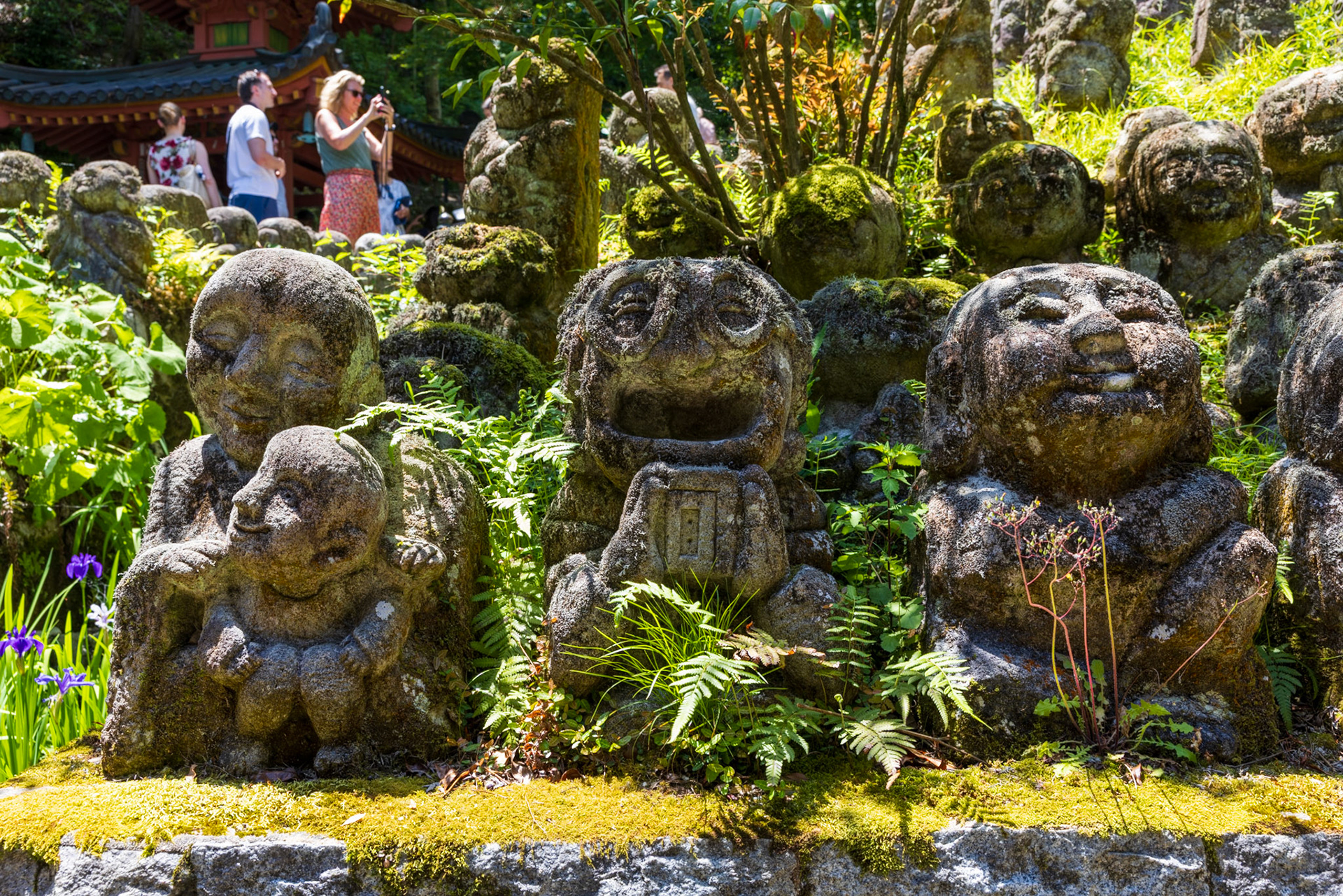
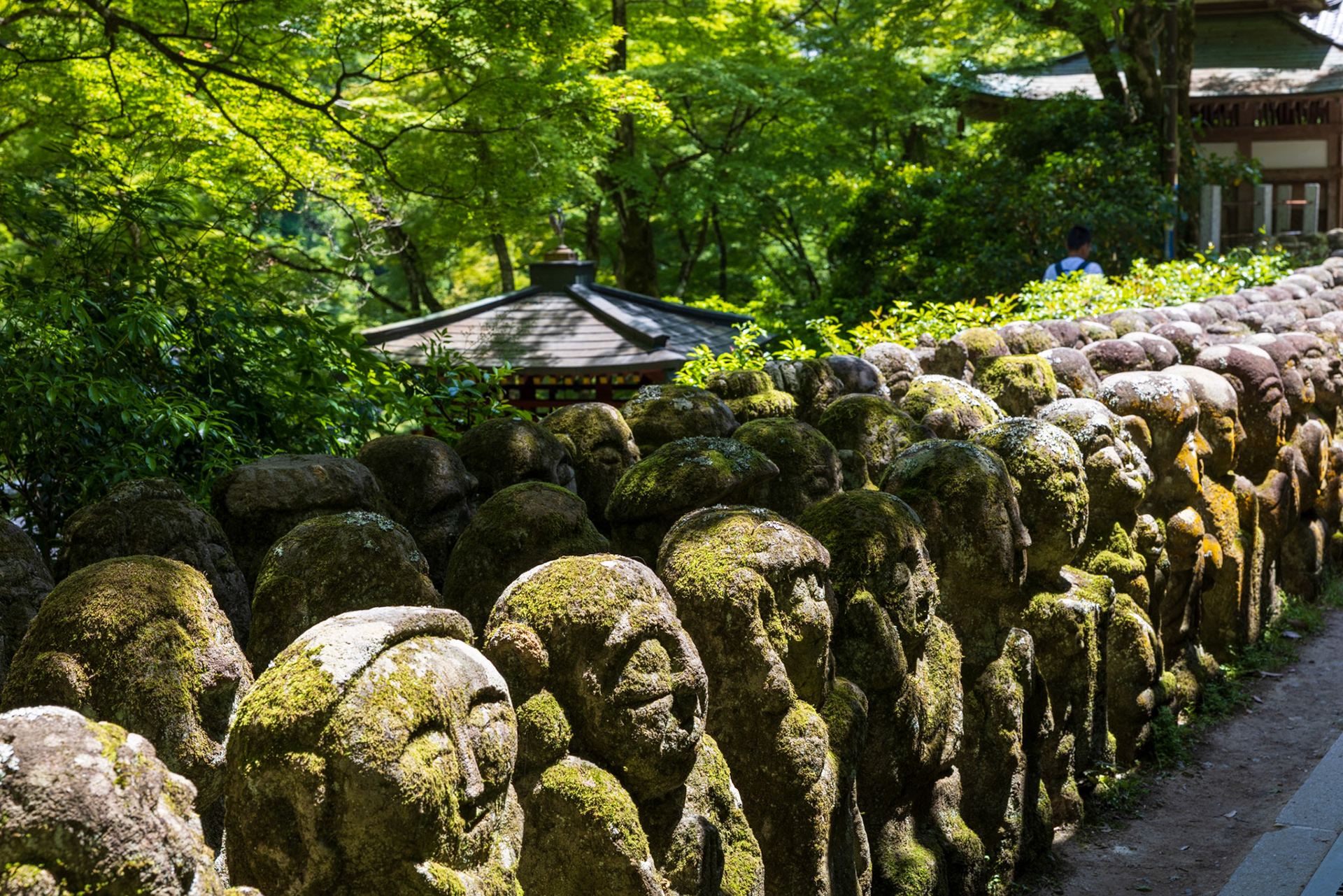
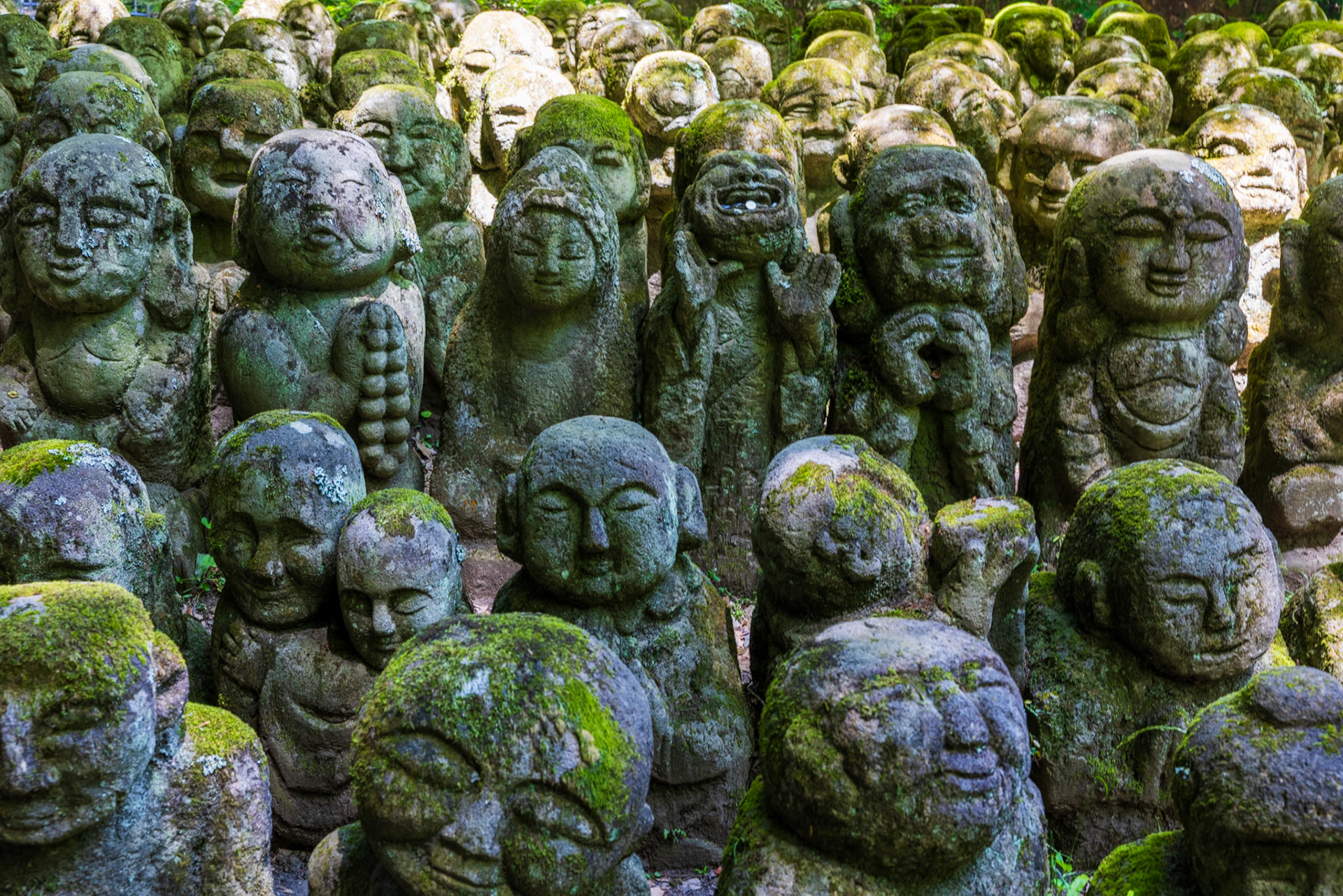
Otagi Nenbutsu-Ji Temple - The Temple was renowned for the 1,200 moss-covered rakan (disciples of Buddha) stone statues lining its slopes. Following a history of devastating natural disasters, the temple's revival began in the 1980s under head priest Kocho Nishimura—a master sculptor who invited ordinary citizens, pilgrims, and amateurs from all over Japan to carve their own statues under his guidance. Because each piece was crafted by a different person who was encouraged to bring out the unique figure hidden in the stone, every single statue has a completely distinct personality, ranging from serene faces in prayer to quirky figures laughing over sake, holding tennis rackets, or listening to portable cassette players.



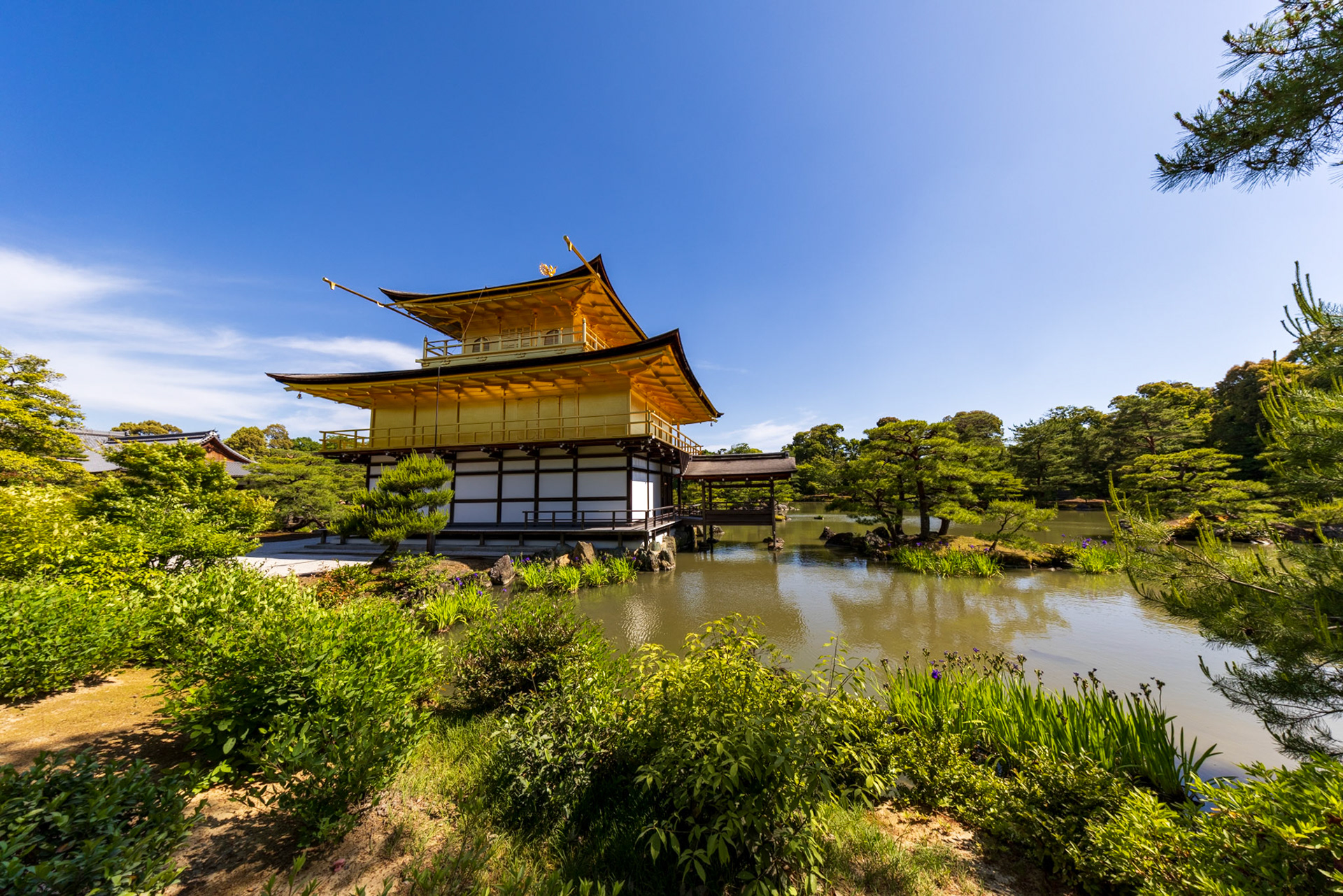
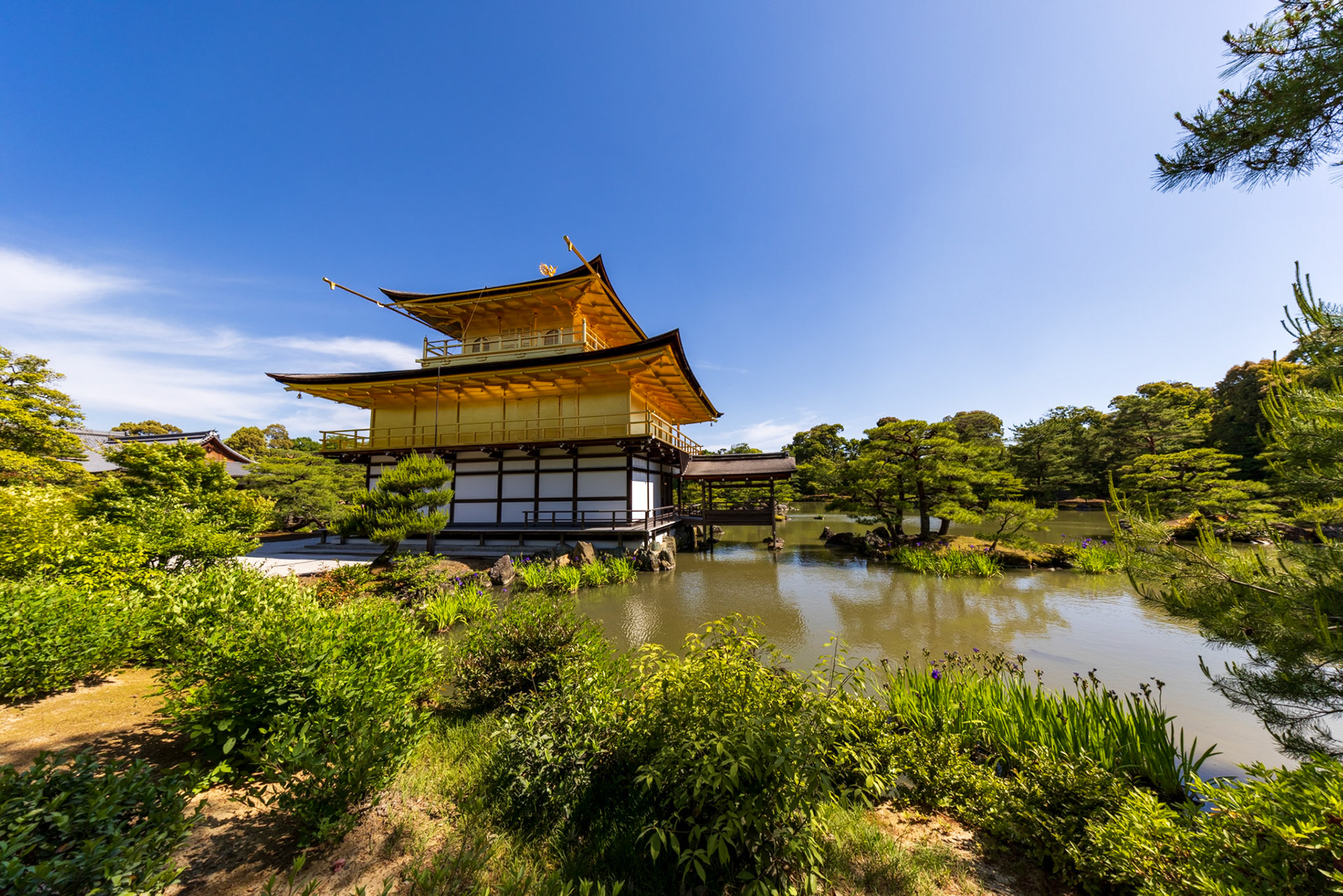
Rokuon-ji Temple - A Zen Buddhist temple in northern Kyoto famed for its stunning Golden Pavilion, whose top two floors are completely covered in brilliant gold leaf. Overlooking a serene mirror pond, the temple beautifully showcases Muromachi-period design and is designated as a UNESCO World Heritage Site.

Each of the three floors represents a distinct style of architecture: Shinden (palace style), Bukke (samurai style), and Zen.
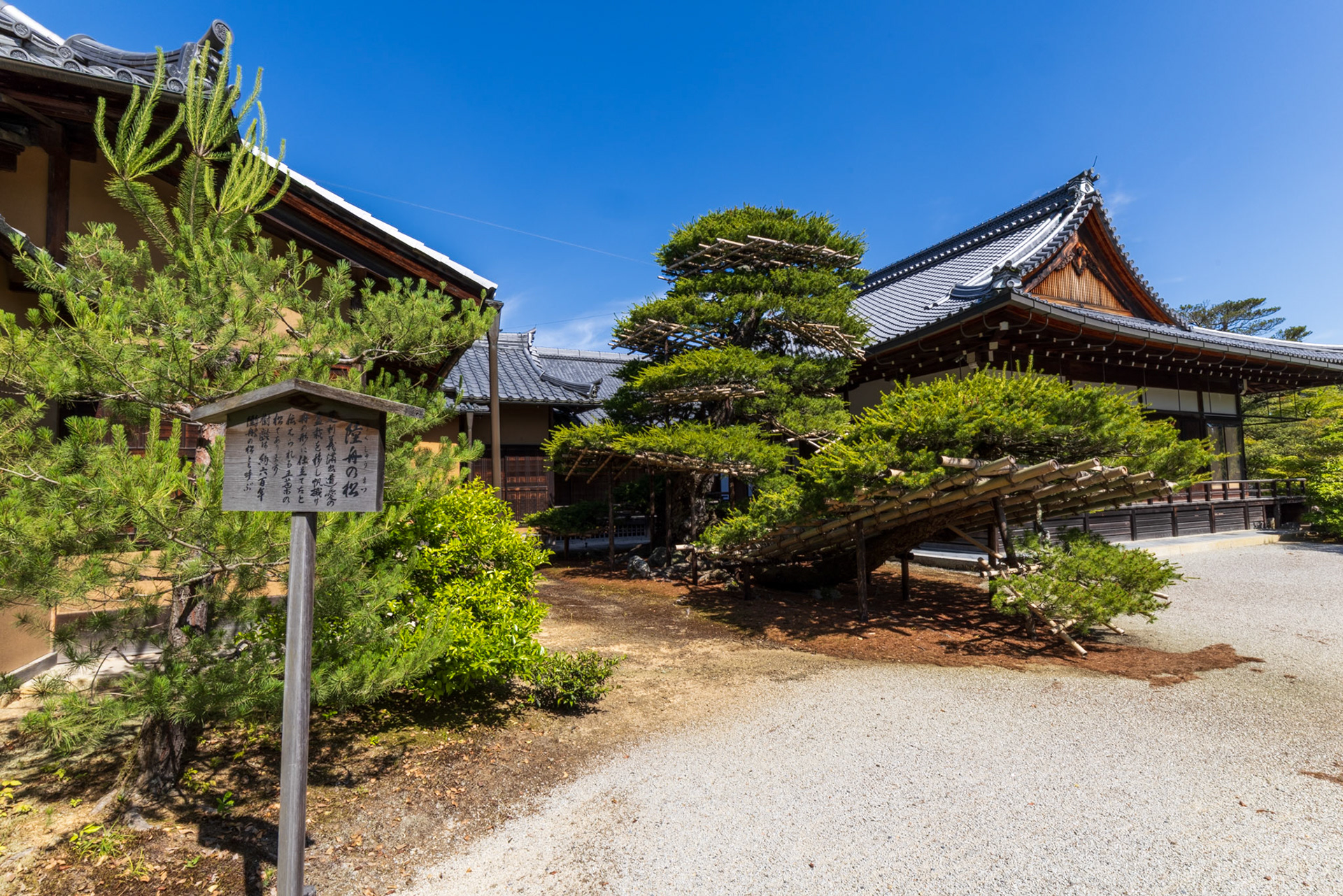
Easily one of the most impressive things at Rokuon-ji. This 600-year-old pine has been carefully shaped for over six centuries to look like a boat.


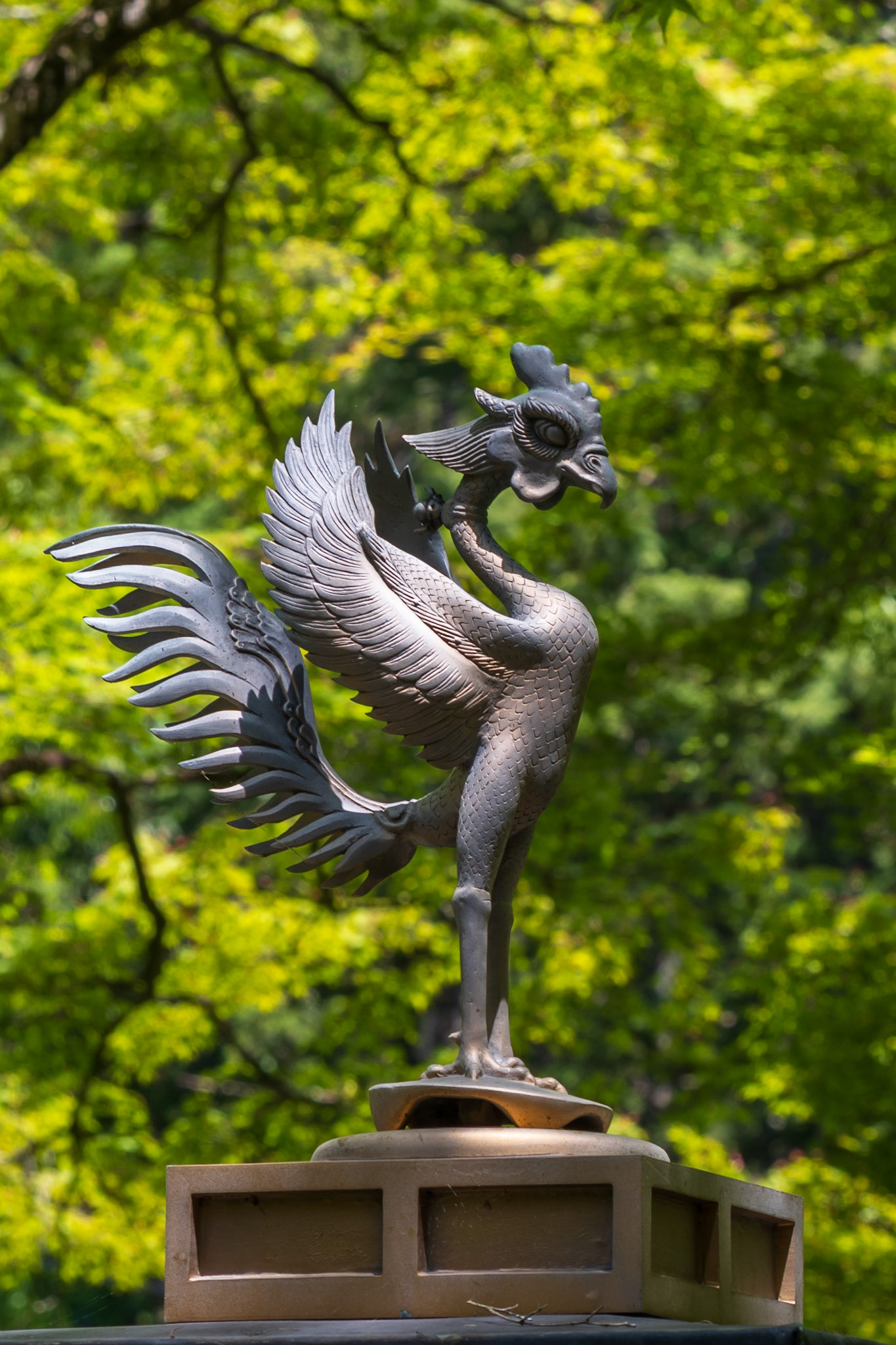
A magnificent bronze phoenix cast in gold perches atop the roof, symbolizing rebirth and longevity.

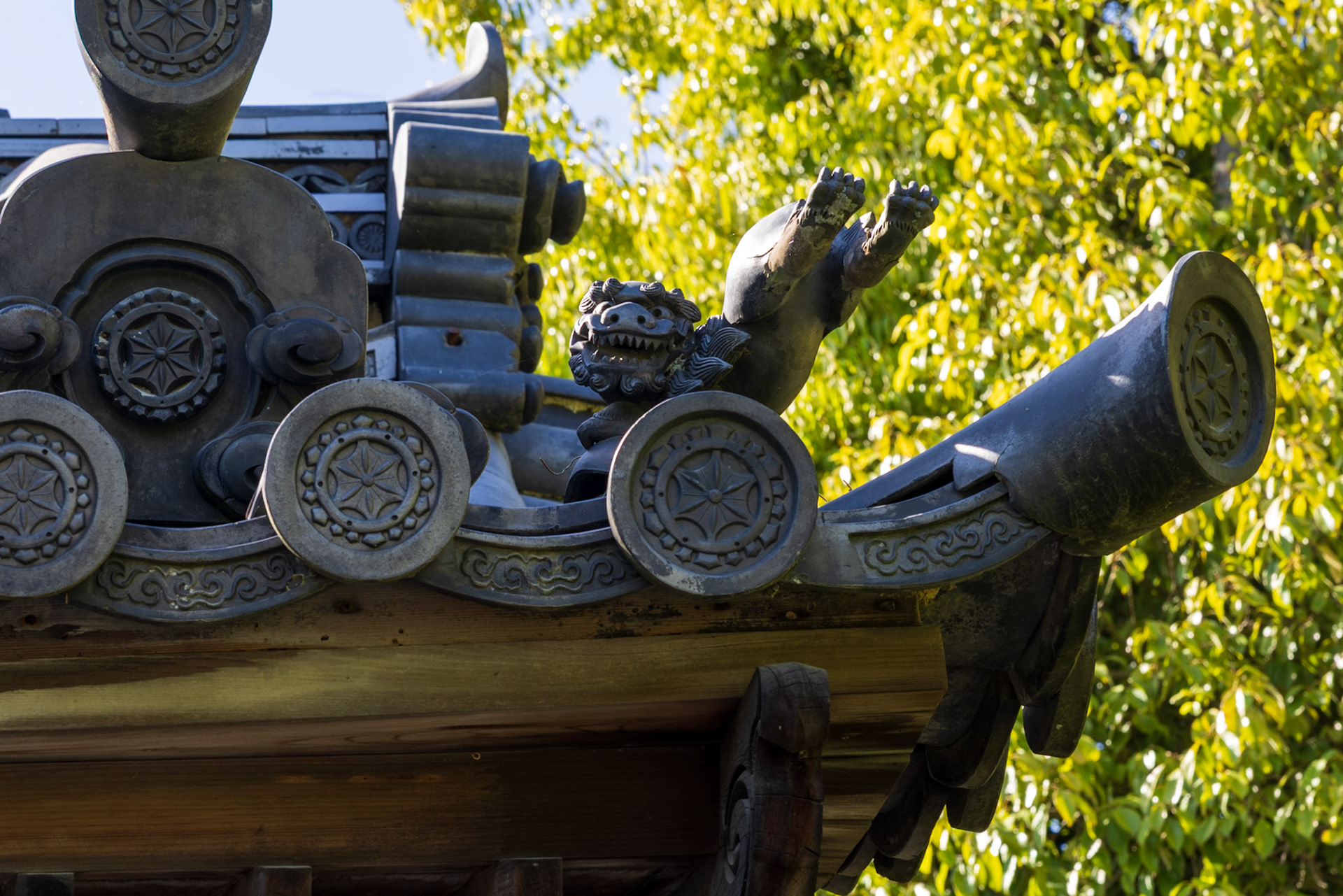
NARA
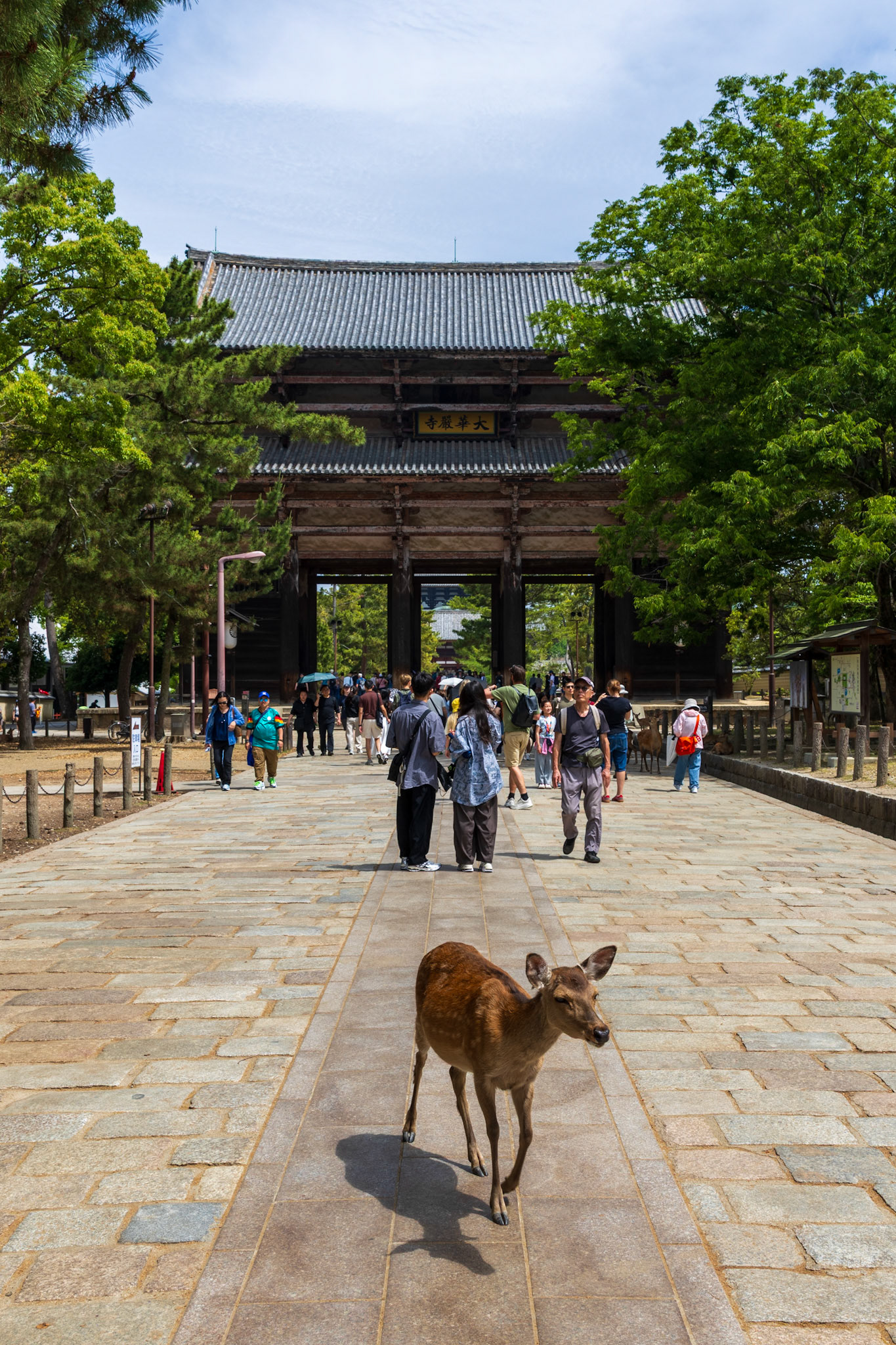
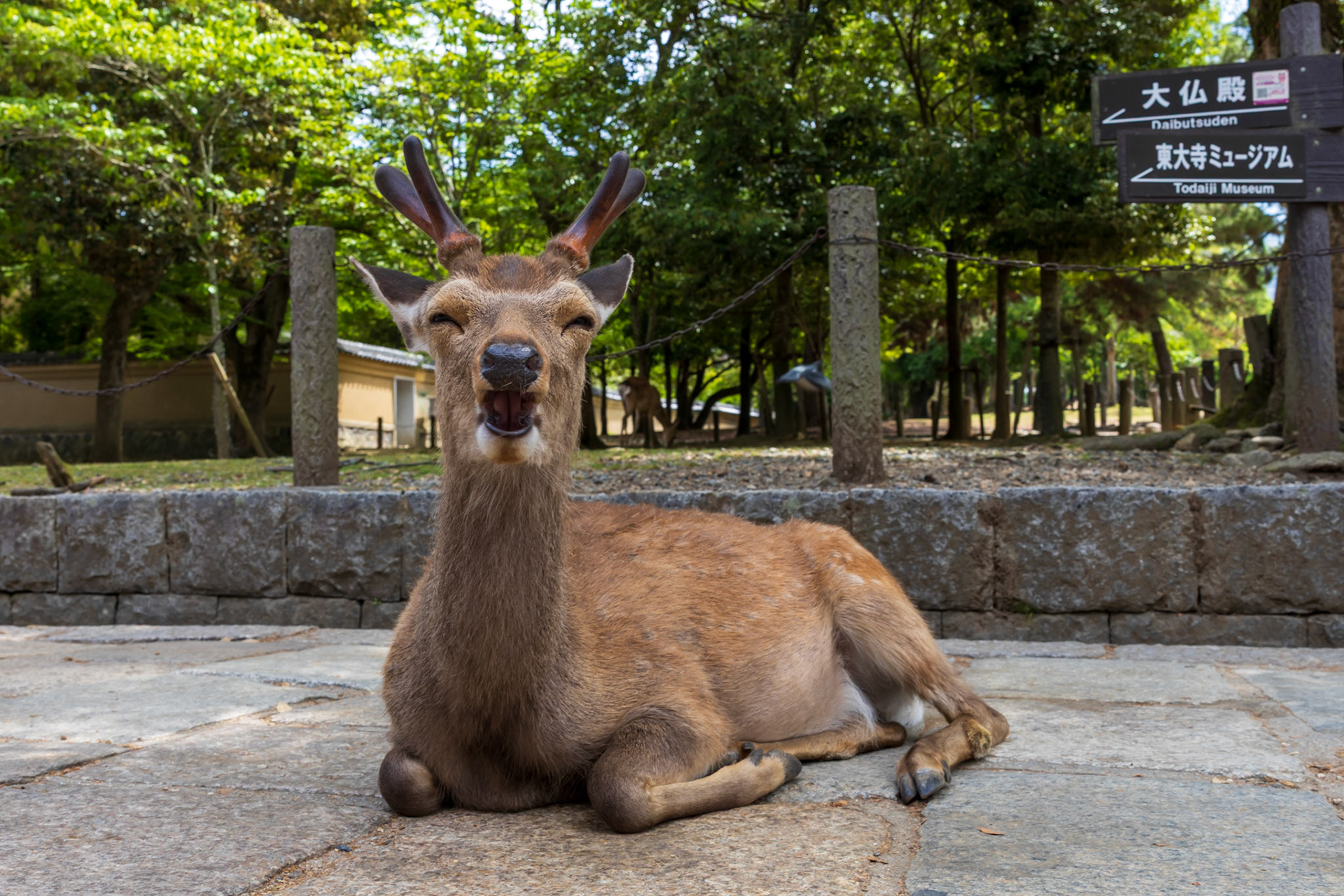
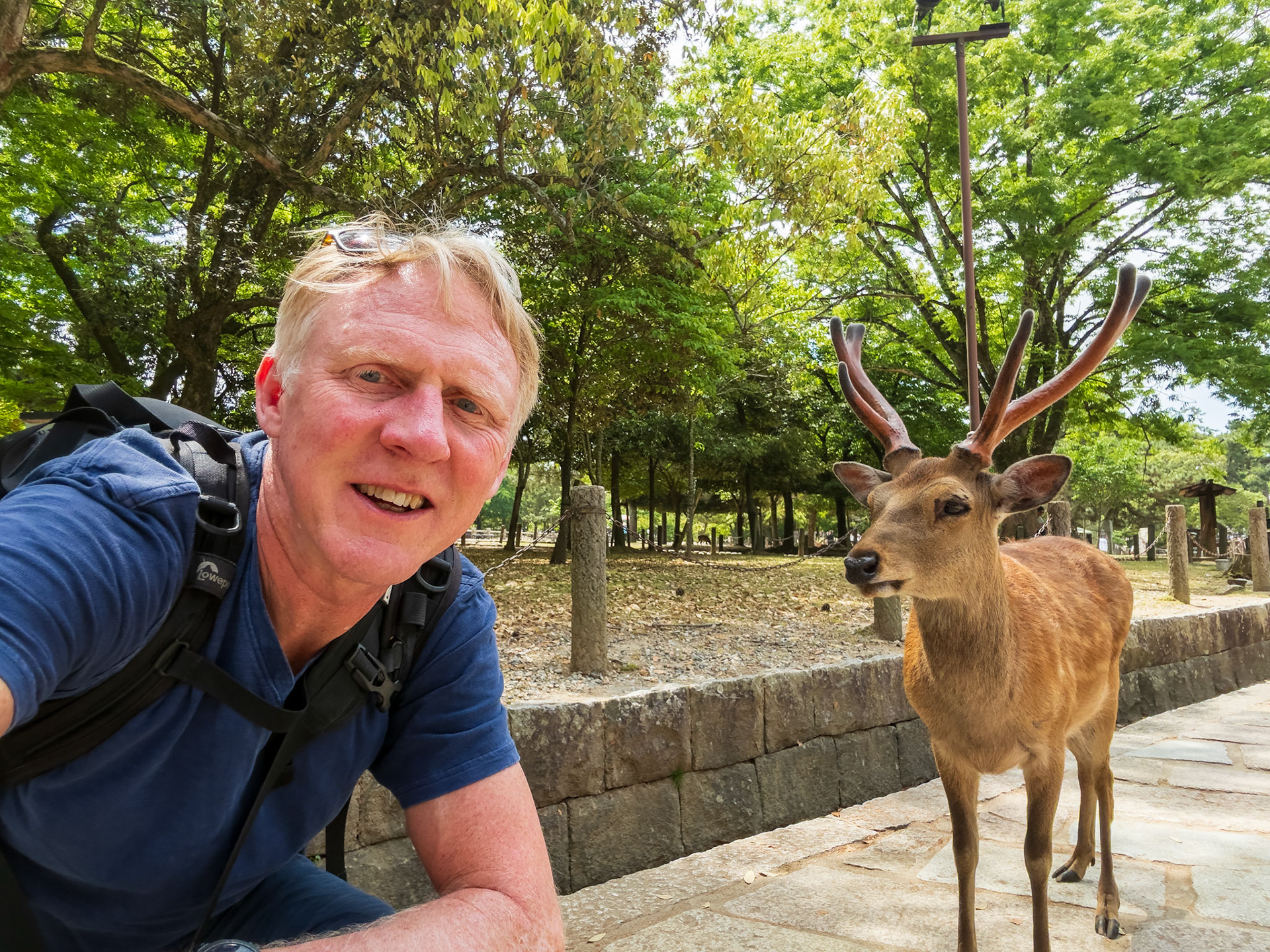
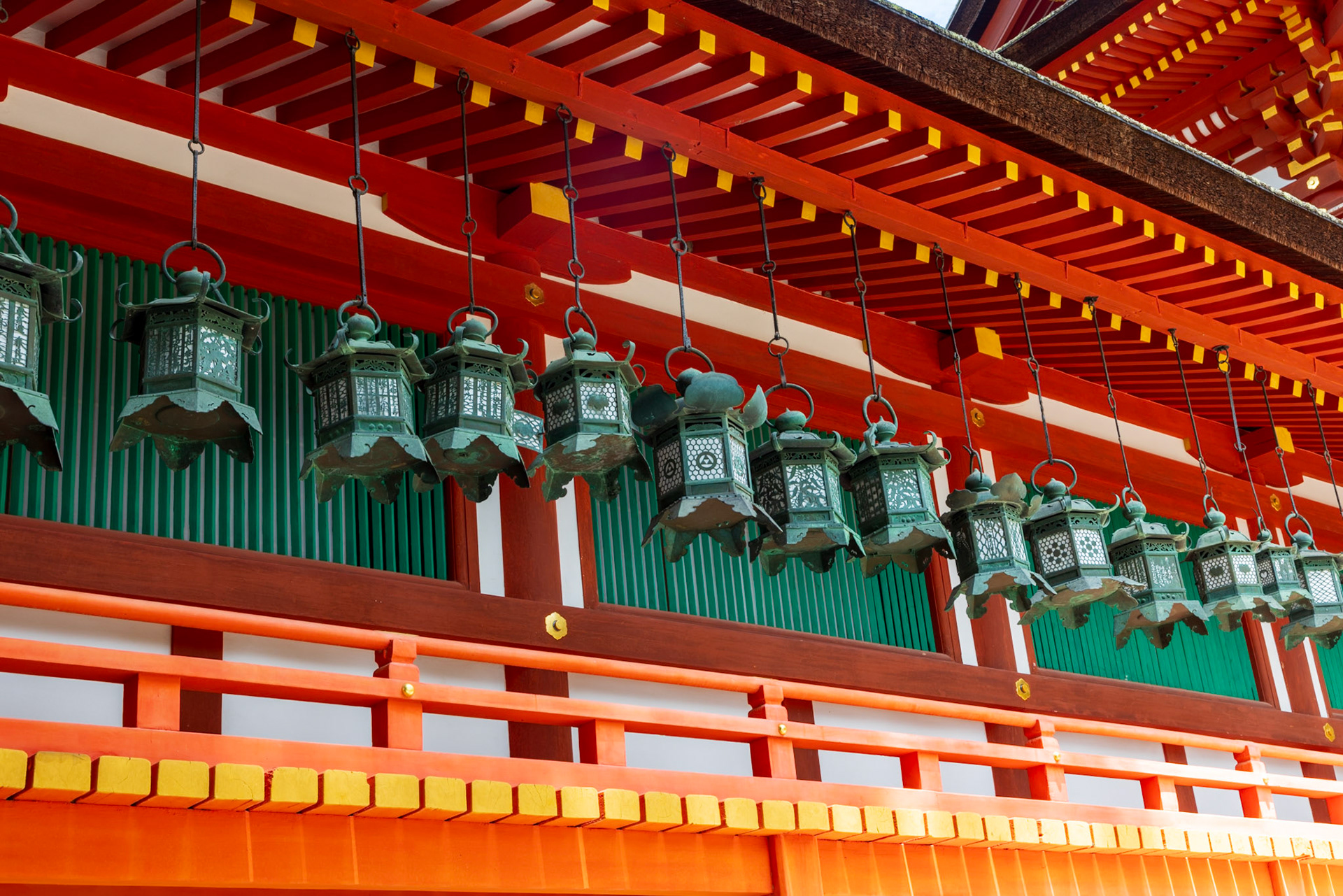
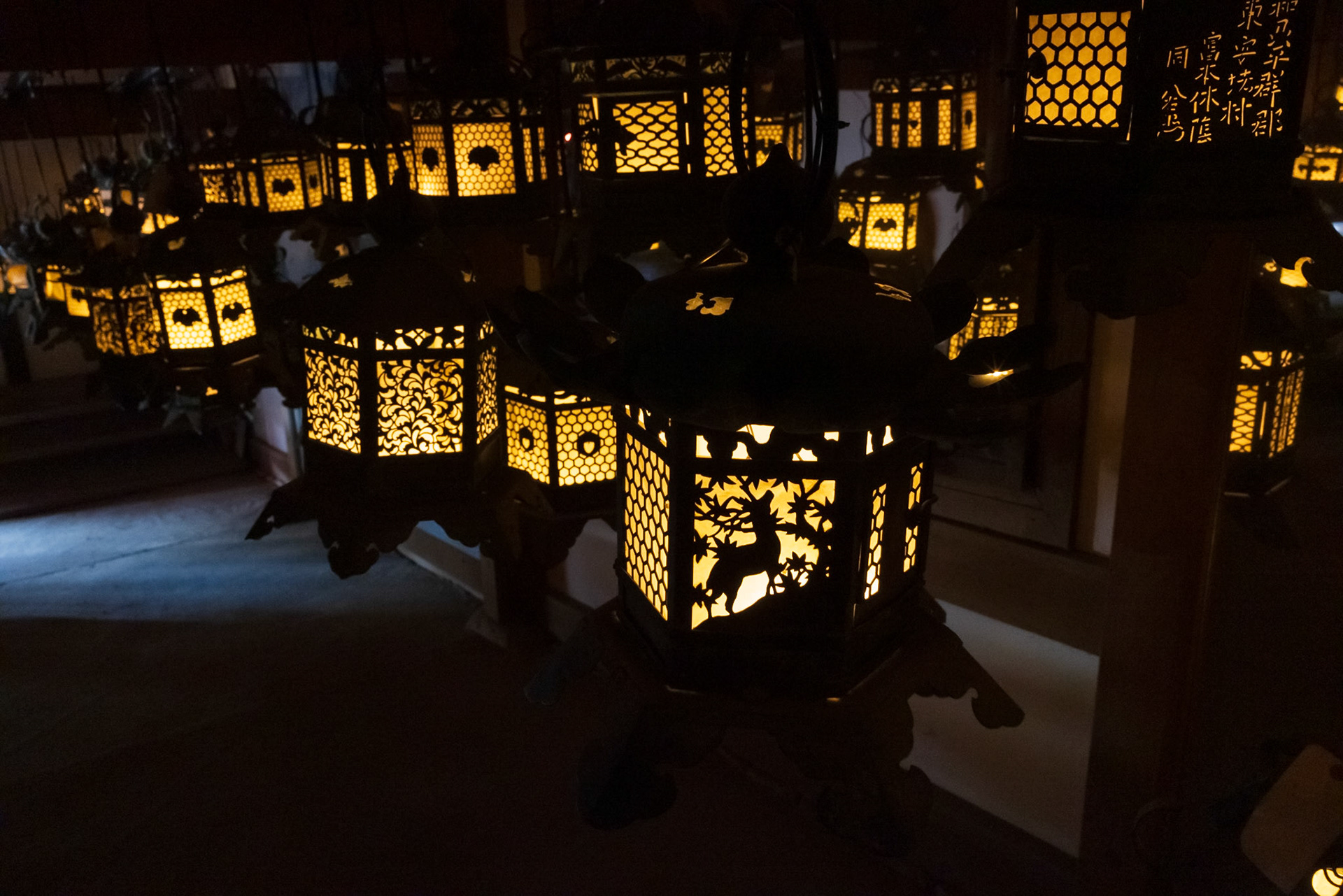
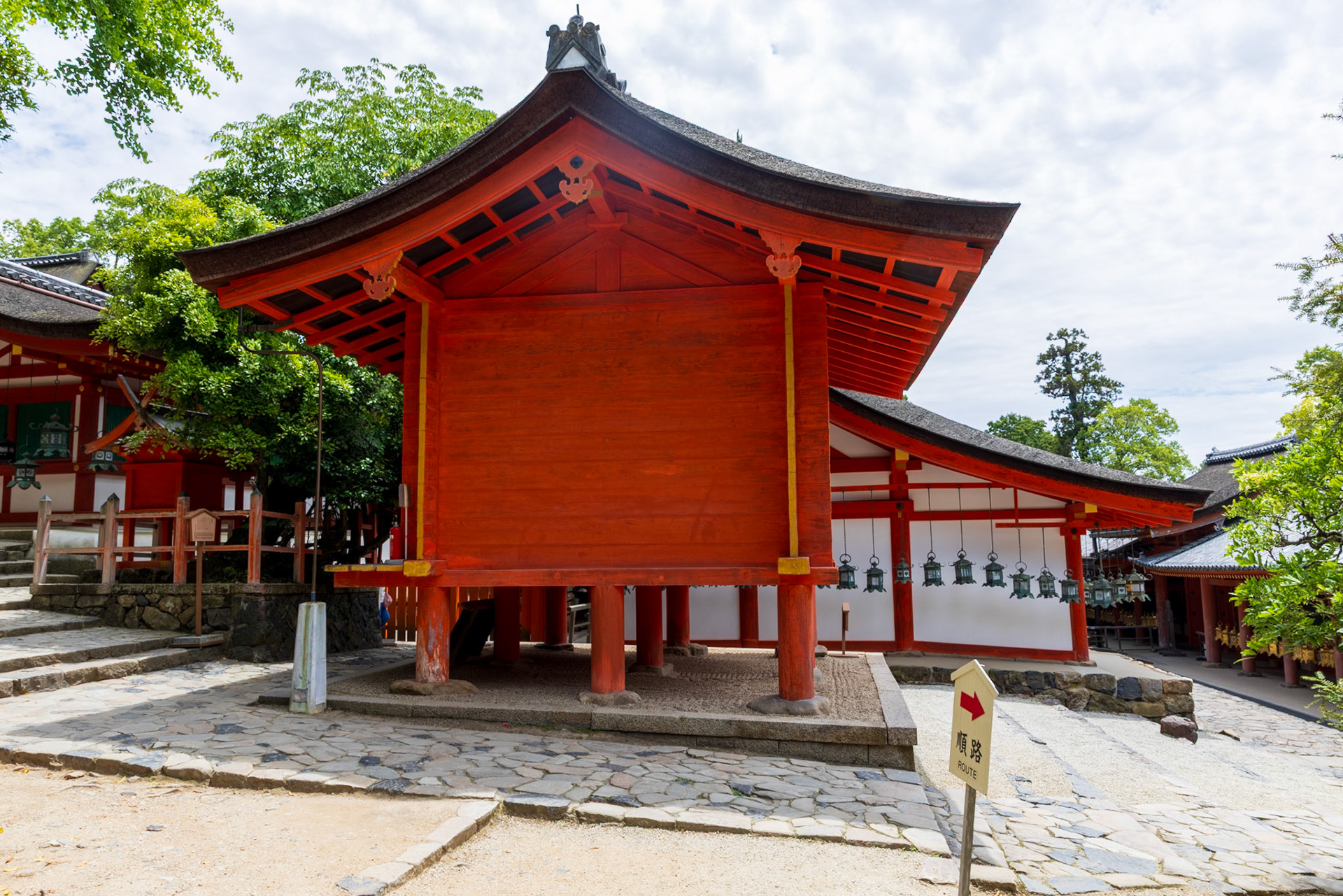
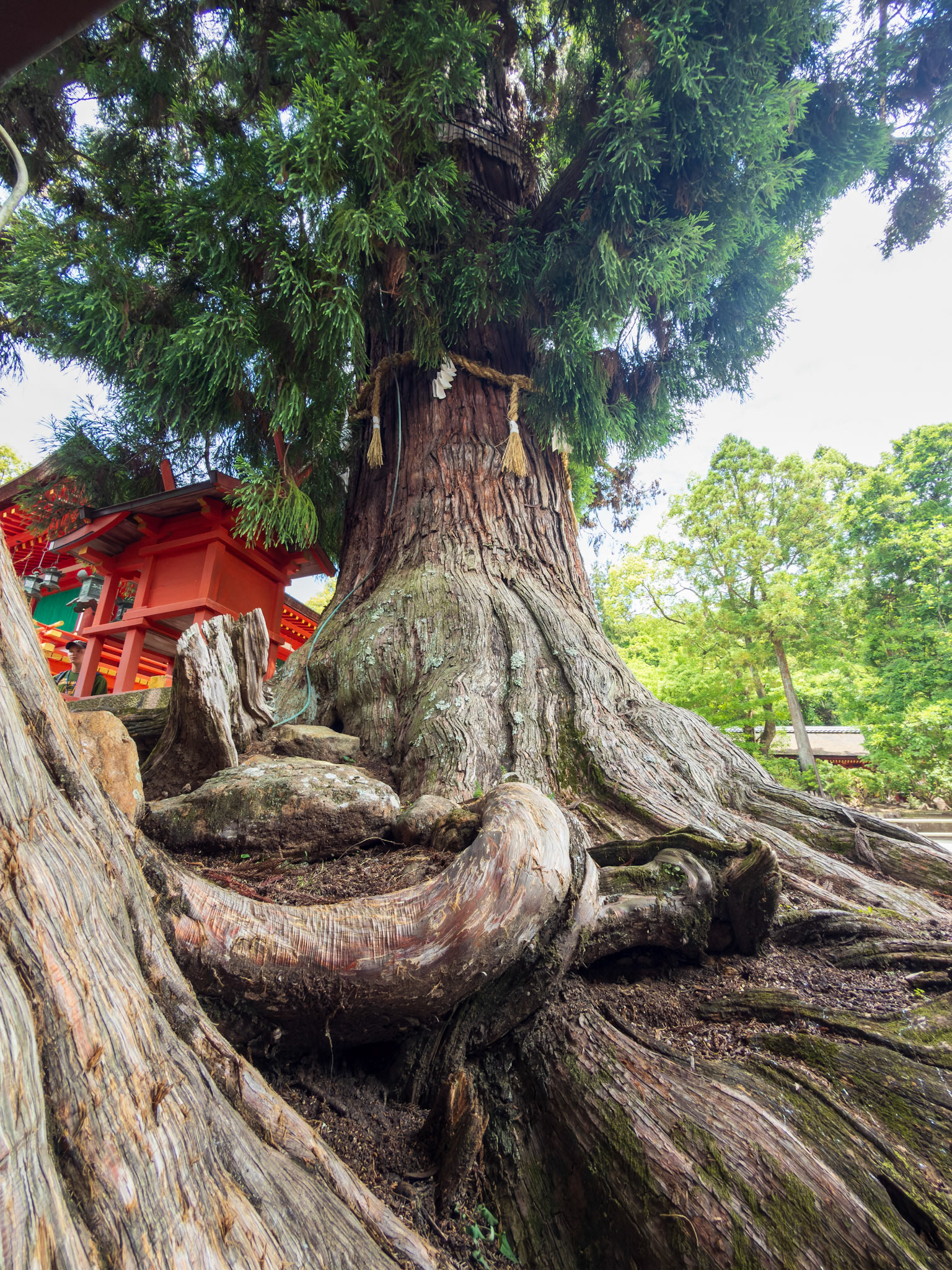
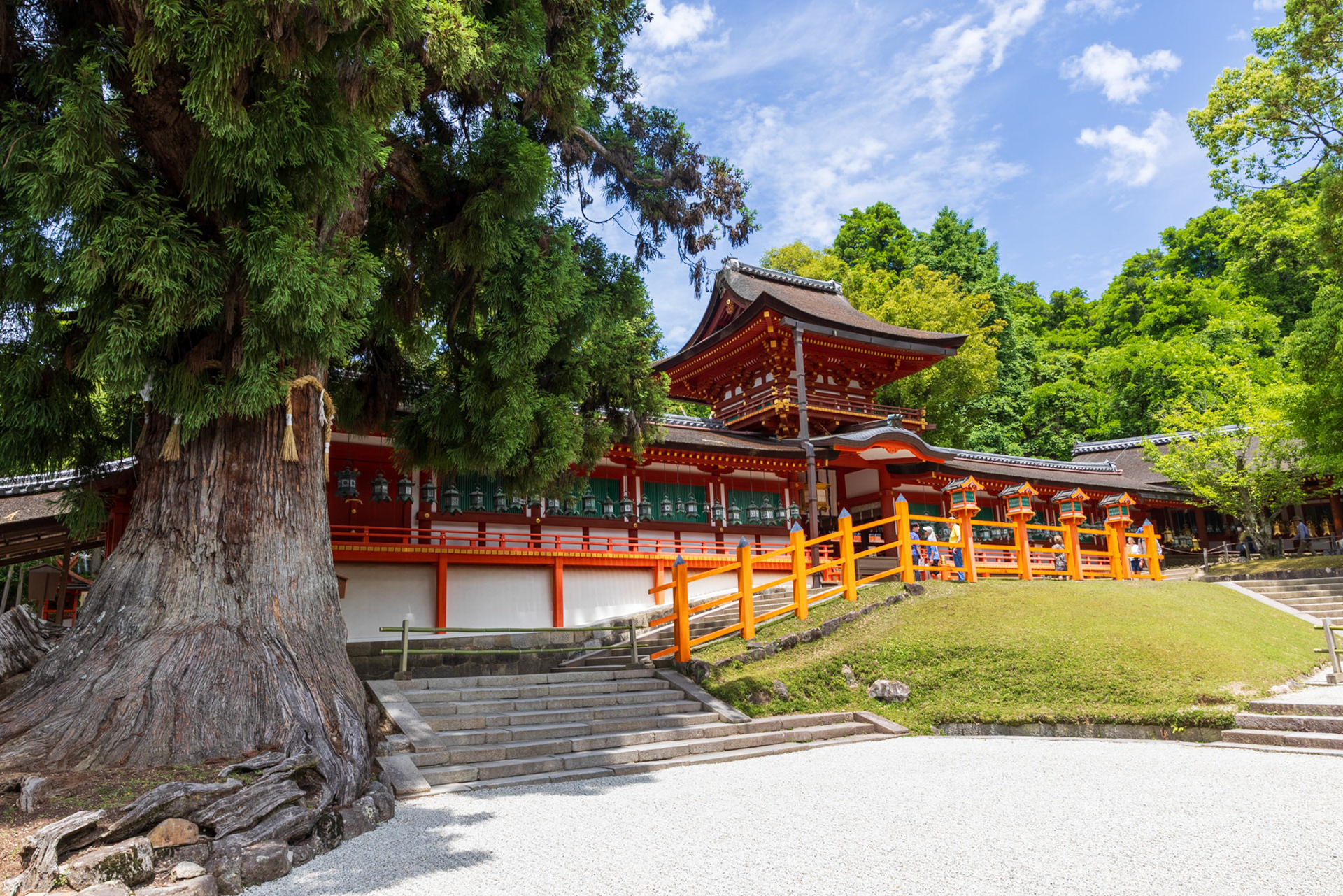
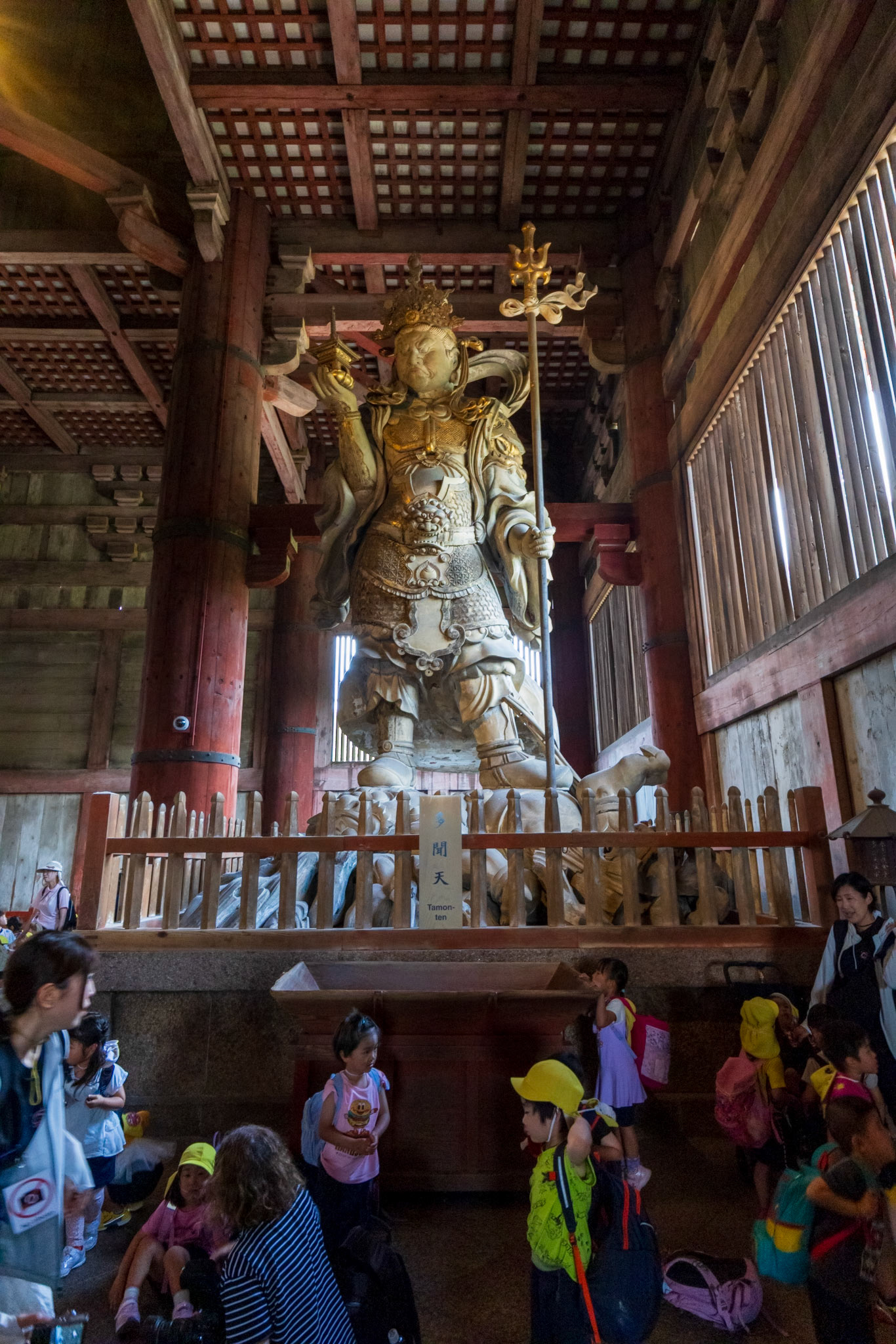
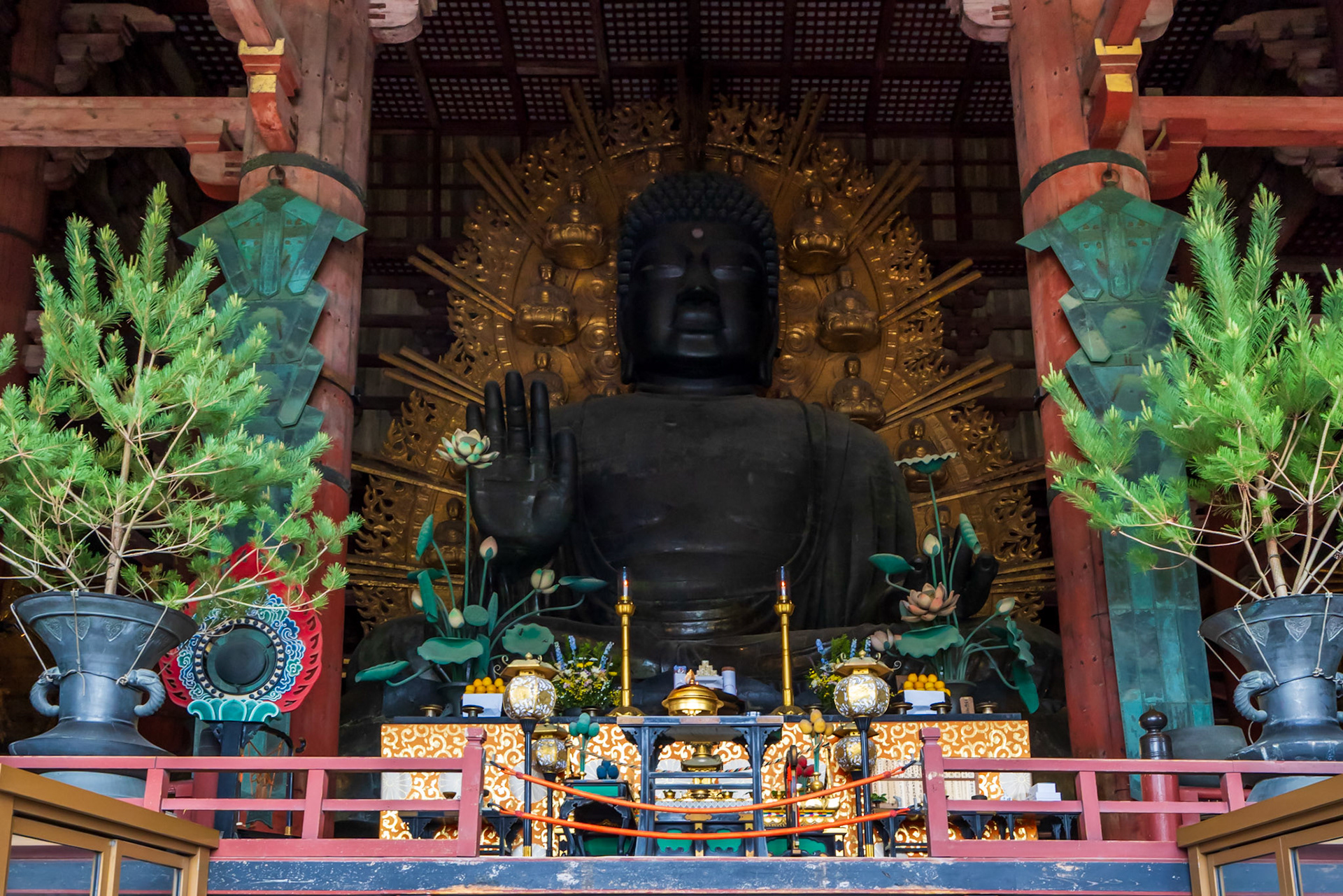
On our way to Osaka, we stopped to spend the day in Nara, where we visited two more UNESCO World Heritage sites: the Kasuga-taisha Shrine and the magnificent Todai-ji Temple. Beyond the stunning architecture, we loved seeing the wild deer roaming freely all over the city and especially their curious habit of bowing to beg for food.
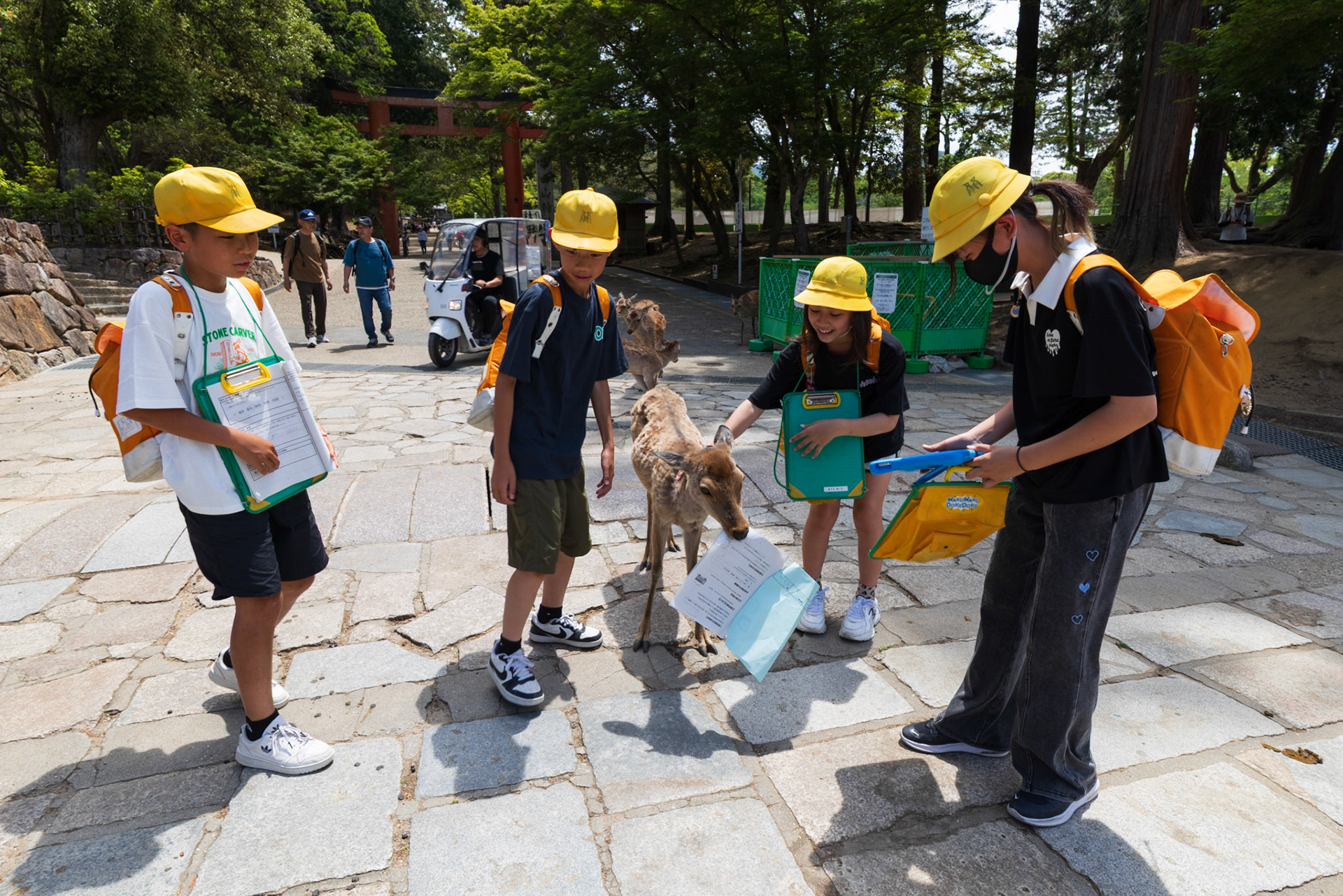
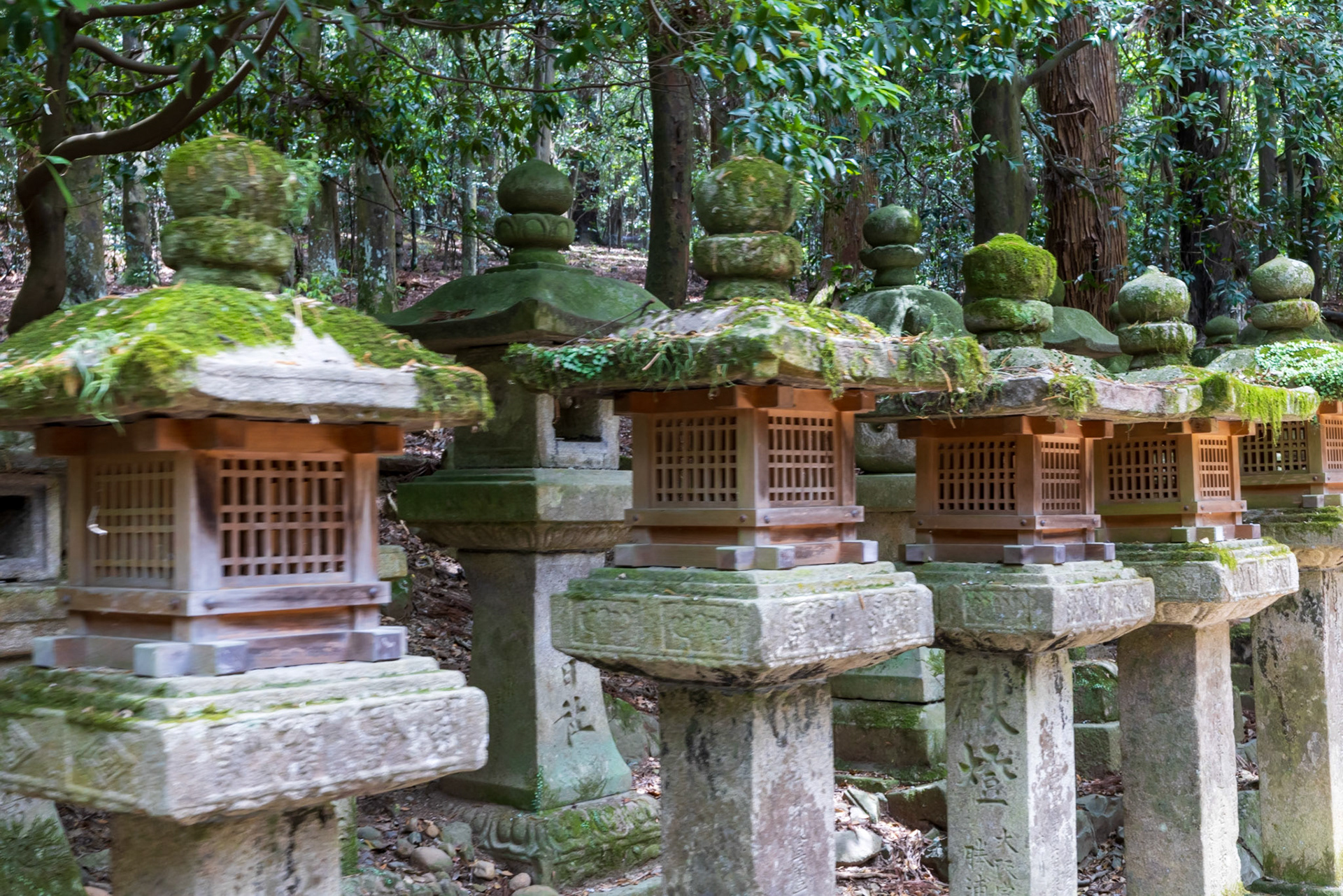

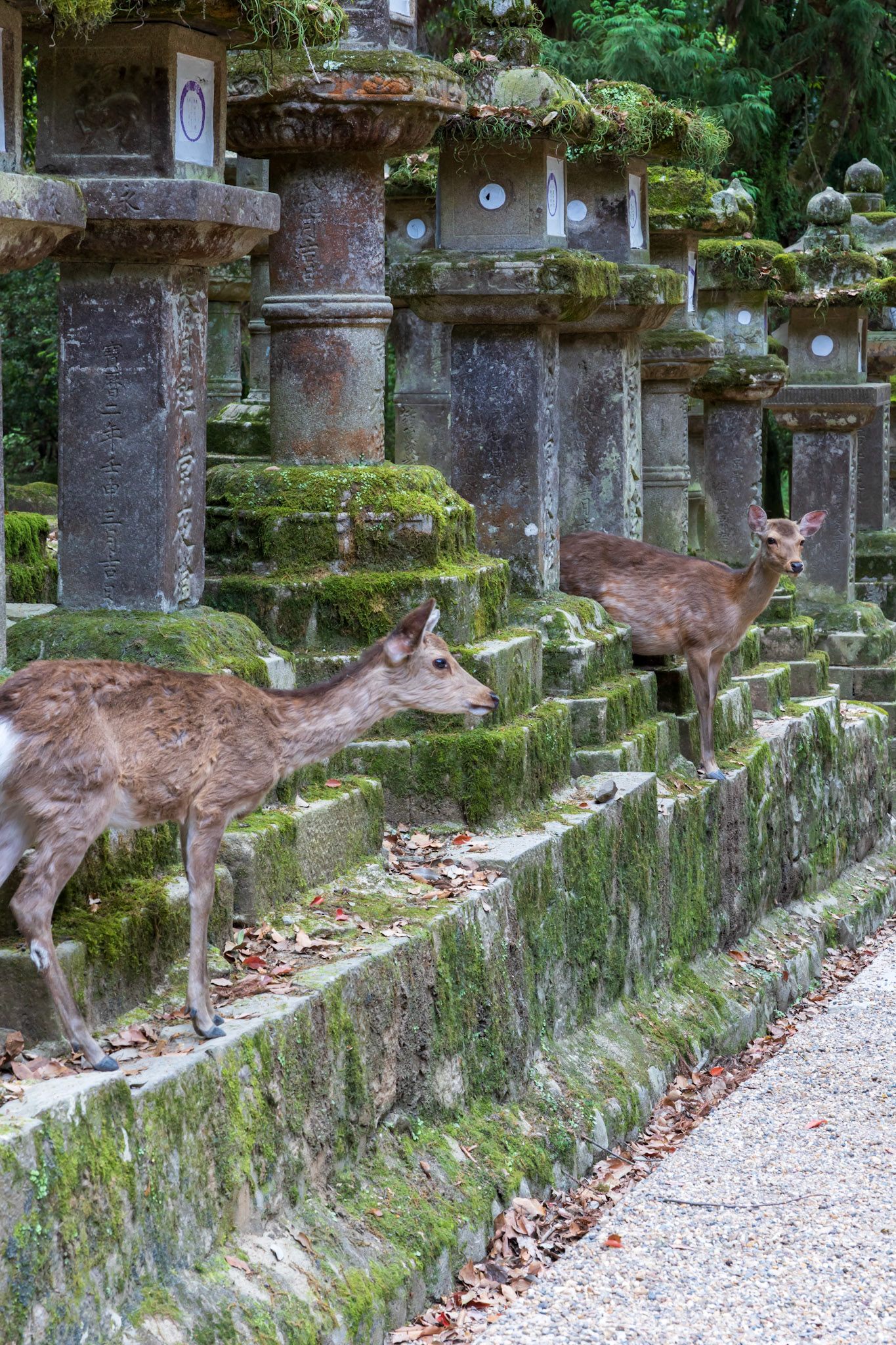

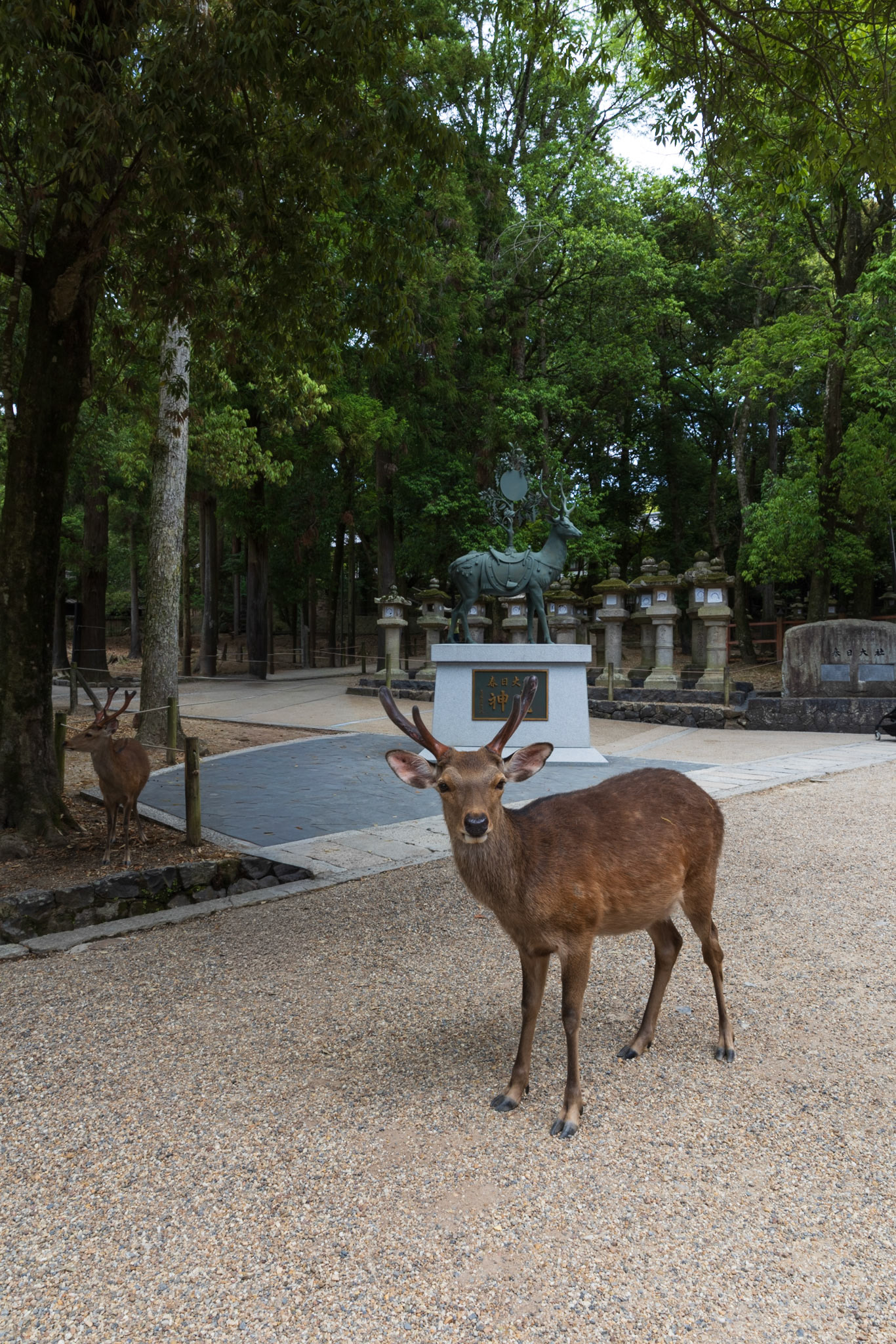
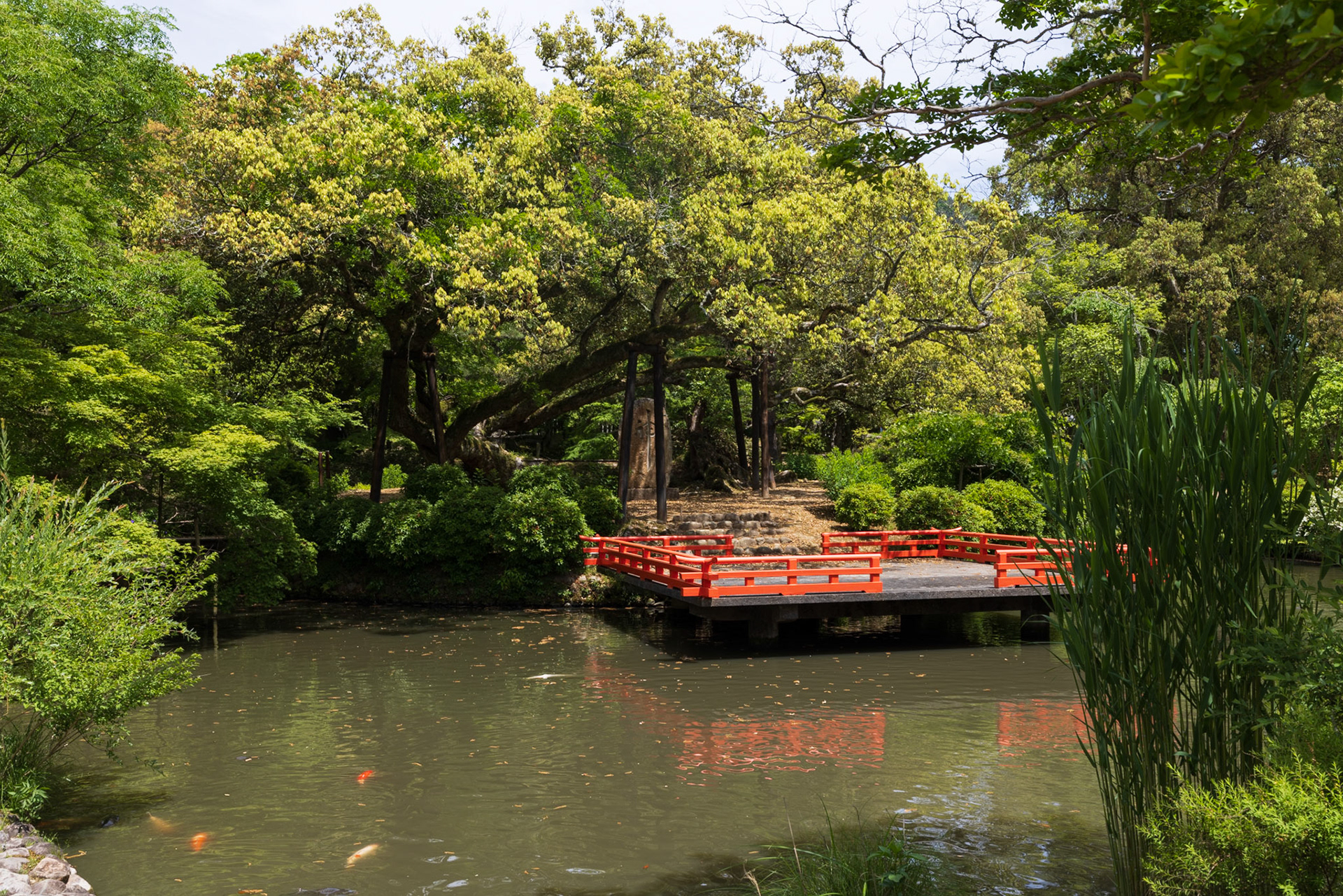

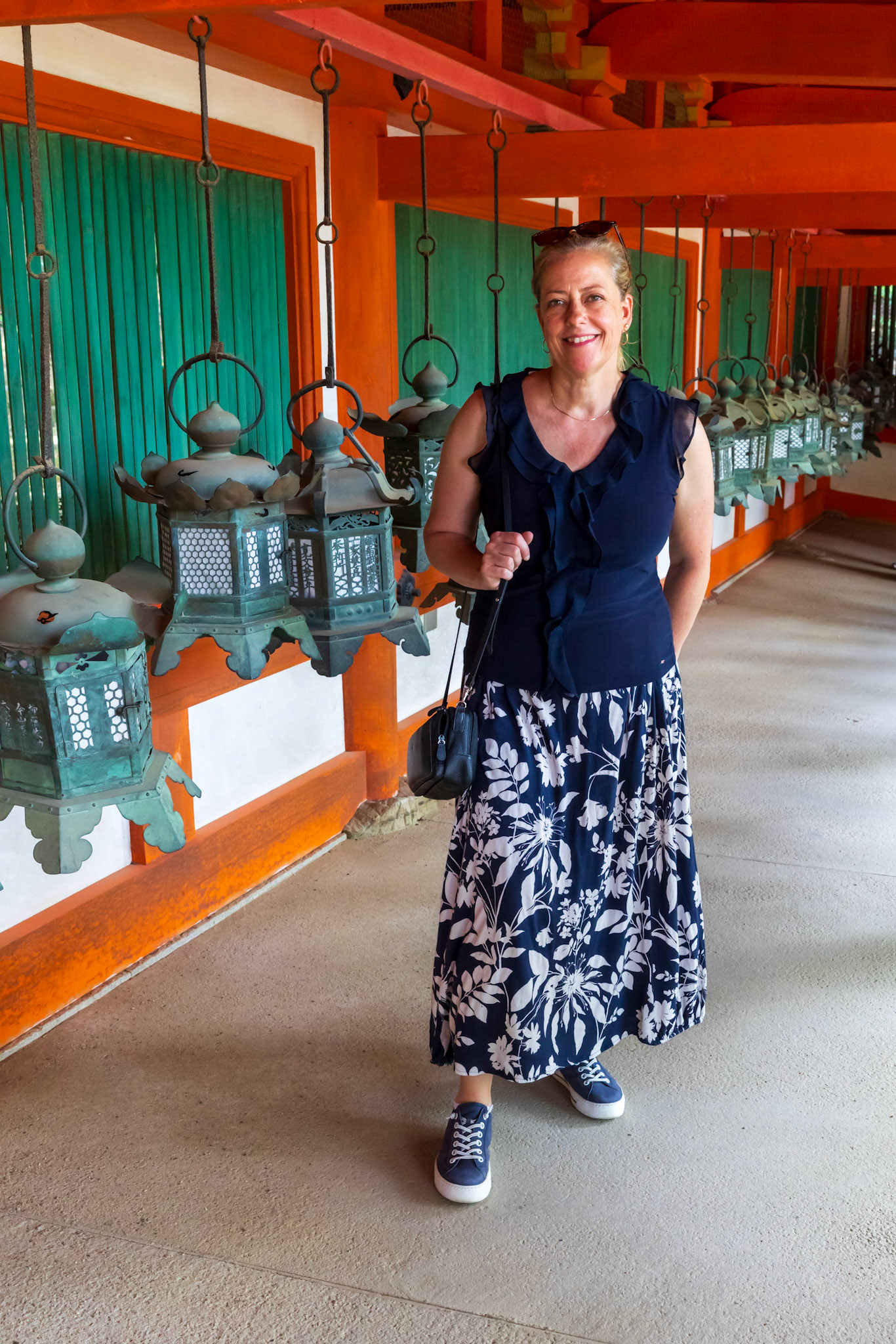
Kasugataisha Shrine


Todai-ji Temple


Osaka - 2 days
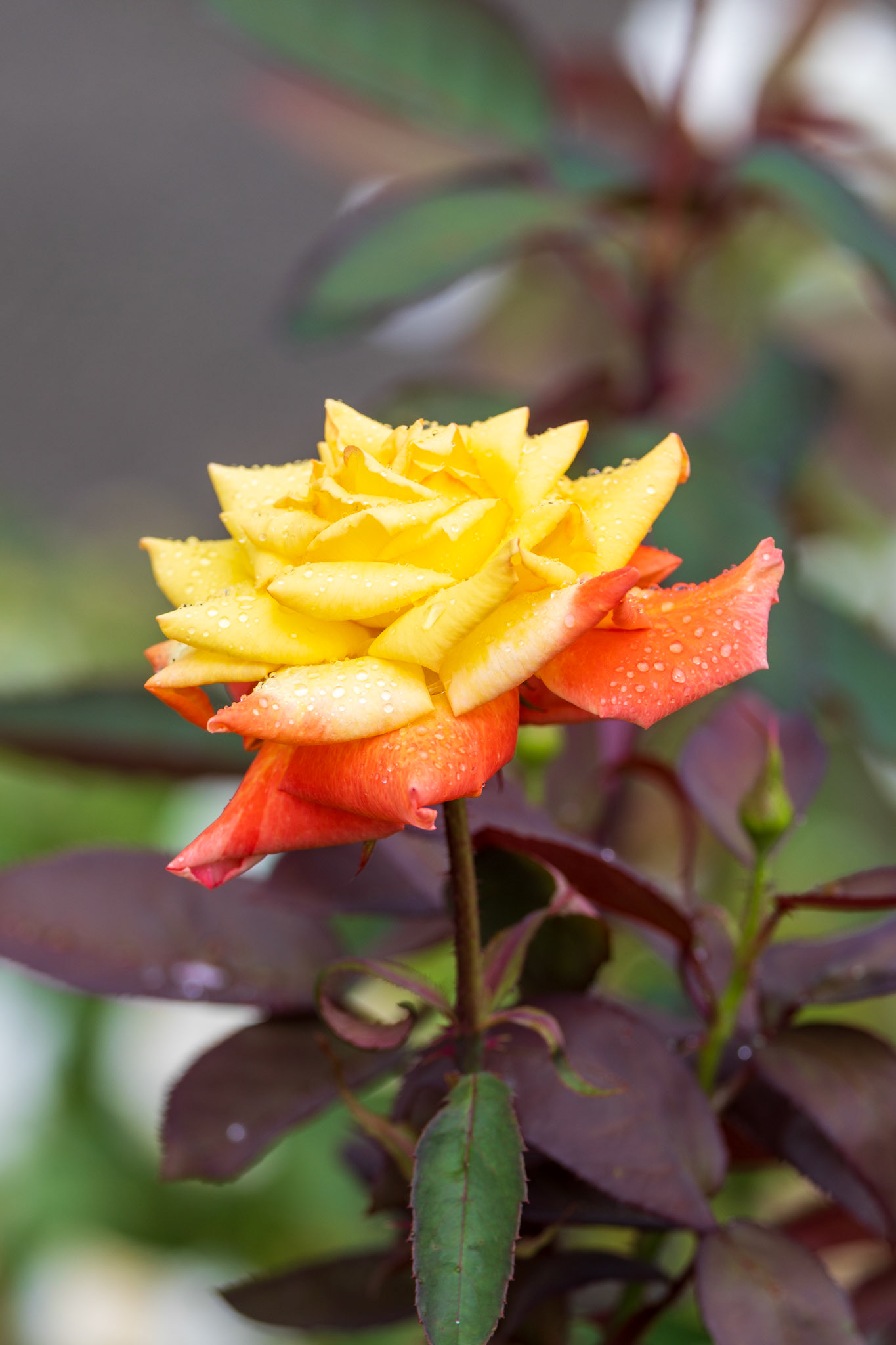
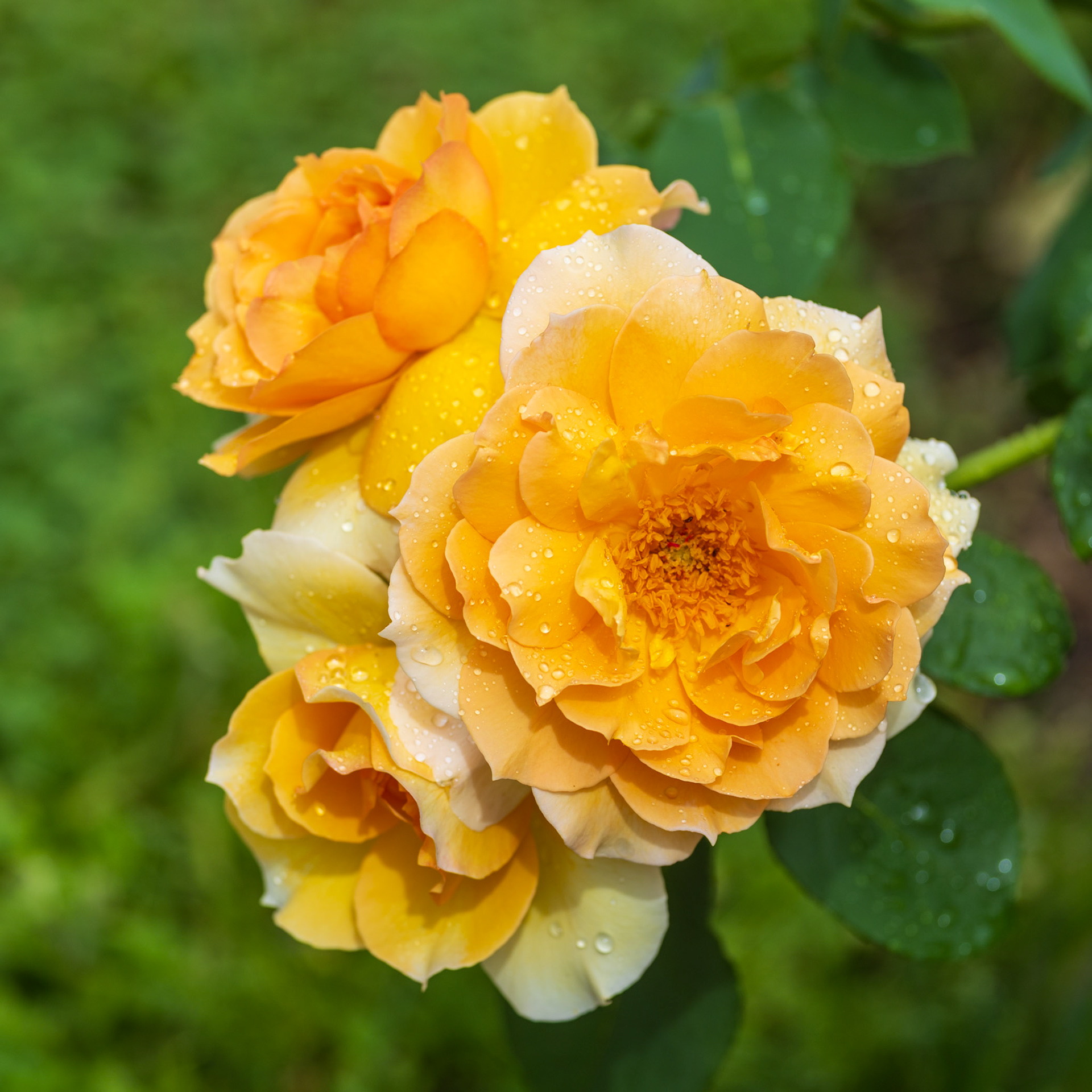
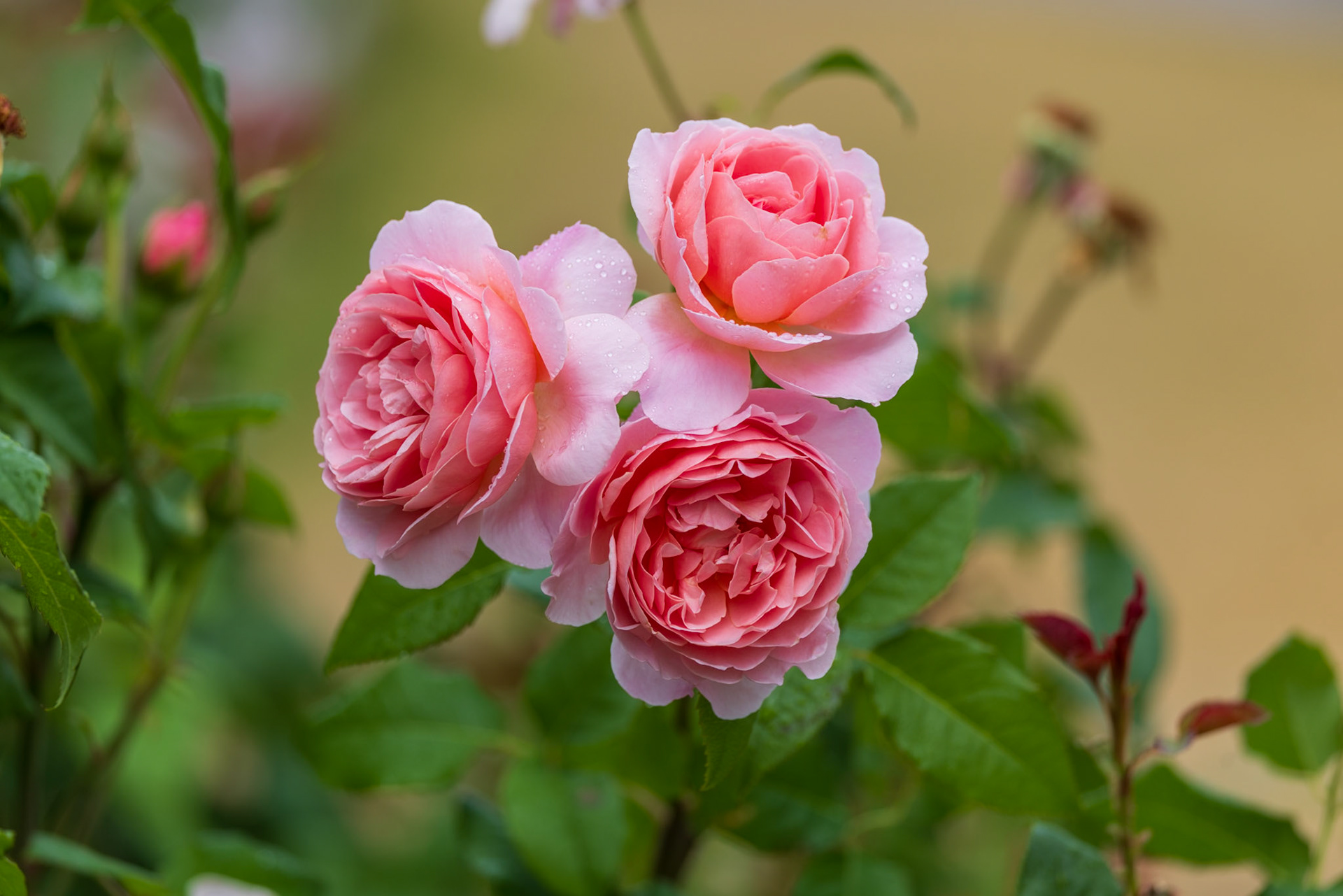
Nakanoshima Rose Garden
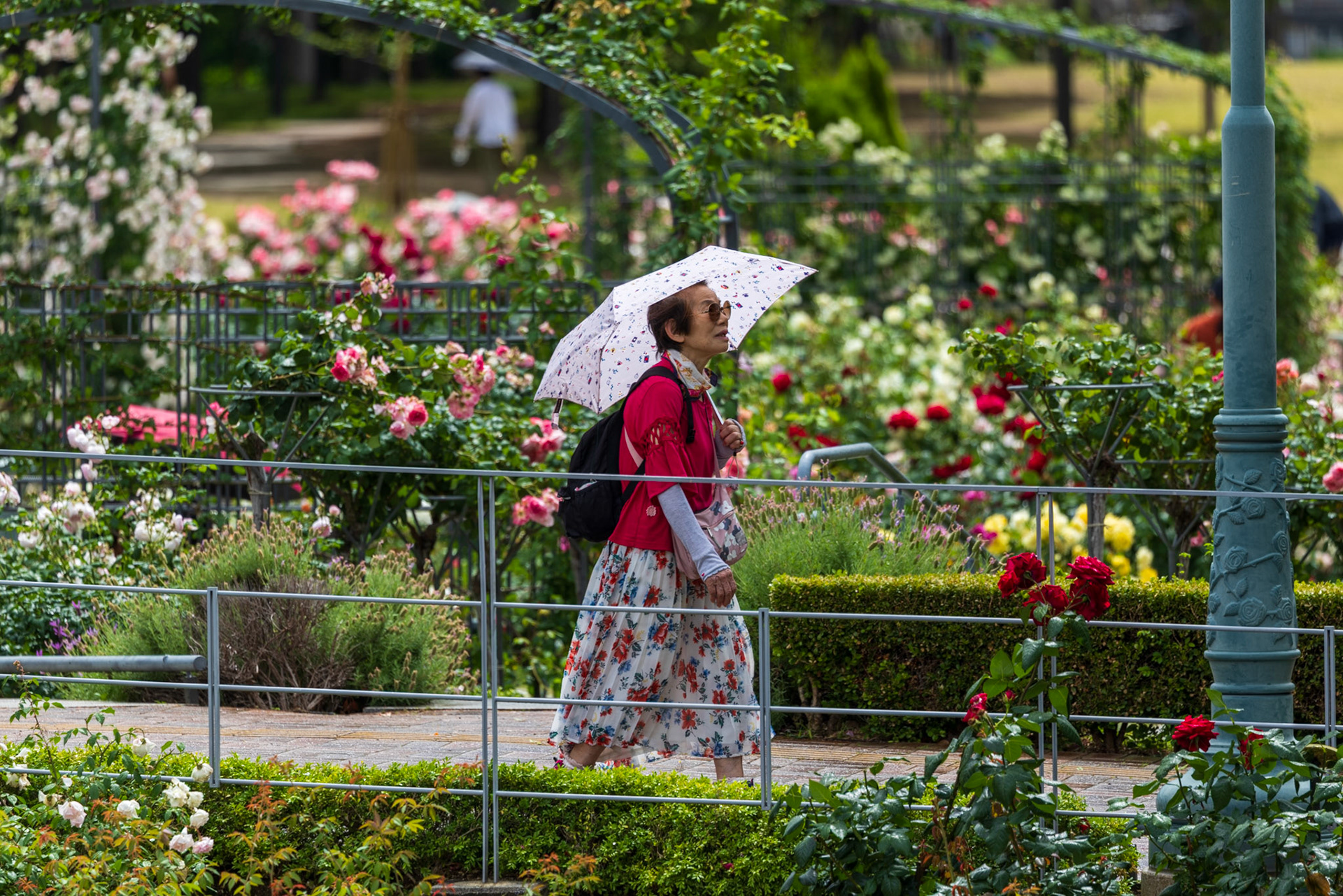

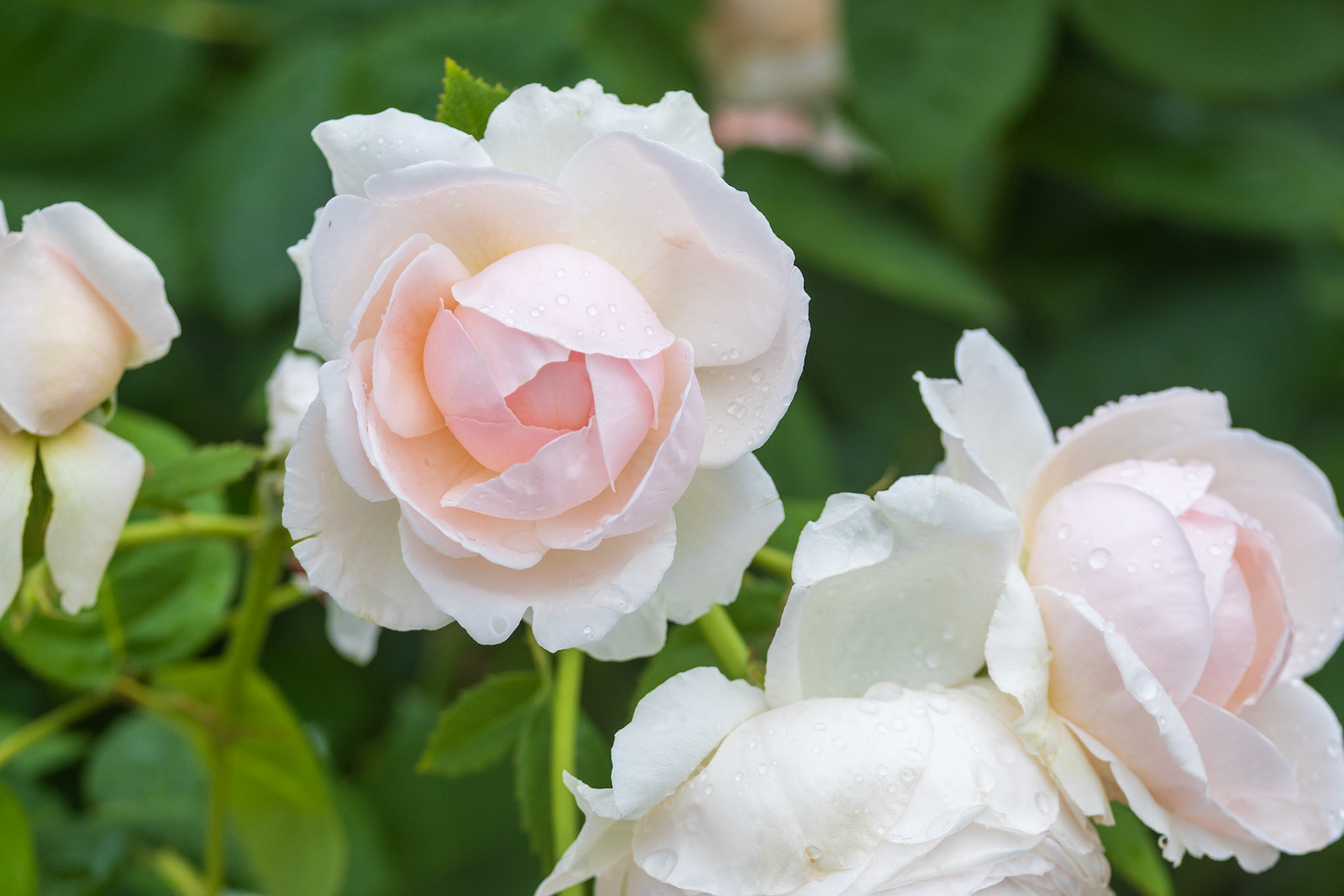
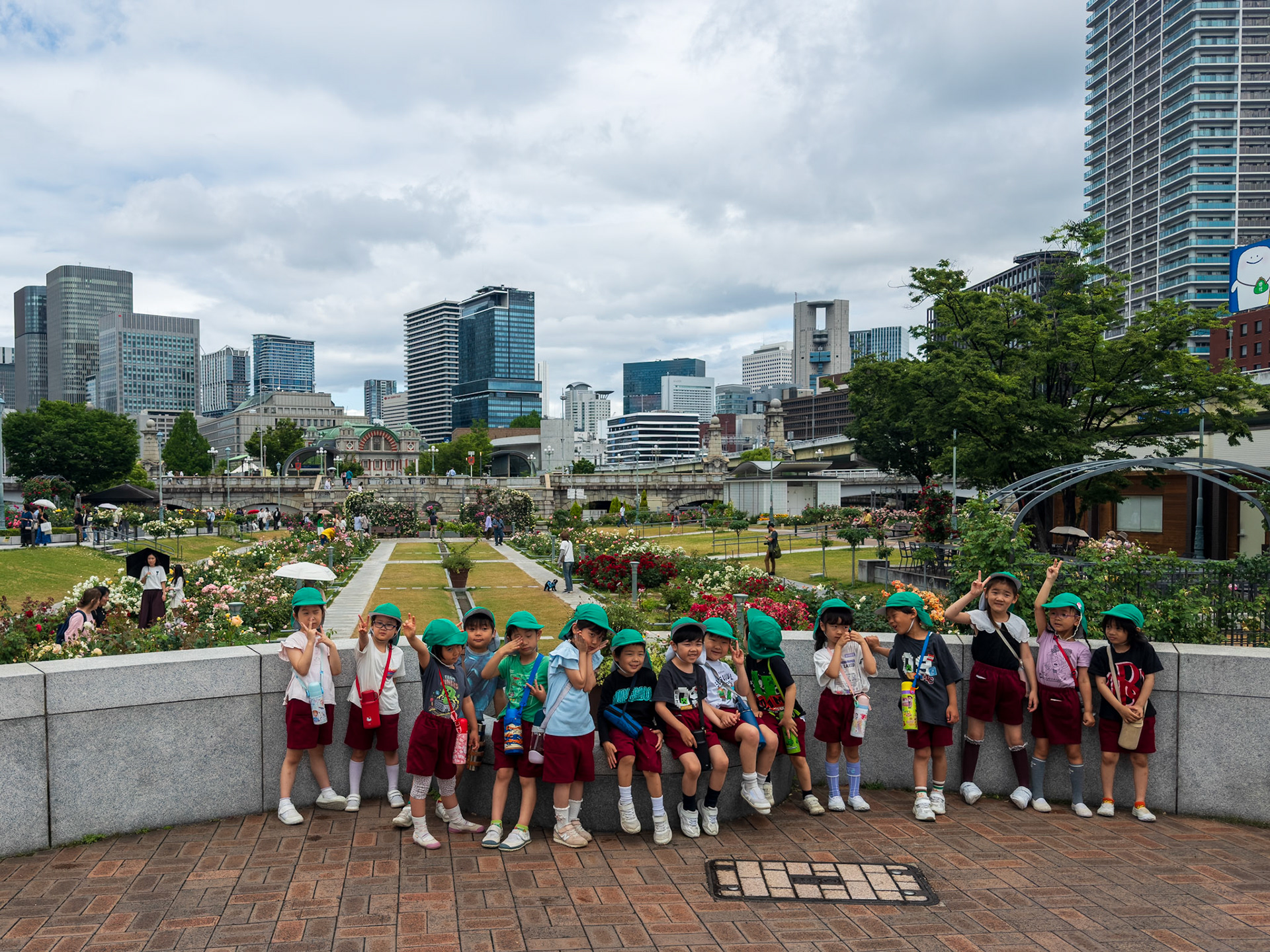

Koyosan - 2 Days
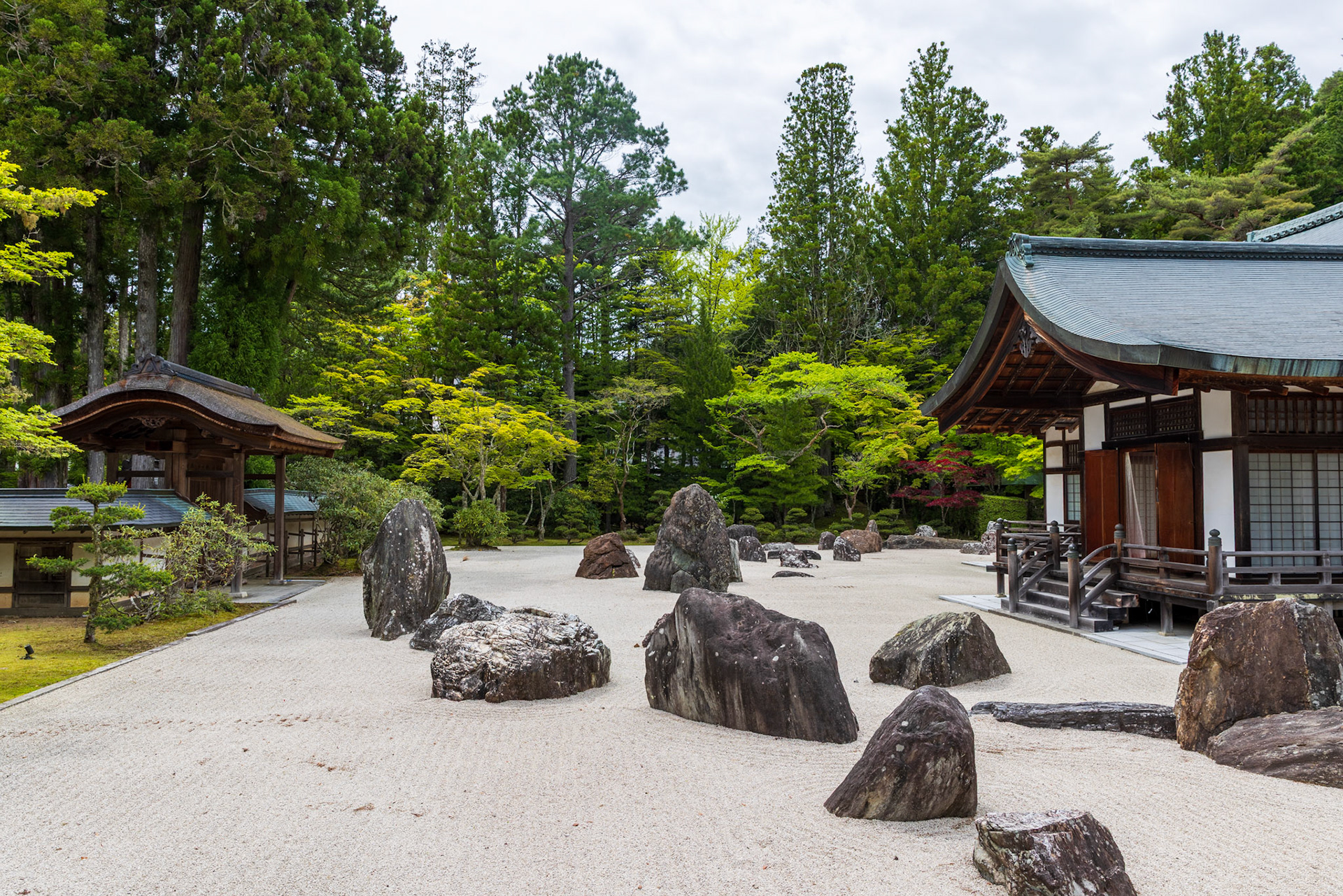
Kongobu-ji Temple

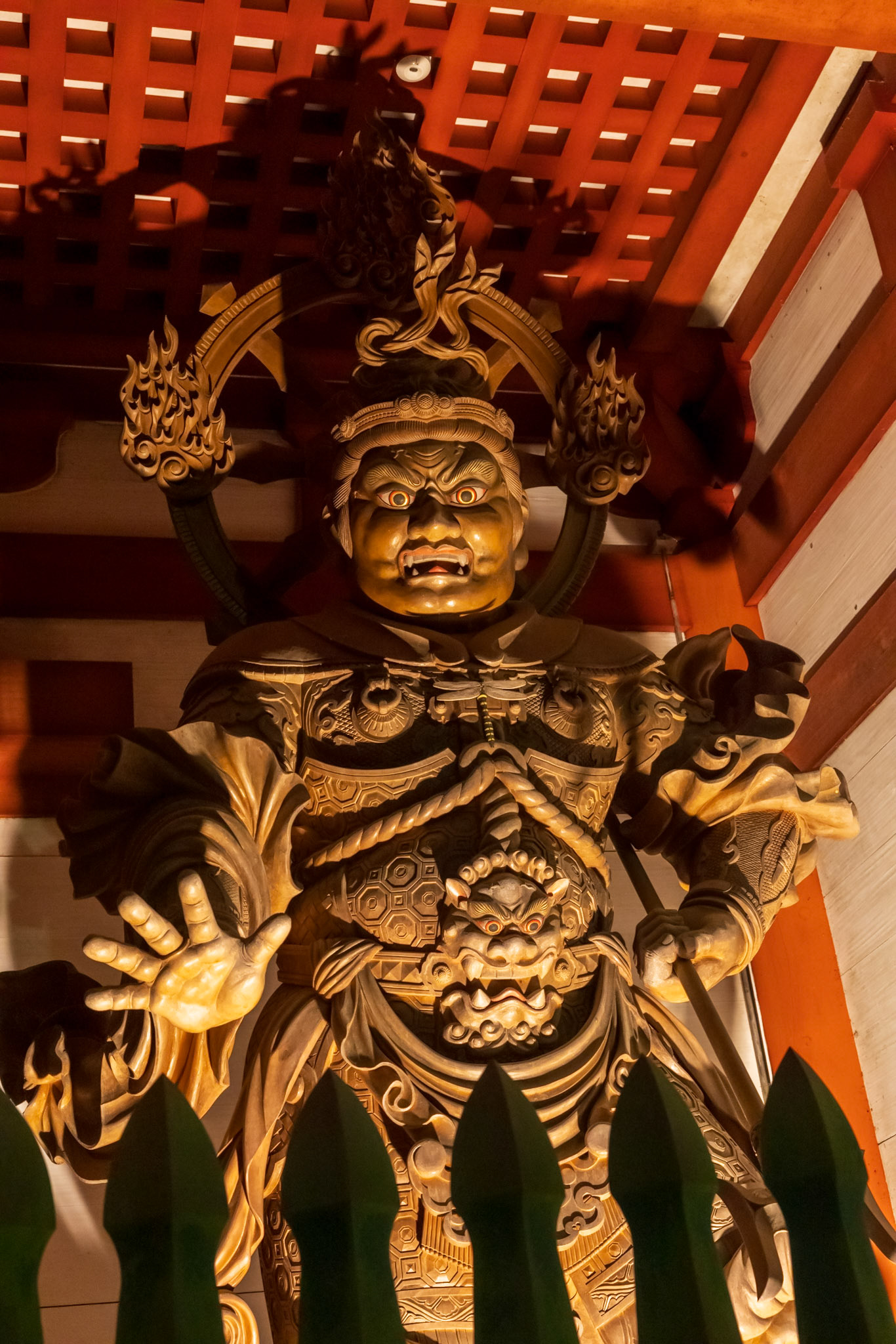
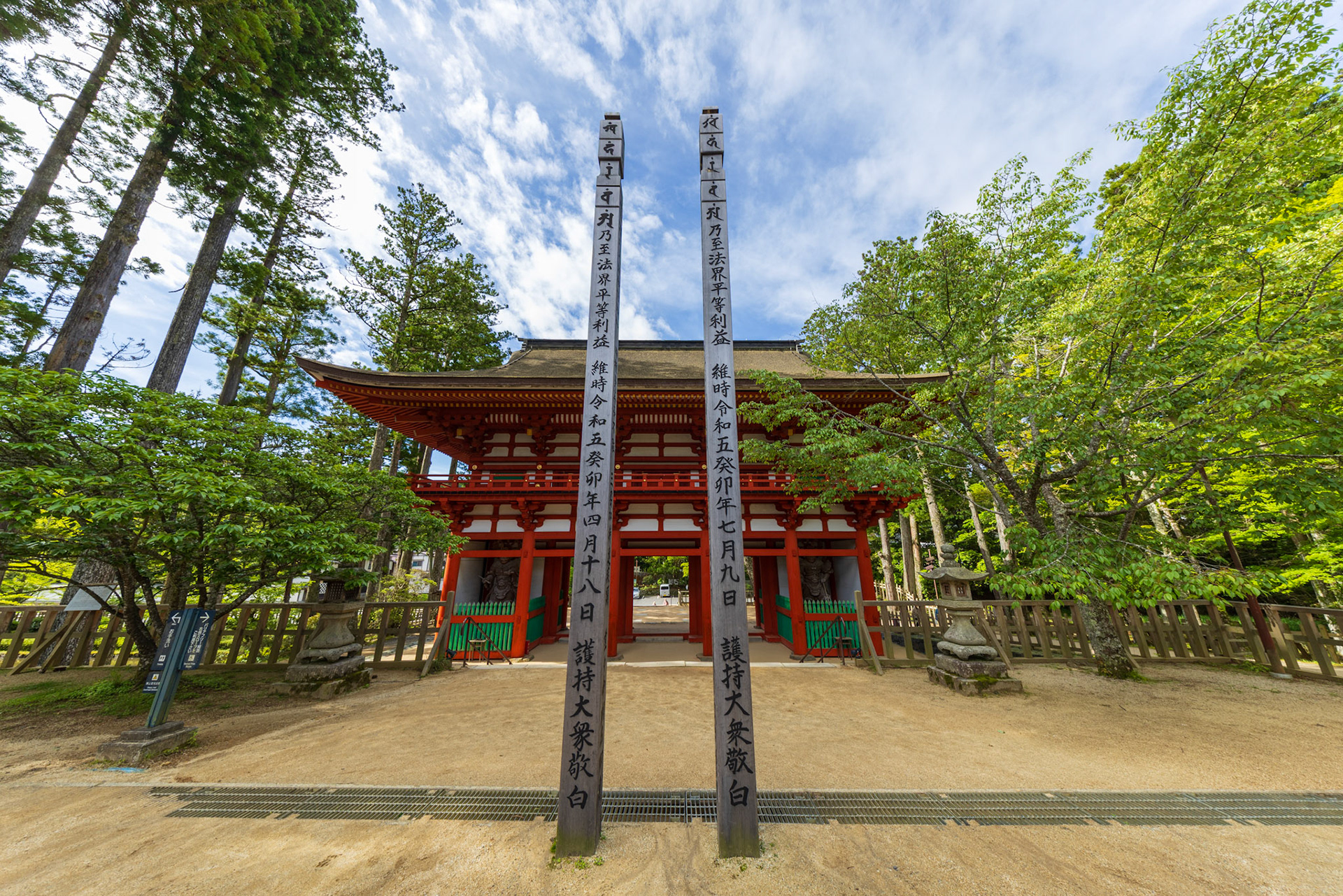
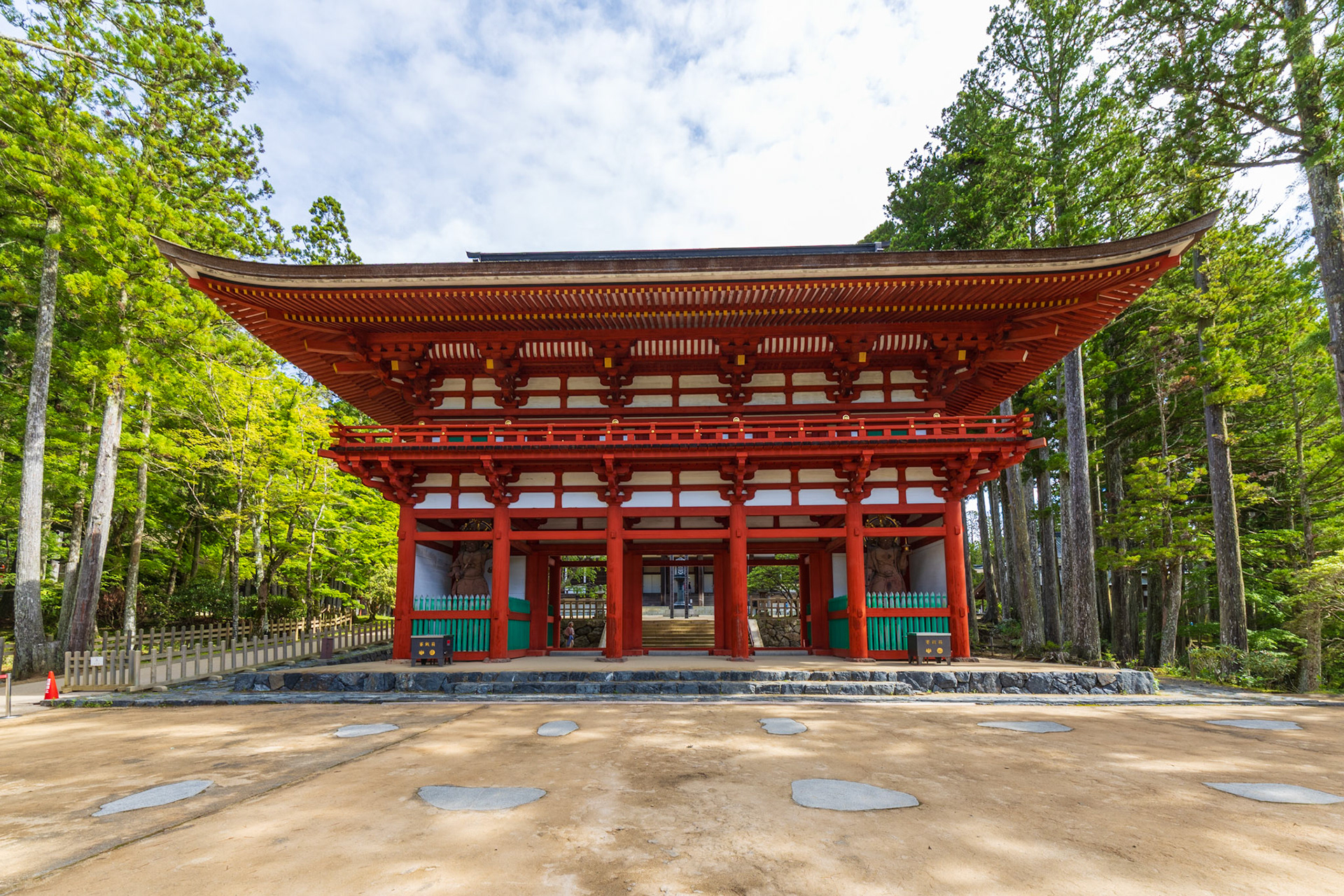
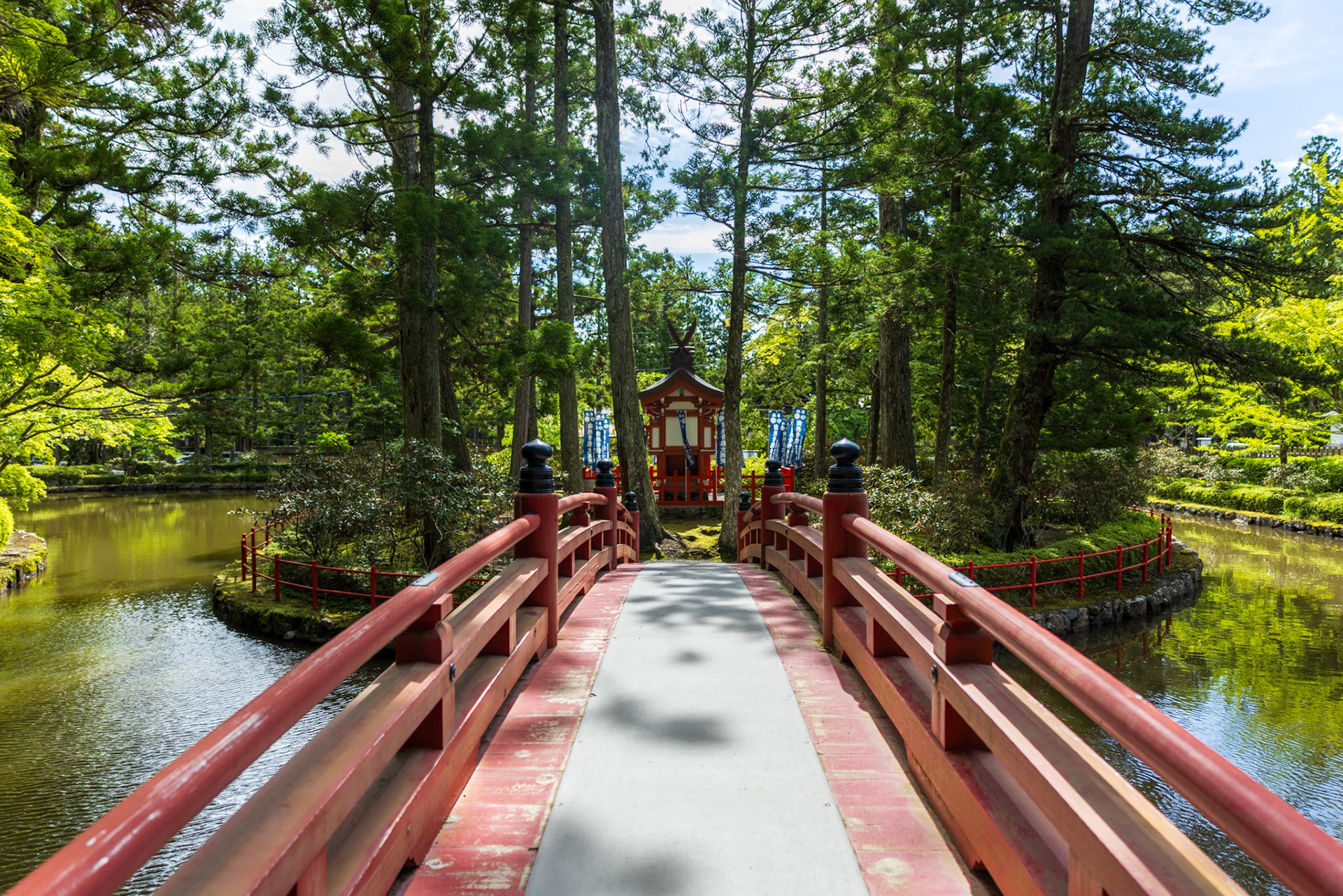
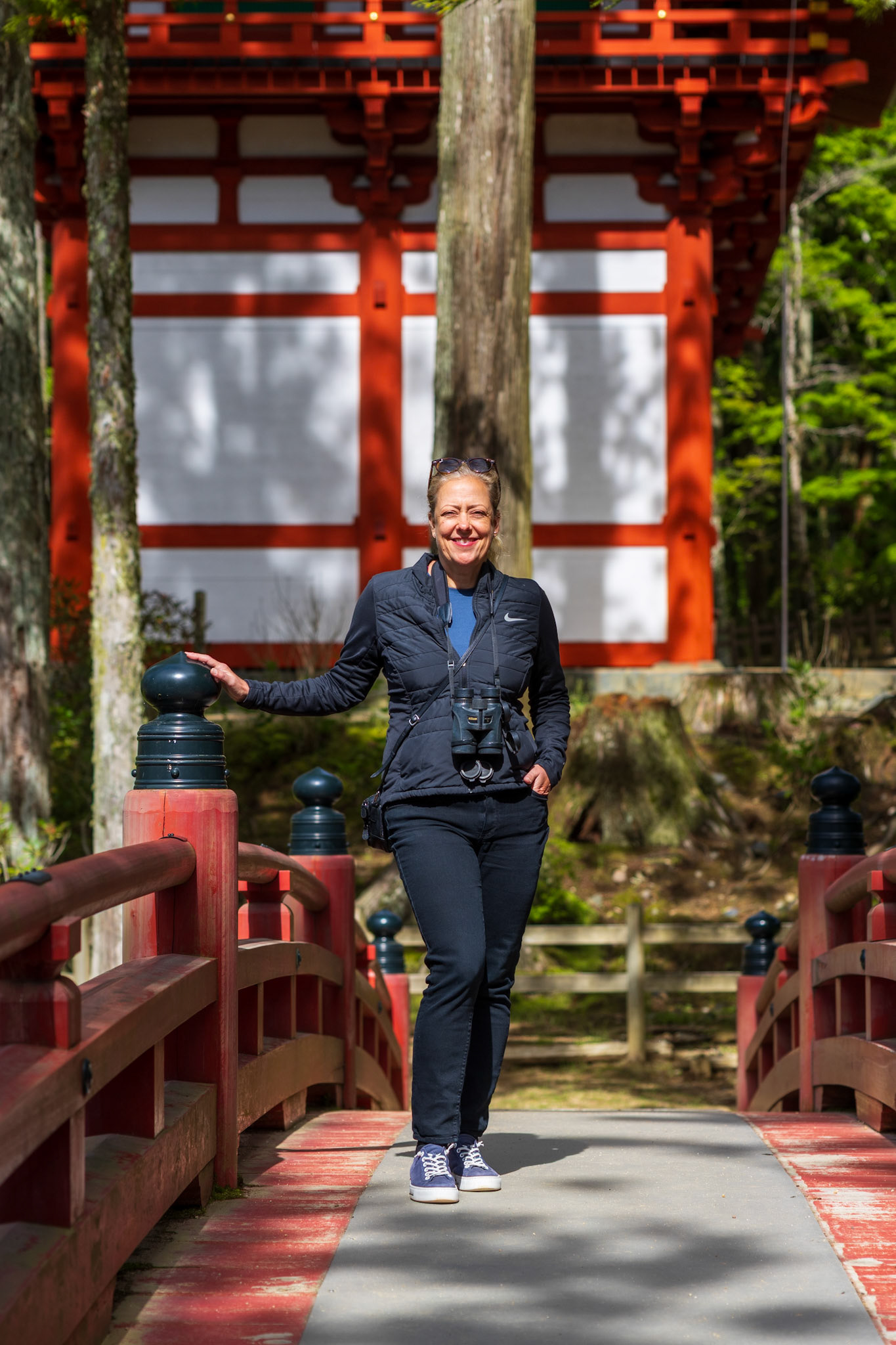
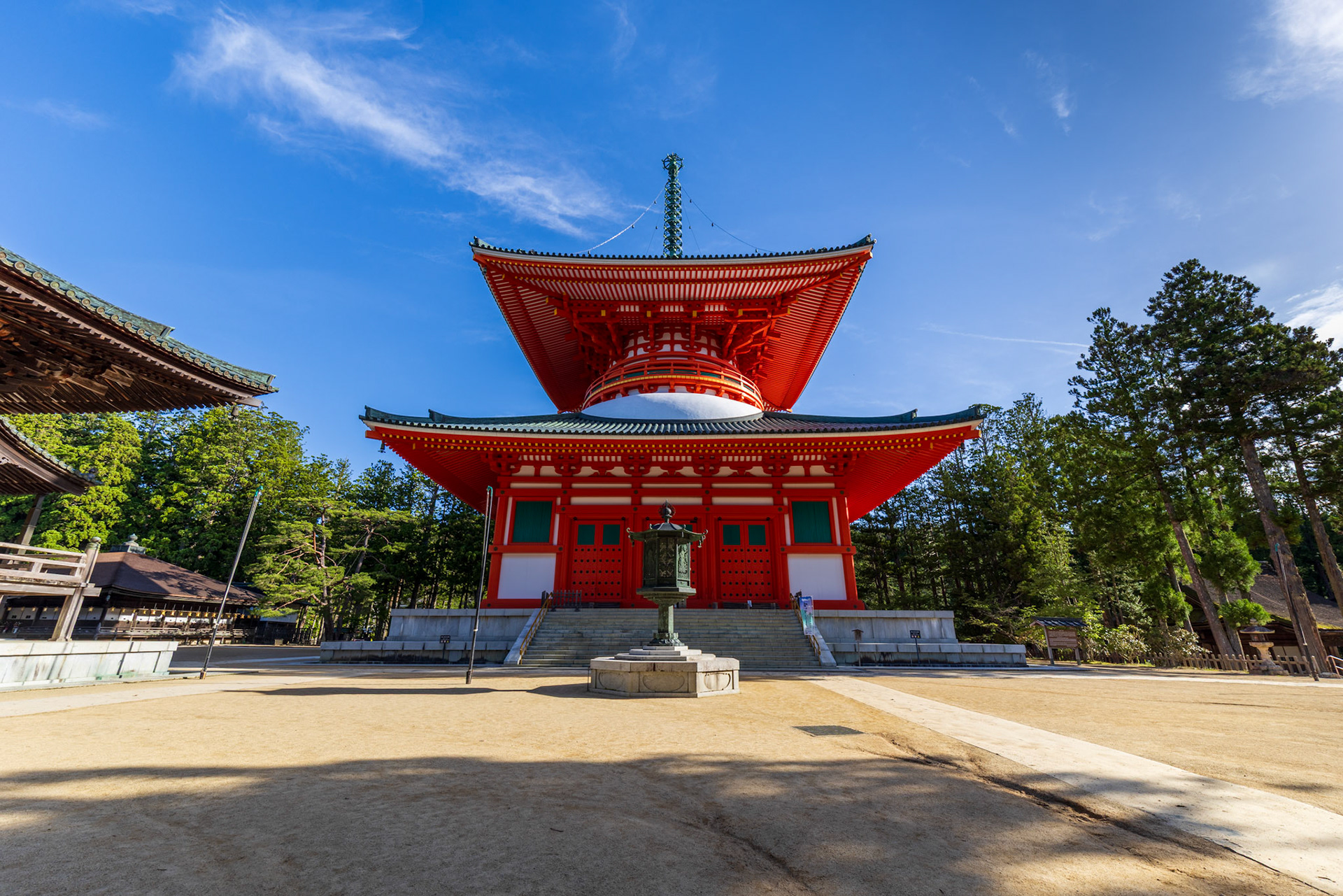
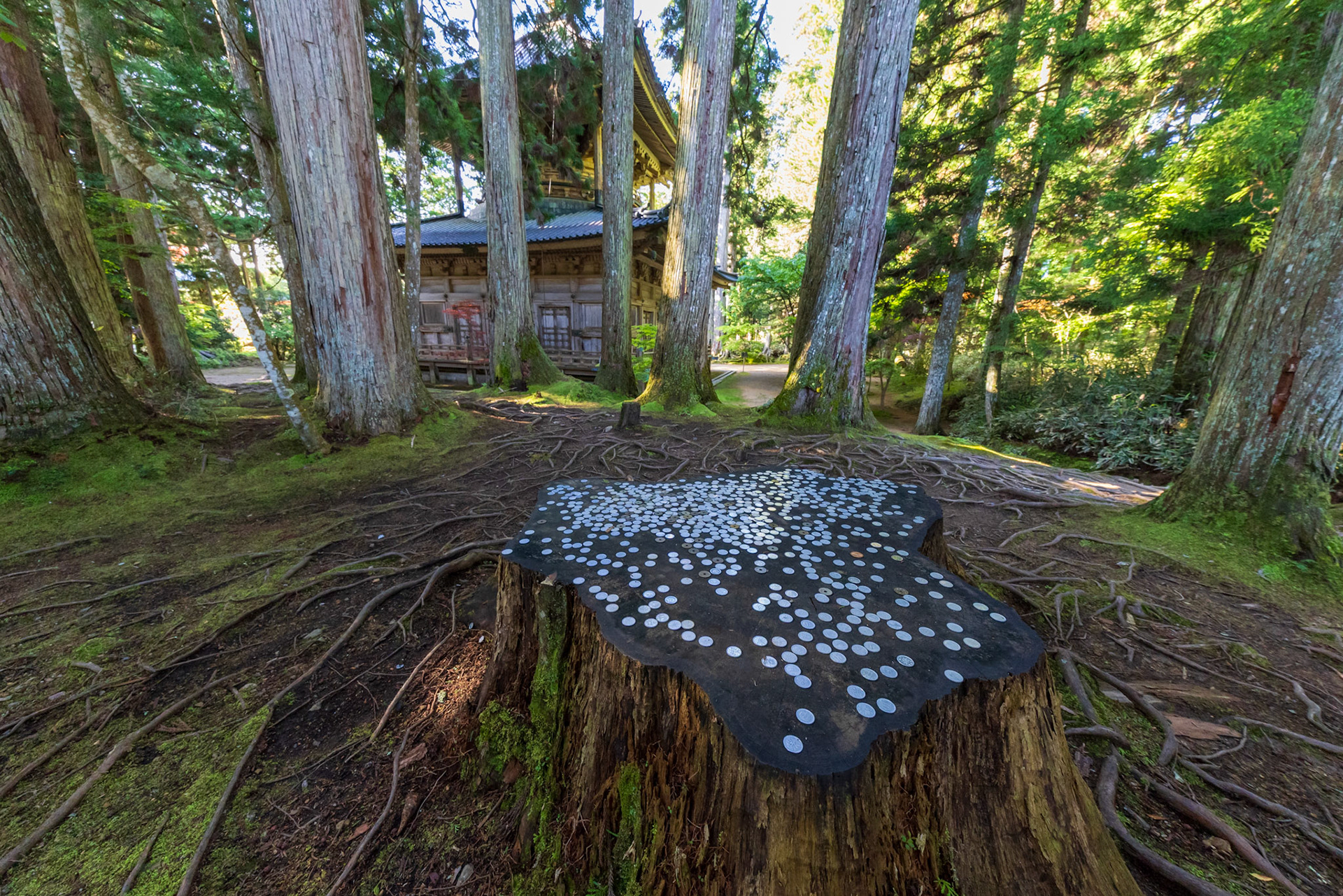
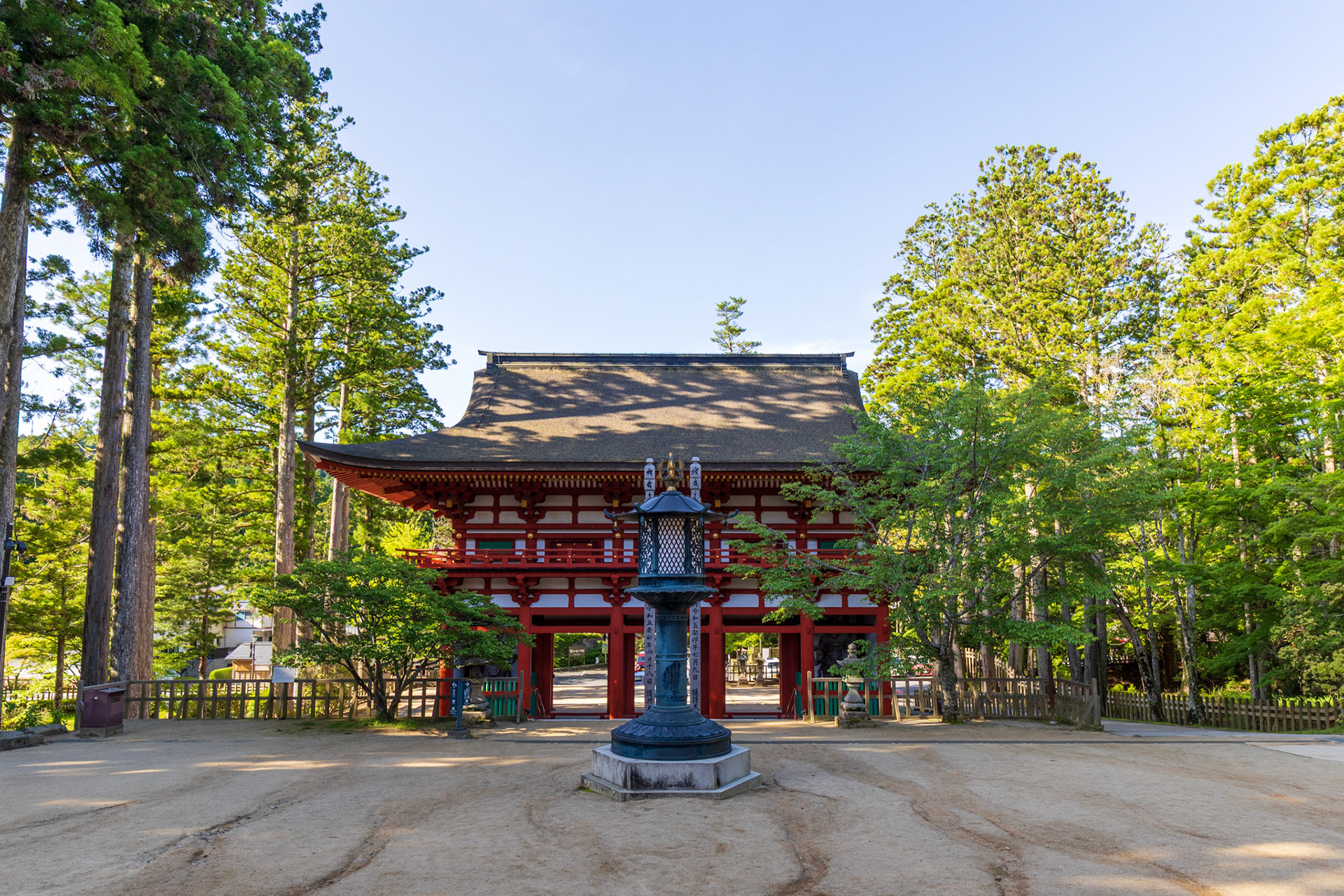
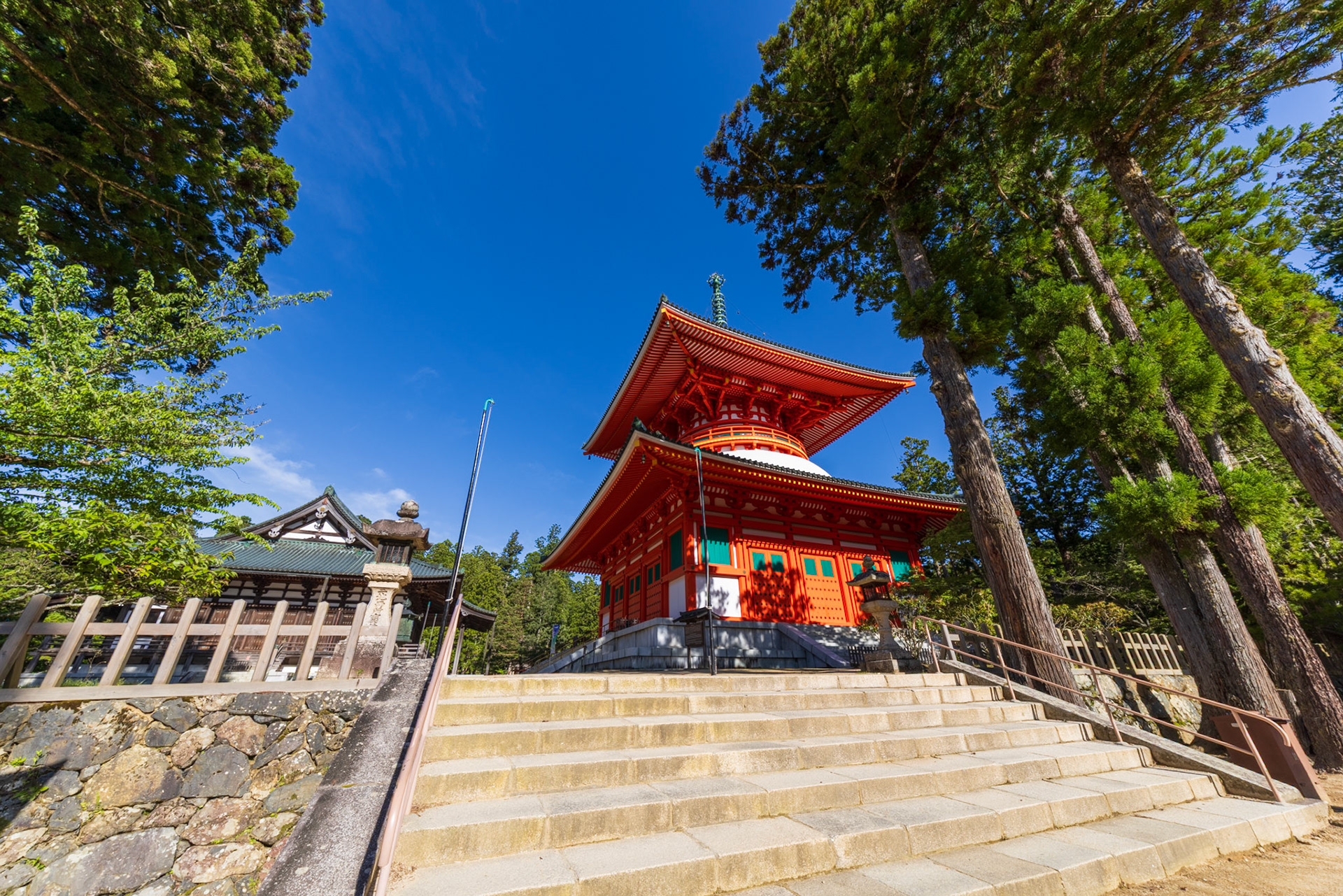


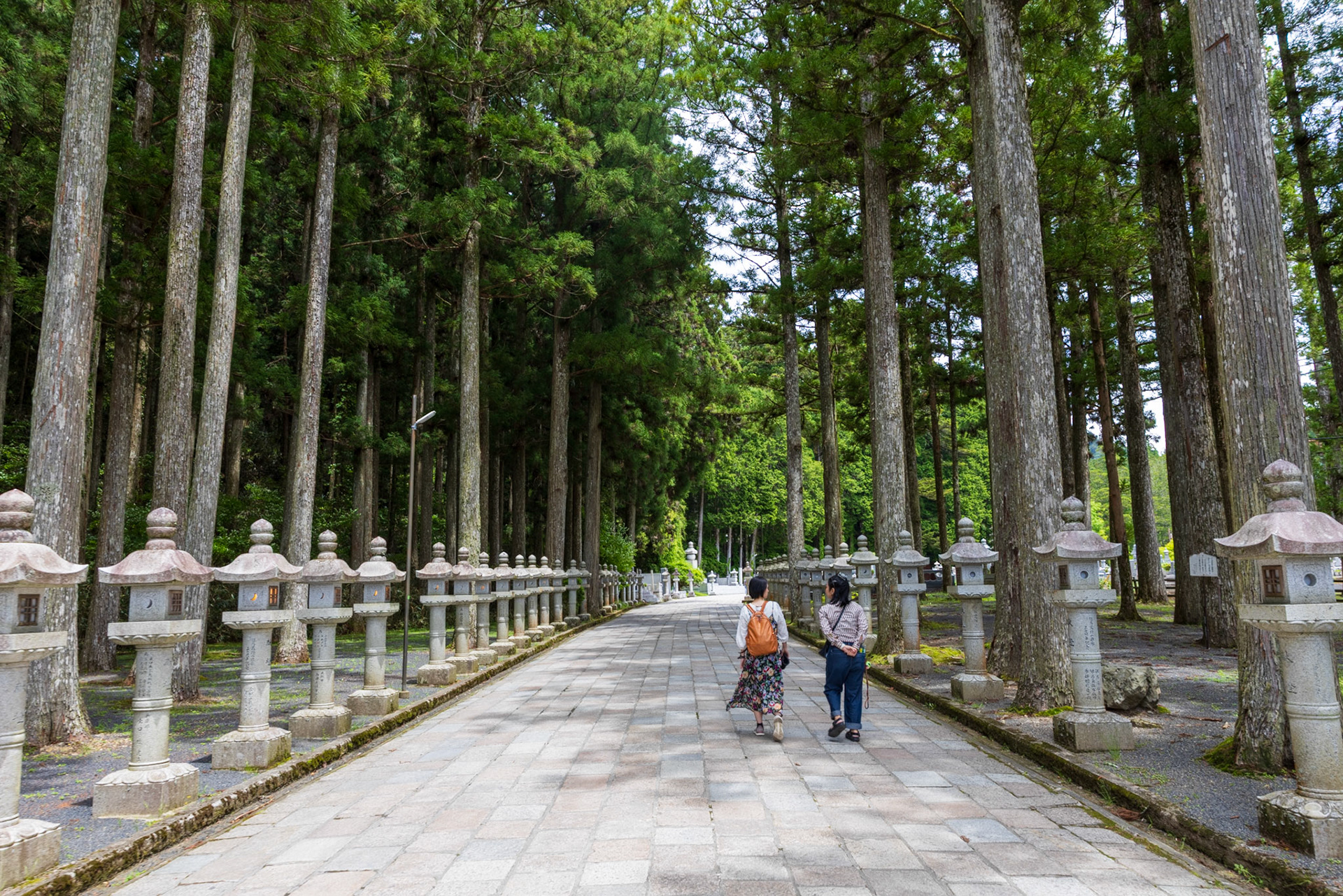
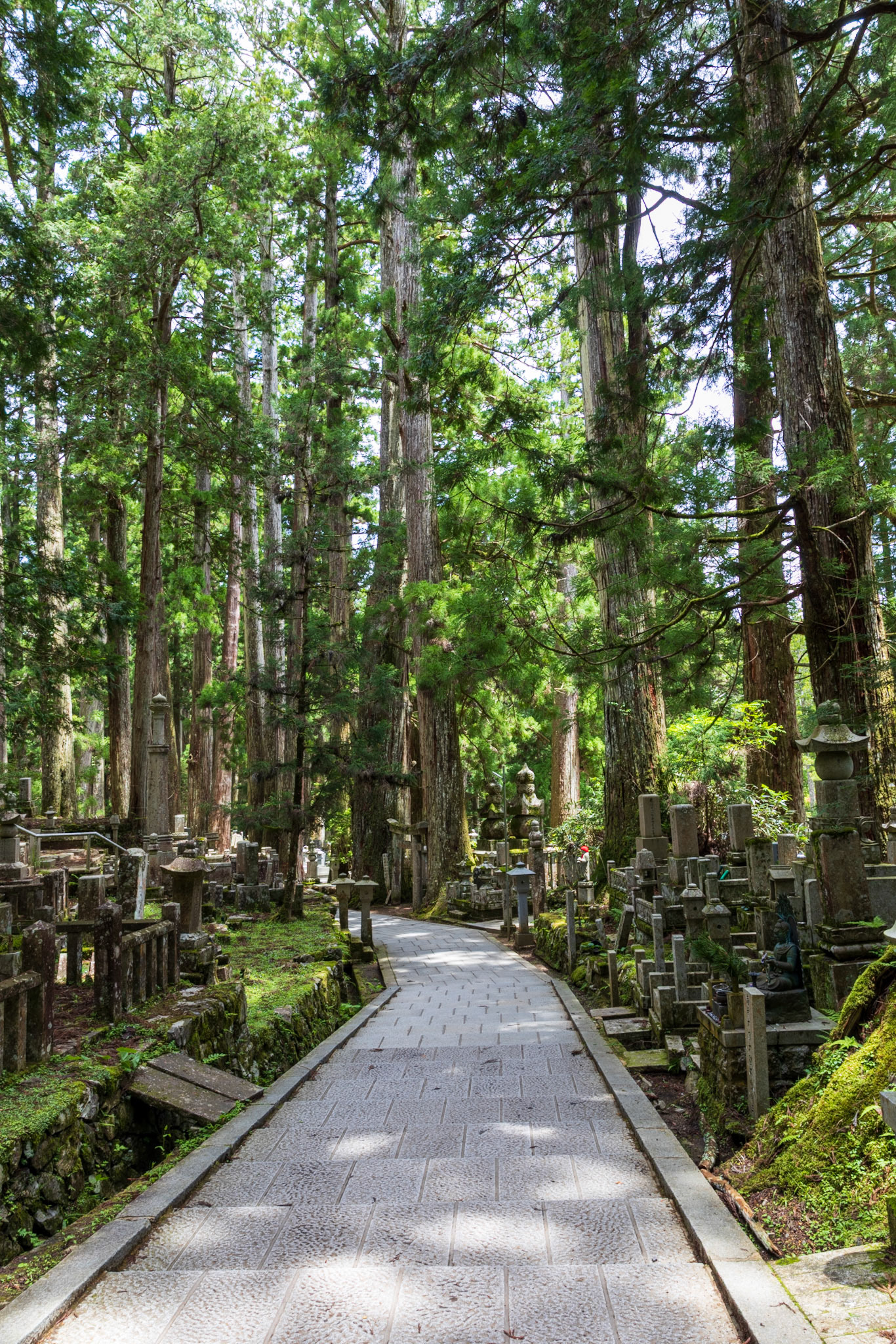

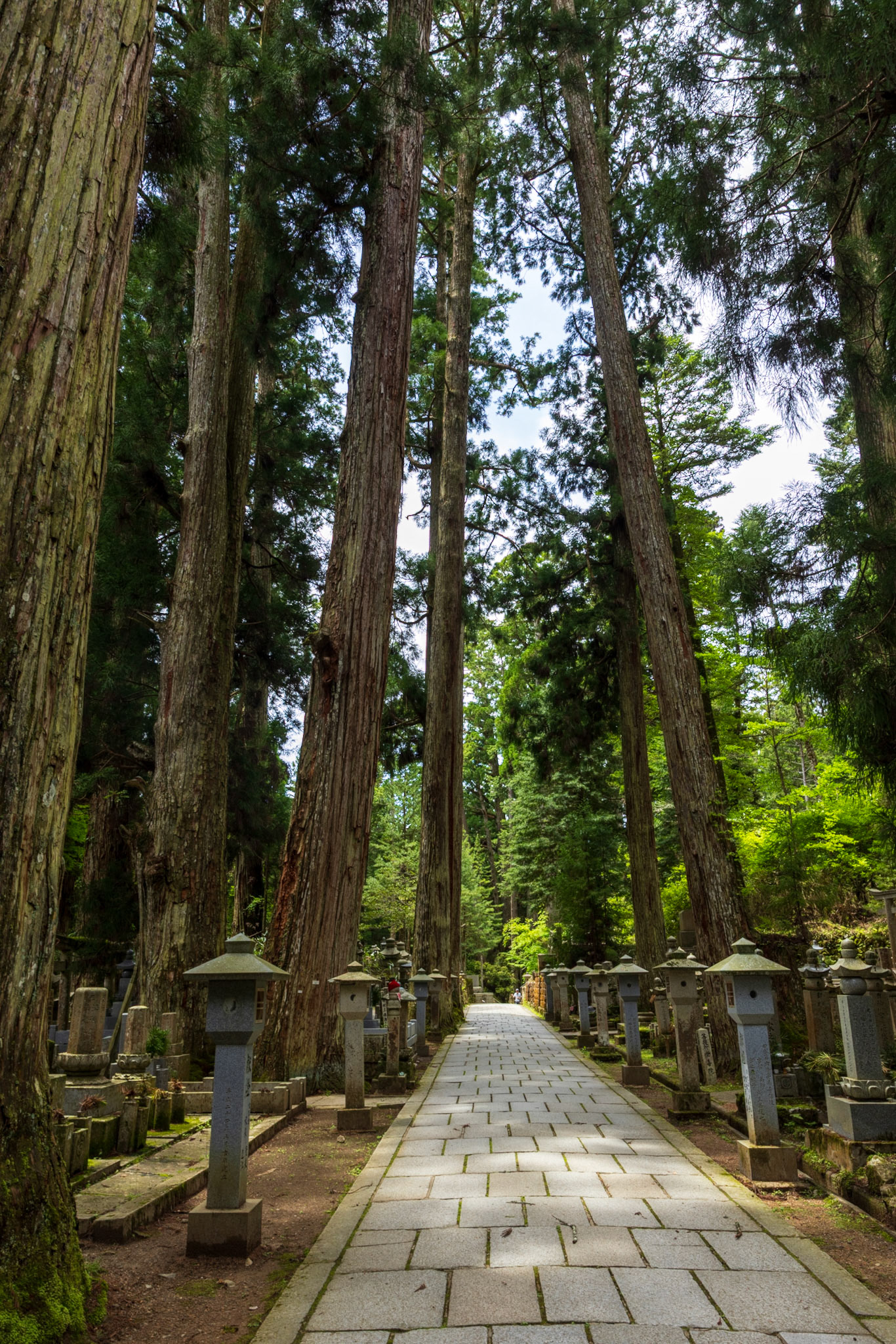
Kongobuji Temple



Trains
Japan has an amazing train network and they are lived up to their reputation of always being on time. We had the opportunity to take several trips on Japan's bullet trains, referred to as the Shinkansen. As well as the opportunity to ride on a new sightseeing train called the GRAN TENKU.
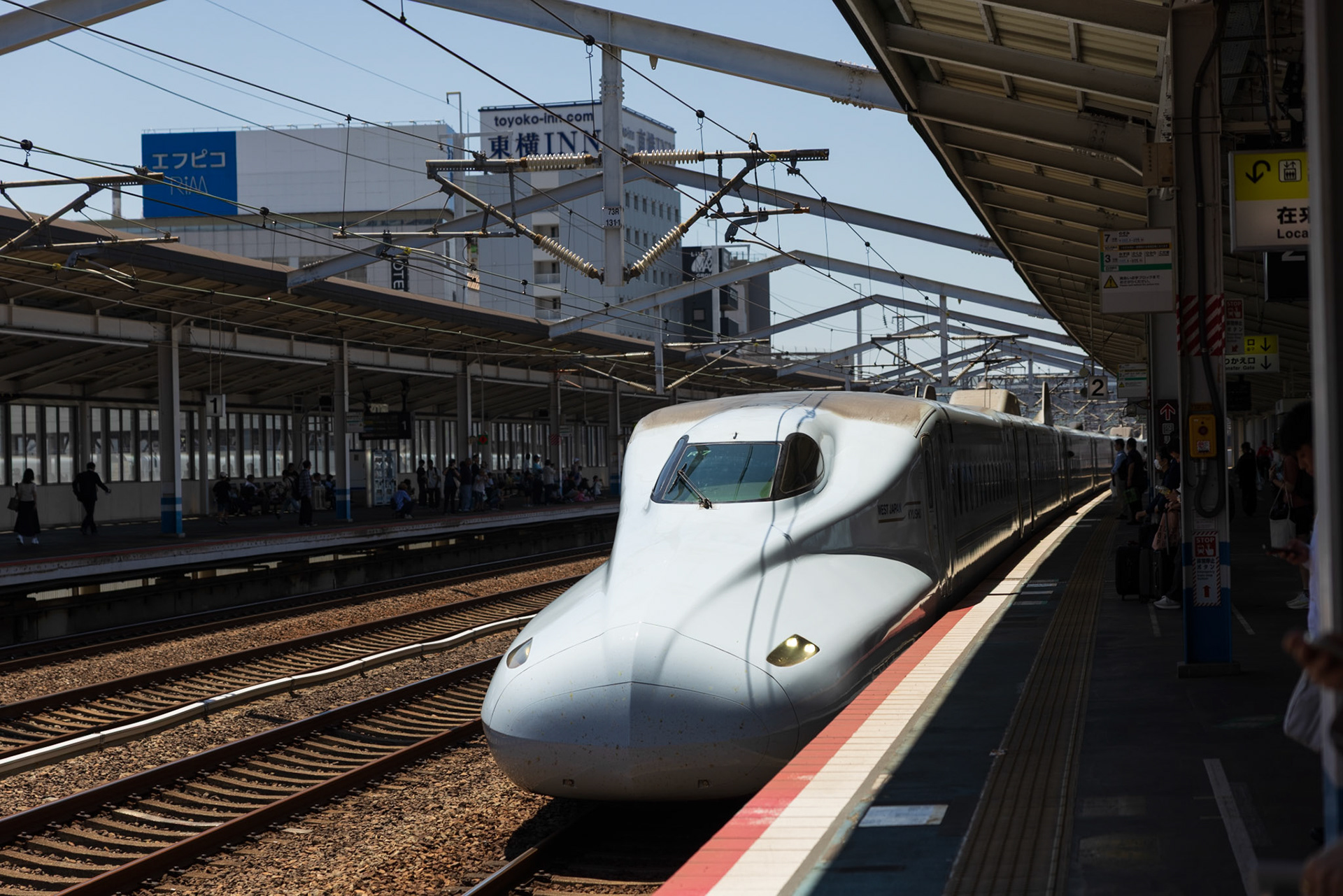
Shinkensen "Bullet Train"
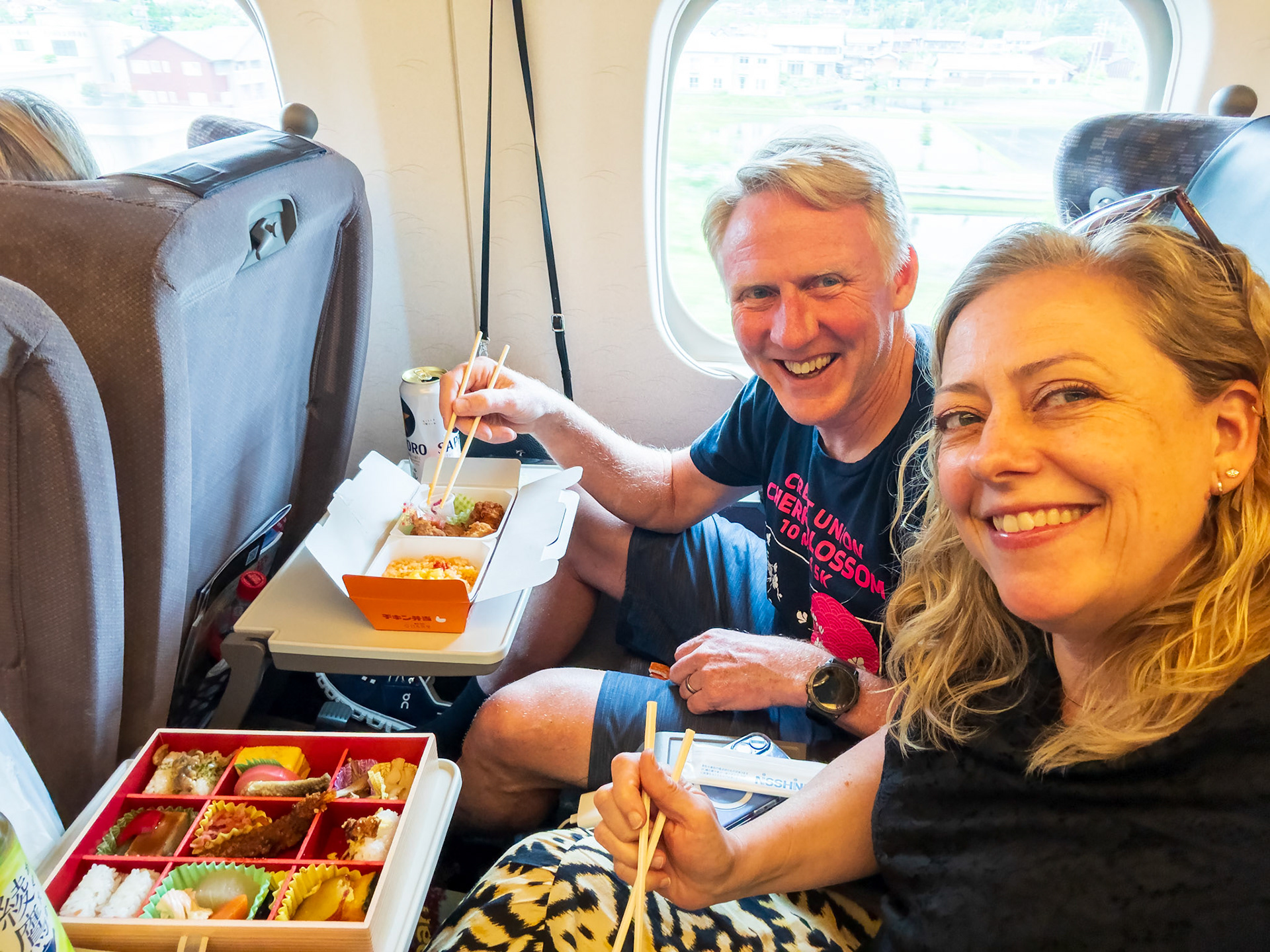
As recommended by everyone, we grabbed some bento boxes to enjoy on the train ride from Tokyo to Hiroshima
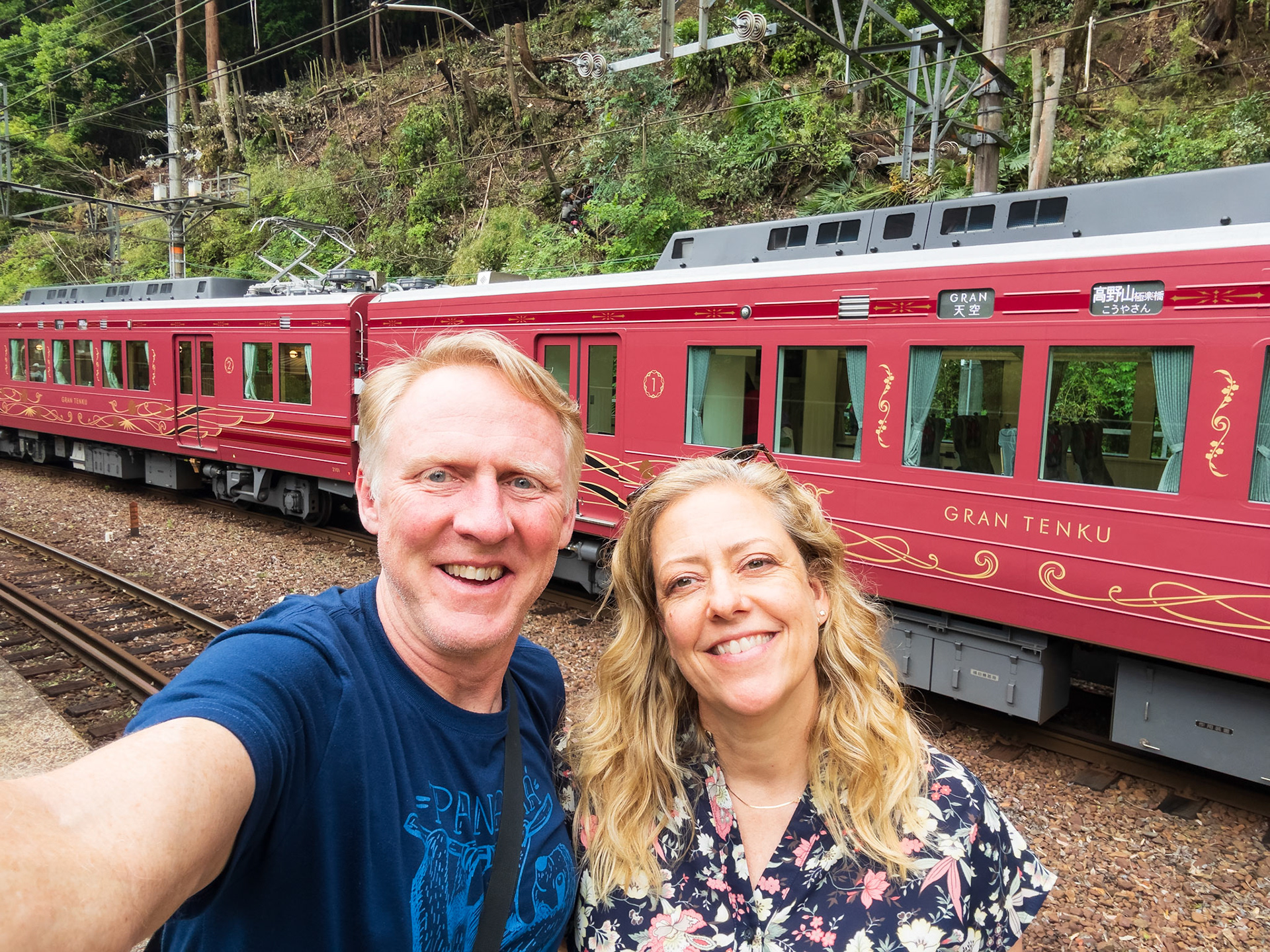
At a stop on our GRAN TENKU sightseeing train from Osaka to Koyosan
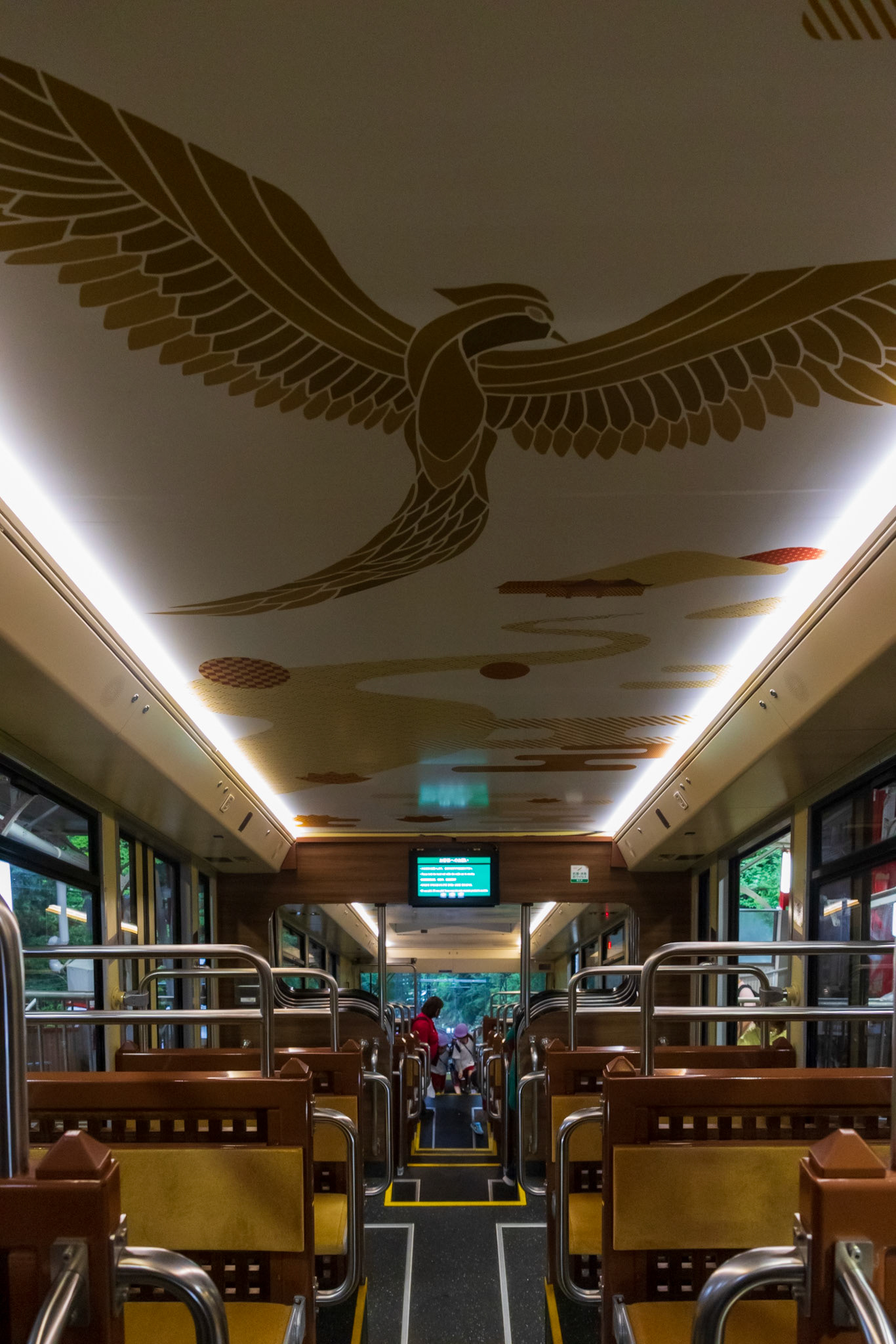
The inside of the Cable Car as part of the trip to the mountain town of Koyosan
On our train ride to/from Tokyo we saw the most beautiful crop fields that look like they could be hedges in a garden. Per AI: turns out they were tea plantations (Camellia sinensis), almost certainly used to produce Japanese green tea like Sencha or Matcha.

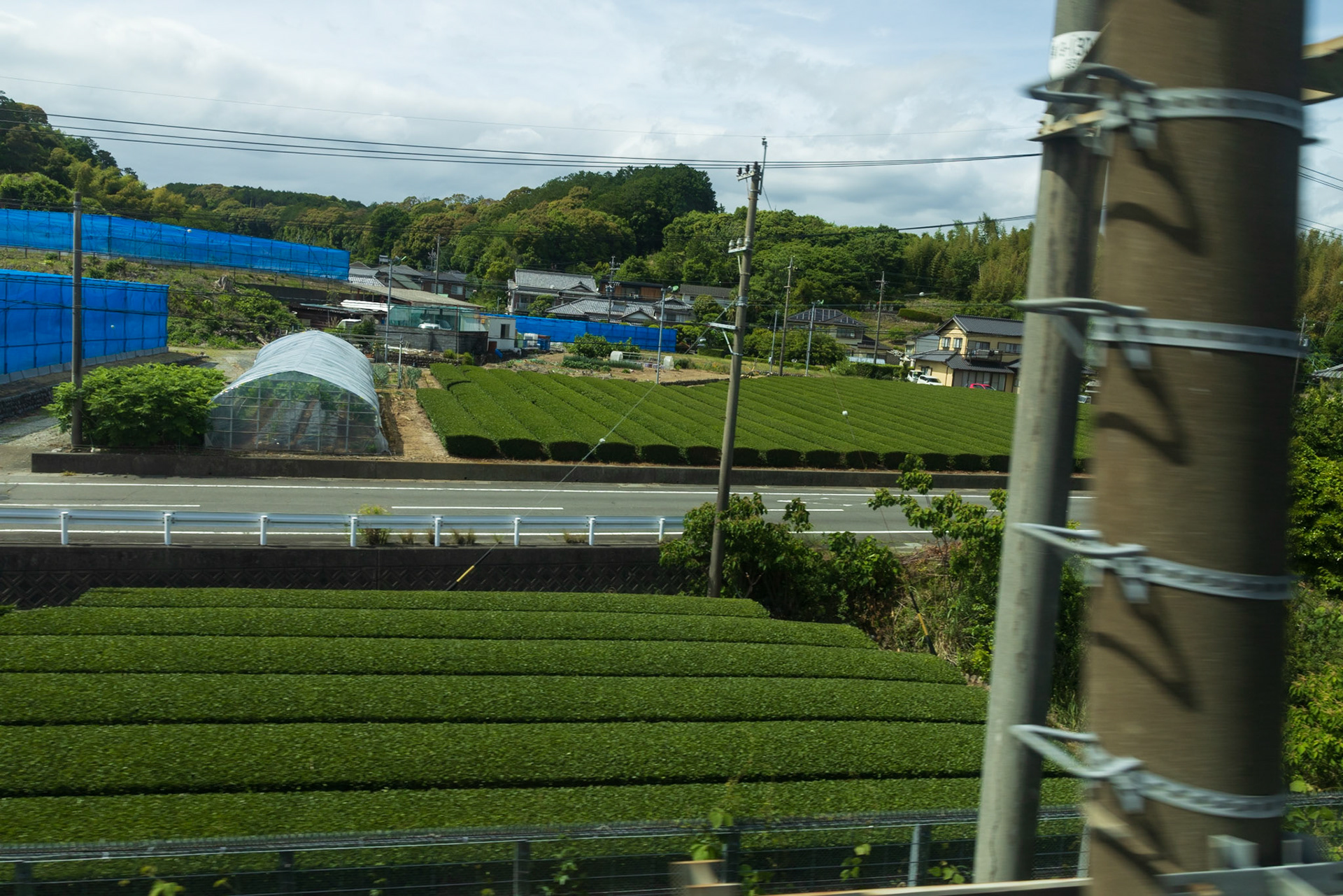

We had two chances to see Mt. Muji on the high speed train (Shinkansen) when traveling from/to Tokyo. Unfortunately, on both days the mountain was obscured by clouds and this is the best view we got.

Cars
It's always fun to see some different cars when traveling. These are the ones that stood out on this trip.
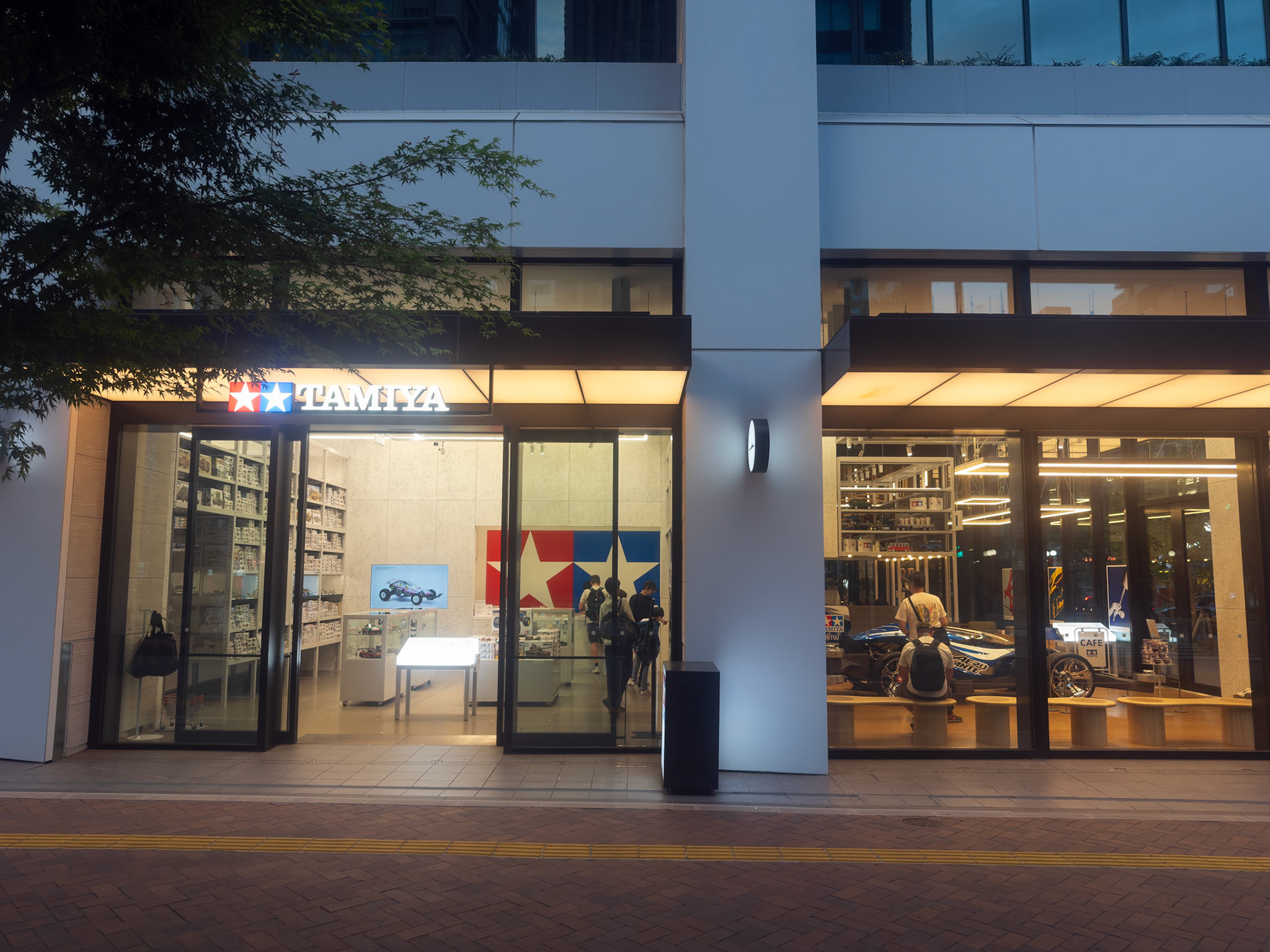
I saw some guys walking with Tamiya bags when we were close to our first hotel and got excited about the prospect of a Tamiya store.
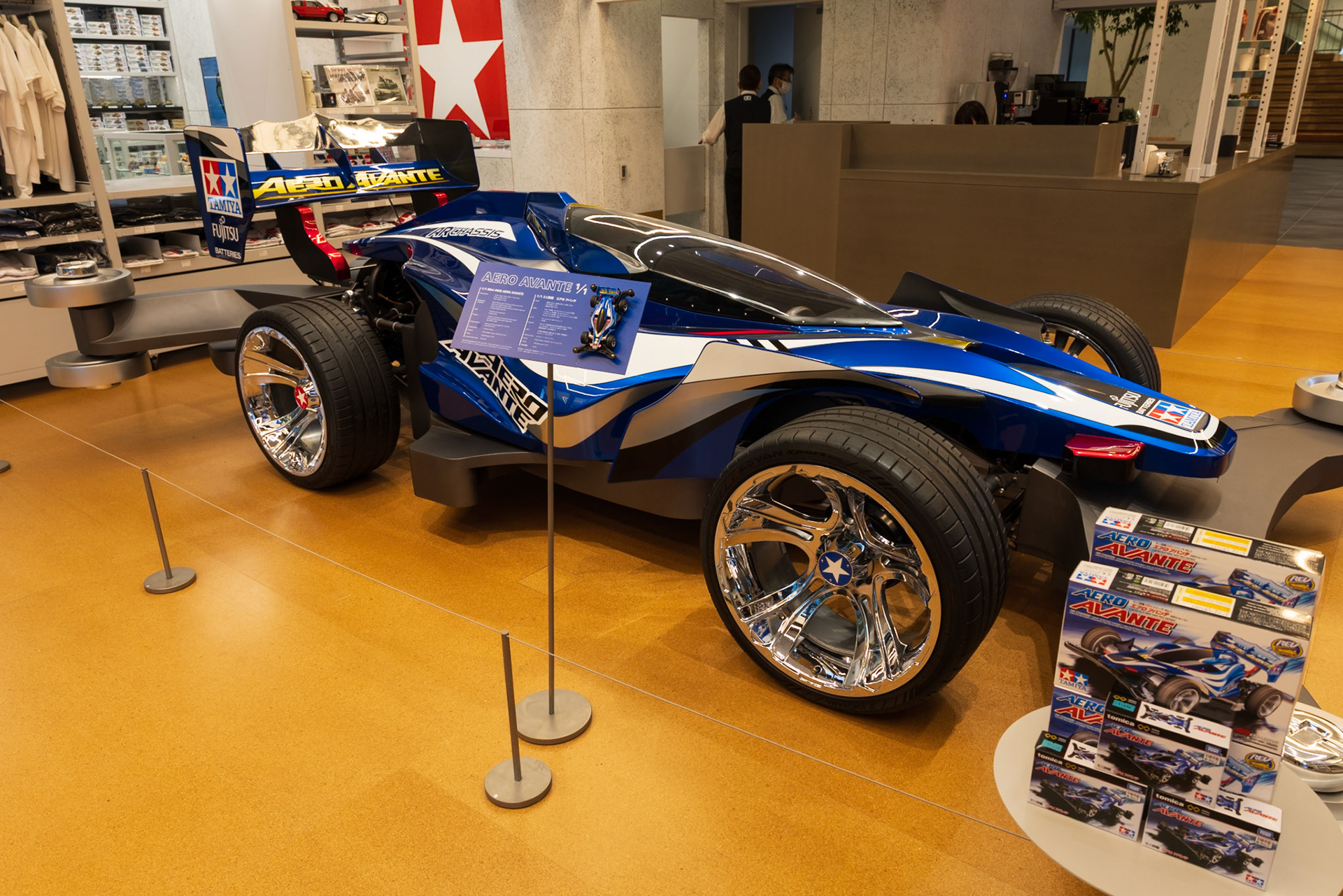
This was a working reproduction of one of their model race cars, it was by far the coolest car we saw on the trip.

More Tamiya goodness.
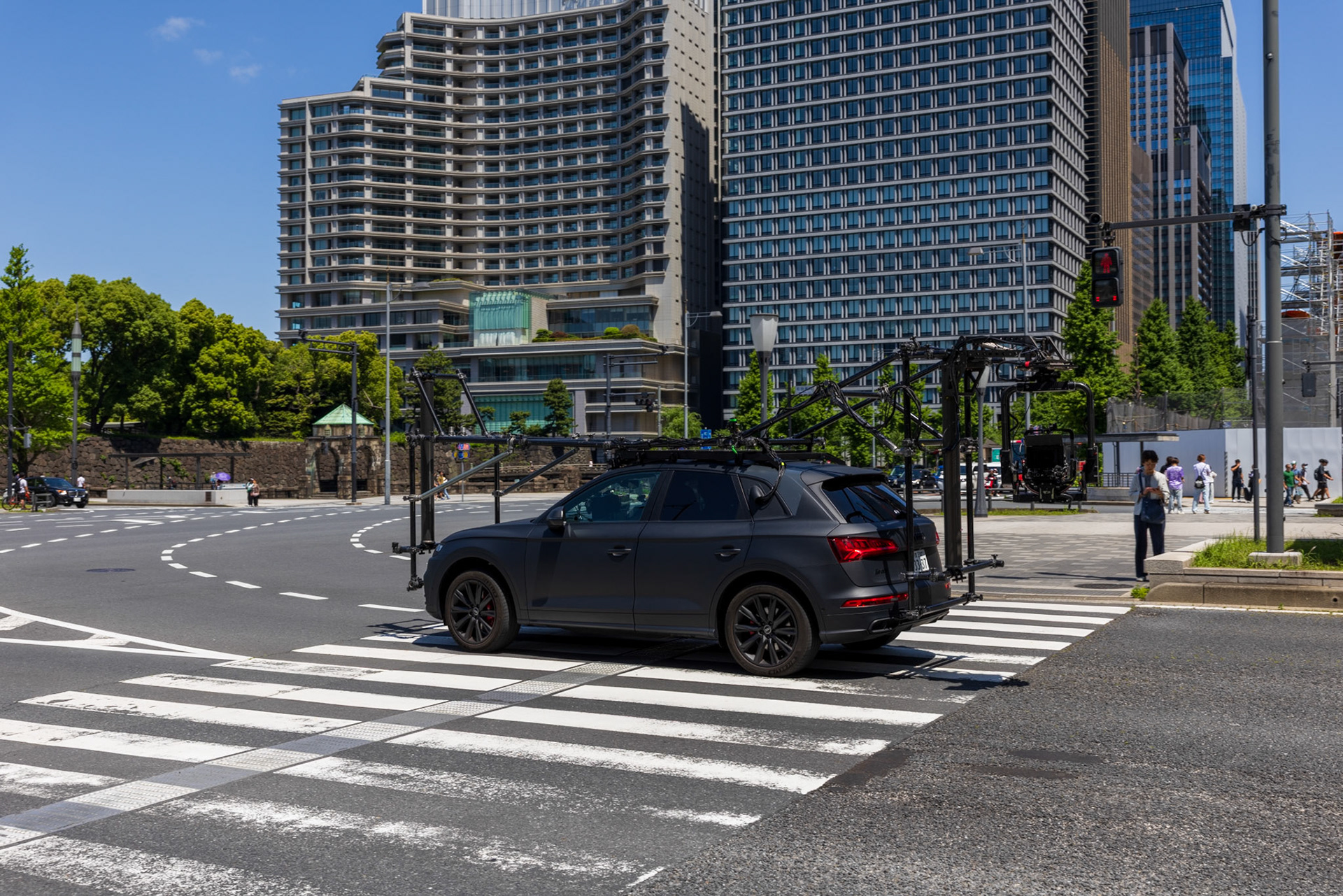
Sweet Audi filming setup
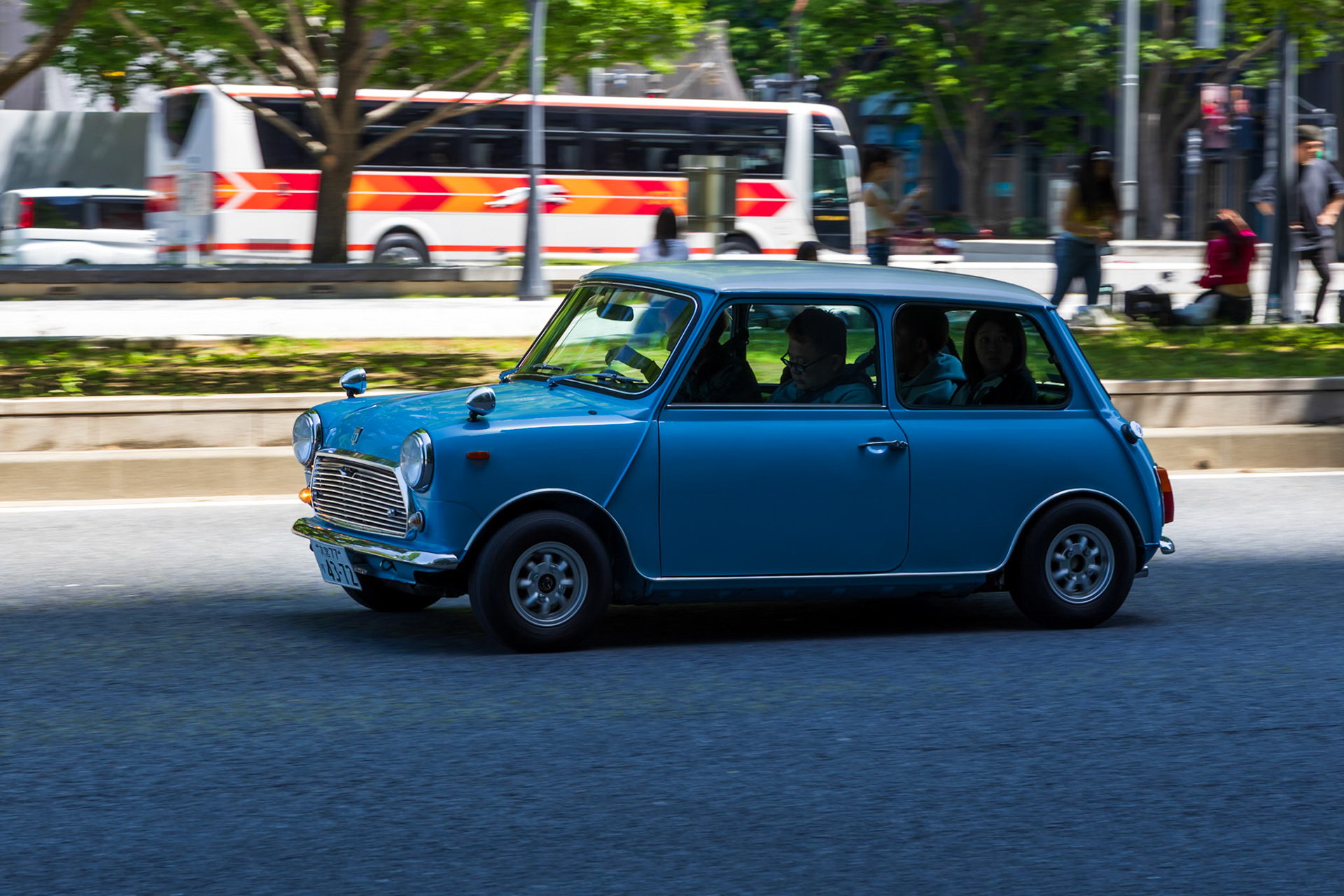
We saw a few of these small cars, they were really cute.
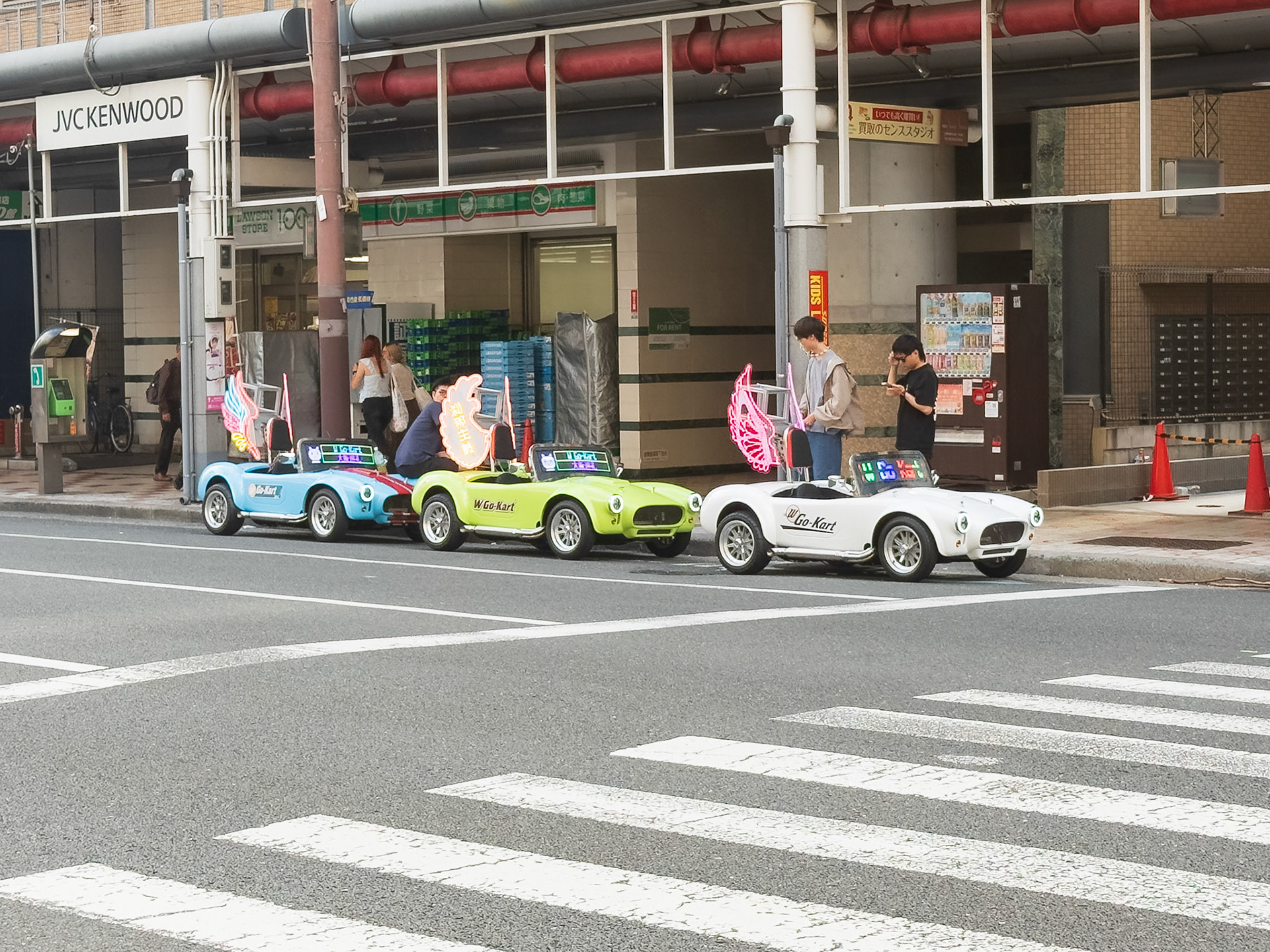
In addition to Mario go-carts, we also saw these little go cart cars you could rent.
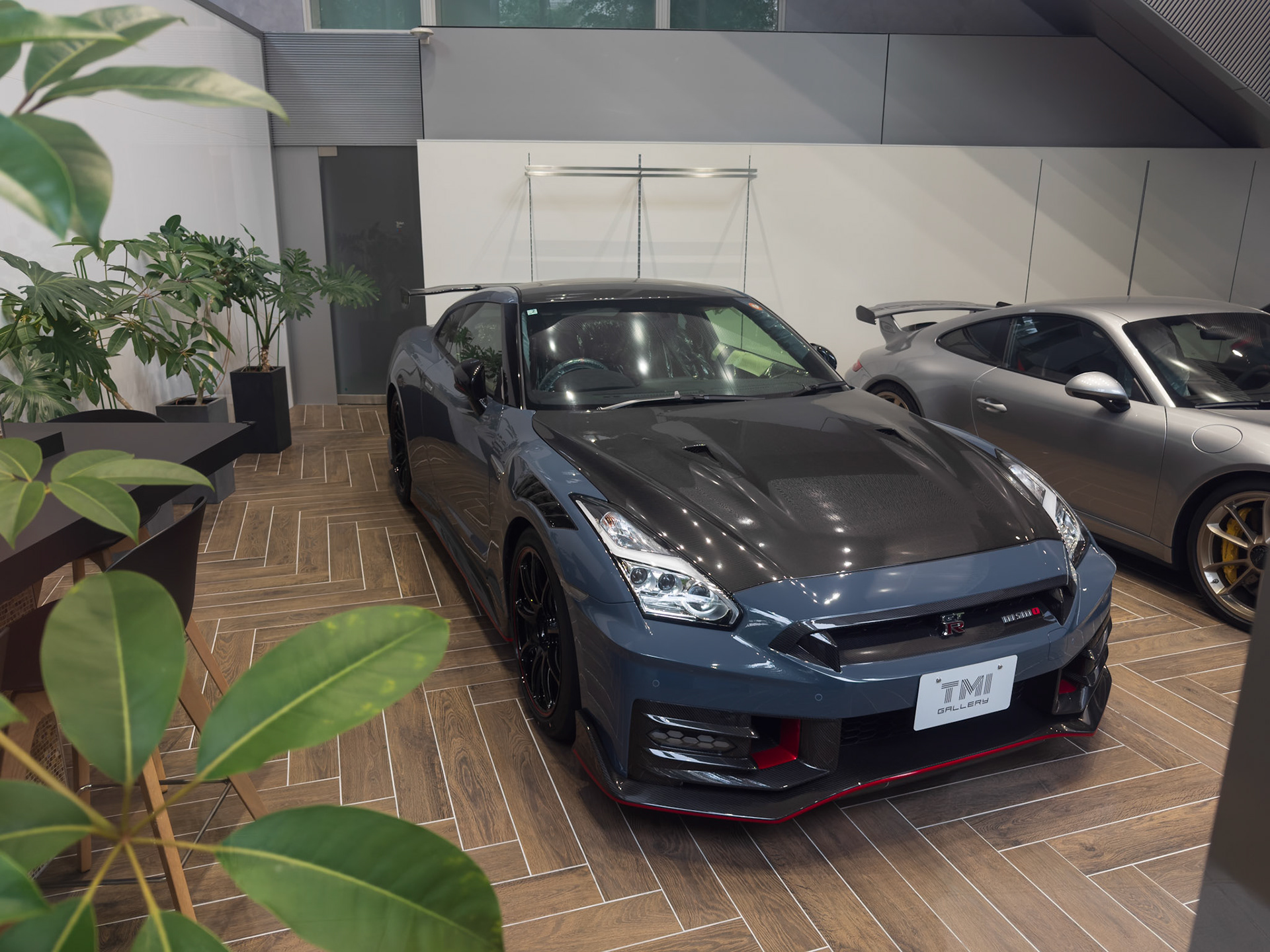
Nice looking Nissan
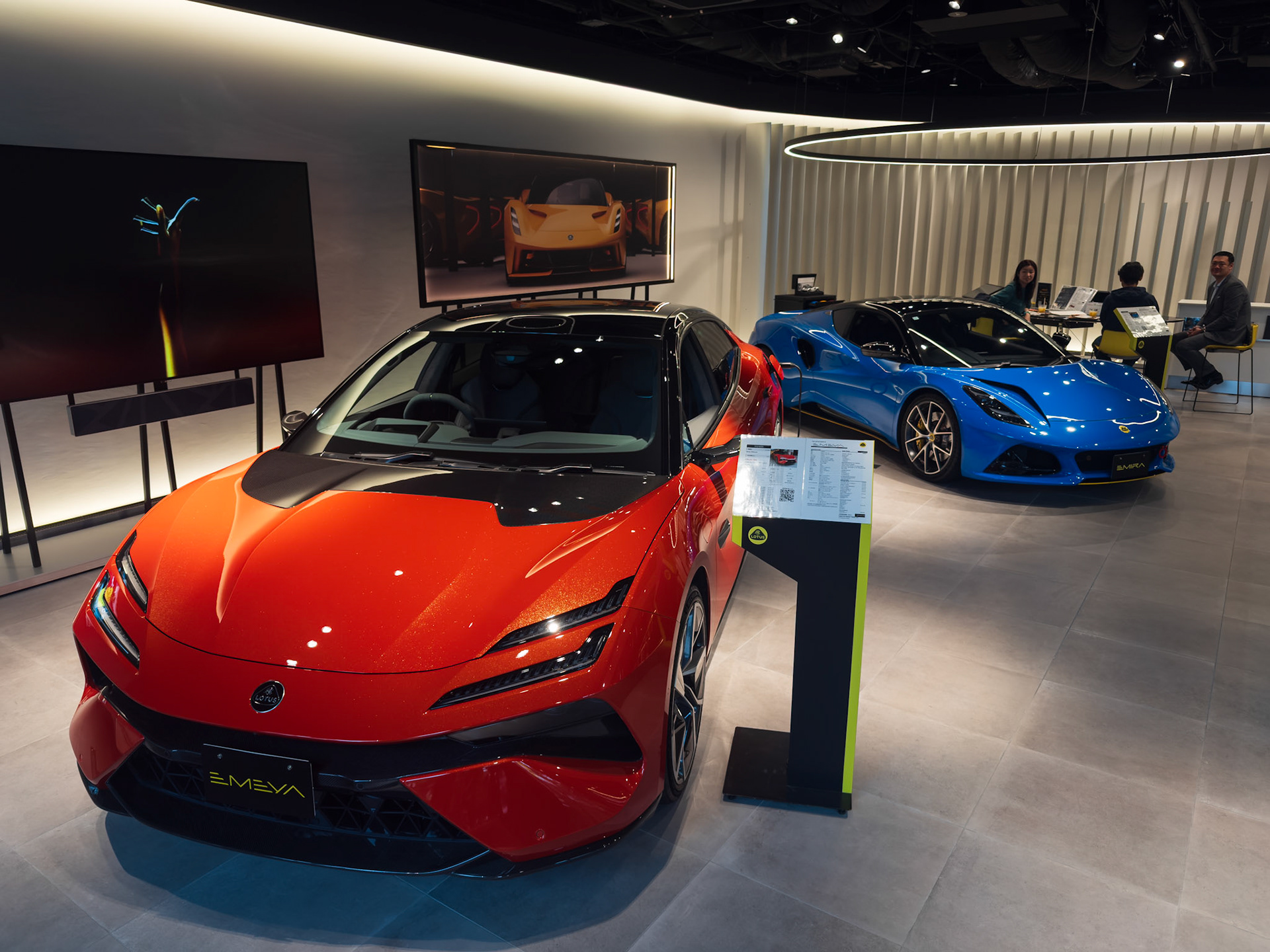
Lotus showroom, Mikey like!
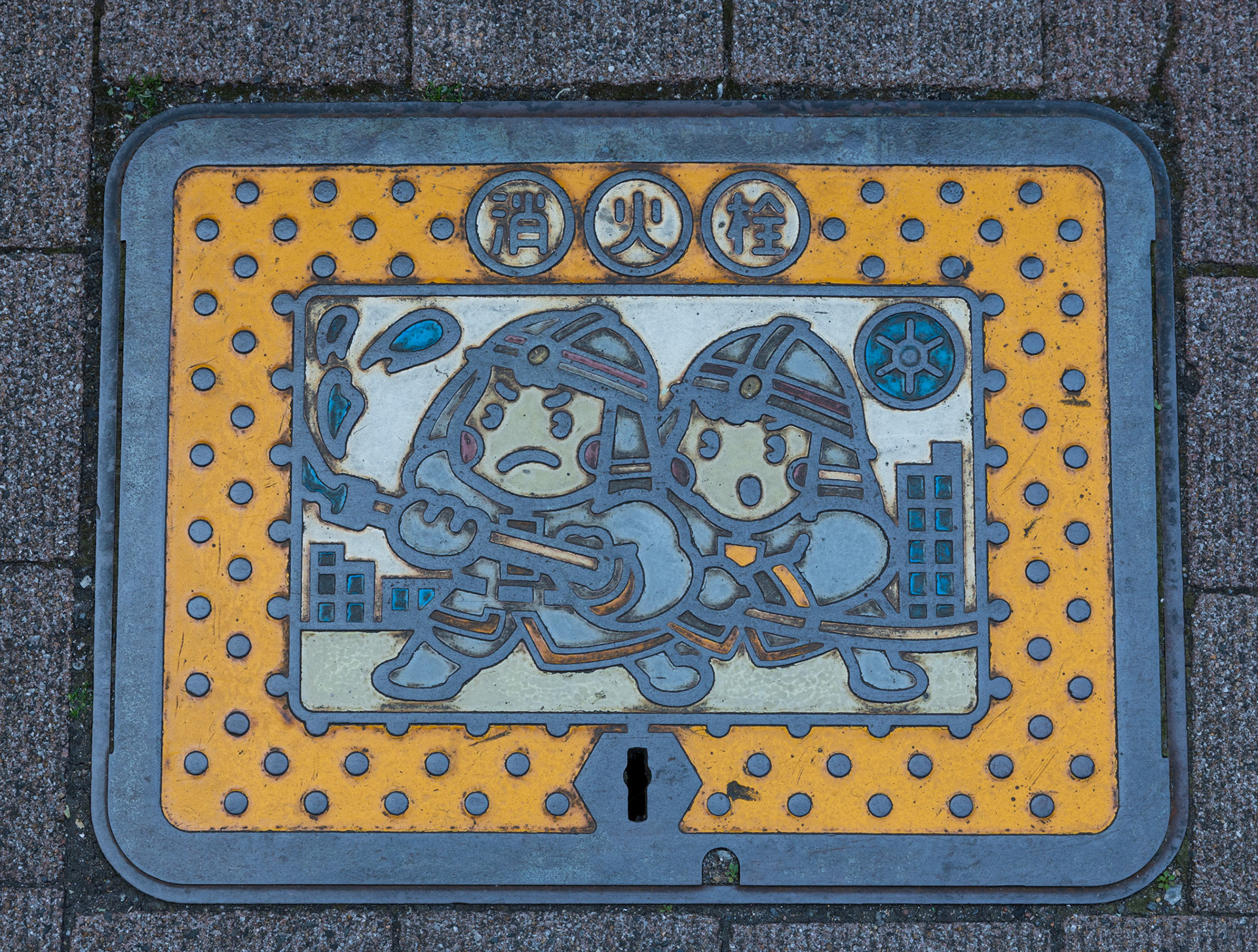
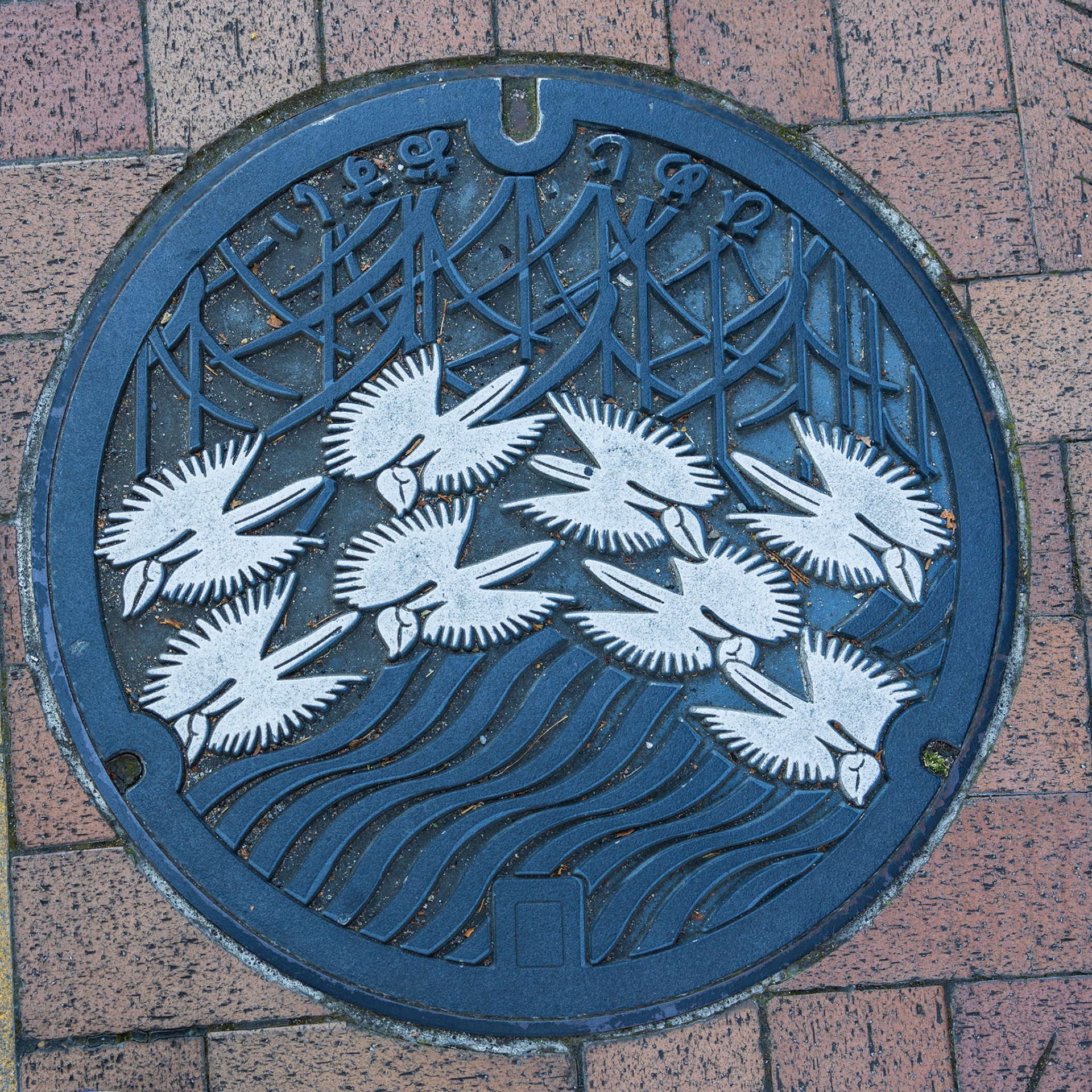
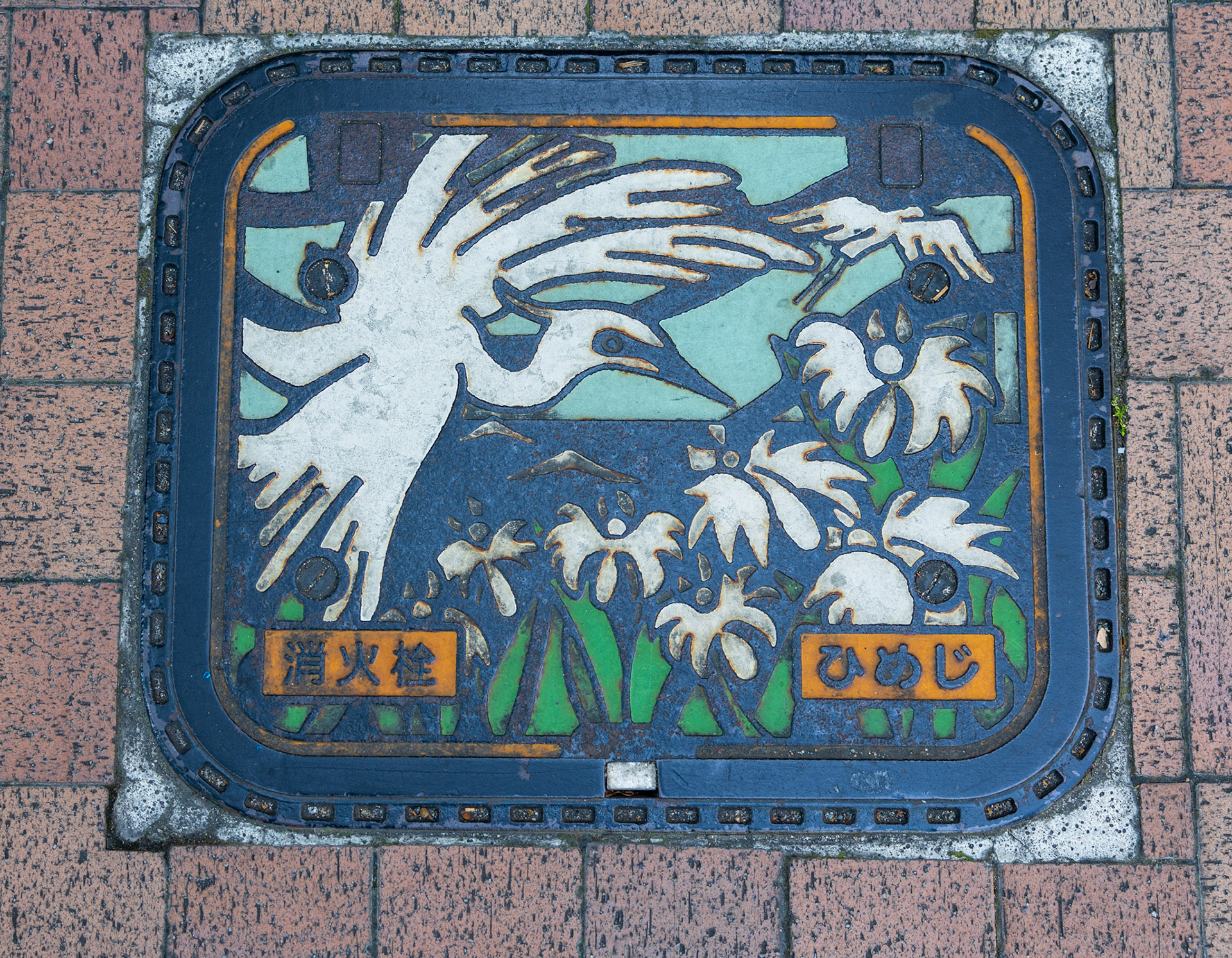
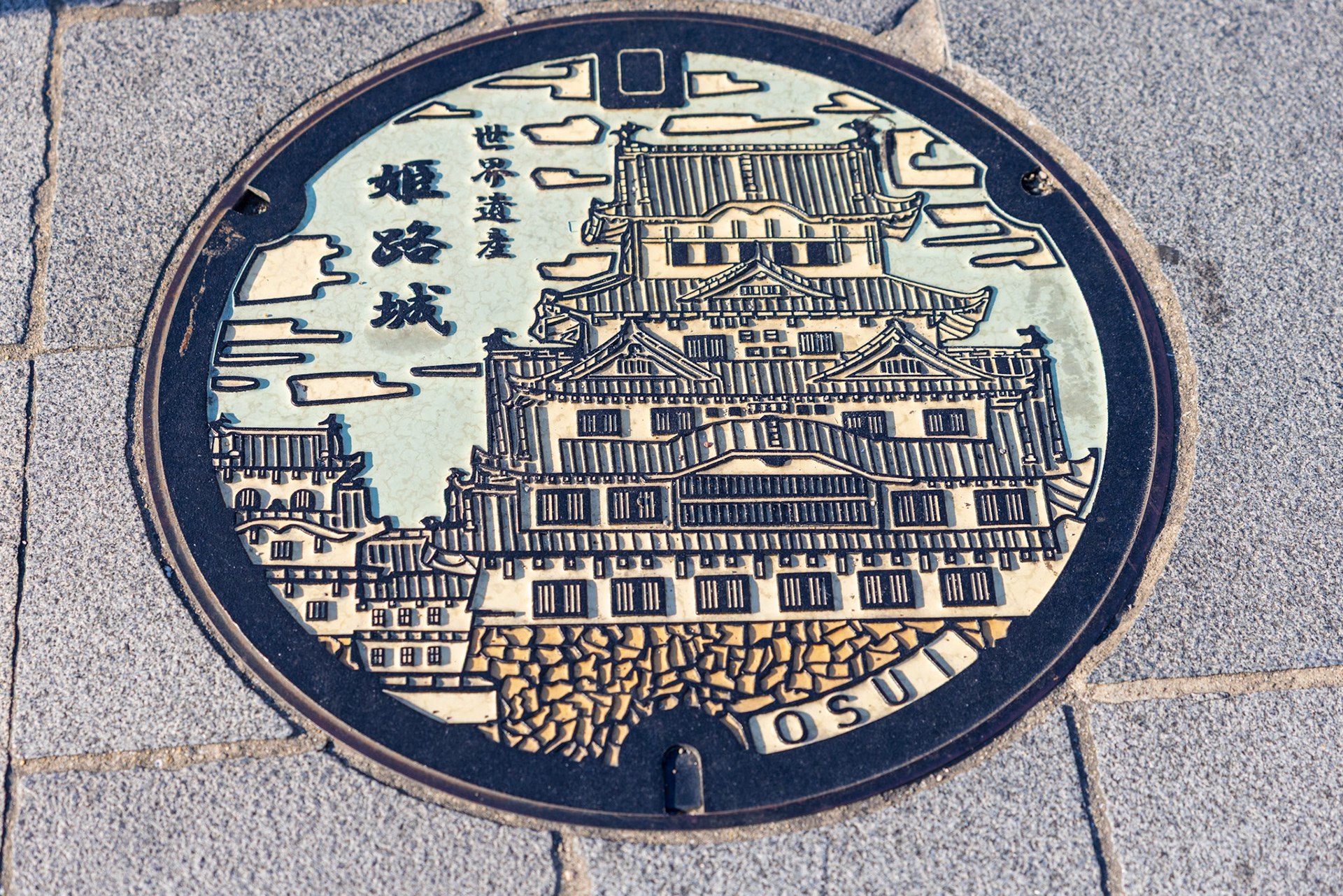
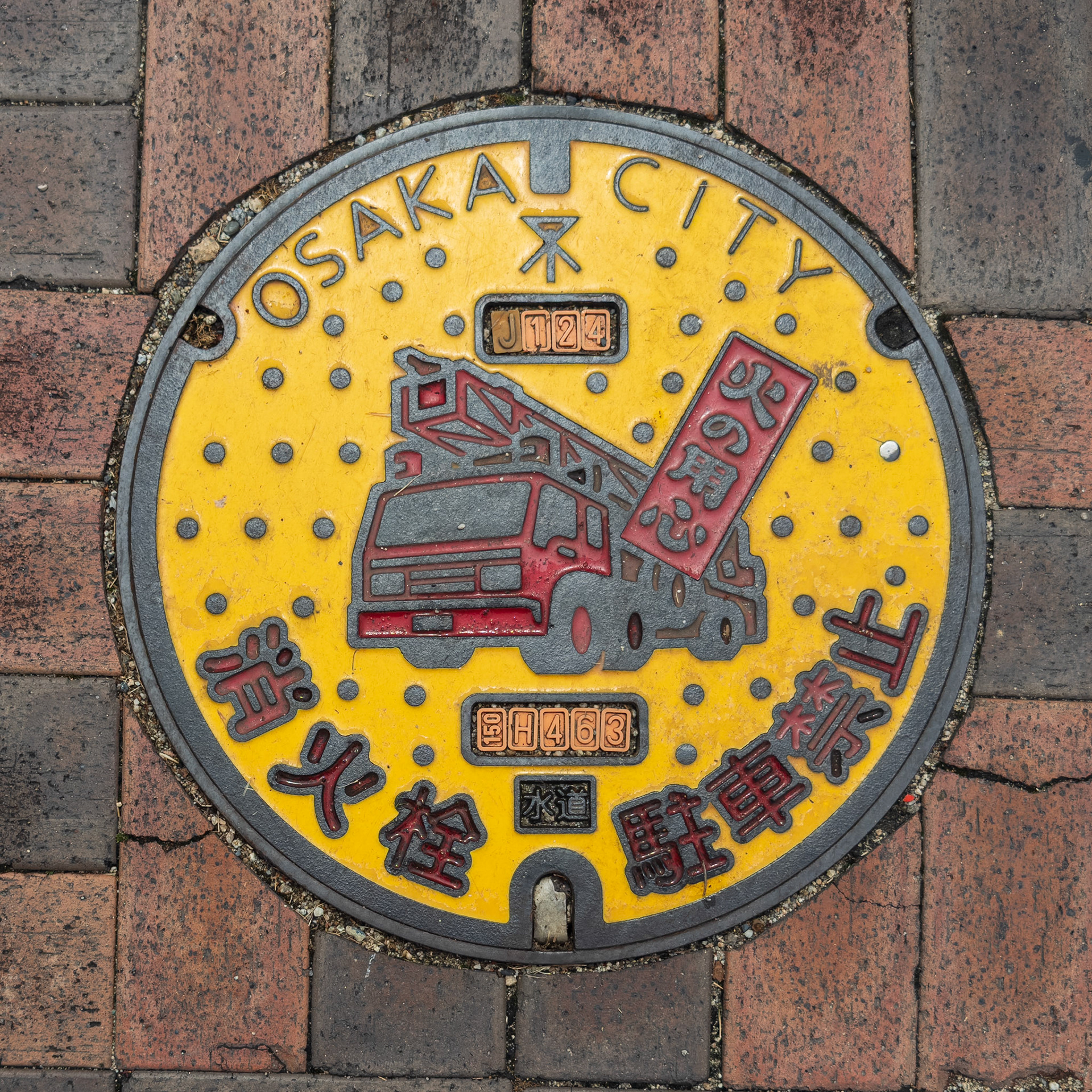
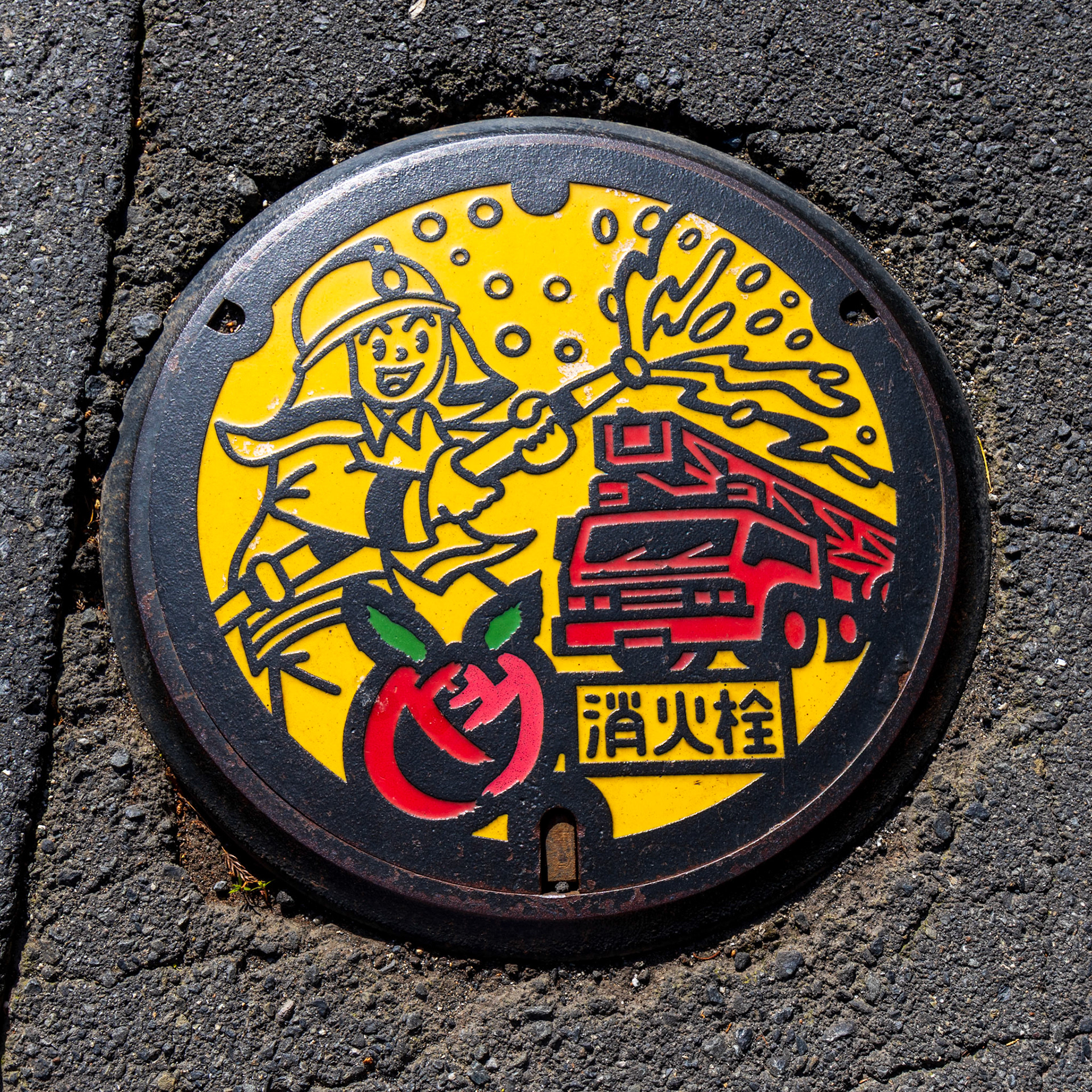
OTHER - Why doesn't the United States have fun manhole covers like Japan?


Birding
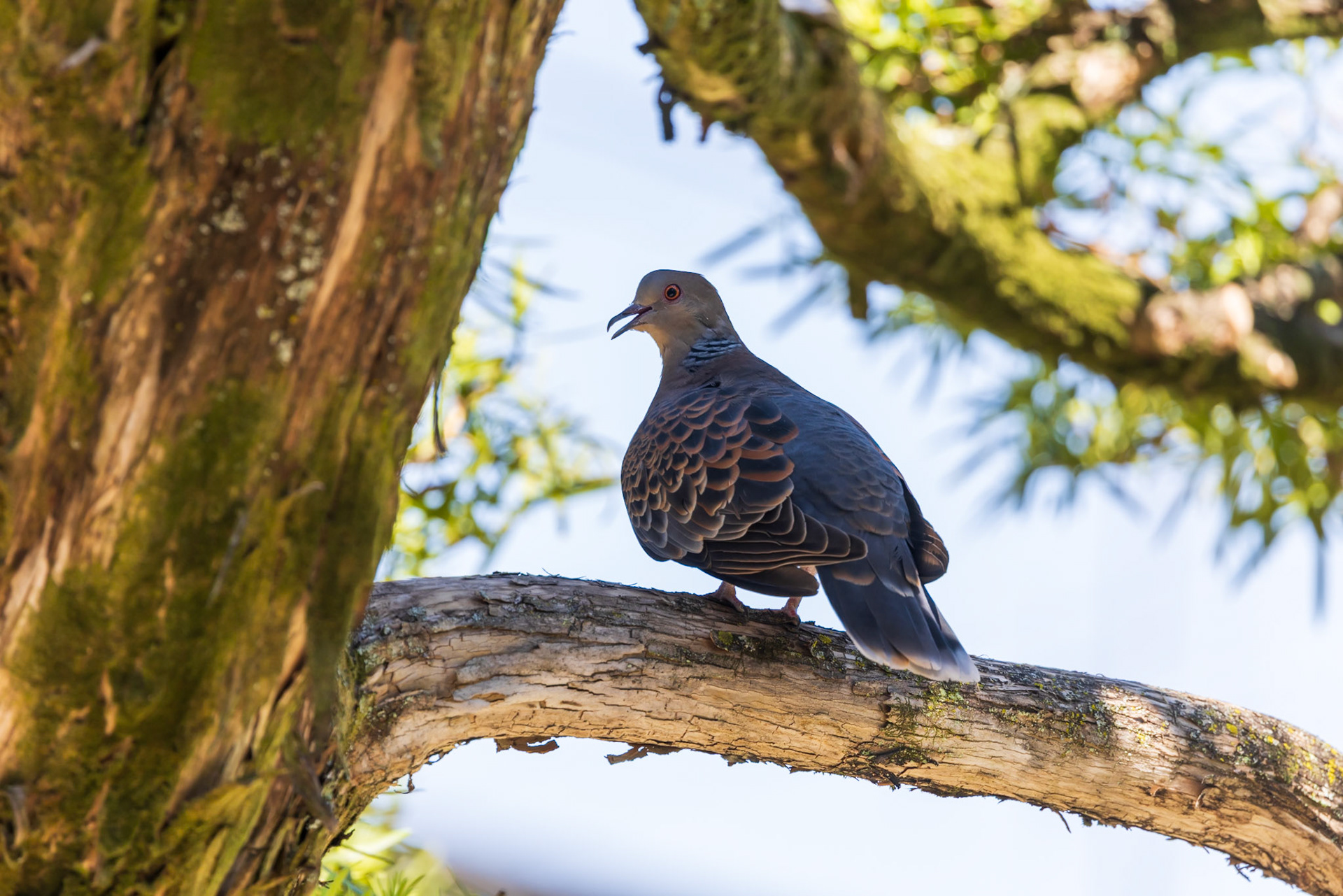
With Japan being our first trip to Asia, we thought we would see a lot of new birds but were a little disappointed. By the end of the trip, we had added 12 new birds to our Life List and had only see 19 different species in total. This is in line with the 12 new birds we saw in Gran Canaria earlier this year but a far cry from the 155 new species we saw in Africa last year. Our life list is now 619 species.
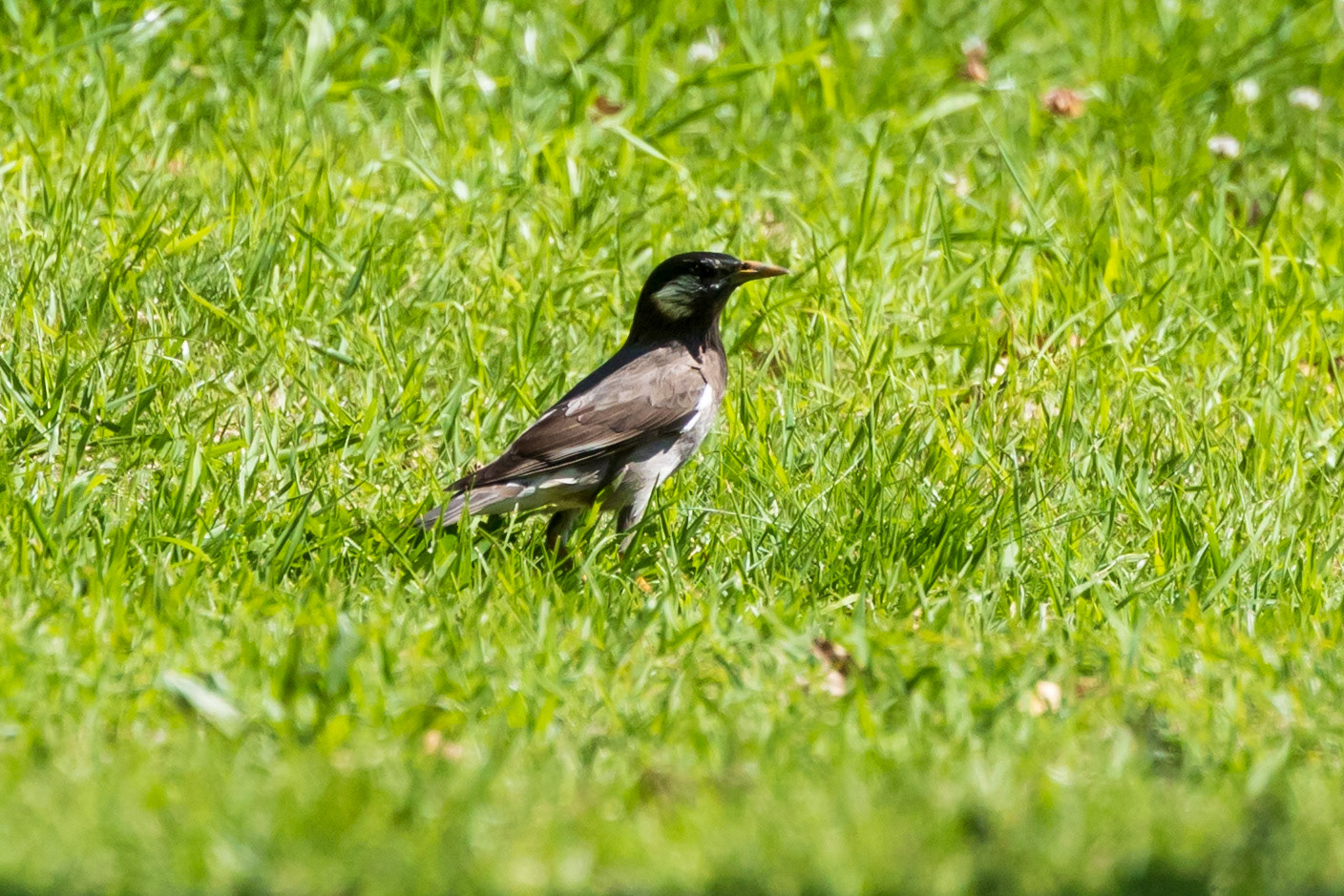
White-cheeked Starling

Eurasian Tree Sparrow
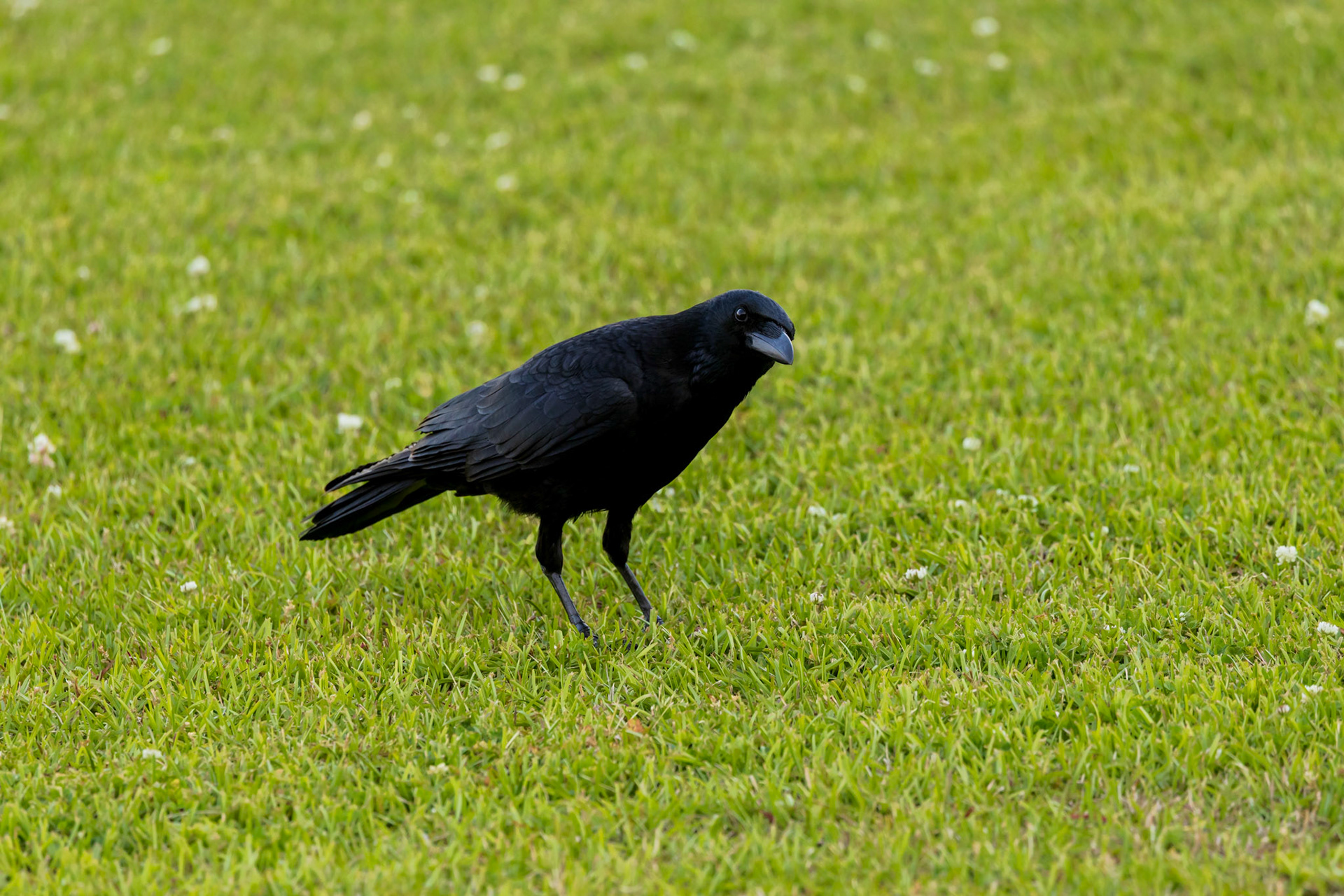
Large-billed Crow
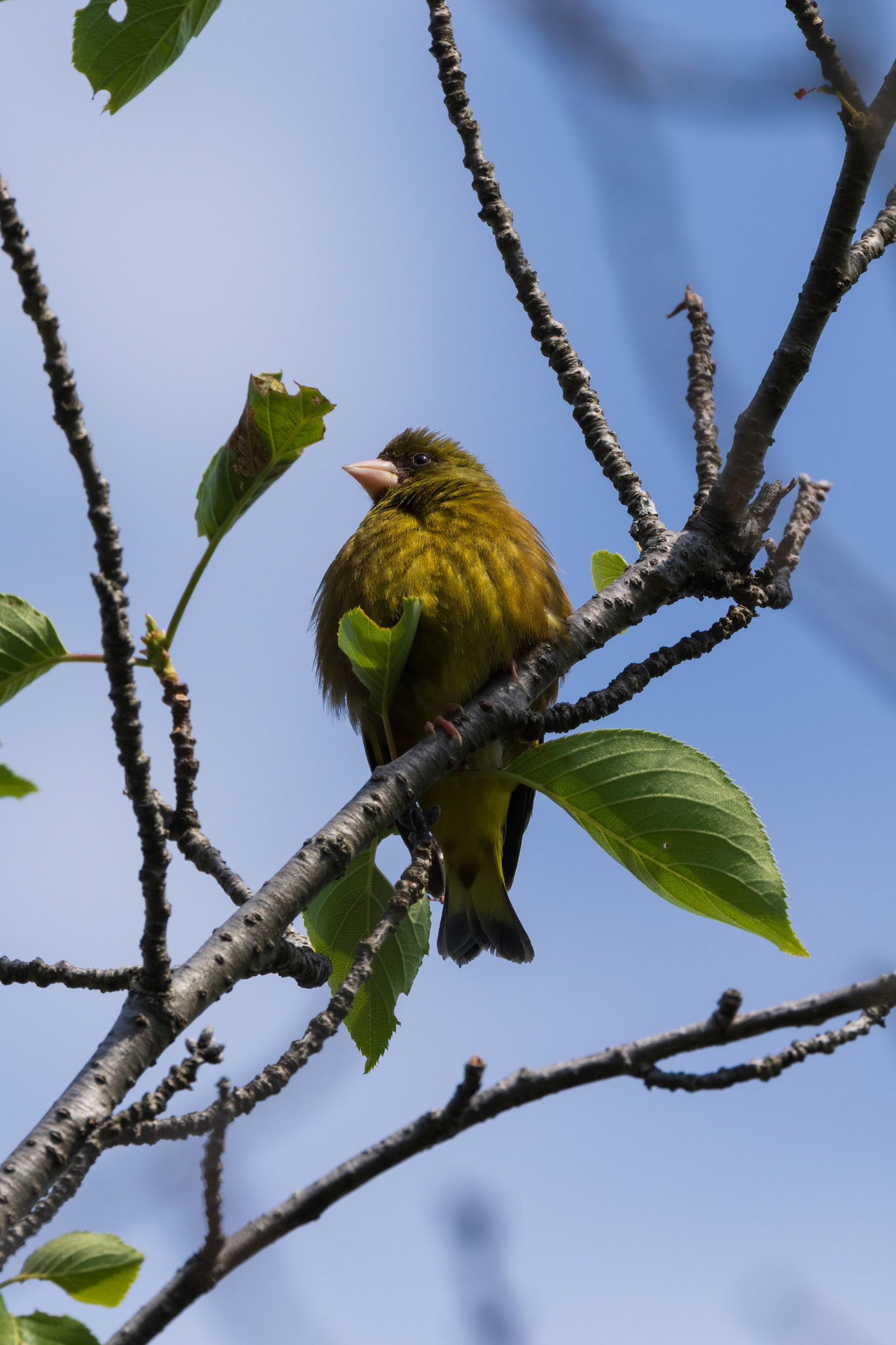
Oriental Greenfinch

Brown-eared Bulbul
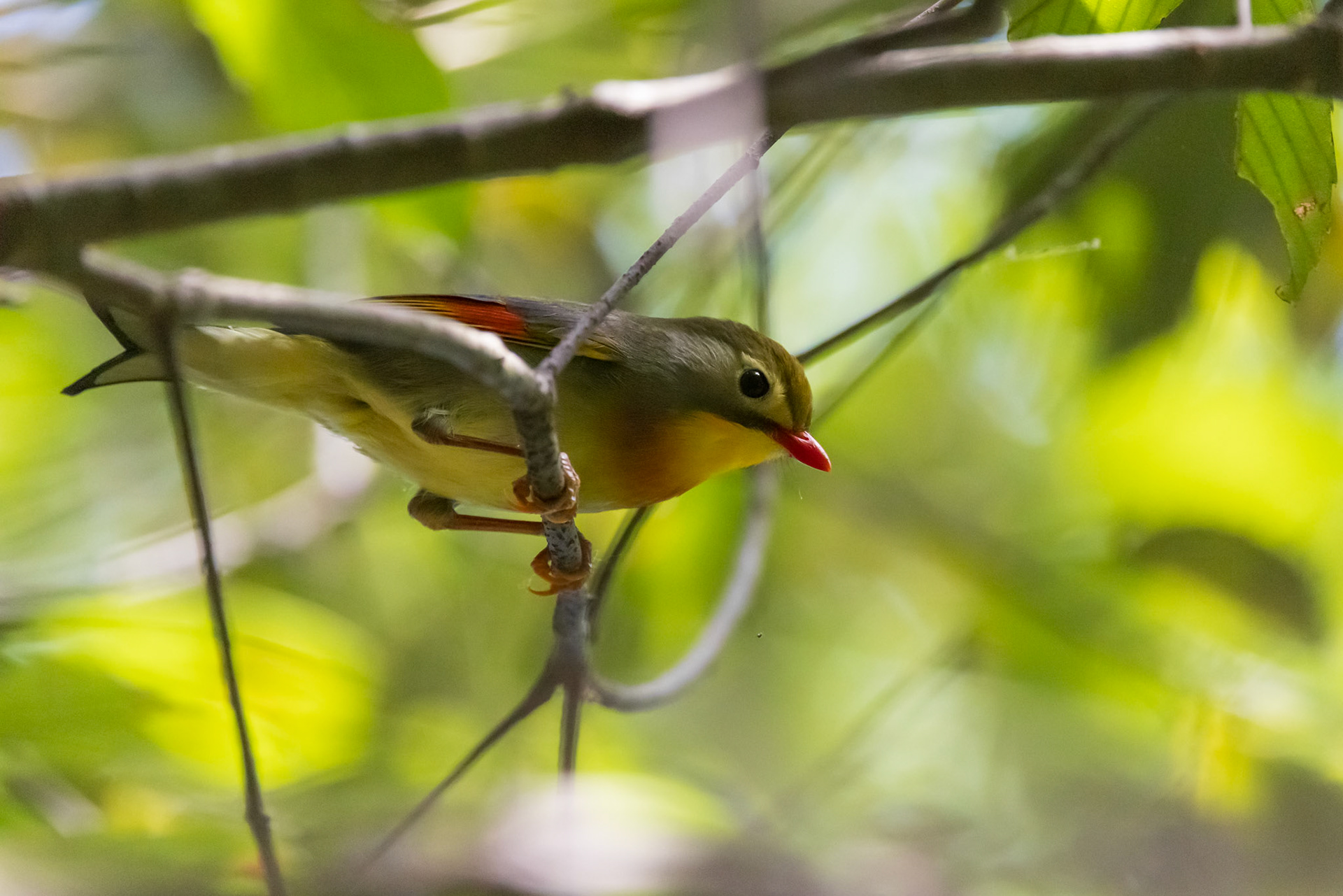
Red-billed Leiothrix

Blue Rock-Thrush
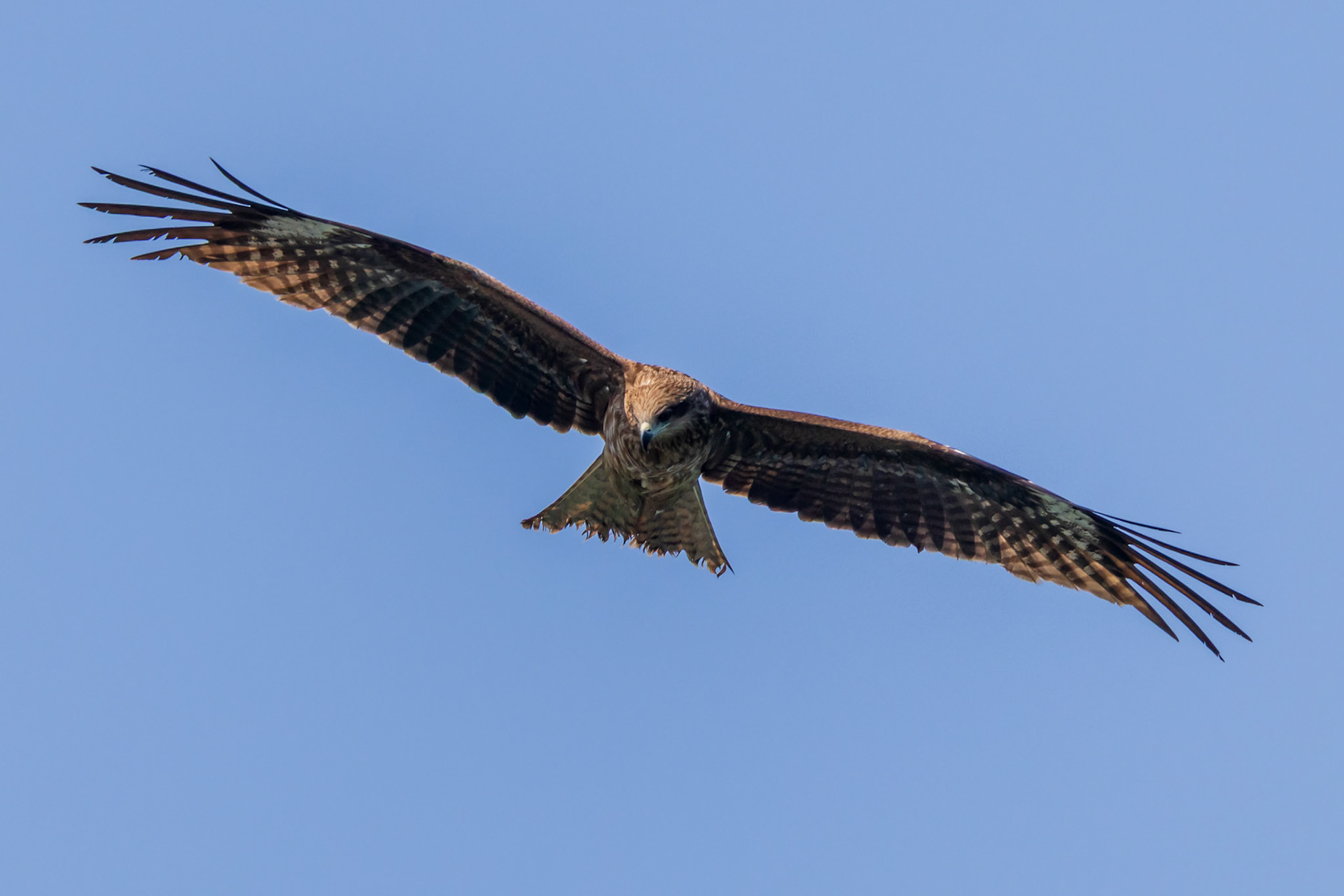
Black Kite
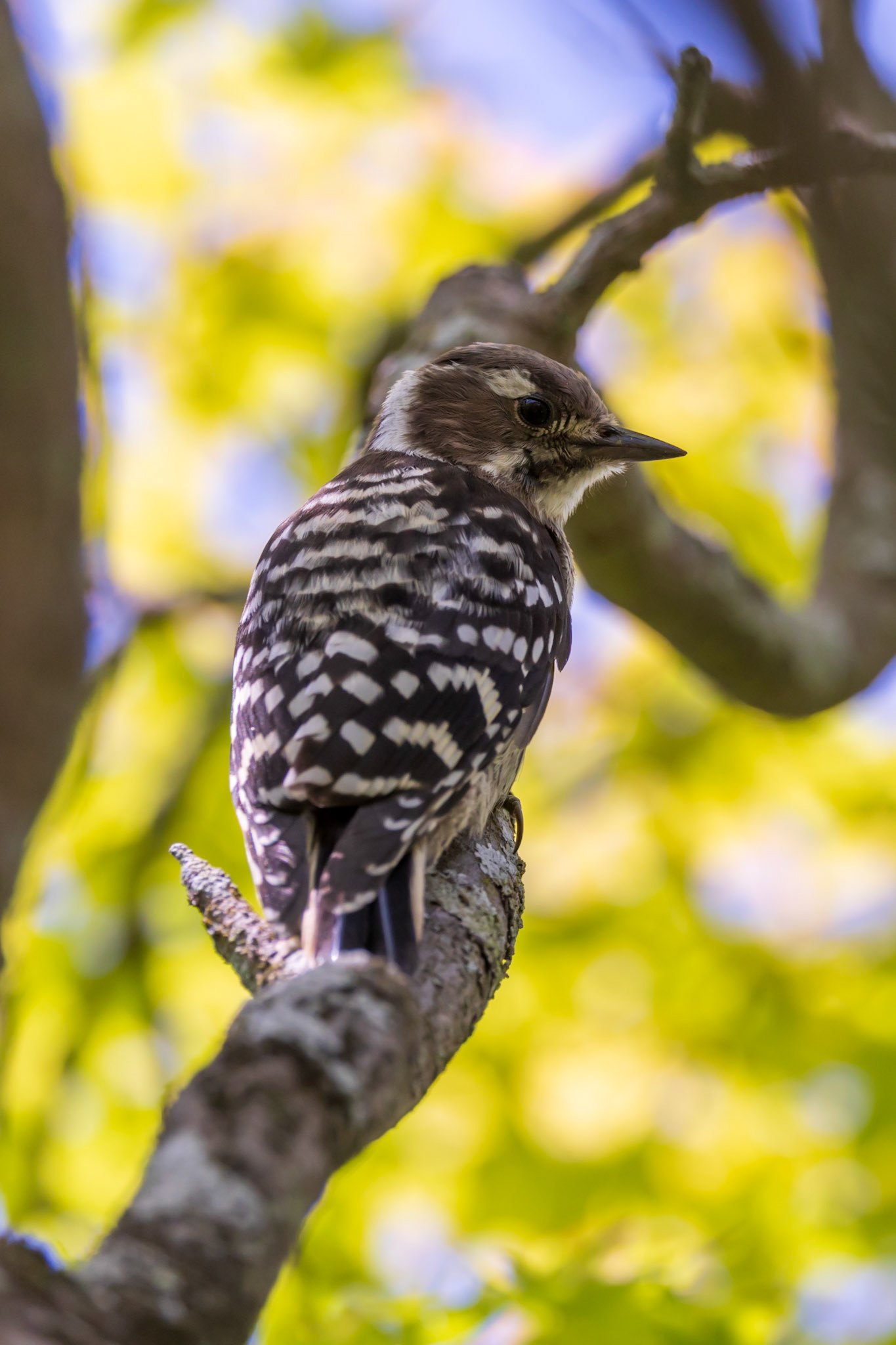
Japanese Pygmy Woodpecker
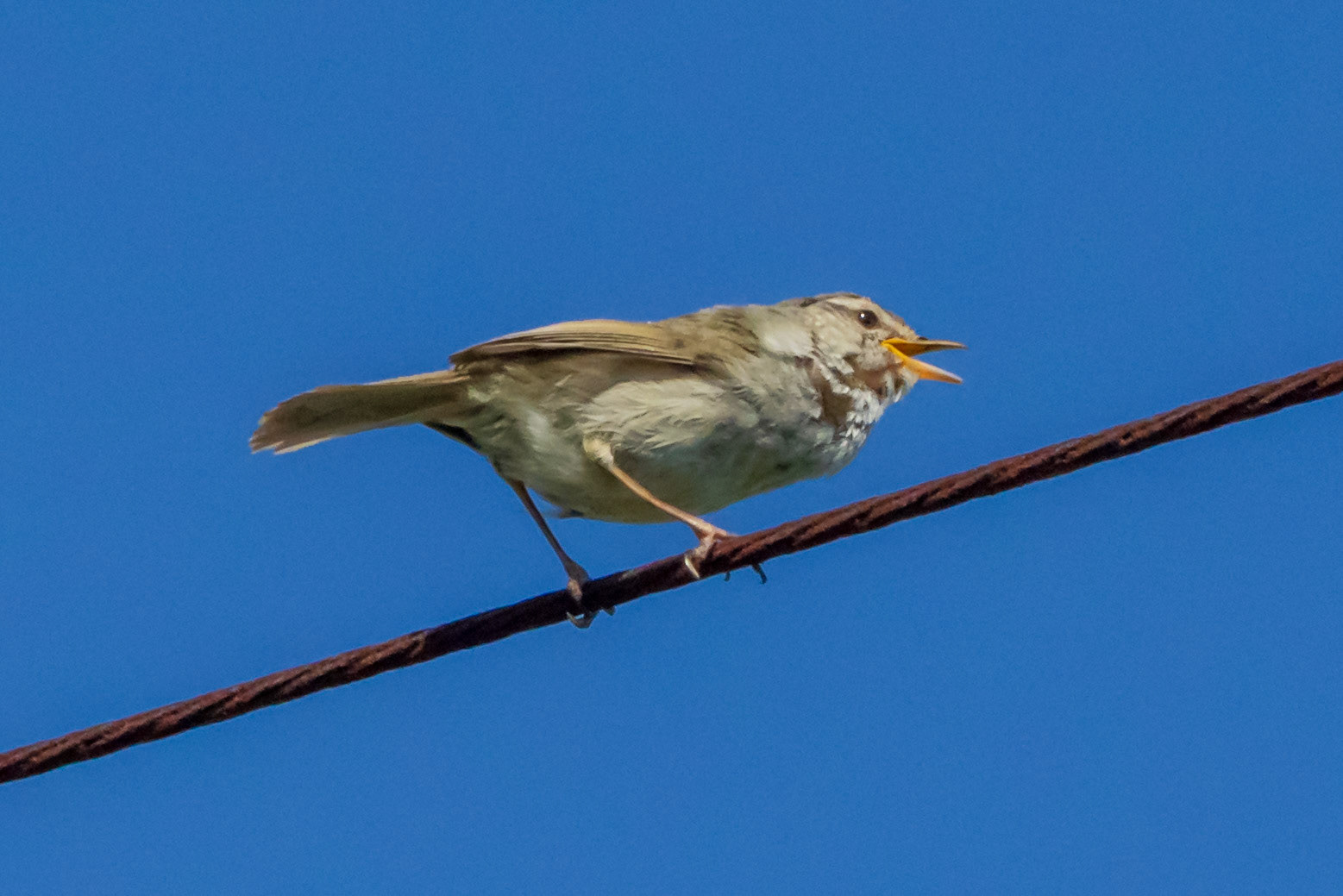
Japanese Bush Warbler, we heard these pretty consistently in the countryside but only saw this one.
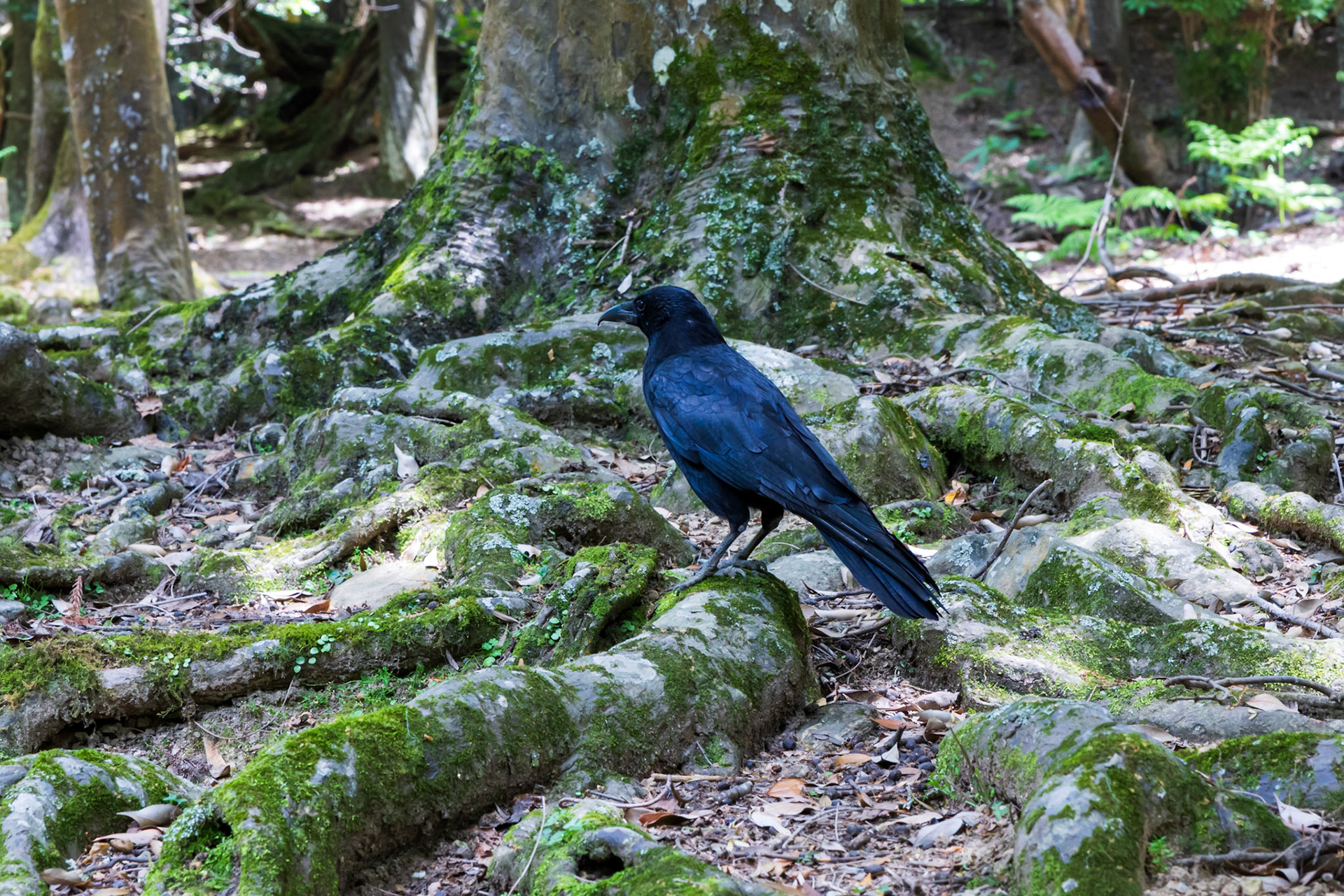
Carrion Crow